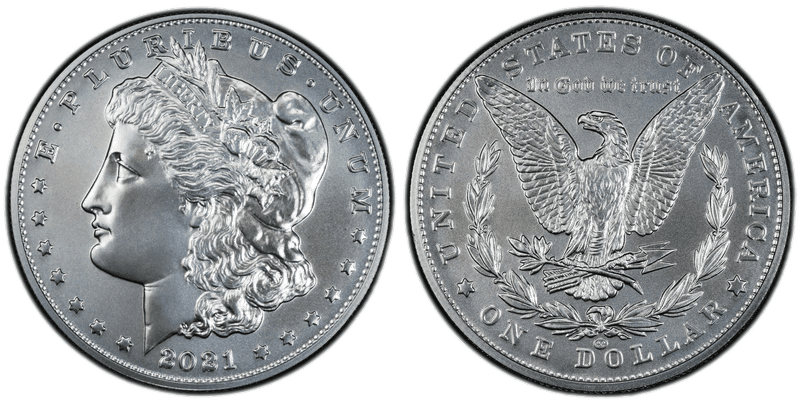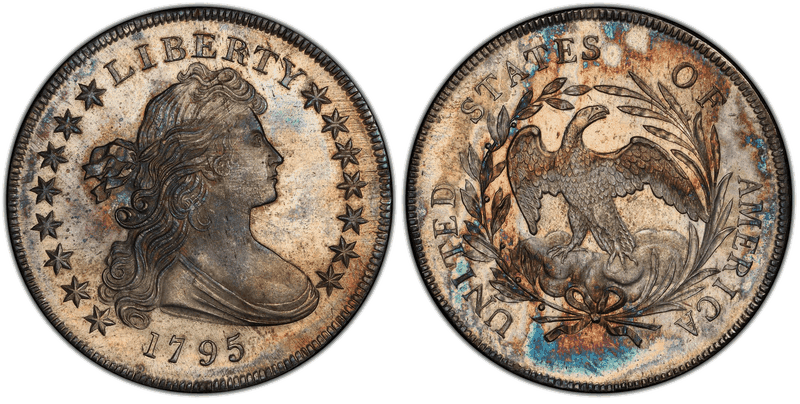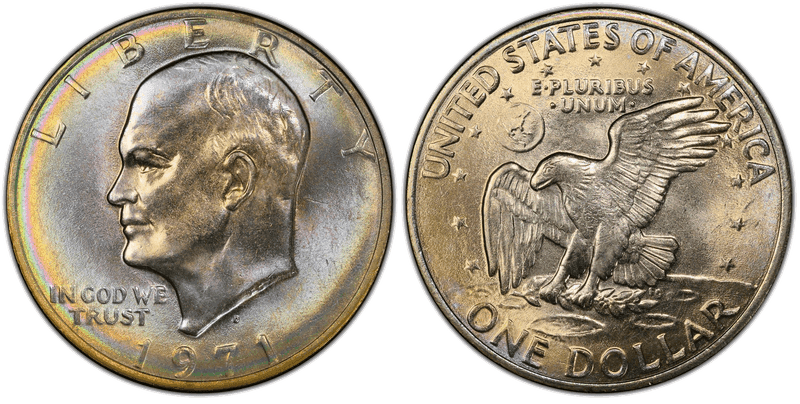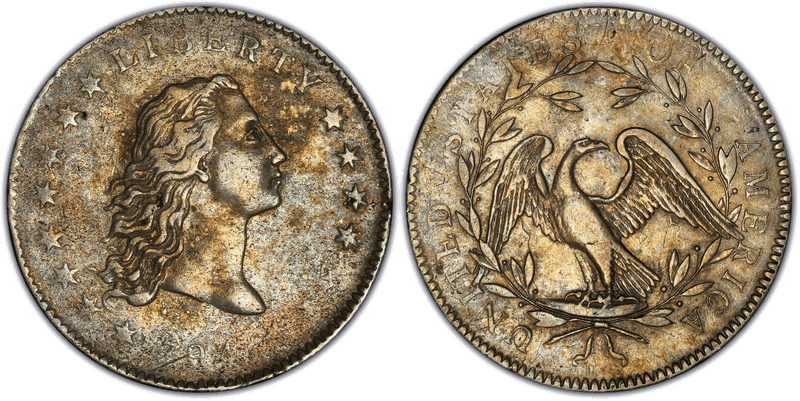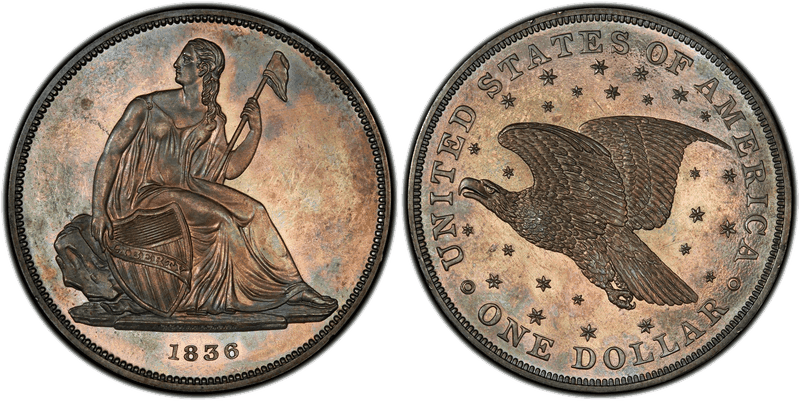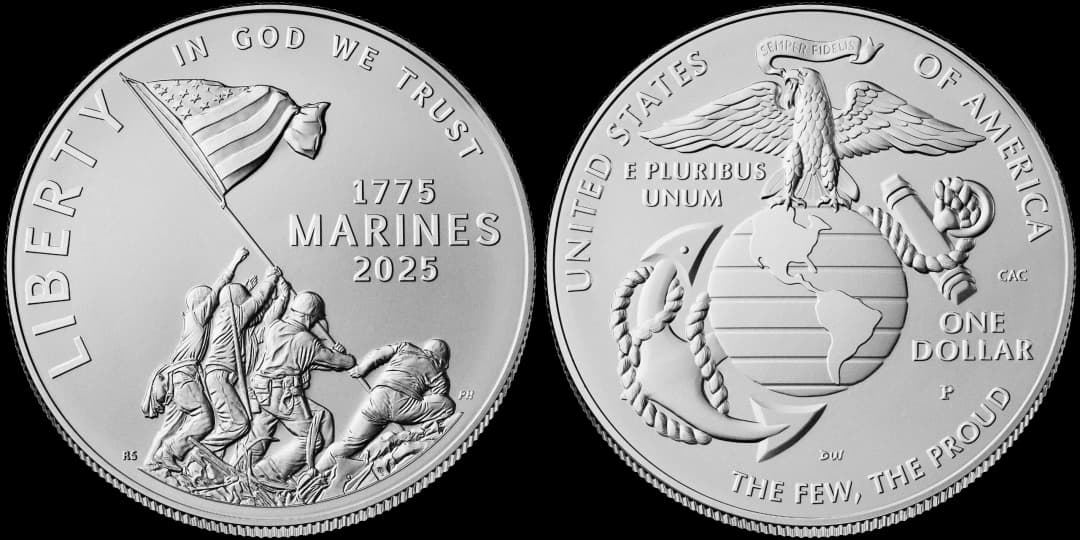
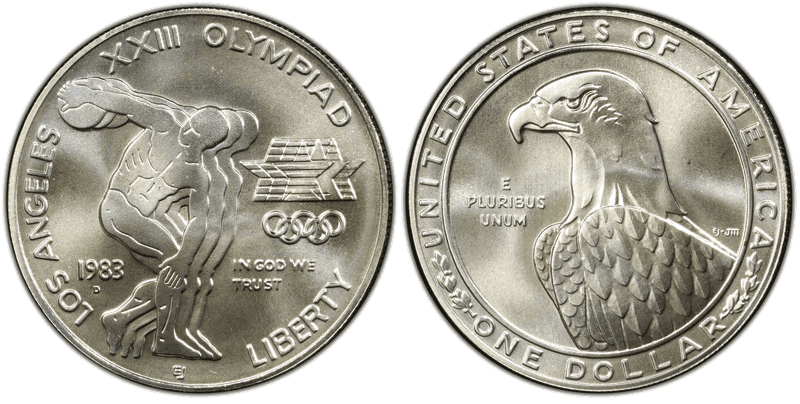
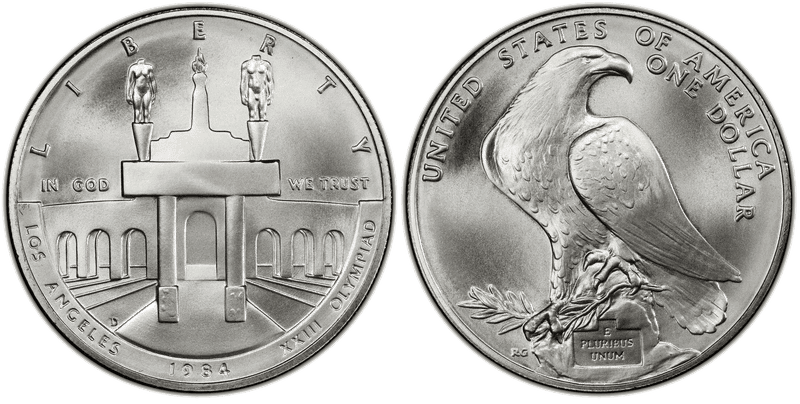
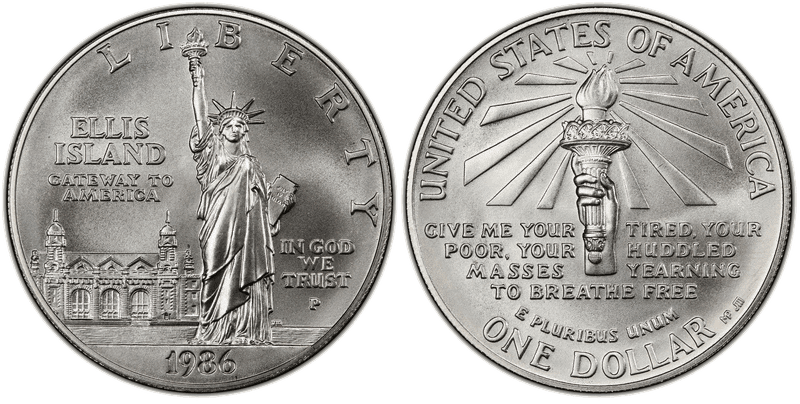
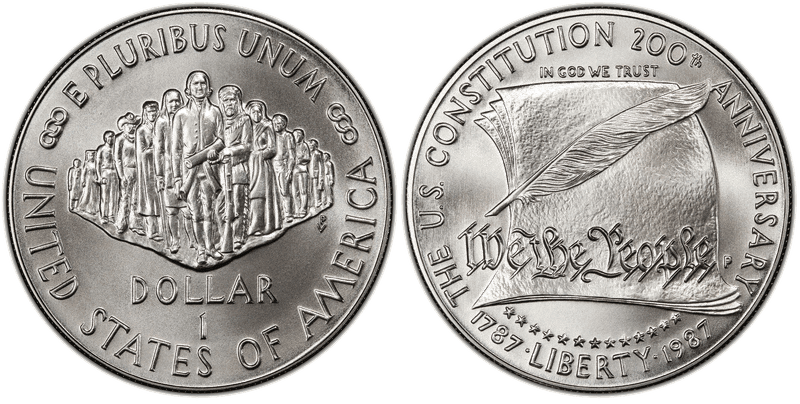
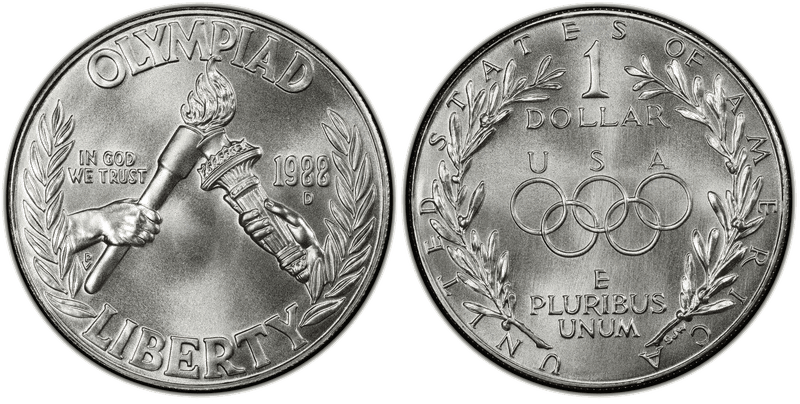
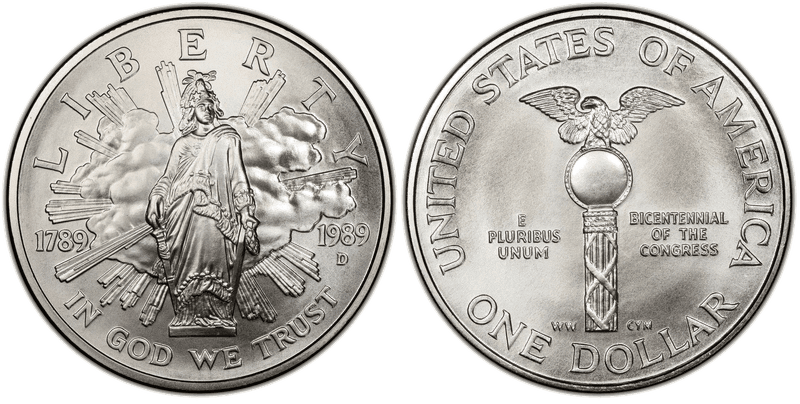
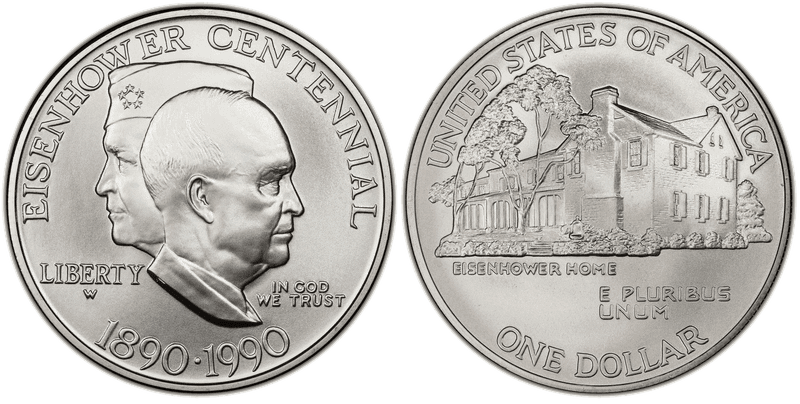
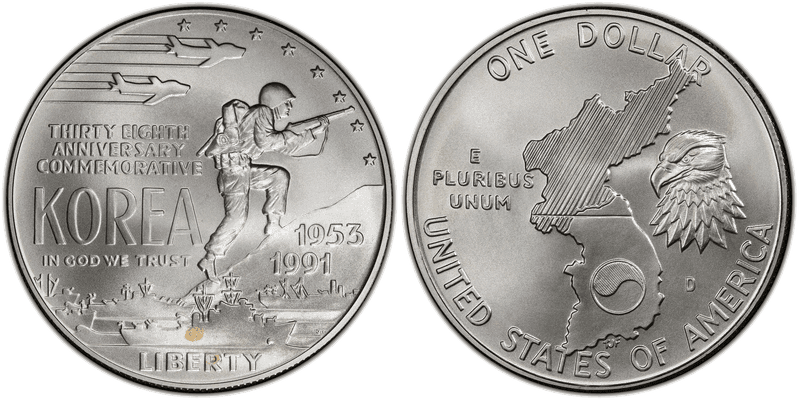
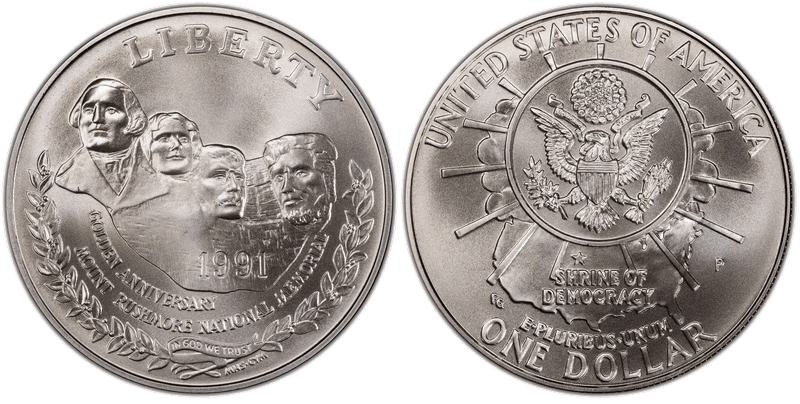
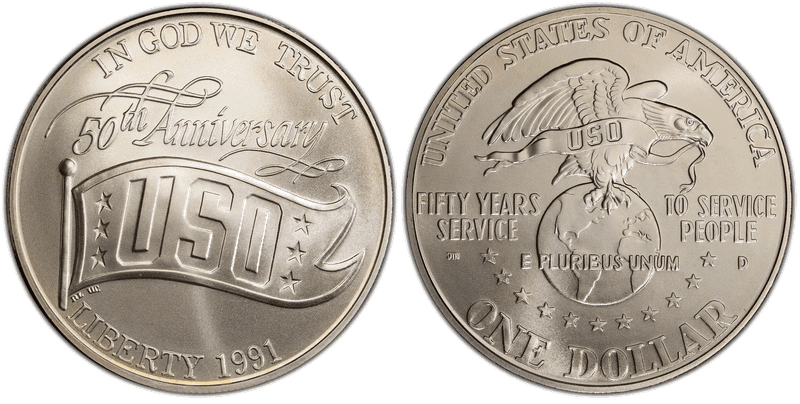
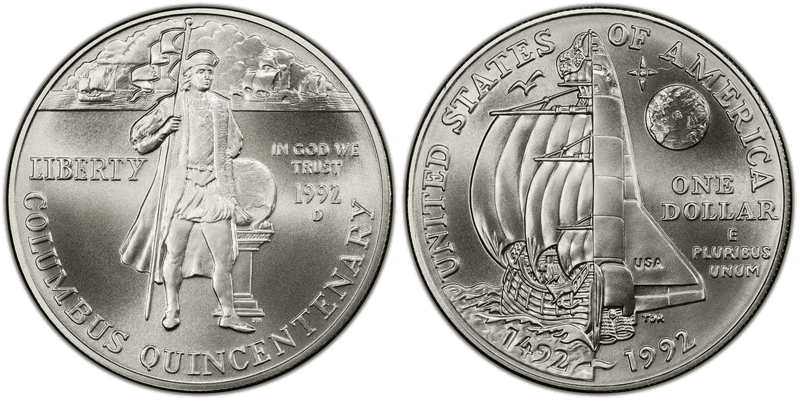
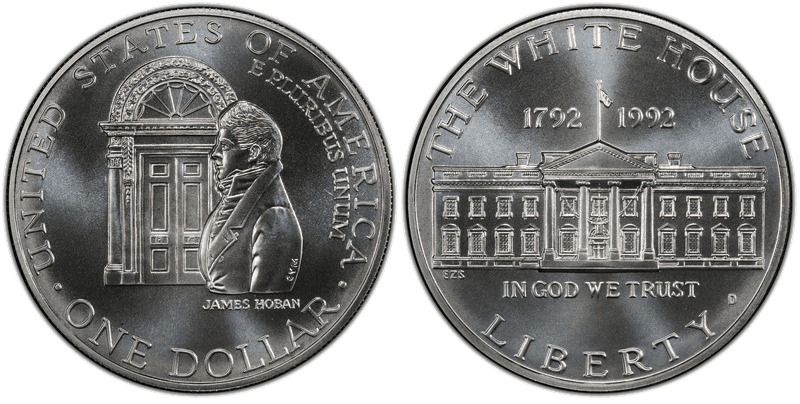
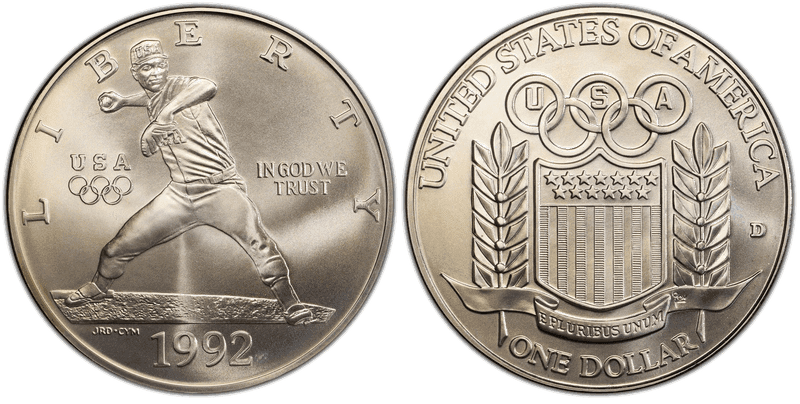
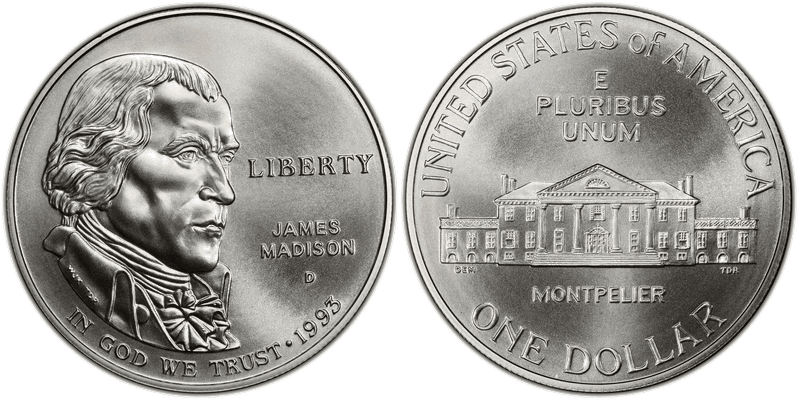
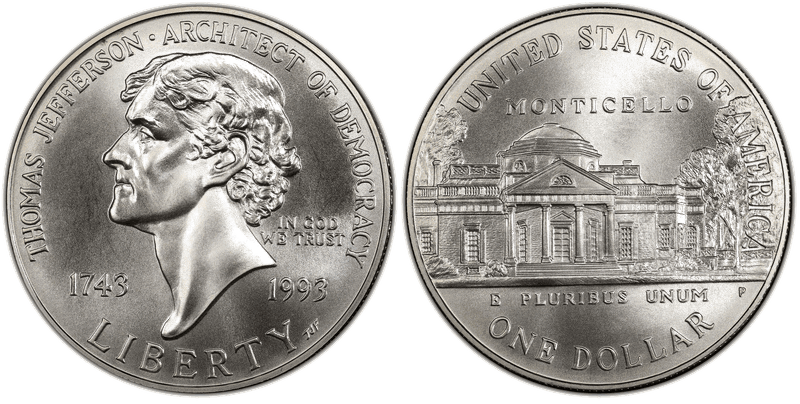
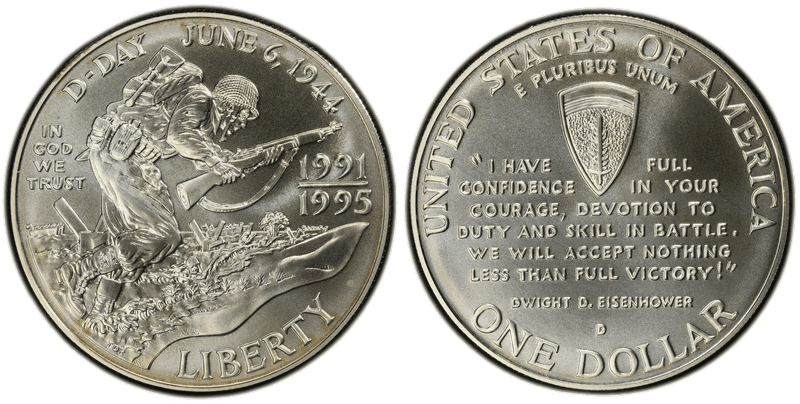
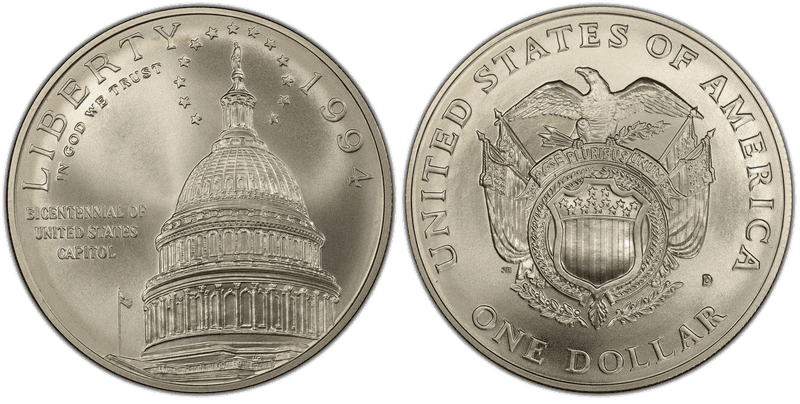
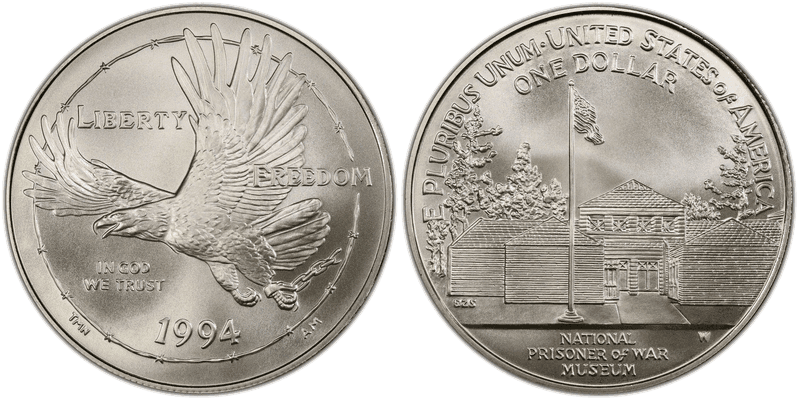
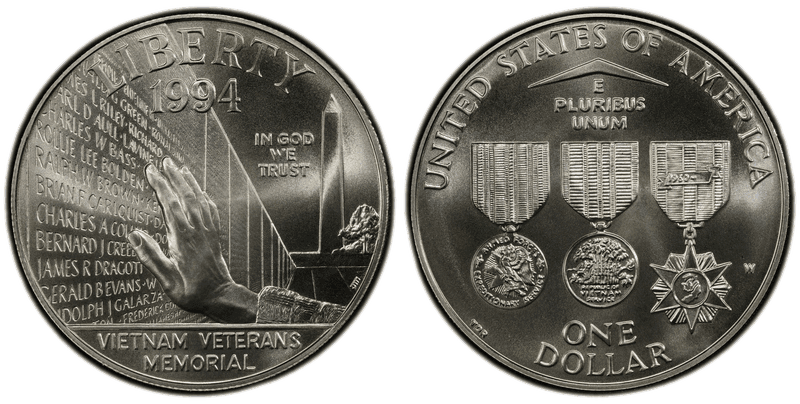
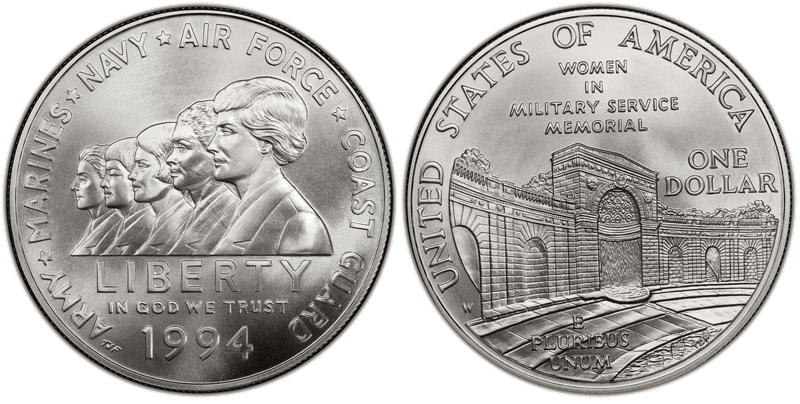
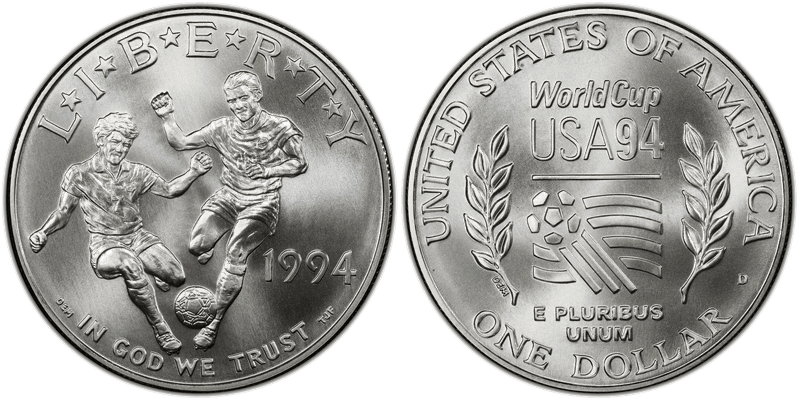
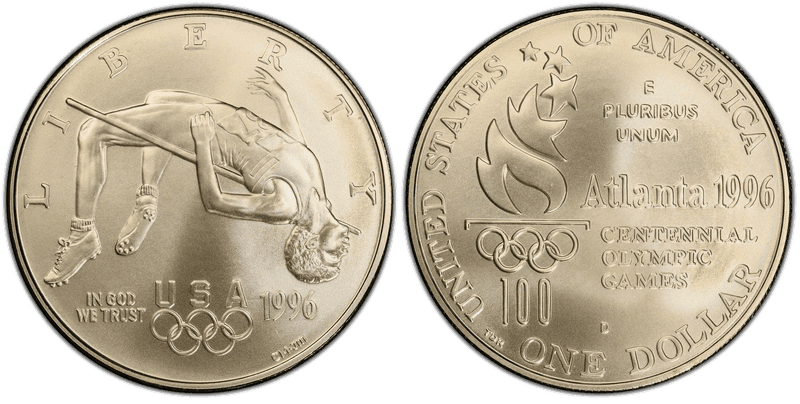
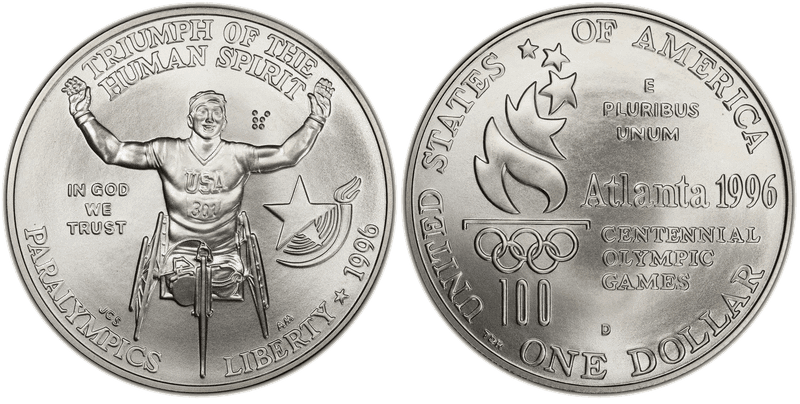
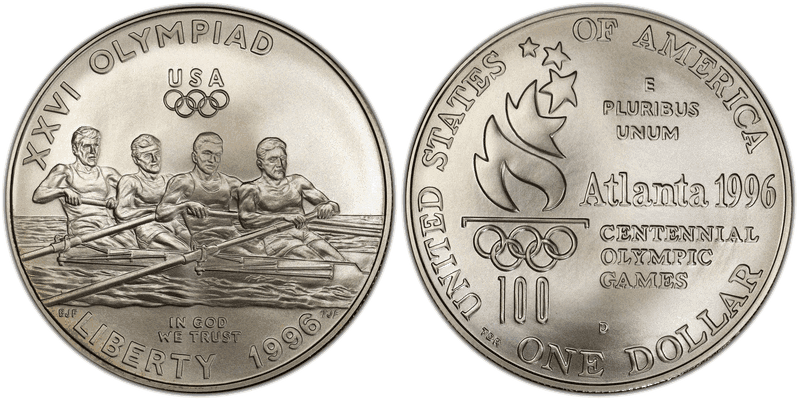
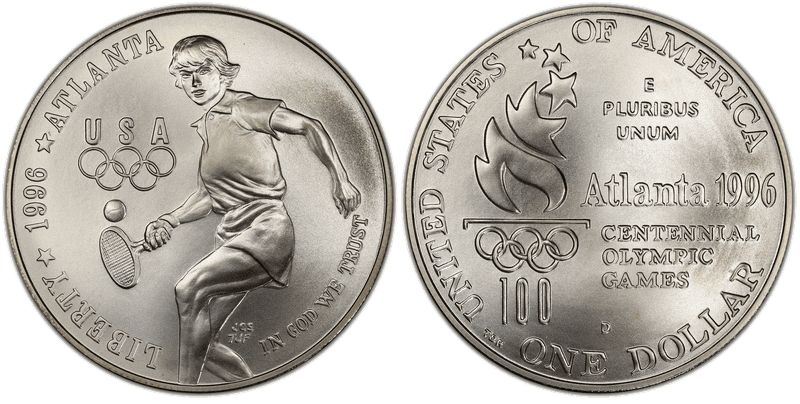
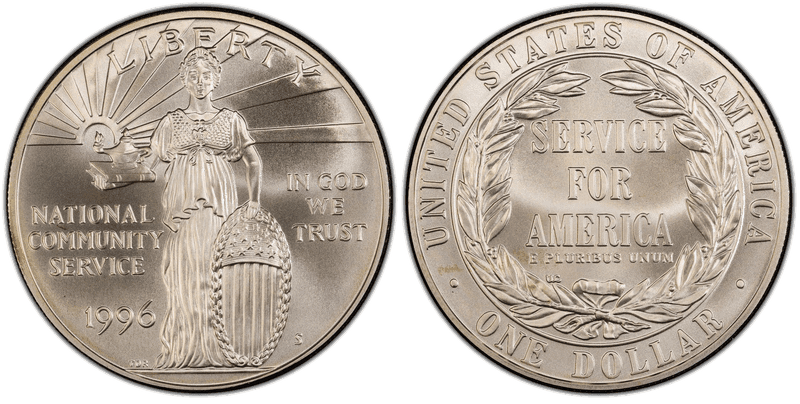
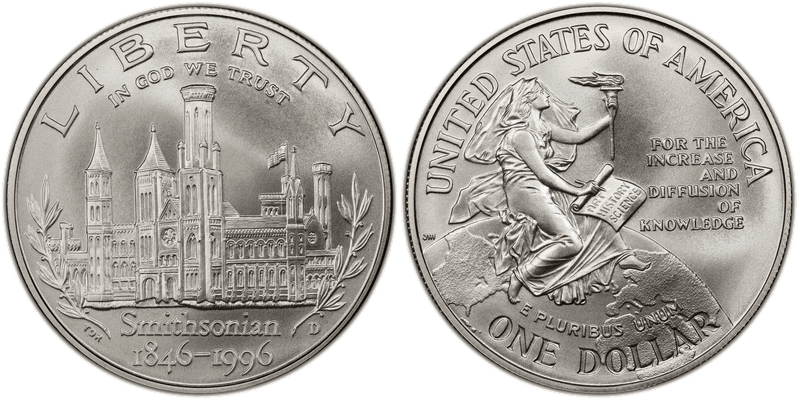
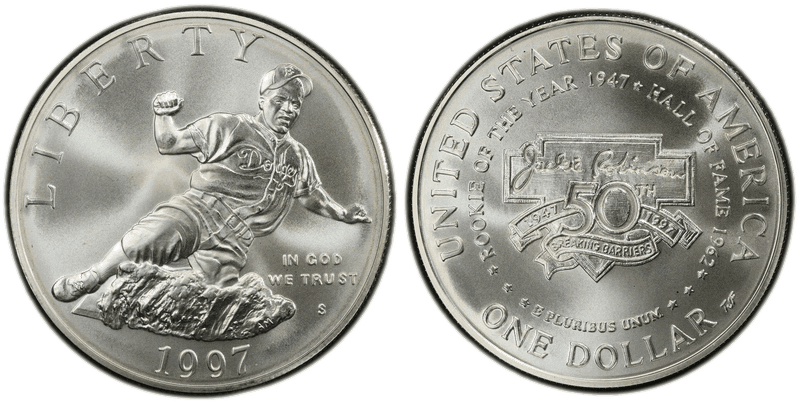
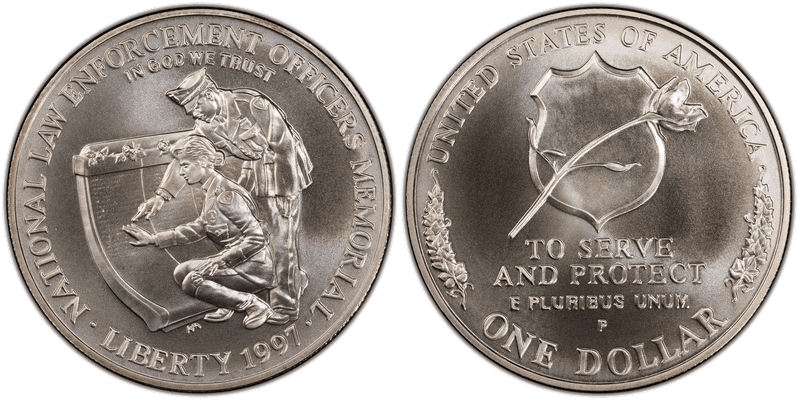
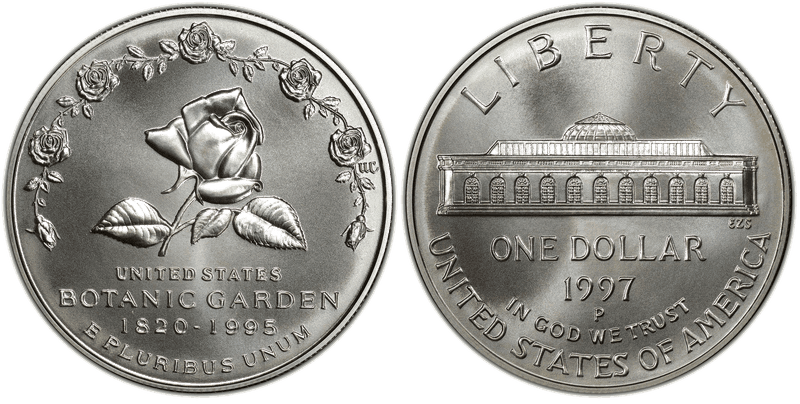
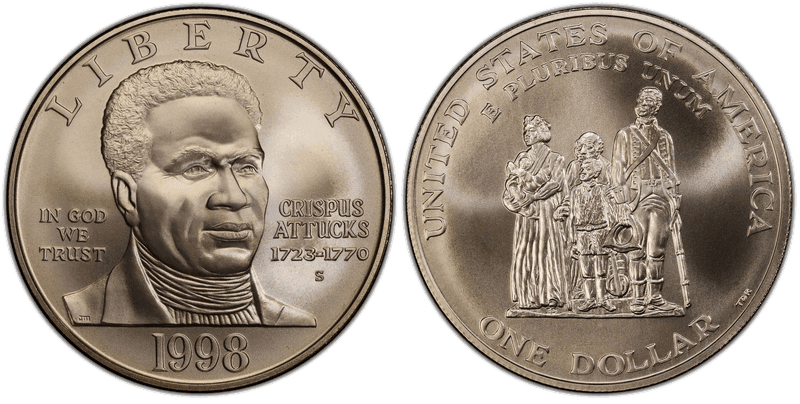
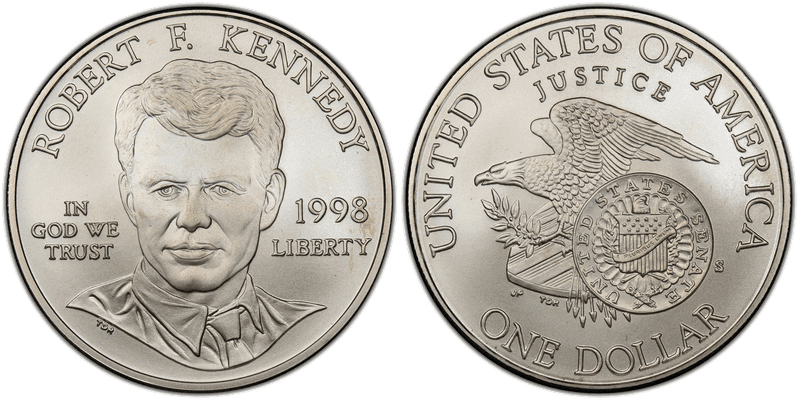
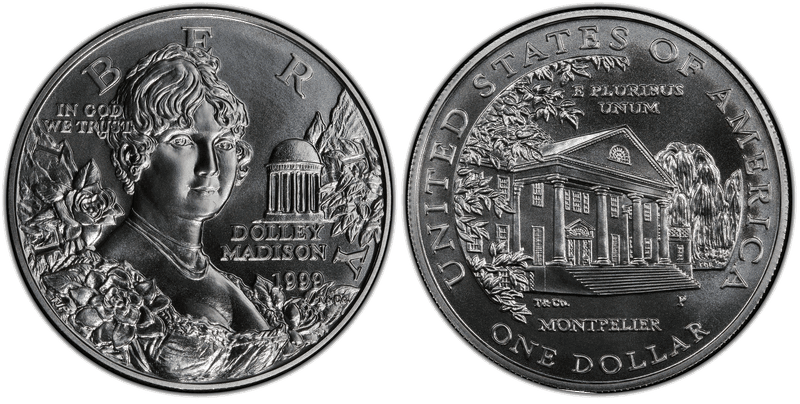
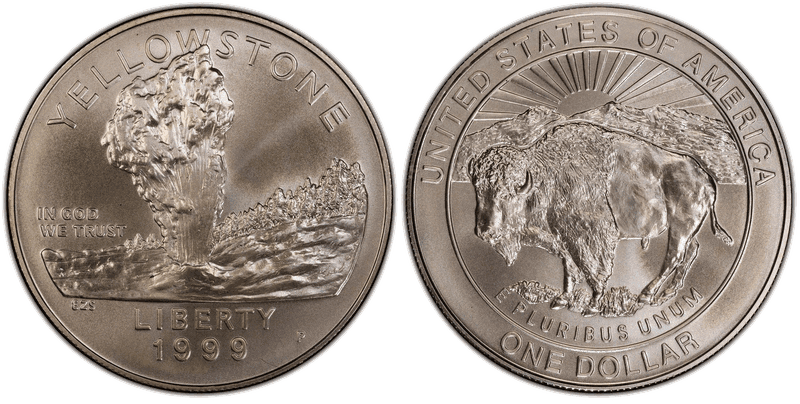
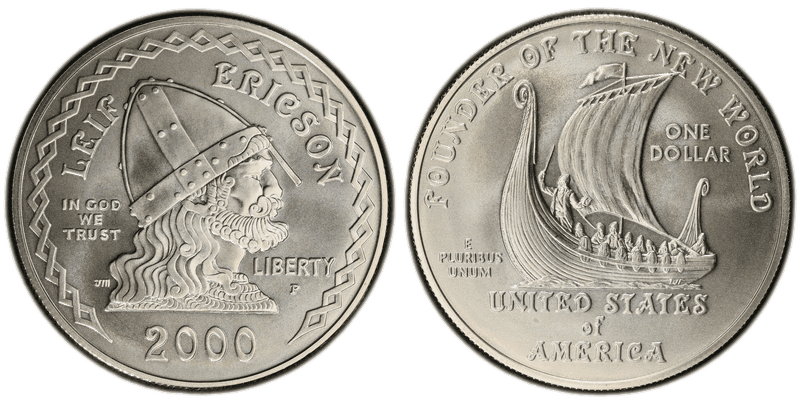
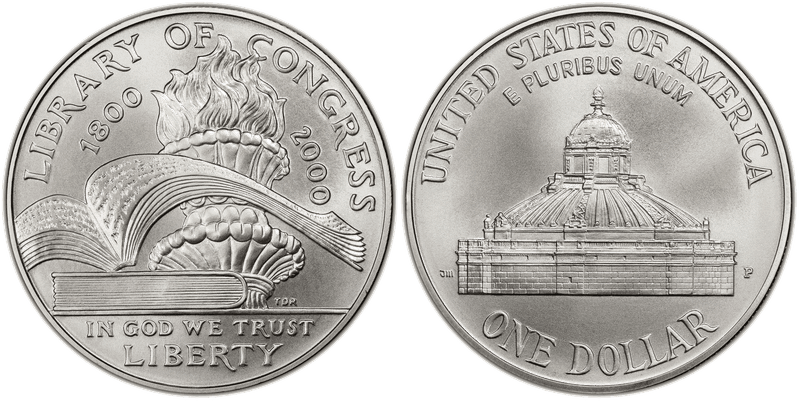
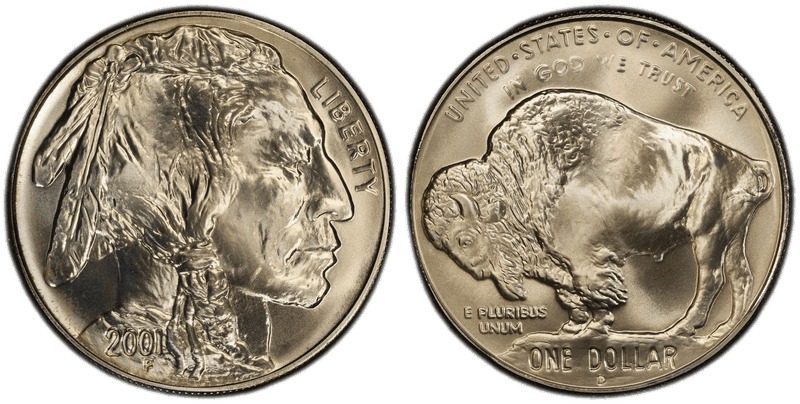
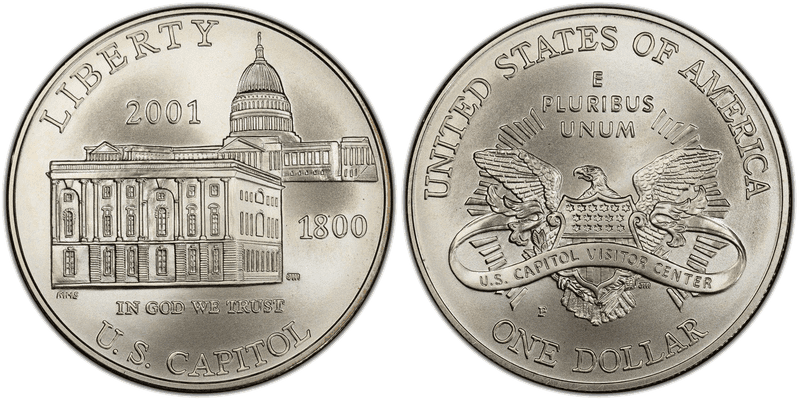
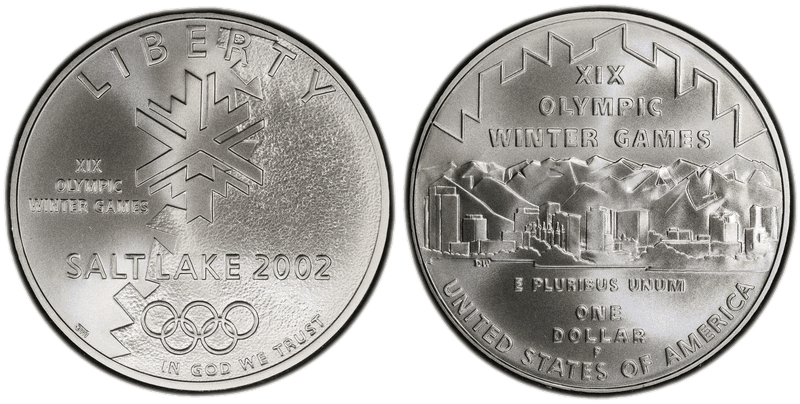
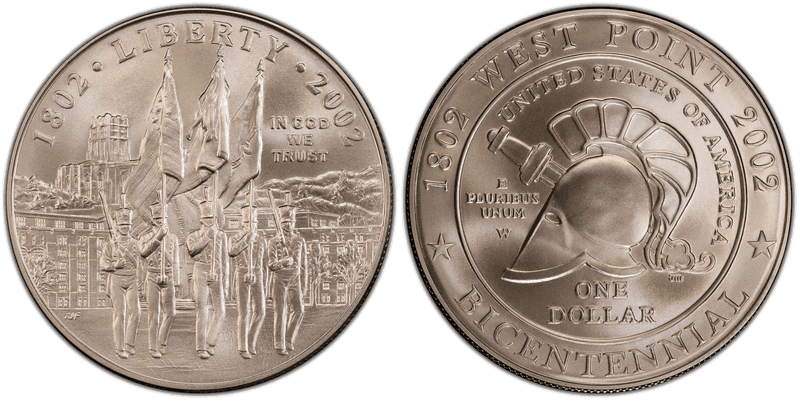
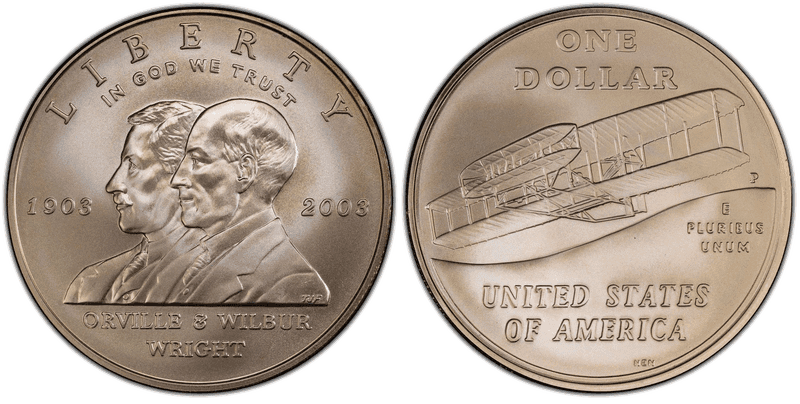
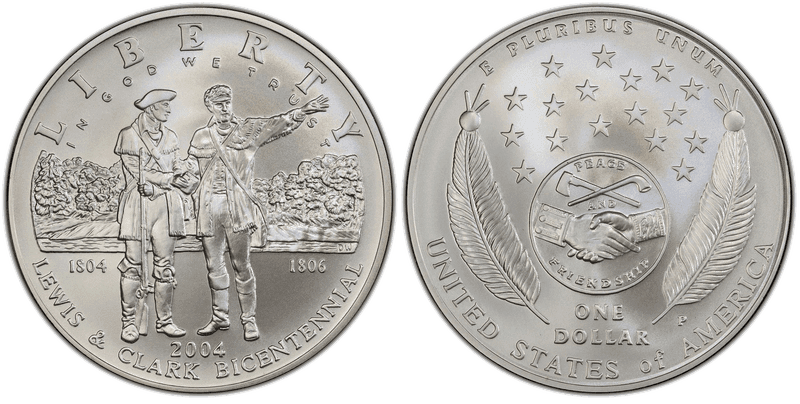
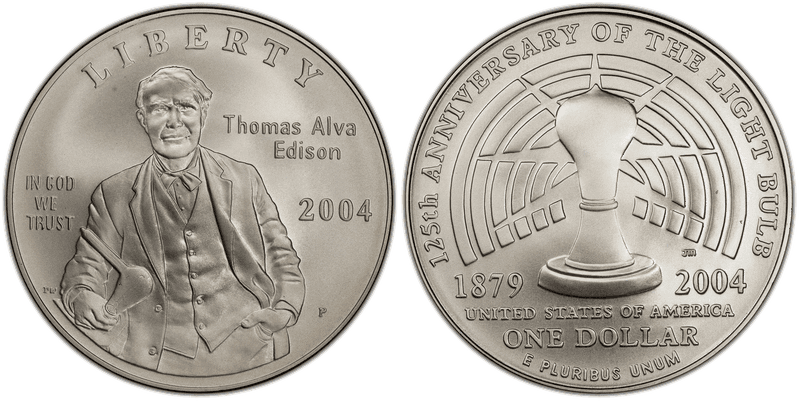
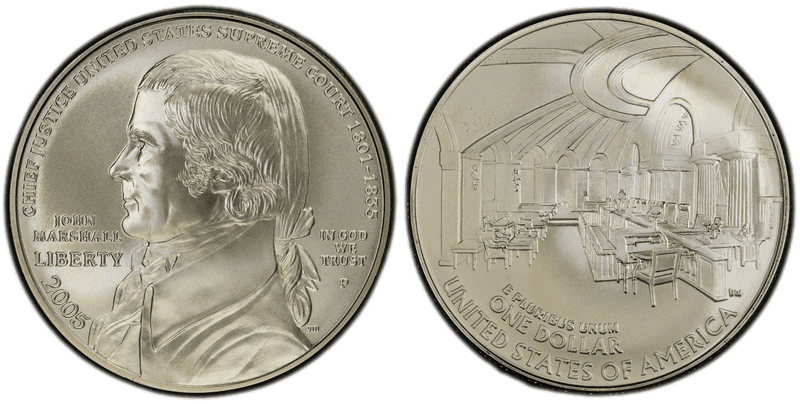
Congress authorized no new commemorative coins from 1954 to 1981. The program came back in 1982 with a George Washington half dollar, and the first silver dollar followed: a discus thrower dated 1983, released on December 15, 1982 to support the 1984 Los Angeles Olympics. Before it, the only American commemorative silver dollar had been the Lafayette dollar of 1900.
Every modern dollar exists because Congress passed a law for it. The law names the cause, sets the size and metal, caps how many coins may be made, and adds a surcharge to each sale, $10 per silver dollar in recent acts. Once the Mint has covered its costs, it pays the surcharges to the organization the law names: an Olympic committee, a museum, a memorial fund, a foundation.
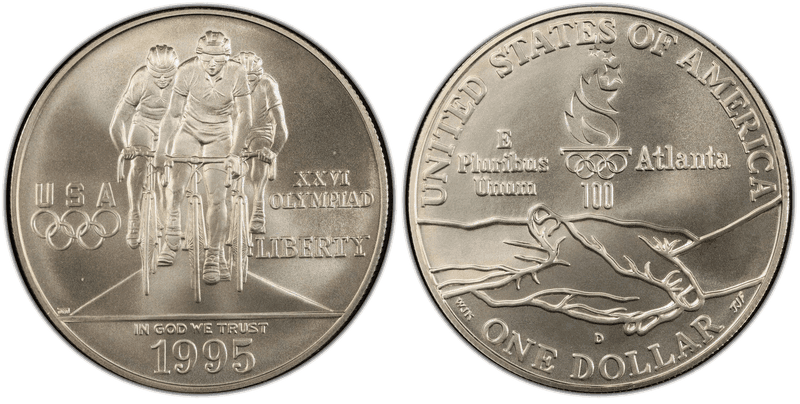
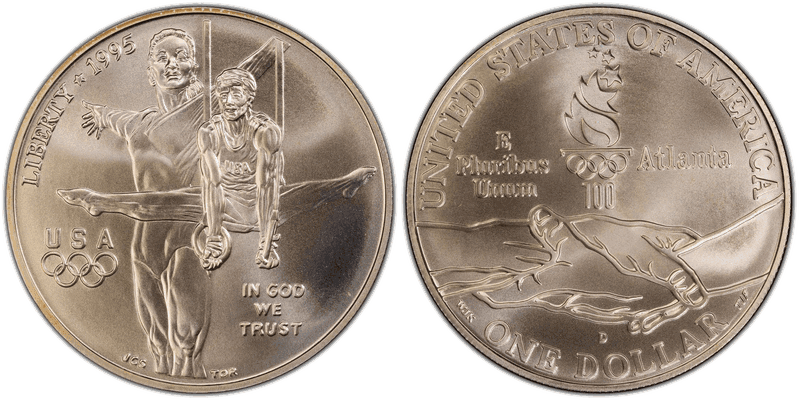
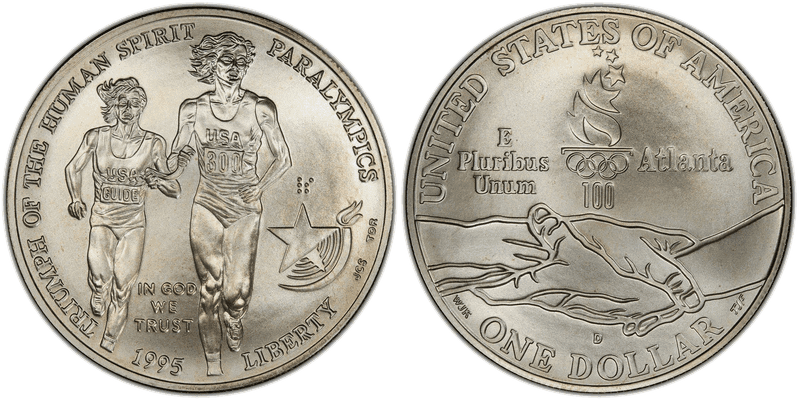
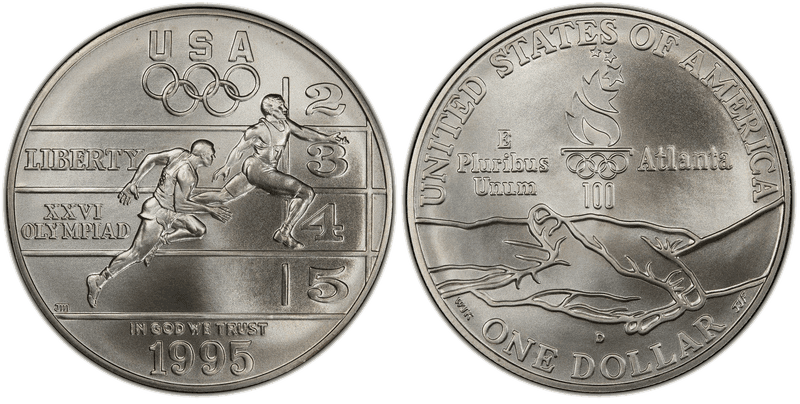
Through 1997 Congress authorized programs freely. Coins for six programs were struck in 1994, and the Atlanta Olympic series of 1995 and 1996 alone added eight dollars. The Commemorative Coin Reform Act of 1996 limited the Mint to two programs a year from 1998 and capped each program's mintage. Some years since have had a single program, and 2023 had none.
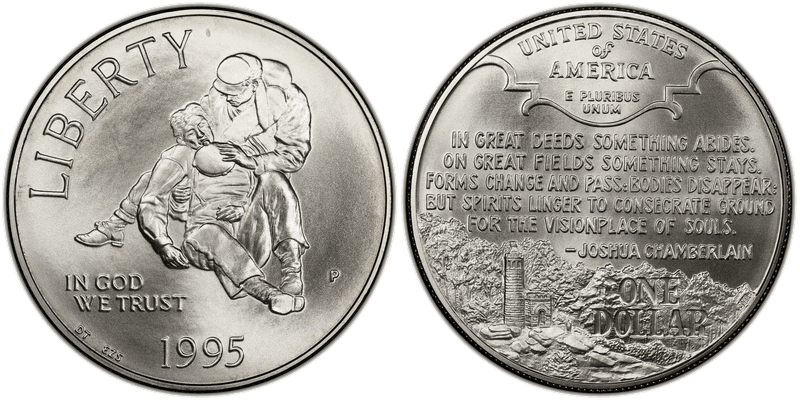
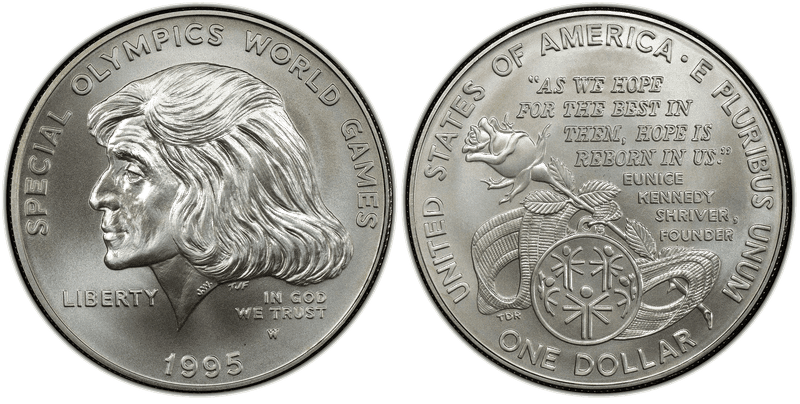
The Mint sells each dollar in proof and in uncirculated finish, singly and in sets, for the period the law allows. The figures given below are the Mint's own final sales by finish; catalogs and grading services sometimes print slightly different numbers, mostly from earlier sales reports. Where a design was struck at more than one mint, the mint mark tells the coins apart. Proof dollars of these programs were struck at Philadelphia, San Francisco or West Point, so the San Francisco rule for regular proof sets does not apply.