This Week on NumisDex

Every week we post new discoveries, one error type explained, and coins that are not in the books. Here is what we covered — look one up, then save it.

This week16–22 November 2026

Not Stalin, Two 1853 Large Cents, a 1923 Cent With Lathe Rings, the Confederacy's Coins, and Whose 2027 Designs Won

The real story behind the JS on your dime, a quick test for off-center strikes versus misaligned dies, rings left on a 1923 die by the lathe, why almost every Confederate coin is a restrike, and how the Mint split between two design panels for 2027.

  1. MondaySpecific History

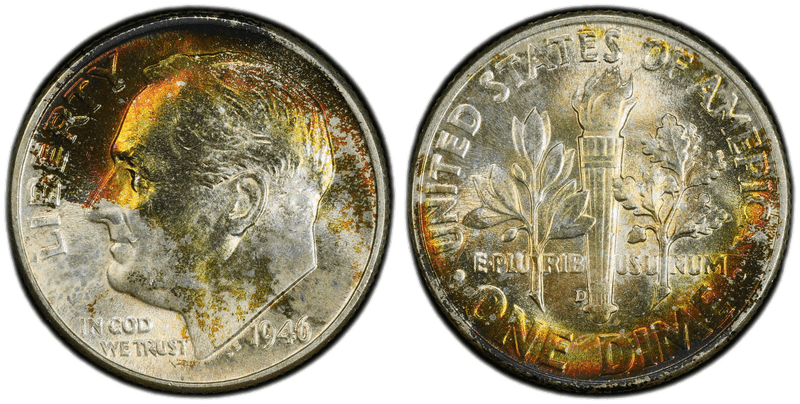
    The Roosevelt Dime's JS: Not Joseph Stalin

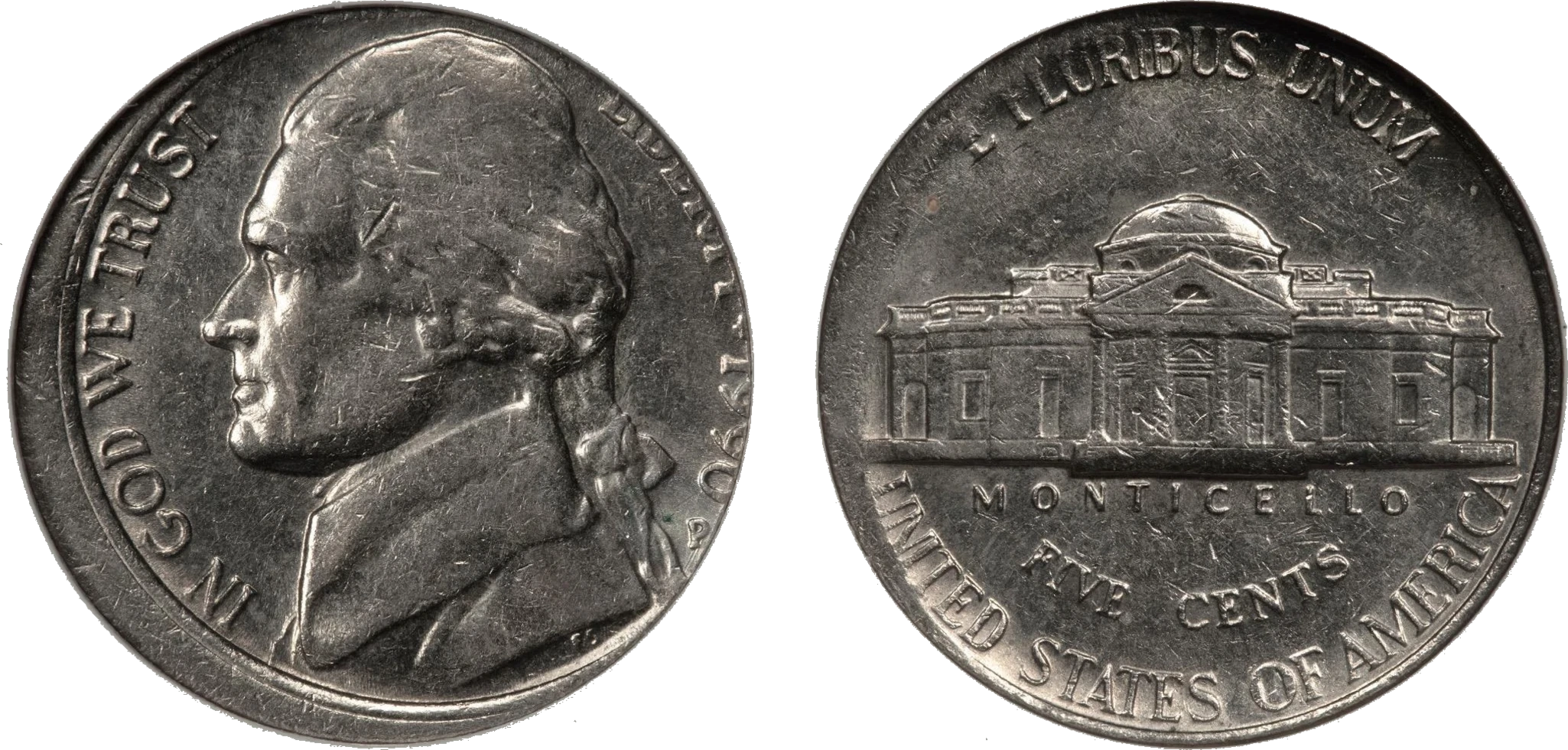
    Look under Roosevelt's neck on any dime and you'll find two small letters: JS. In 1946 a rumor said they stood for Joseph Stalin.

    Read the article →
  2. WednesdayError Education

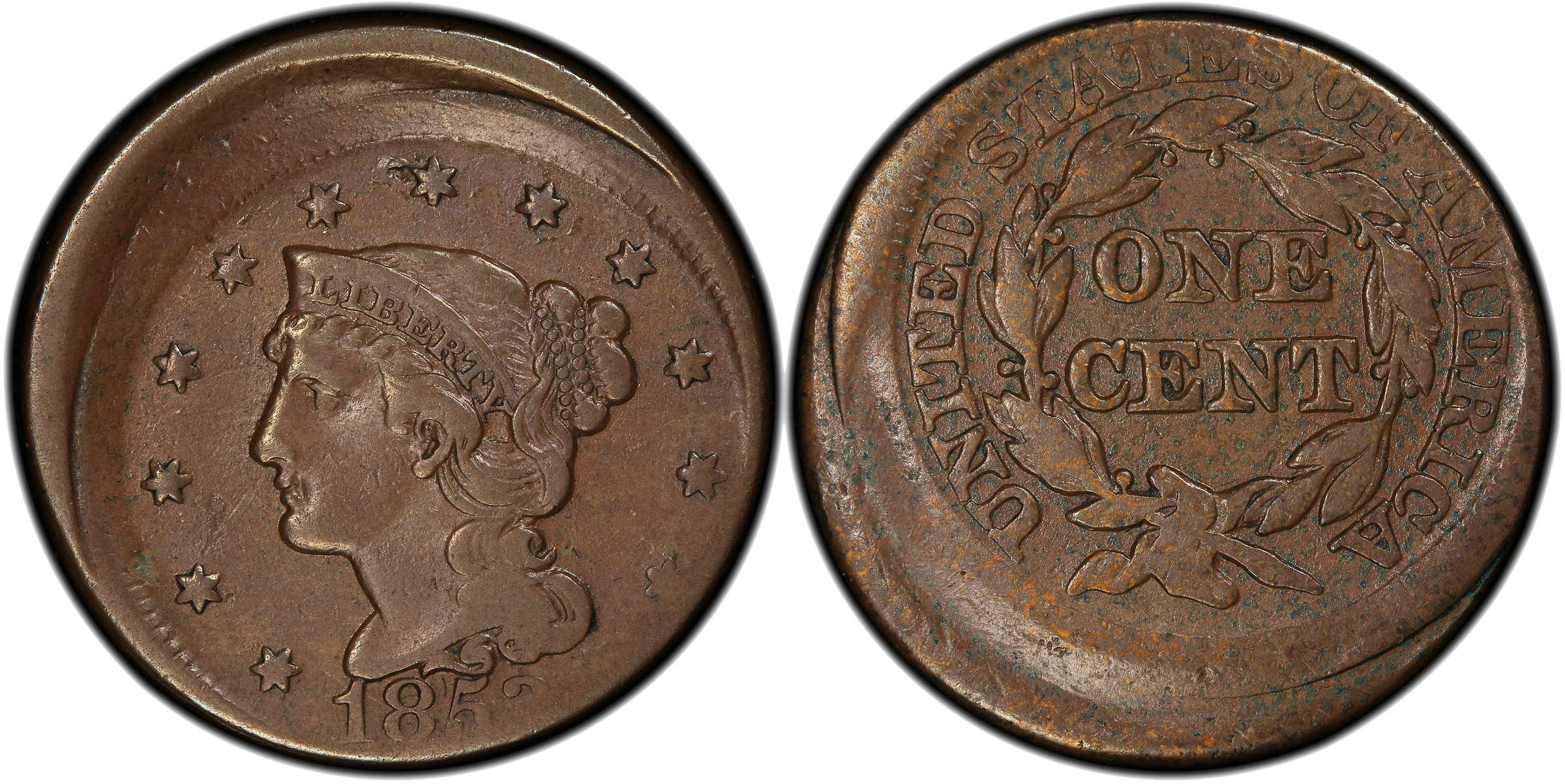
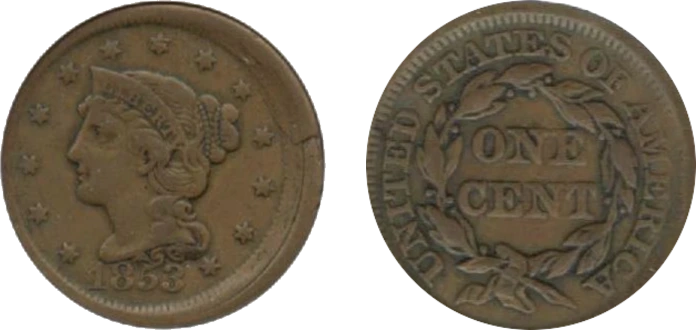
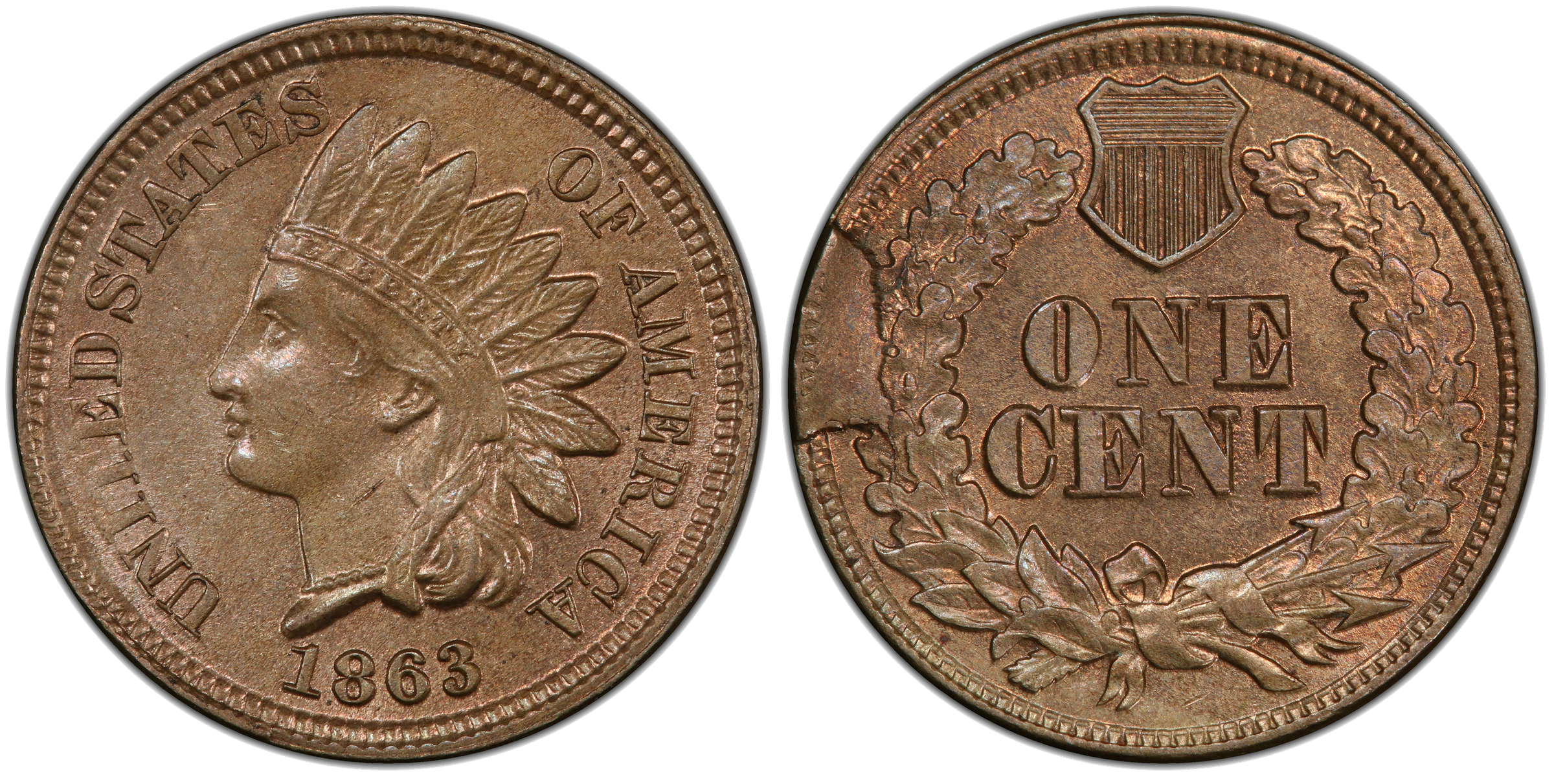
    Off Center or Misaligned Die? Two 1853 Large Cents

    These two 1853 large cents both look off center. Only one of them is.

    Read the article →
  3. ThursdayNot in the Books

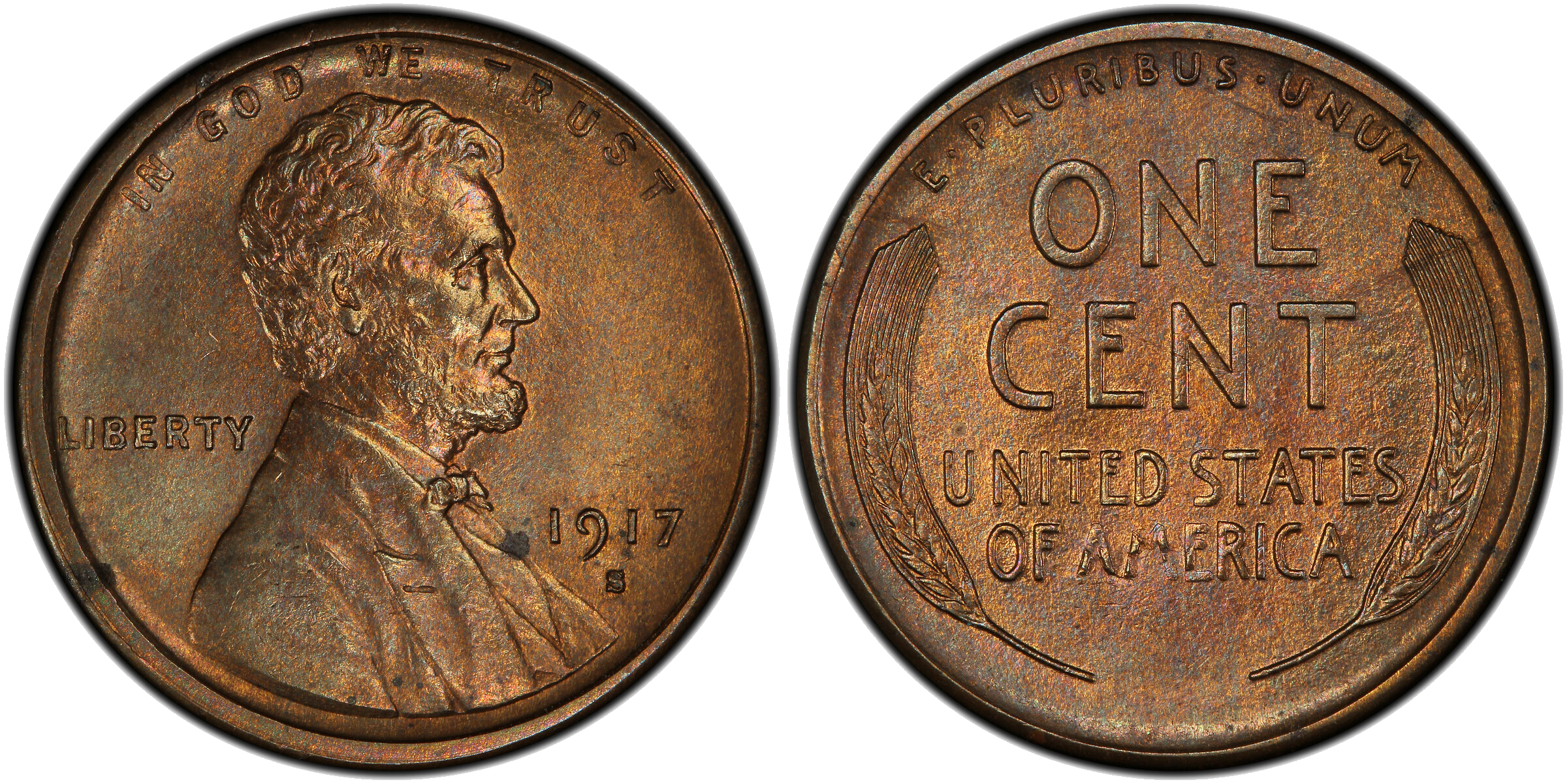
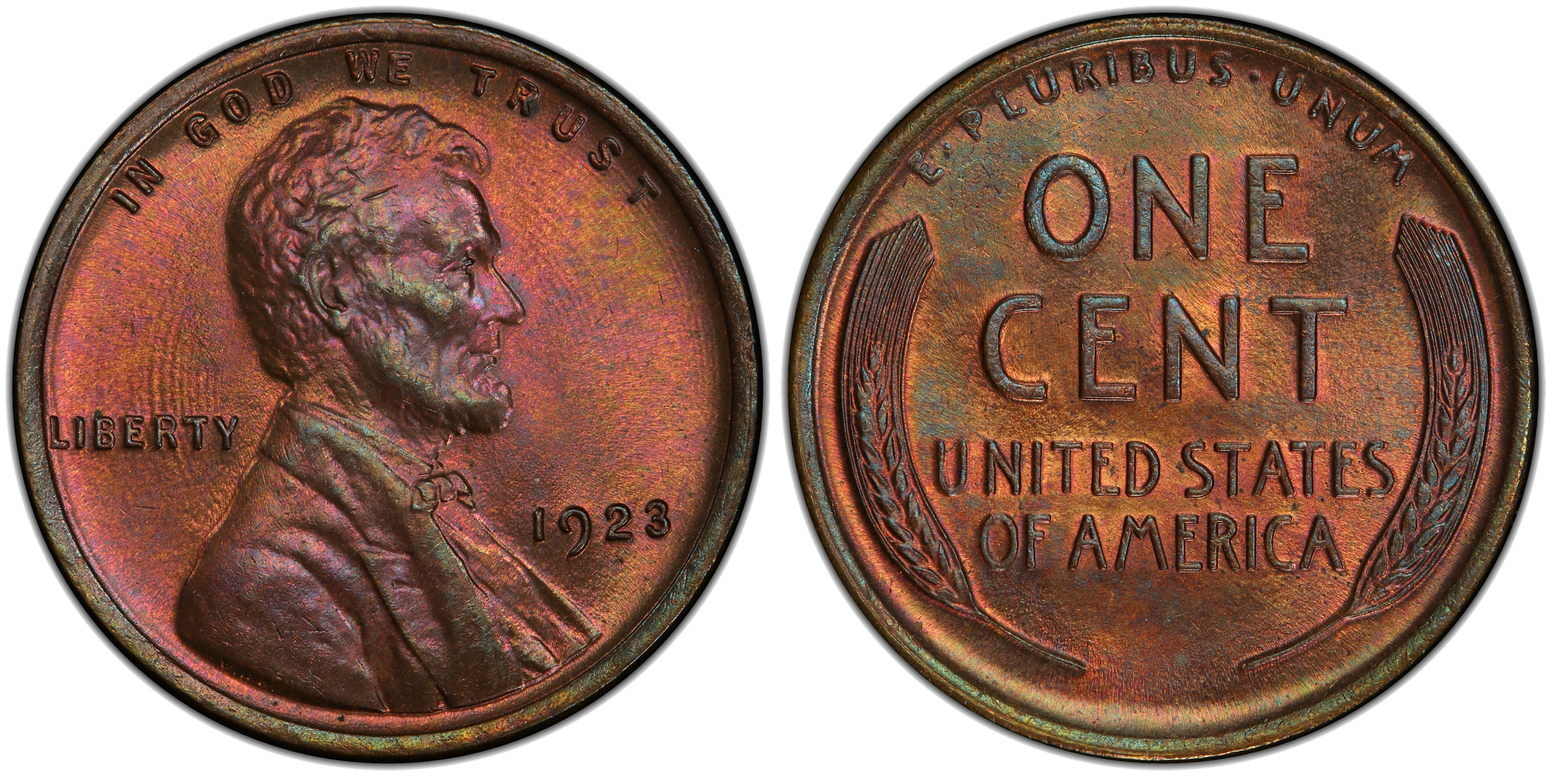
    1923 Lincoln Cent With Lathe Rings in the Obverse Field

    A 1923 wheat cent with fine concentric rings across the obverse field around Lincoln's head: lathe rings, left by the lathe that shaped the die's face and never fully polished off before the design was hubbed in. The die isn't listed in the references, so we catalogued it.

    See the listing →
  4. FridayPost

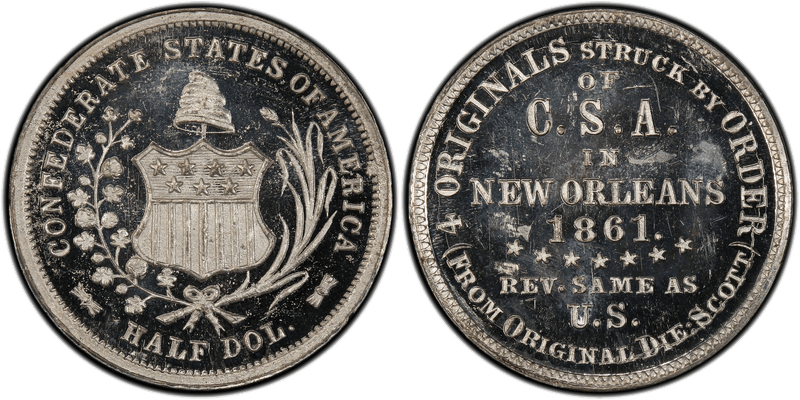
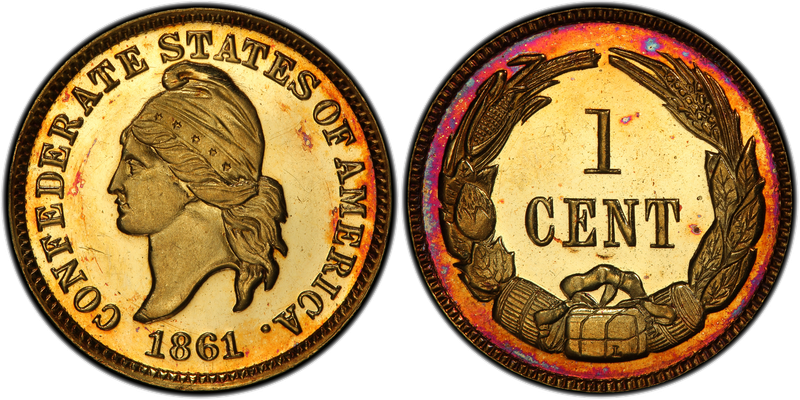
    Confederate Coins: Four Originals and a Lot of Restrikes

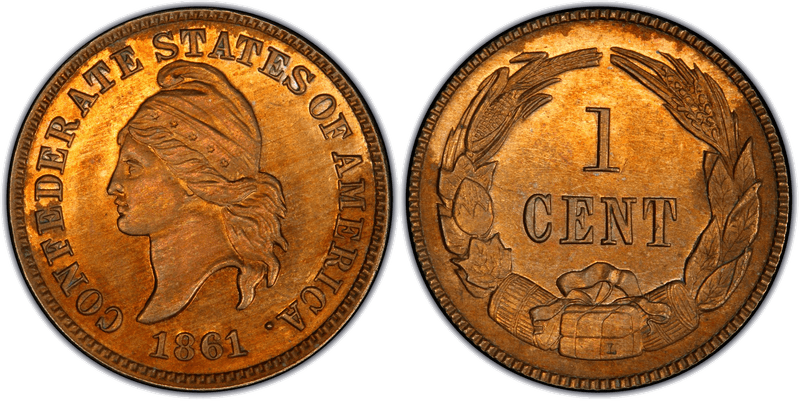
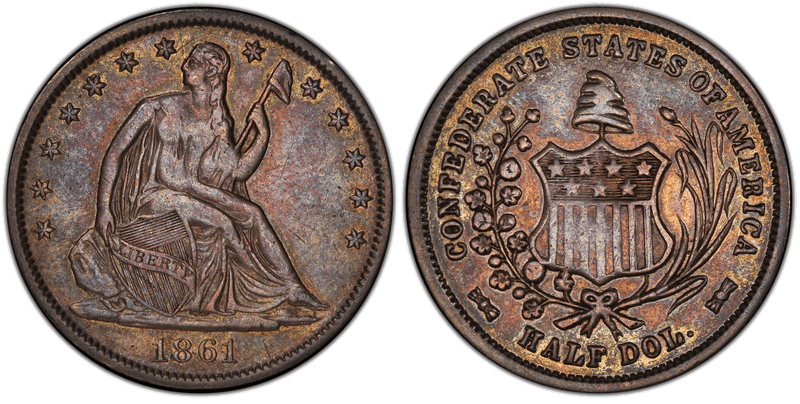
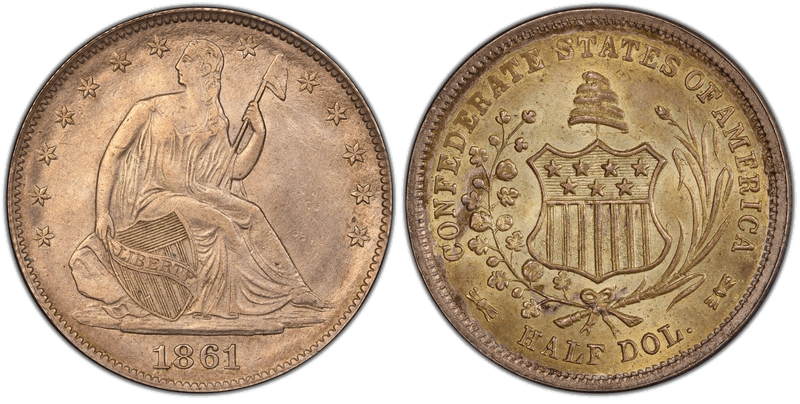
    In 1861 the Confederacy struck its own half dollar. Only four were made, and that's why almost every Confederate coin you'll see is something else.

    Read the article →
  5. SaturdayPost

    2027 Youth Sports Quarters: Whose Designs Did the Mint Pick?

    Two federal panels reviewed the 2027 Youth Sports quarters and the Paralympic half dollar and disagreed on six of the eight designs. Matching the Mint's finals to the candidates, the Mint went with the CCAC four times (Washington, golf, softball, wheelchair basketball), with the Commission of Fine Arts twice (Kennedy, soccer), and with both on baseball and snowboarding. The CFA also asked for "47" on the soccer player's jersey; the final design has no number.

    Read the article →

Coins from this week — look one up, then save it
Previously

Week 219–15 November 2026

The Coin That Lists Its Recipe, Peeling Pennies, a 1930-S Pre-Cud, 38 Days to the Kennedy Half, and the 2028 Innovation Dollars

A gold coin that spells out its own metal content, two wheat cents that show both ways a lamination ends, a crack that loops along a wheat stalk, how fast the Kennedy half came together (and the hairstyle the Mint changed), and four new dollar designs from a chile pepper to the buffalo.

  1. MondaySpecific History

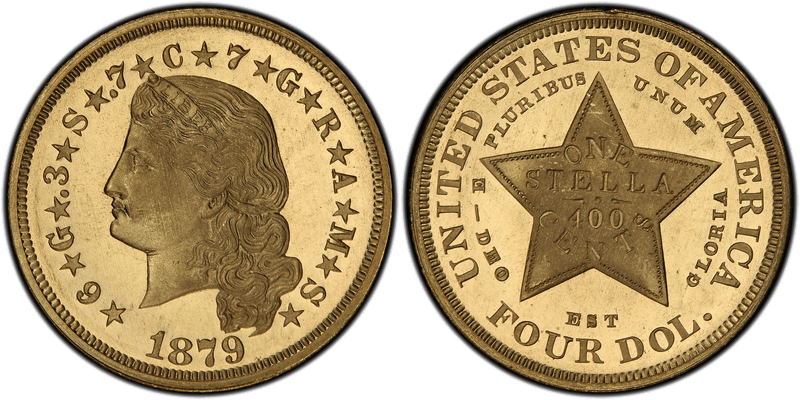
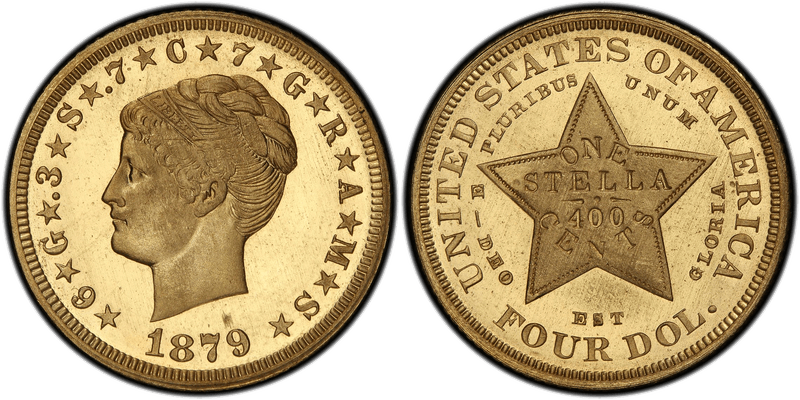
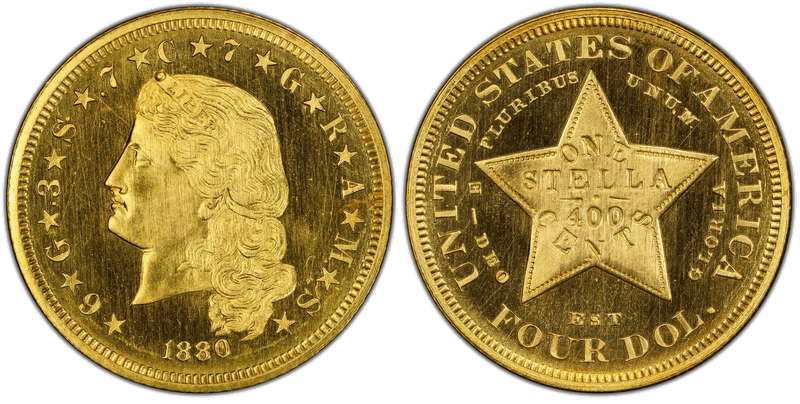
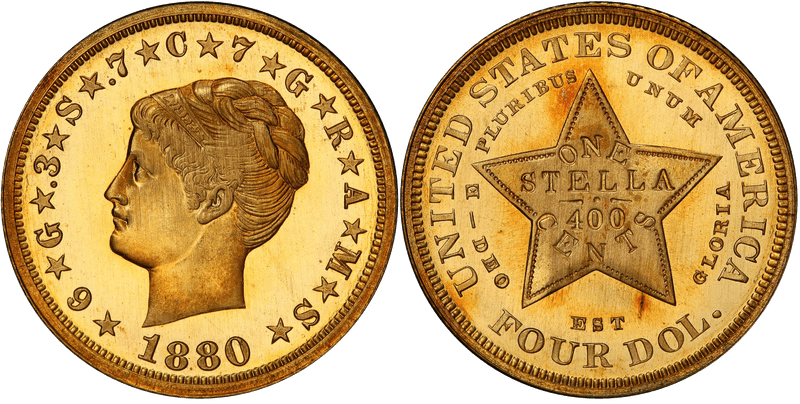
    The Stella: The $4 Gold Coin That Prints Its Own Recipe

    Most coins put a motto around Liberty. The Stella puts its ingredients there.

    Read the article →
  2. WednesdayError Education

    Laminations: Still Hanging On, or Already Gone

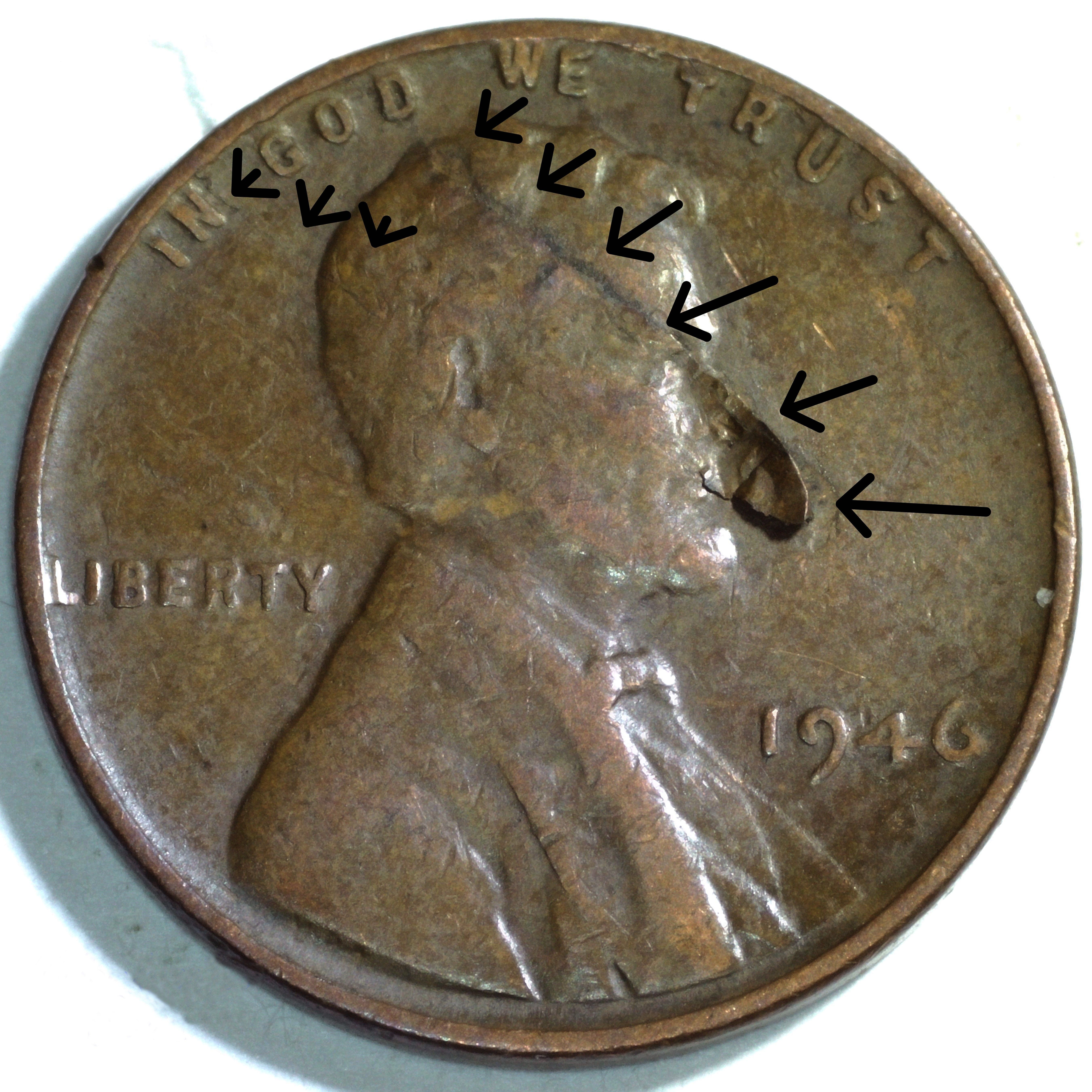
    A penny that's peeling usually sounds like damage. Sometimes the Mint did it.

    Read the article →
  3. ThursdayNot in the Books

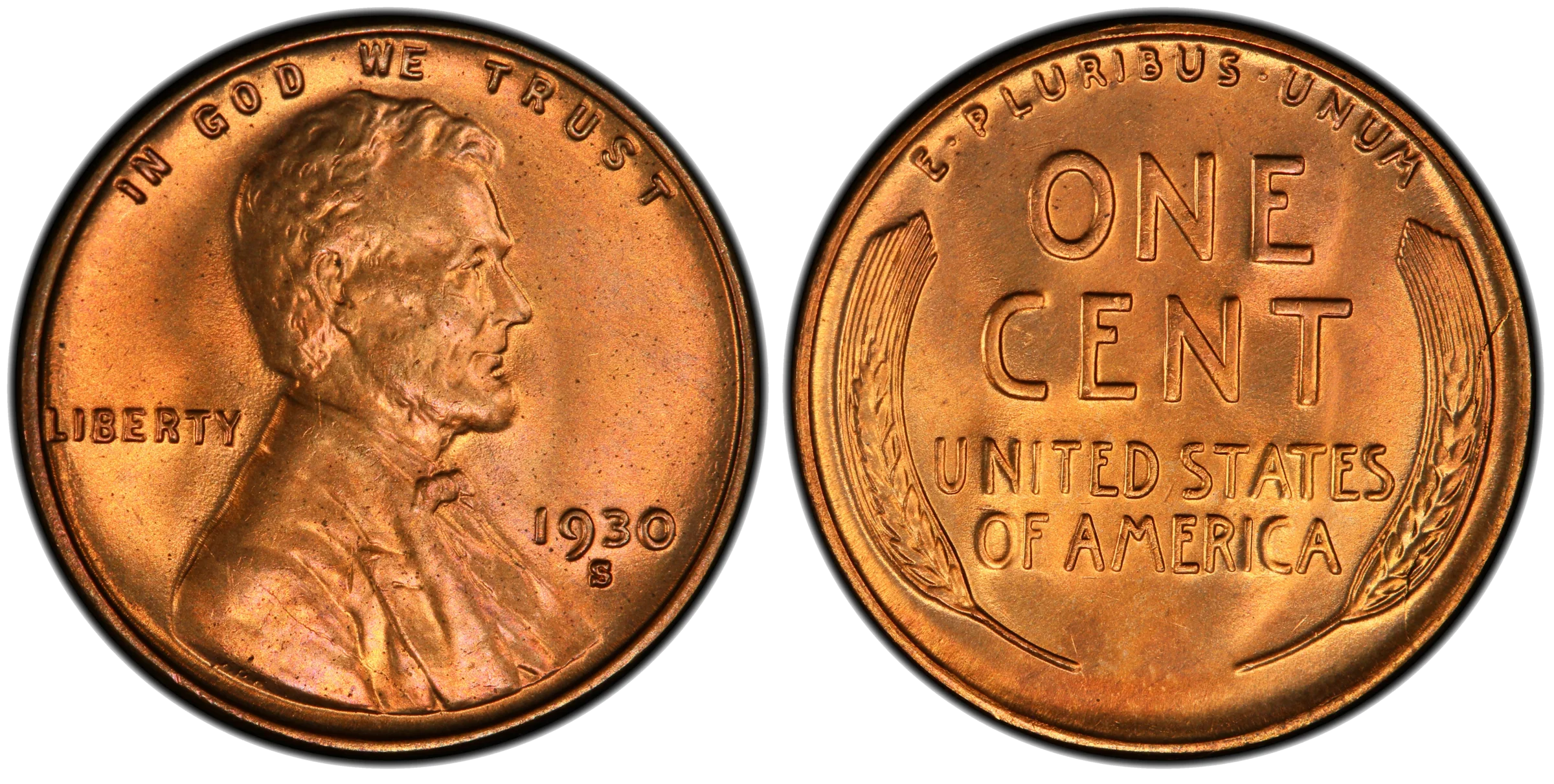
    1930-S Lincoln Cent: A Pre-Cud Along the Right Wheat Stalk

    A 1930-S wheat cent with a reverse pre-cud: a die crack leaves the rim at about 2:30 near the top of the right wheat stalk, runs down its outer edge and returns to the rim at about 4:30, with nothing broken away. It is a different die from Cuds on Coins PC-1c-1930S-03R, so we catalogued it.

    See the listing →
  4. FridayPost

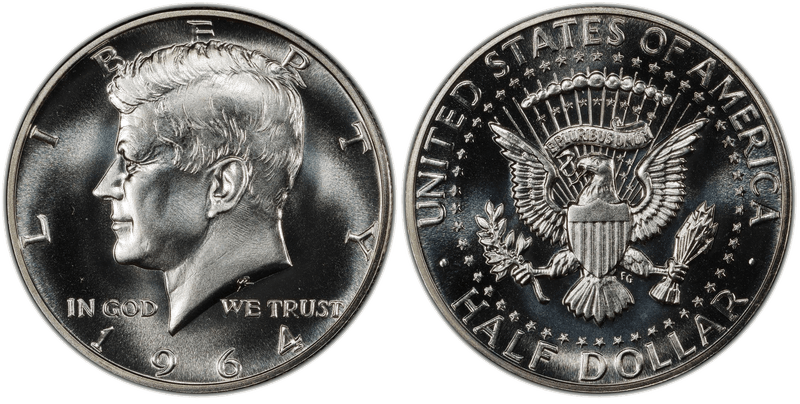
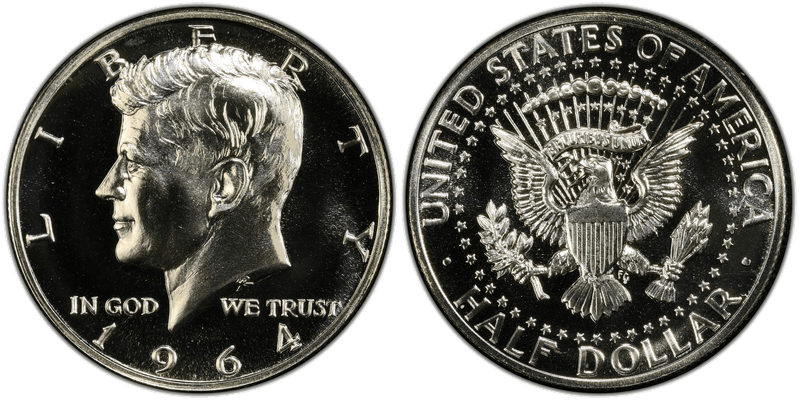
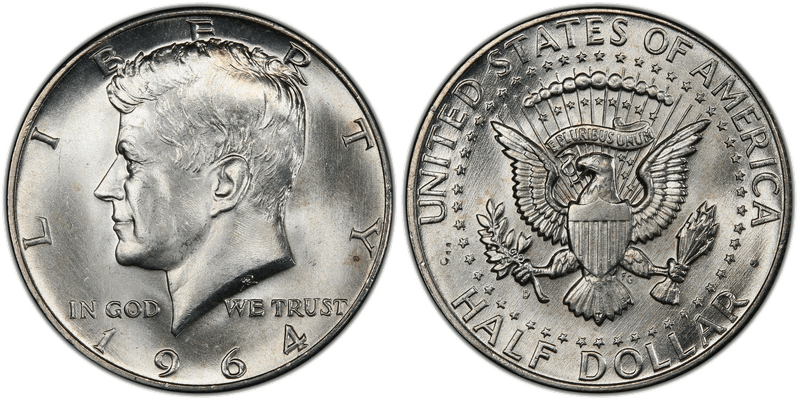
    The 1964 Kennedy Half: 38 Days, and the Accented Hair Proofs

    President John F. Kennedy was killed in Dallas on November 22, 1963. Thirty-eight days later, he was on the half dollar.

    Read the article →
  5. SaturdayPost

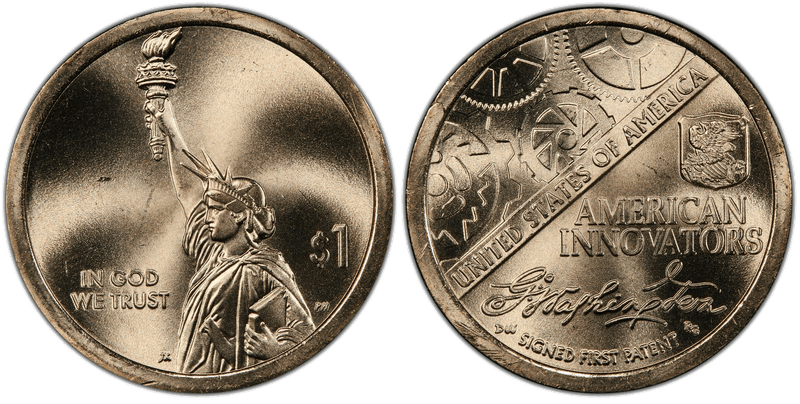
    The 2028 American Innovation Dollars: Chiles, Sprinklers, Drones and the Buffalo

    A chile pepper, a farm sprinkler, drones and a family that helped save the buffalo: those are the designs the Commission of Fine Arts recommended for the 2028 American Innovation dollars.

    Read the article →

Coins from this week — look one up, then save it

Week 202–8 November 2026

A Leaf Nobody Can Explain, Rim Cuds vs. Cuds, a Clash the Size of a Portrait, and Ike Goes to the Moon

The Wisconsin quarter's mystery leaf, how to tell a rim cud from a cud, a 1935 cent with Lincoln's whole portrait clashed into the back, and the dollar coin that carried the Moon landing.

  1. MondayPost

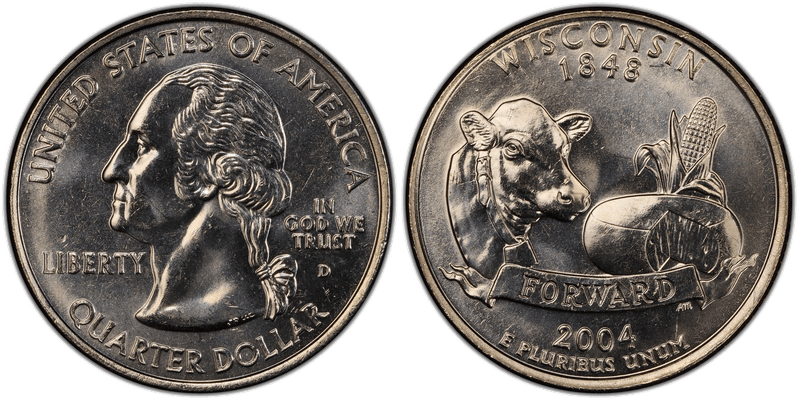
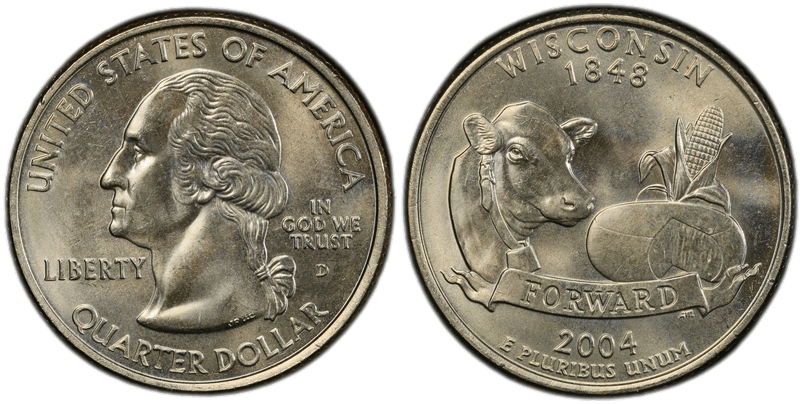
    The Wisconsin Quarter Nobody Can Explain

    Some 2004 Wisconsin quarters struck at the Denver Mint carry an extra leaf on the ear of corn. More than twenty years later, nobody can say for certain how it got there.

    Read the article →
  2. WednesdayError Education

    Rim Cud or Cud? Check Where It Stops

    A raised bump on the edge of a coin usually gets called a cud. Sometimes it is one. Often it's a rim cud, which is a different break with a different cause, and one question tells them apart: where does the bump stop?

    Read the article →
  3. ThursdayNot in the Books

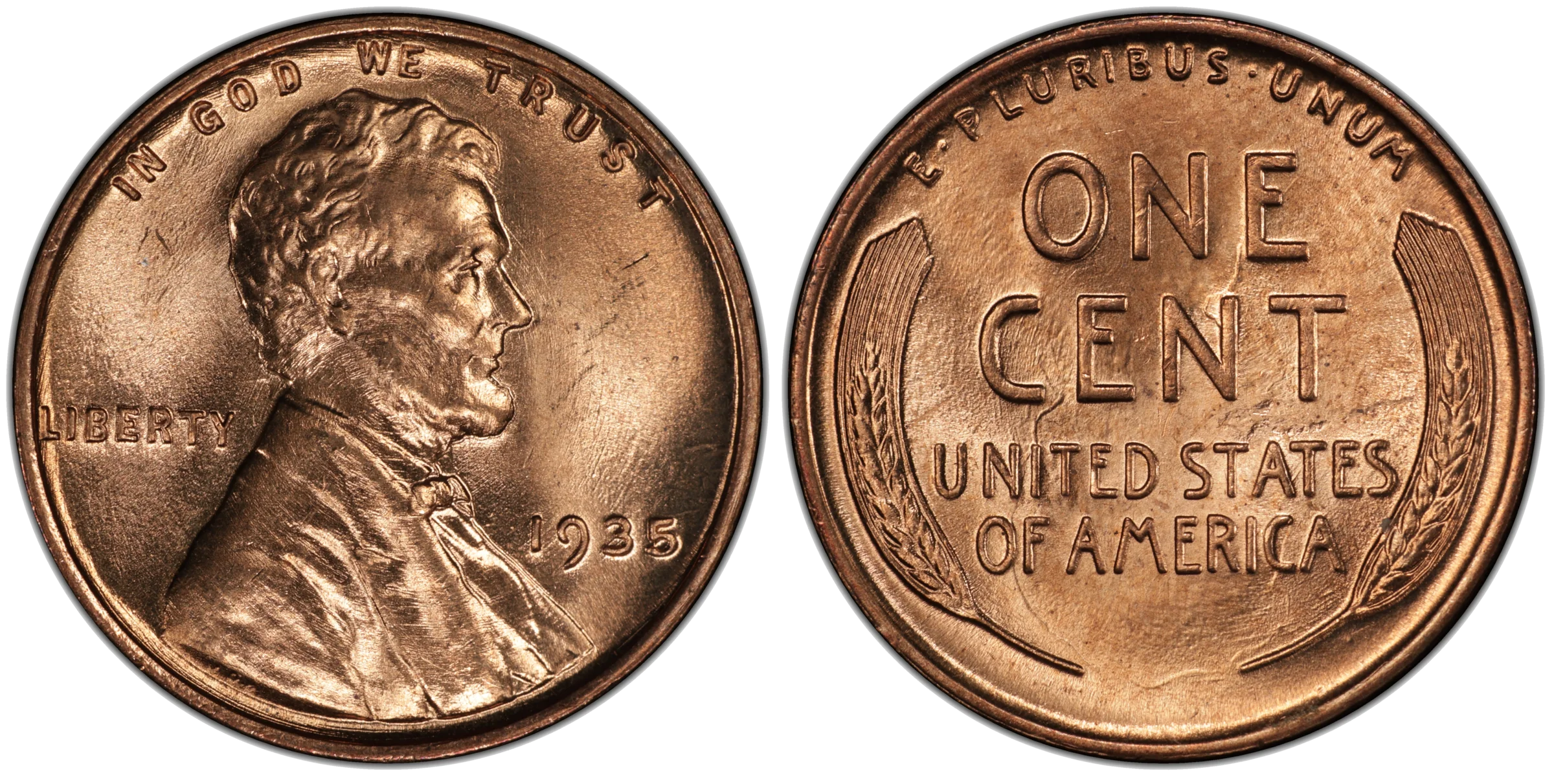
    1935 Lincoln Cent: Nearly the Whole Profile Clashed on the Reverse

    A 1935 wheat cent with Lincoln's head and profile clashed upside down on the reverse, from CENT down past OF, across the bottom of the field and back up past AMERICA to STATES, with only the bottom of the bust missing. It matches neither of the 1935 die pairs Wexler lists with reverse clash marks, so we catalogued it.

    See the listing →
  4. FridayPost

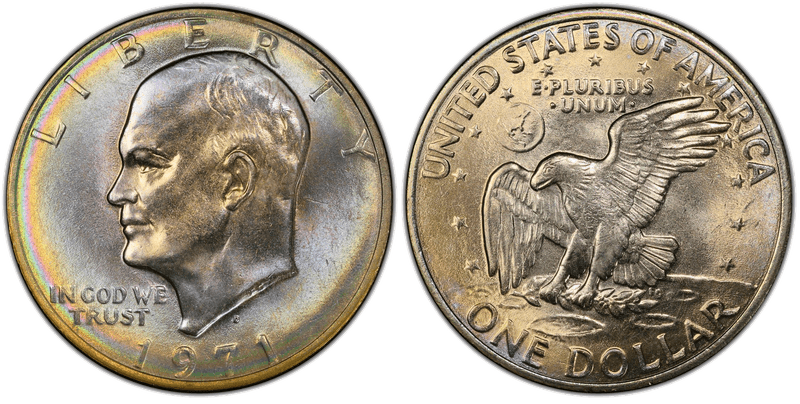
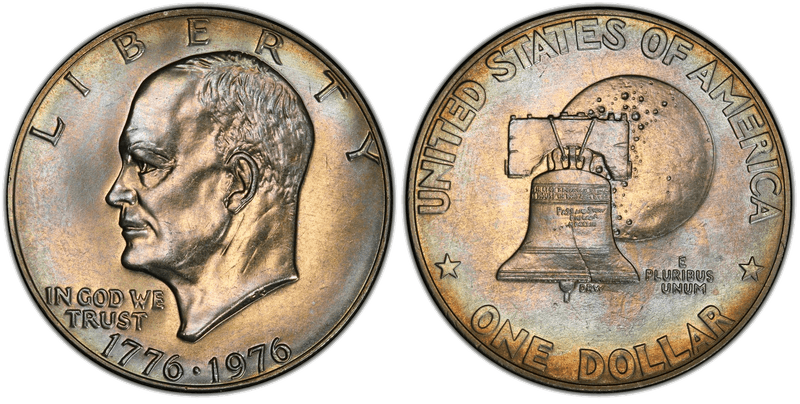
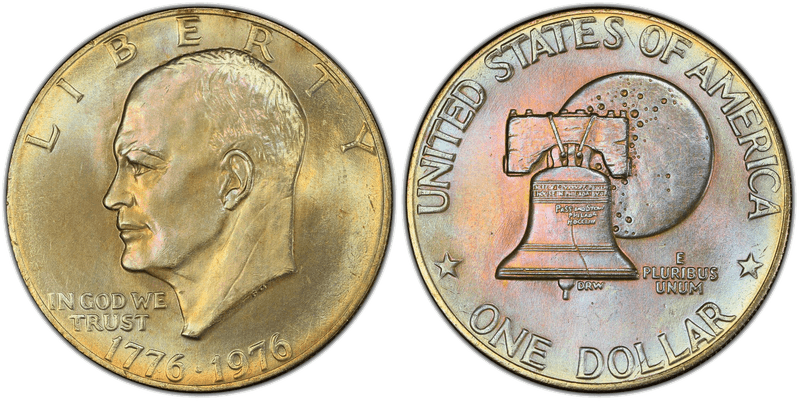
    The Eisenhower Dollar: The Moon, the Liberty Bell, and Type 1 vs Type 2

    The Eisenhower dollar was the last big dollar coin the United States made for circulation, and in eight years it wore two different backs.

    Read the article →
  5. SaturdayPost

    The Freedom 250 Race Medal: How Roger Penske Ended Up on a Mint Medal

    The U.S. Mint marked IndyCar's first race in Washington, D.C. with a national medal, and put a living person on the back. The Mint's own citizen advisers didn't recommend that side. Here is how it got made.

    Read the article →

Coins from this week — look one up, then save it

Week 1926 October – 1 November 2026

The Dime That Isn't Mercury, Coins Struck by Coins, a King's Dollar, and the Buffalo With No Date

The "Mercury" dime that was never Mercury, the mirror-image brockage, Hawaii's own silver dollar, and what to do with a Buffalo nickel whose date wore off.

  1. MondayPost

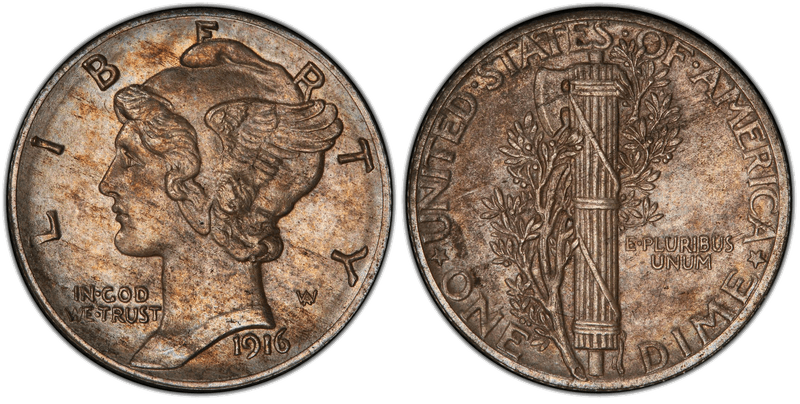
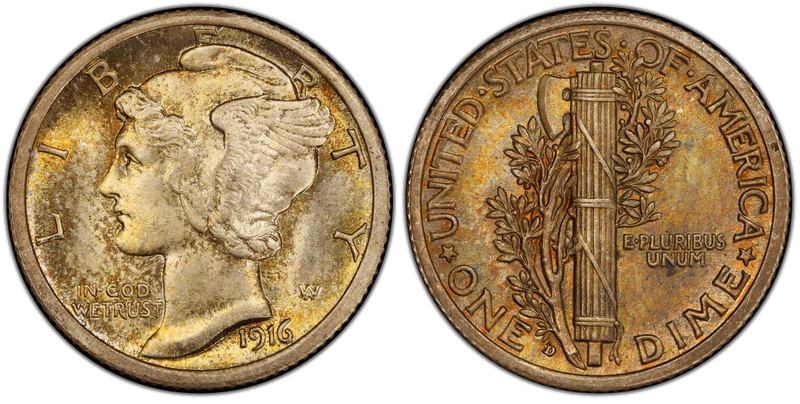
    The Mercury Dime Isn't Mercury

    Millions of Americans have called it the Mercury dime for more than a century. The coin's designer never meant it to show Mercury at all.

    Read the article →
  2. WednesdayError Education

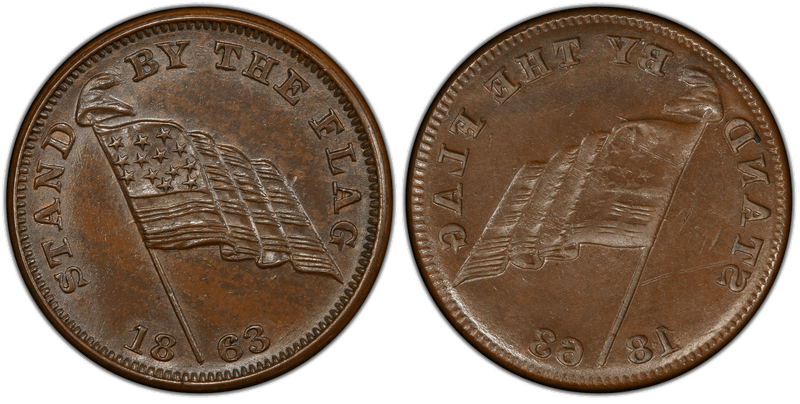
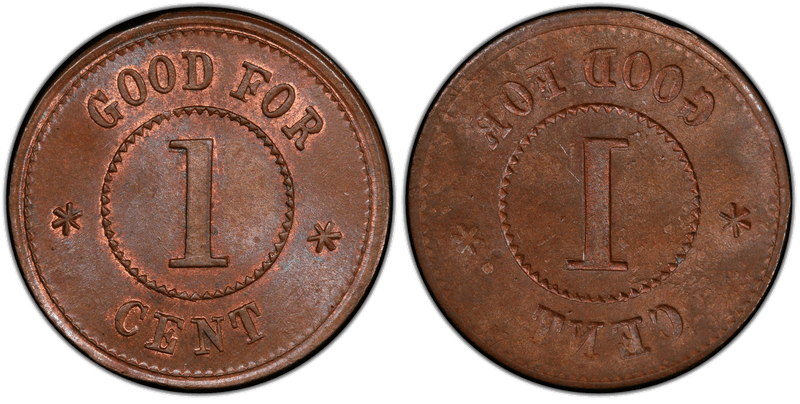
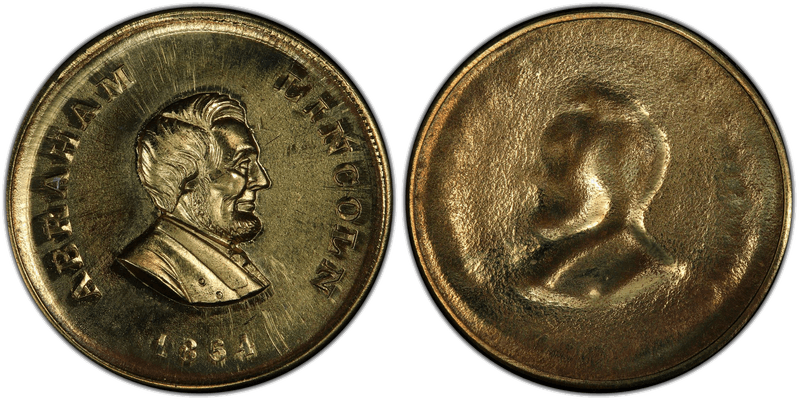
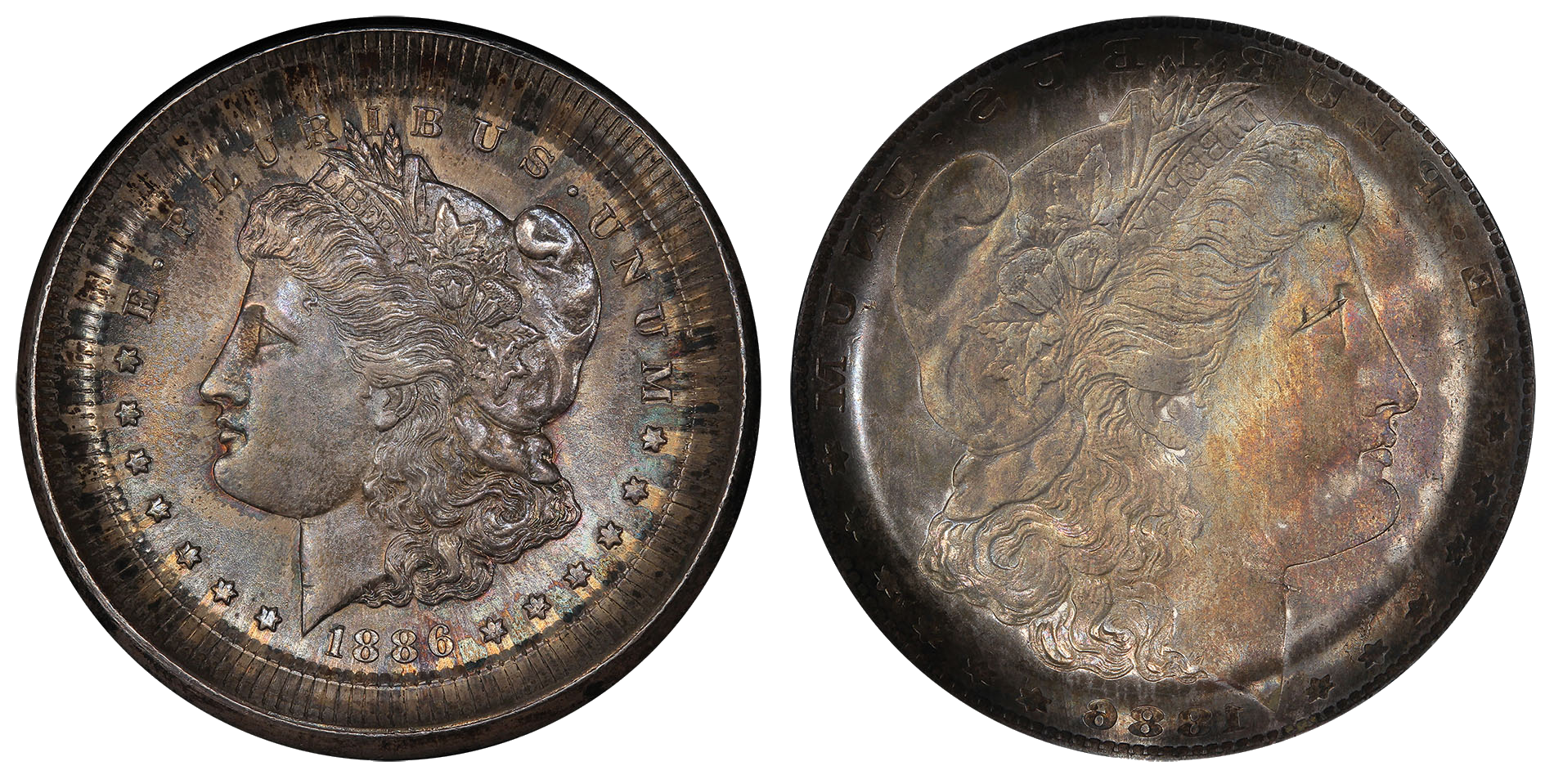
    Brockages: Why One Side Is Sunk In and Backwards

    This Civil War token reads STAND BY THE FLAG. Turn it over and the same design is there again, but pressed into the metal and backwards. It's a brockage, and it's one of the easiest errors to understand once you've seen a clear one.

    Read the article →
  3. FridayPost

    Hawaii Had Its Own Silver Dollar

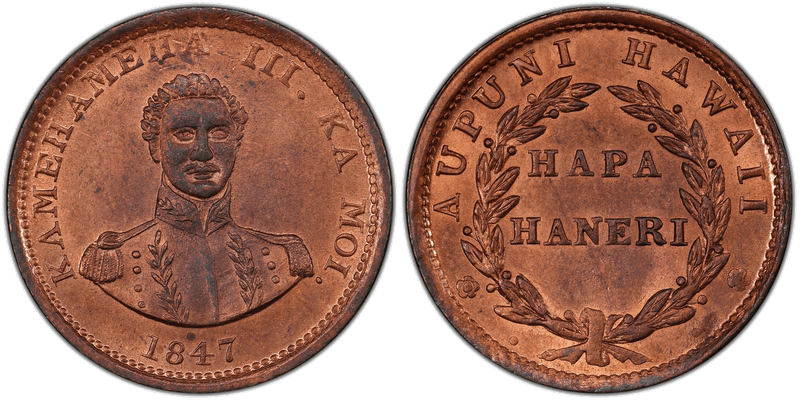
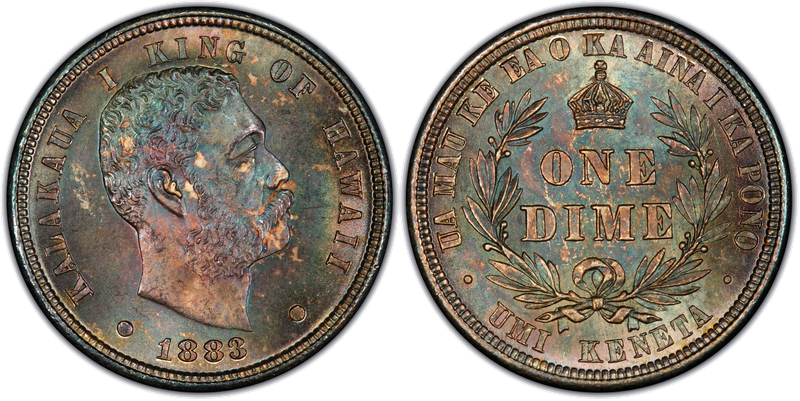
    Before it was a state, before it was even a U.S. territory, Hawaii was a kingdom with coins of its own. The best known of them, King Kalākaua's 1883 silver, were designed by the U.S. Mint's chief engraver and struck in San Francisco.

    Read the article →
  4. SaturdayKnown Non-Error

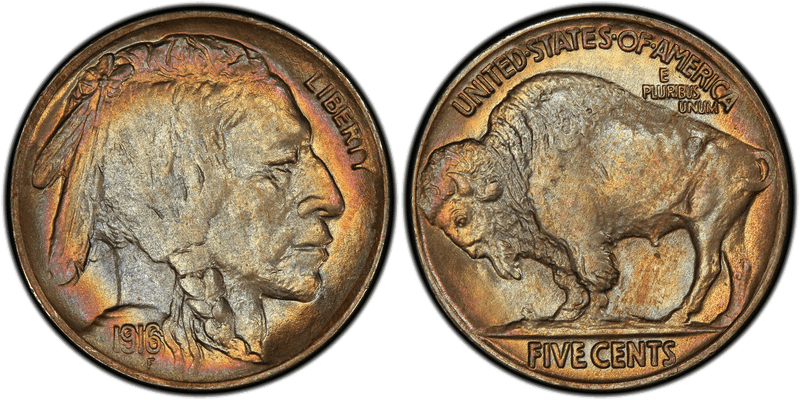
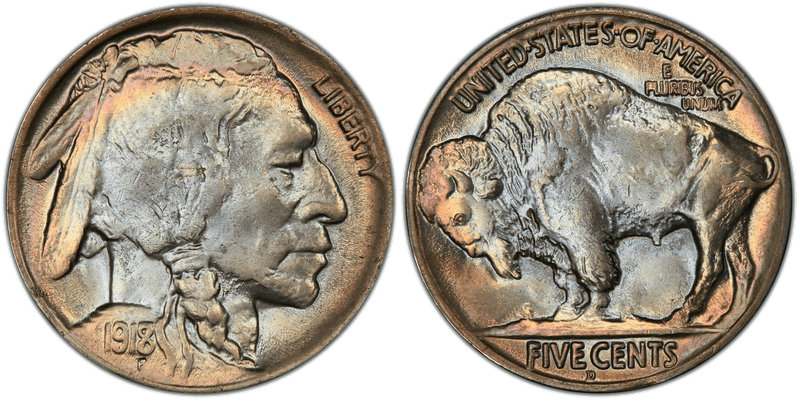
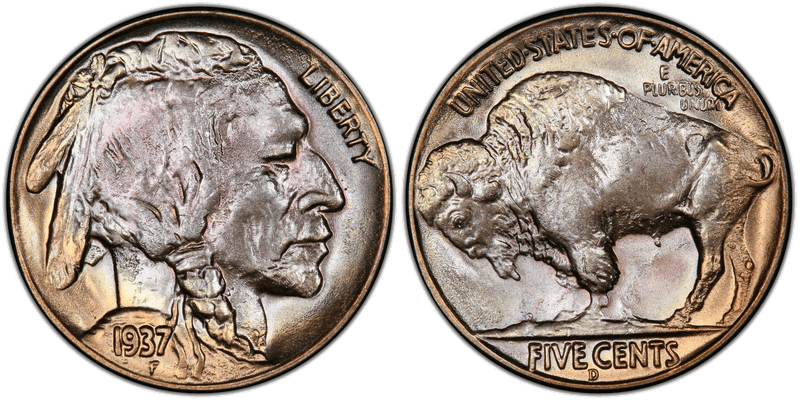
    No Date on Your Buffalo Nickel? Read the Coin Before You Reach for Acid

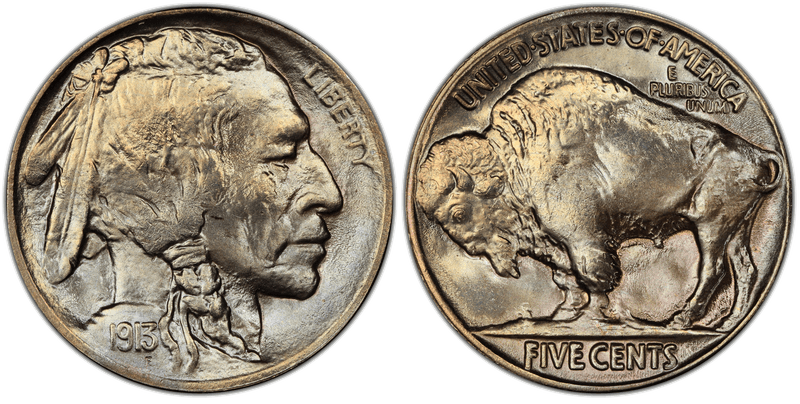
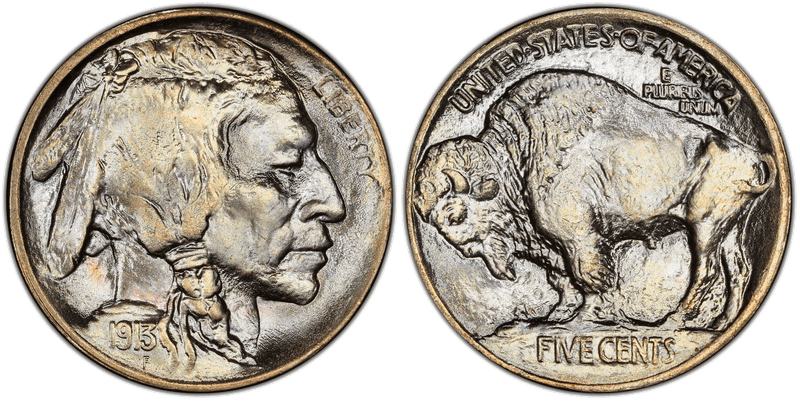
    A Buffalo nickel with no date isn't an error, and it isn't rare. Millions of them lost their dates in circulation. The good news is that the year is often still there to be read, if you know where to look, and acid is only one way to find it.

    Read the article →

Coins from this week — look one up, then save it