American Silver Eagles 1986 to Date

Coin Series
American Silver Eagles 1986 to Date series coin

About This Series

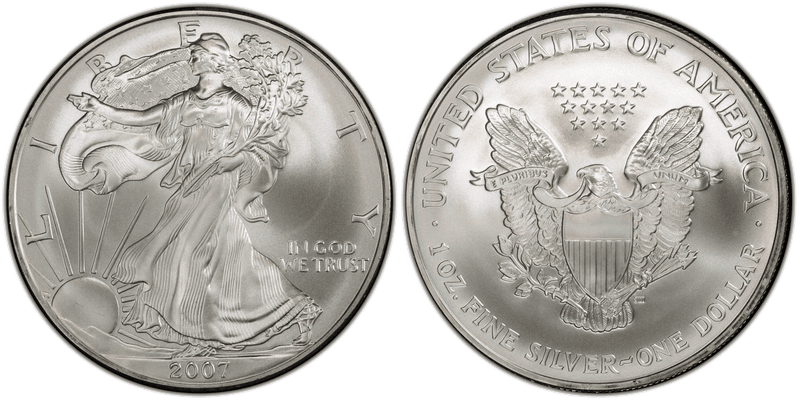
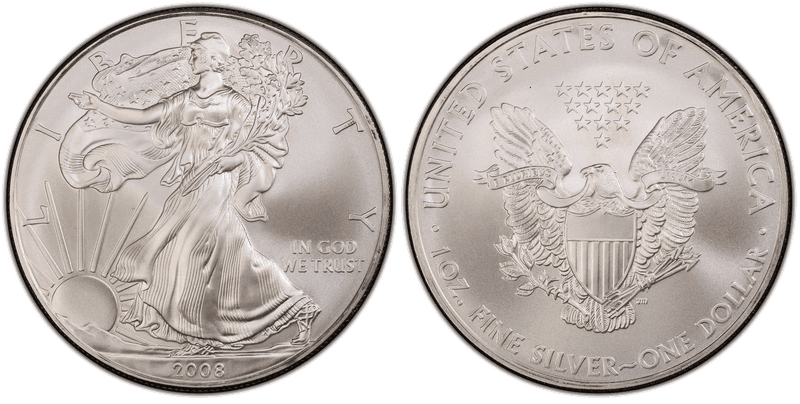
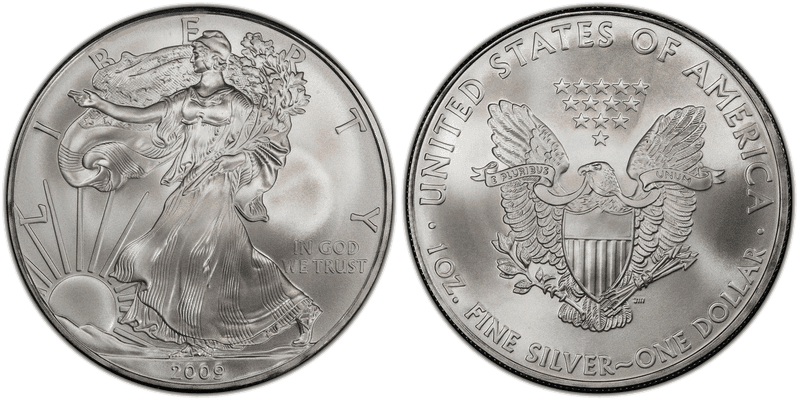
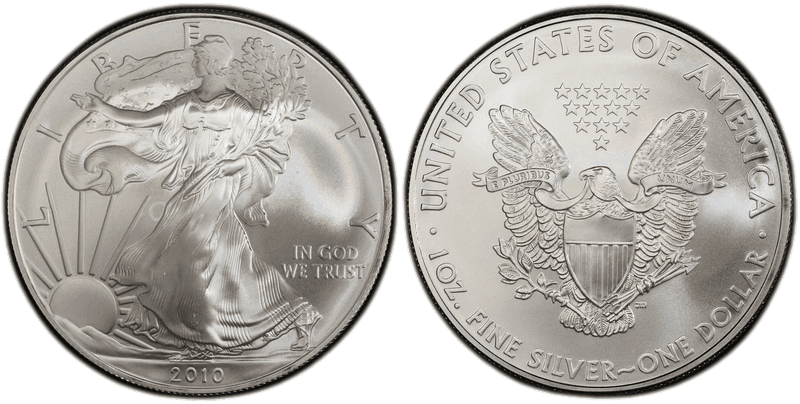
Authorized by the Liberty Coin Act of 1985, the American Silver Eagle is the official silver bullion coin of the United States. The obverse revives Adolph Weinman's Walking Liberty from the 1916-1947 half dollar. John Mercanti's heraldic eagle reverse served 1986-2021, when Emily Damstra's Type 2 eagle-landing design replaced it, creating a clear collecting division. Each coin contains one troy ounce of .999 fine silver (31.103 grams) at 40.6 mm with a $1 face value. The Mint produces proofs, burnished uncirculated, reverse proofs, and enhanced uncirculated versions. The 1995-W proof was sold only in the 10th Anniversary set, of which 30,125 were sold. In April 2020 the Philadelphia Mint struck 240,000 bullion coins during the COVID-19 disruptions; they carry no mint mark and are physically identical to the West Point coins, and grading services certify them separately as Emergency Issues.

From NumisDex News

Browse by Base(41 bases)

1986 American Silver Eagle
BaseVerified

1986 American Silver Eagle

2 Strike Types
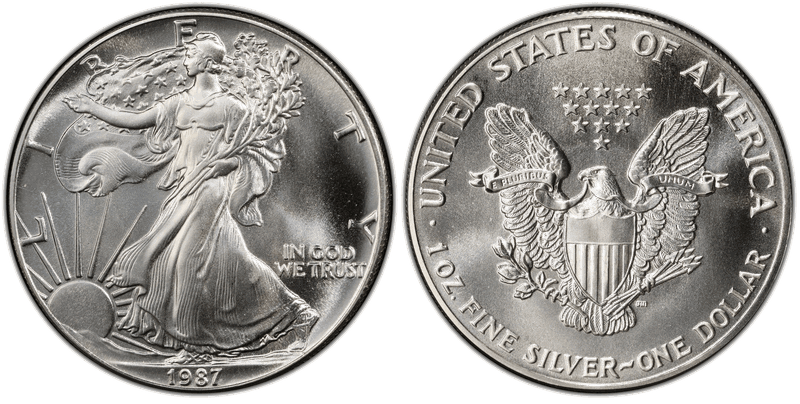
1987 American Silver Eagle
BaseVerified

1987 American Silver Eagle

2 Strike Types
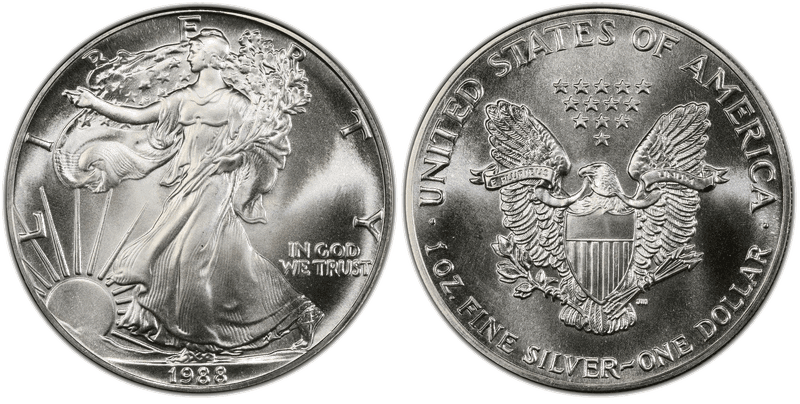
1988 American Silver Eagle
BaseVerified

1988 American Silver Eagle

2 Strike Types
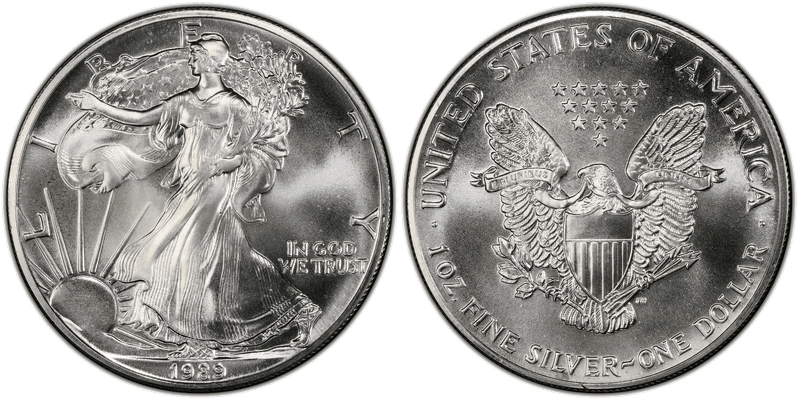
1989 American Silver Eagle
BaseVerified

1989 American Silver Eagle

2 Strike Types
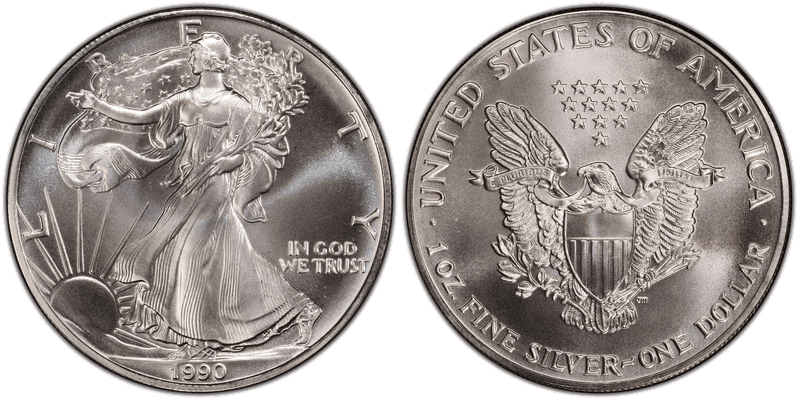
1990 American Silver Eagle
BaseVerified

1990 American Silver Eagle

2 Strike Types
1 Error Listing
1991 American Silver Eagle
BaseVerified

1991 American Silver Eagle

2 Strike Types
1992 American Silver Eagle
BaseVerified

1992 American Silver Eagle

2 Strike Types
1993 American Silver Eagle
BaseVerified

1993 American Silver Eagle

2 Strike Types
1994 American Silver Eagle
BaseVerified

1994 American Silver Eagle

2 Strike Types
1995 American Silver Eagle
BaseVerified

1995 American Silver Eagle

3 Strike Types
1996 American Silver Eagle
BaseVerified

1996 American Silver Eagle

3 Strike Types
1997 American Silver Eagle
BaseVerified

1997 American Silver Eagle

2 Strike Types
1998 American Silver Eagle
BaseVerified

1998 American Silver Eagle

2 Strike Types
1999 American Silver Eagle
BaseVerified

1999 American Silver Eagle

2 Strike Types
2000 American Silver Eagle
BaseVerified

2000 American Silver Eagle

2 Strike Types
2001 American Silver Eagle
BaseVerified

2001 American Silver Eagle

2 Strike Types
2002 American Silver Eagle
BaseVerified

2002 American Silver Eagle

2 Strike Types
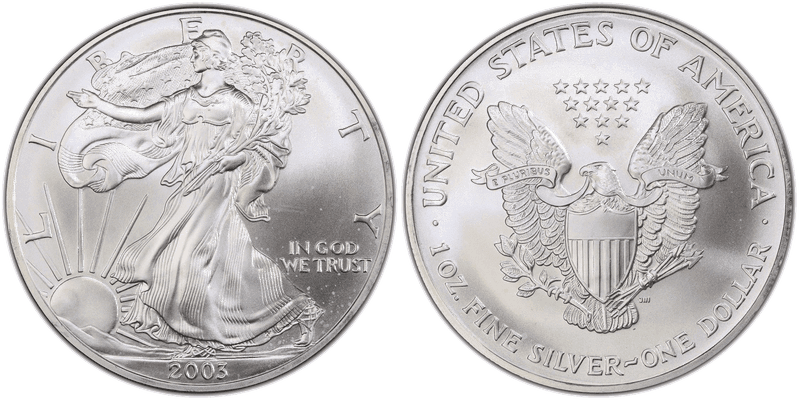
2003 American Silver Eagle
BaseVerified

2003 American Silver Eagle

2 Strike Types
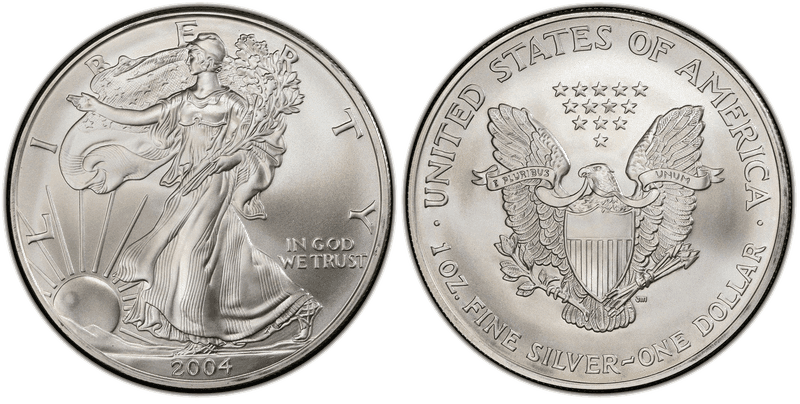
2004 American Silver Eagle
BaseVerified

2004 American Silver Eagle

2 Strike Types
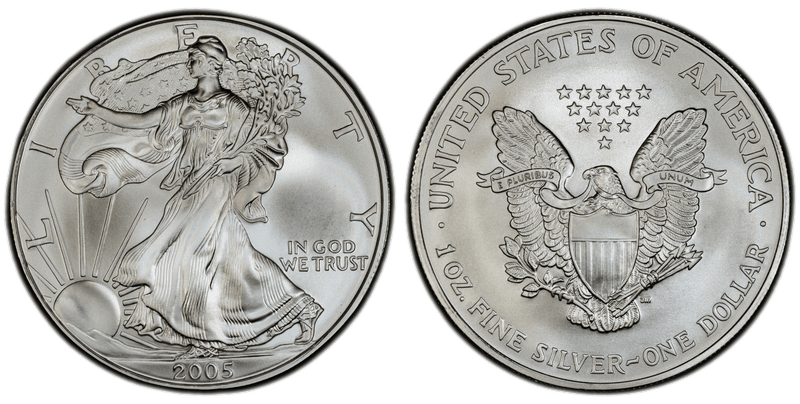
2005 American Silver Eagle
BaseVerified

2005 American Silver Eagle

2 Strike Types
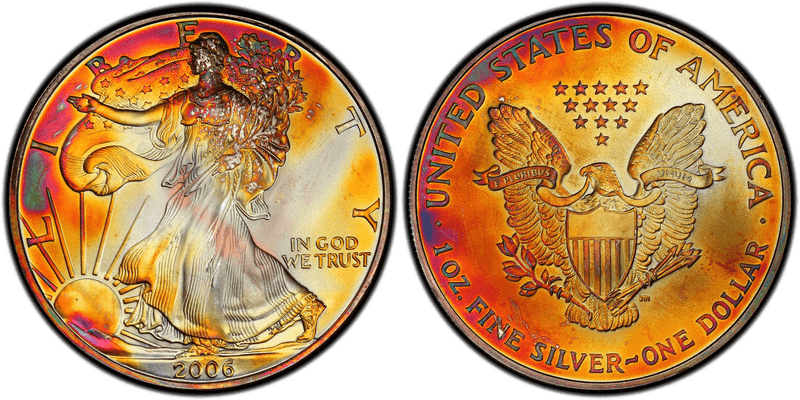
2006 American Silver Eagle
BaseVerified

2006 American Silver Eagle

4 Strike Types
2007 American Silver Eagle
BaseVerified

2007 American Silver Eagle

3 Strike Types
2008 American Silver Eagle
BaseVerified

2008 American Silver Eagle

4 Strike Types
1 Error Listing
2009 American Silver Eagle
BaseVerified

2009 American Silver Eagle

1 Strike Type
2010 American Silver Eagle
BaseVerified

2010 American Silver Eagle

2 Strike Types
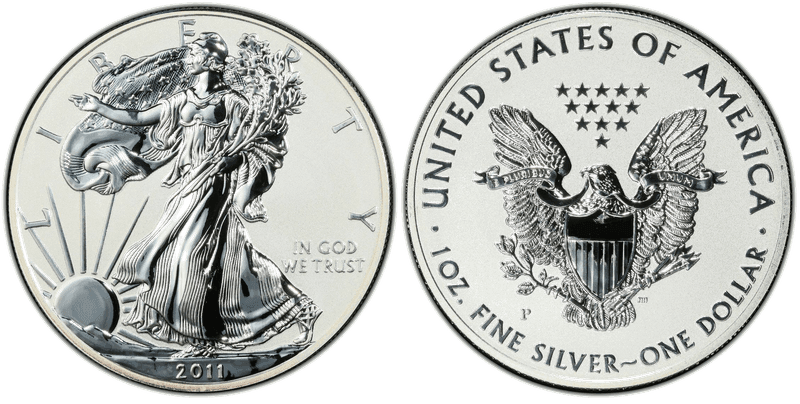
2011 American Silver Eagle
BaseVerified

2011 American Silver Eagle

6 Strike Types
1 Error Listing
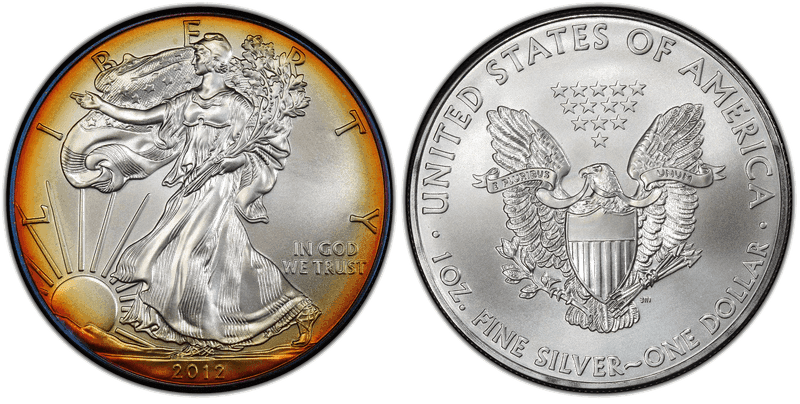
2012 American Silver Eagle
BaseVerified

2012 American Silver Eagle

5 Strike Types
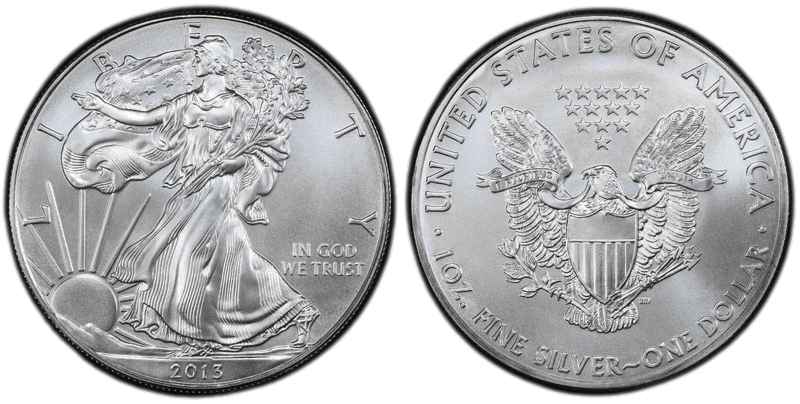
2013 American Silver Eagle
BaseVerified

2013 American Silver Eagle

5 Strike Types
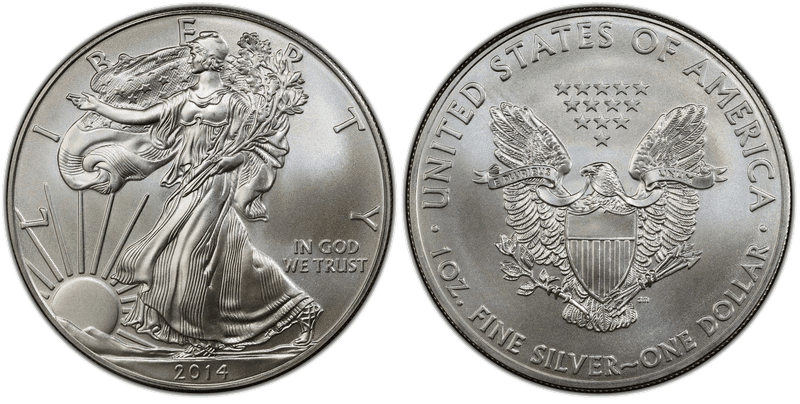
2014 American Silver Eagle
BaseVerified

2014 American Silver Eagle

3 Strike Types
2015 American Silver Eagle
BaseVerified

2015 American Silver Eagle

3 Strike Types
2016 American Silver Eagle
BaseVerified

2016 American Silver Eagle

4 Strike Types
2017 American Silver Eagle
BaseVerified

2017 American Silver Eagle

4 Strike Types
2018 American Silver Eagle
BaseVerified

2018 American Silver Eagle

4 Strike Types
2019 American Silver Eagle
BaseVerified

2019 American Silver Eagle

6 Strike Types
2020 American Silver Eagle
BaseVerified

2020 American Silver Eagle

5 Strike Types
2021 American Silver Eagle
BaseVerified

2021 American Silver Eagle

8 Strike Types
2022 American Silver Eagle
BaseVerified

2022 American Silver Eagle

4 Strike Types
2023 American Silver Eagle
BaseVerified

2023 American Silver Eagle

4 Strike Types
2024 American Silver Eagle
BaseVerified

2024 American Silver Eagle

4 Strike Types
2025 American Silver Eagle
BaseVerified

2025 American Silver Eagle

9 Strike Types
2026 American Silver Eagle
BaseVerified

2026 American Silver Eagle

5 Strike Types
Showing all 41 listings

History

The American Silver Eagle grew out of a fight over the government's silver. From the 1970s, administrations wanted to sell silver held in the Defense National Stockpile, and mining-state legislators opposed them. Each sale, and even each announcement of one, pushed the silver price down. Senator James McClure of Idaho proposed several times that any silver sold should go out as coins instead. In 1985 he attached that idea, as the Liberty Coin Act, to the bill for the Statue of Liberty-Ellis Island commemoratives. President Reagan signed it as Public Law 99-61 on July 9, 1985.

The law fixed the coin's specifications: 40.6 mm, 31.103 grams, .999 fine silver, a reeded edge, Liberty on the obverse and an eagle on the reverse. For the obverse the Mint revived Adolph A. Weinman's Walking Liberty from the 1916-1947 half dollar. John Mercanti designed a heraldic eagle for the reverse. Treasury Secretary James A. Baker III struck the first coin at the San Francisco Assay Office on October 29, 1986, and sales began on November 24, 1986.

The Mint does not sell bullion coins to the public. It sells them in bulk to a network of authorized purchasers, who resell them, so the yearly bullion figures are the Mint's sales figures. Proofs were offered from the first year, and later the Mint added burnished, reverse proof and enhanced versions for collectors. When the stockpile ran low, a 2002 law let the Mint buy silver on the open market.

Heavy bullion demand from 2008 squeezed the collector coins. The Mint rationed bullion coins to its dealers, and in 2009 it made no proof or burnished coins at all. A law signed on December 14, 2010 let the Treasury strike collector versions even when bullion demand was unmet.

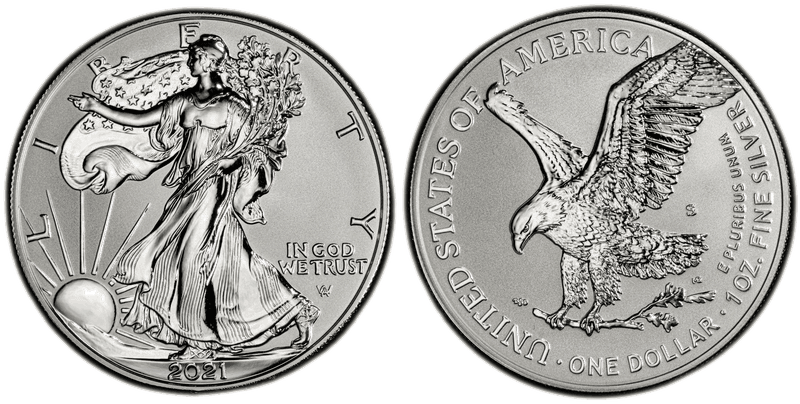
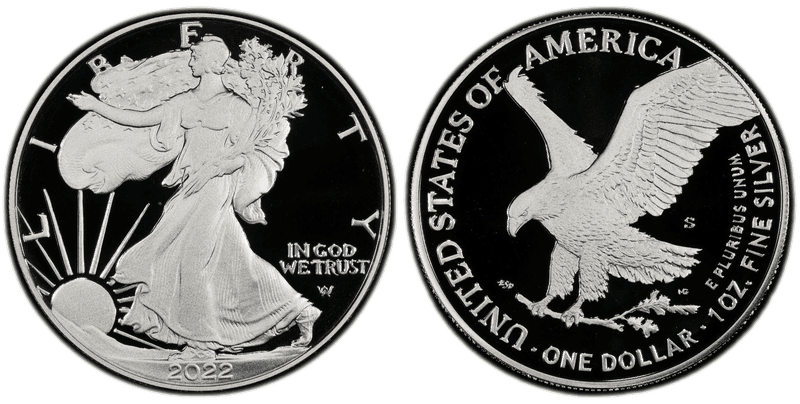
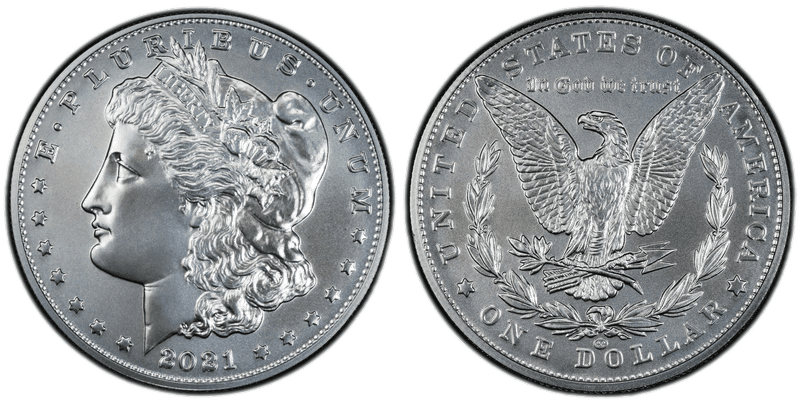
In 2021 the reverse changed. Emily Damstra's design of an eagle landing on a branch replaced Mercanti's heraldic eagle partway through the year, and the obverse was refreshed with Weinman's monogram added. Coins with the old reverse are called Type 1 and those with the new one Type 2.
How to Identify It

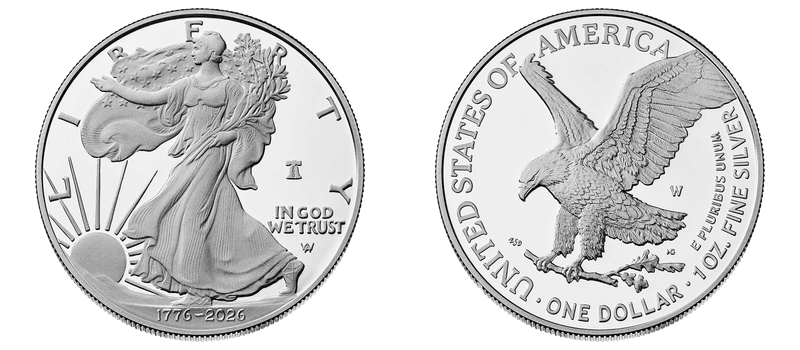
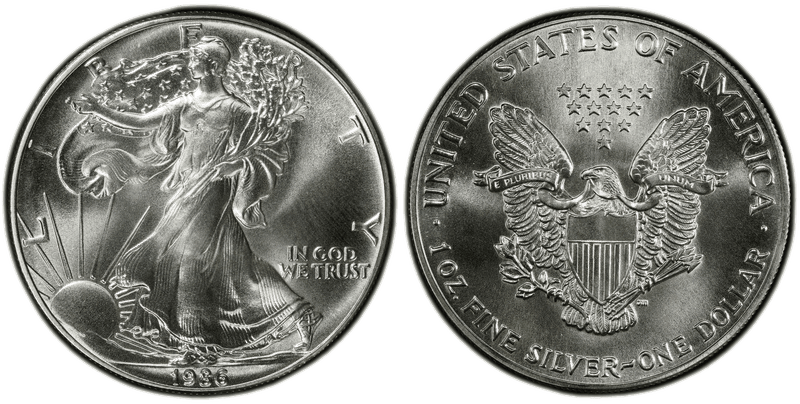
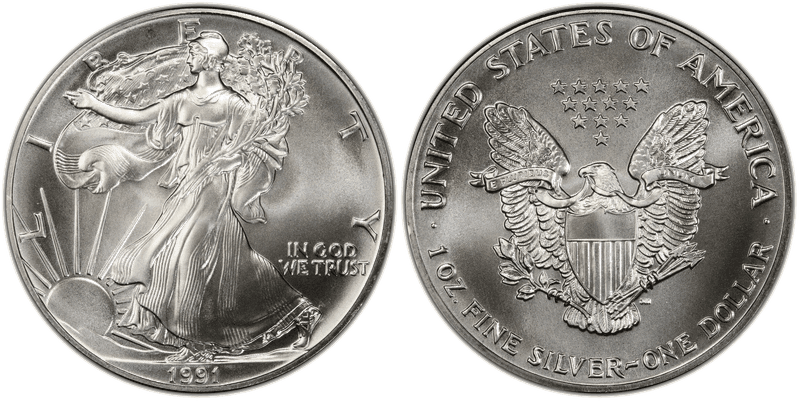
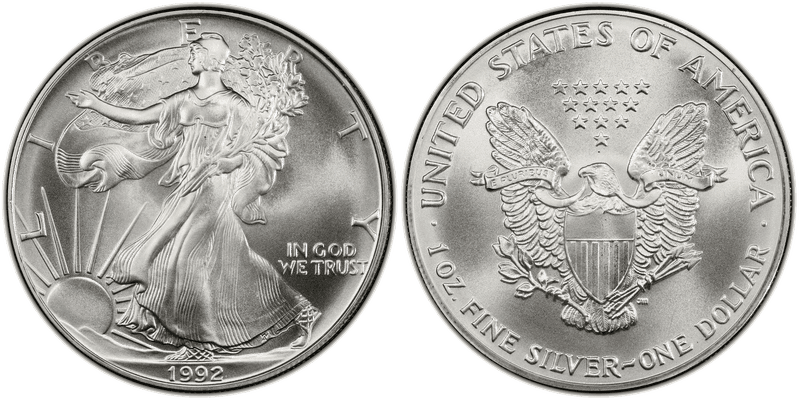
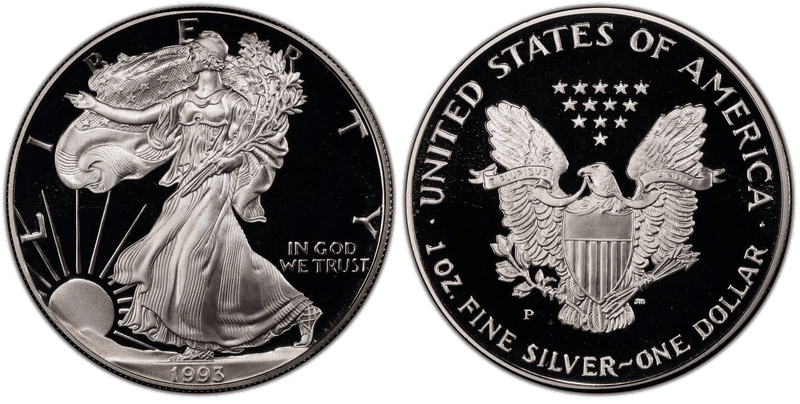
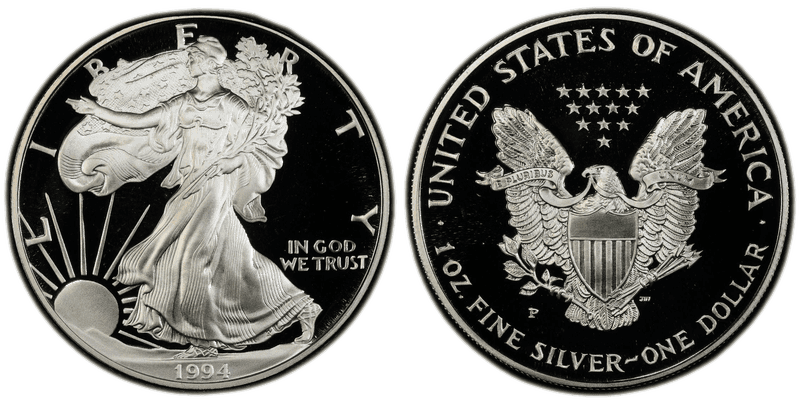
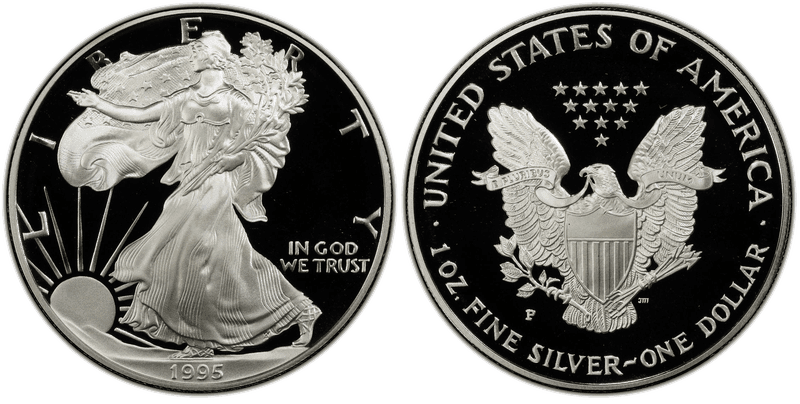
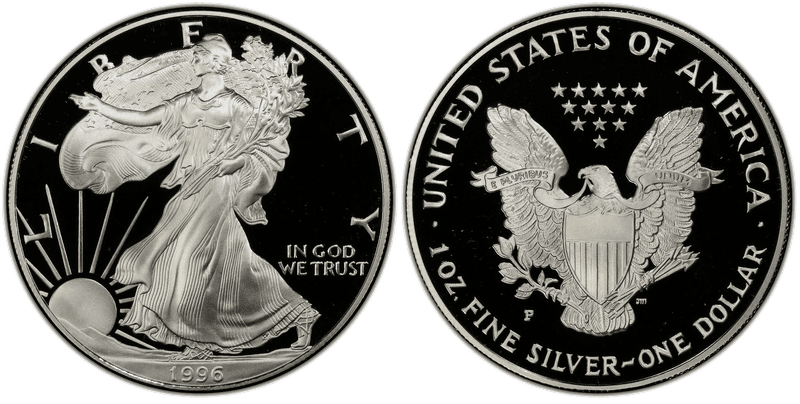
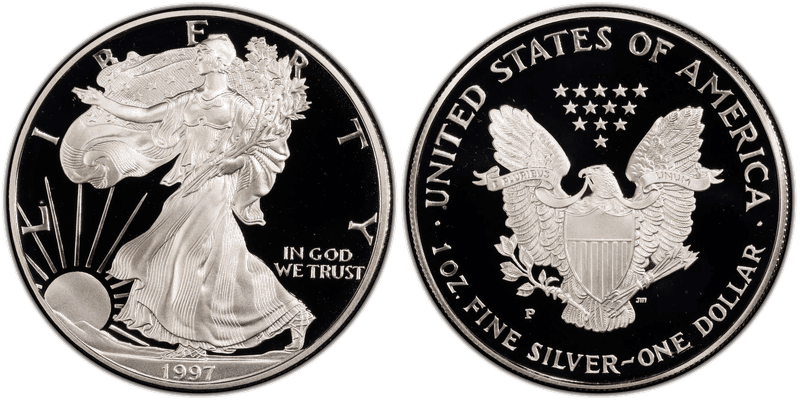
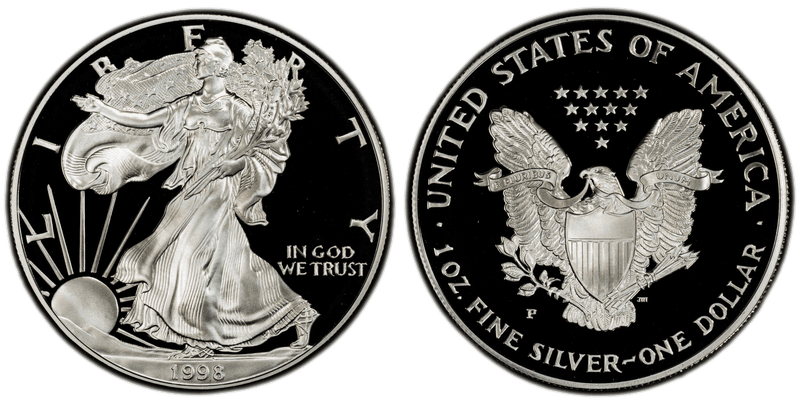
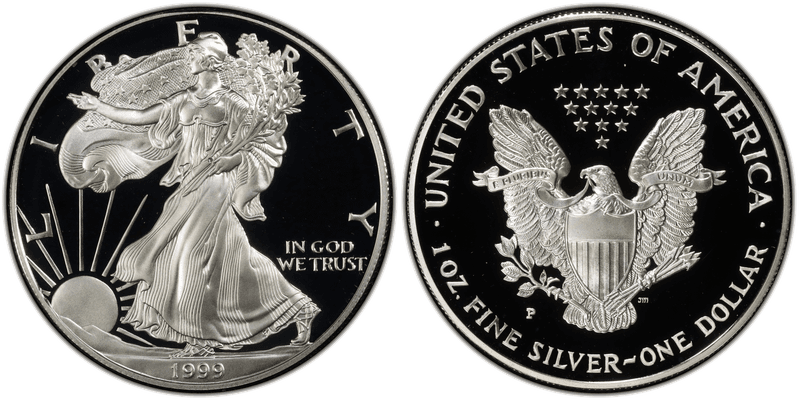
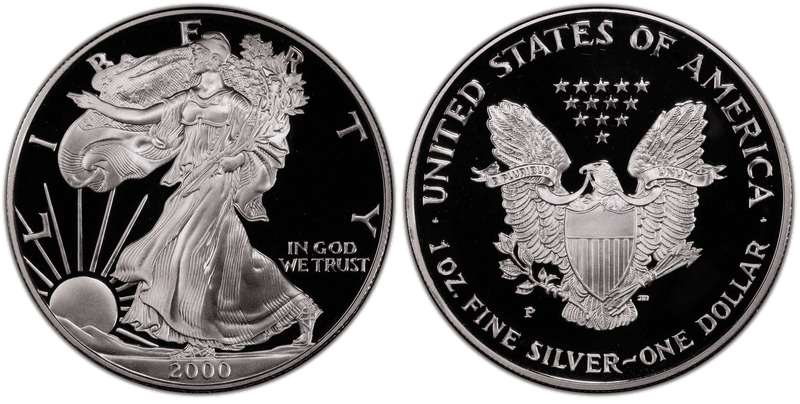
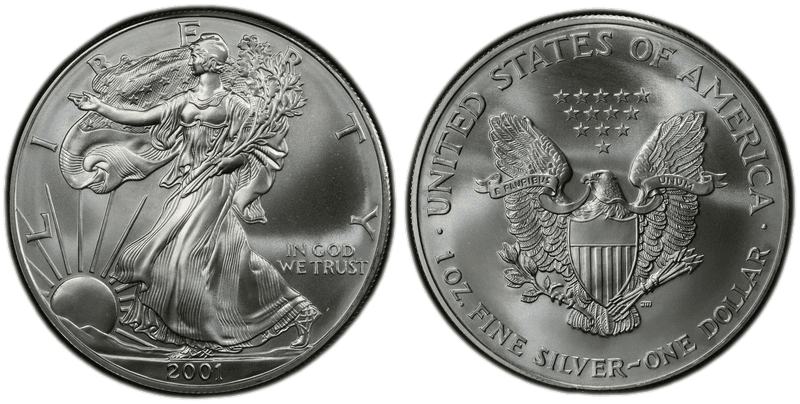
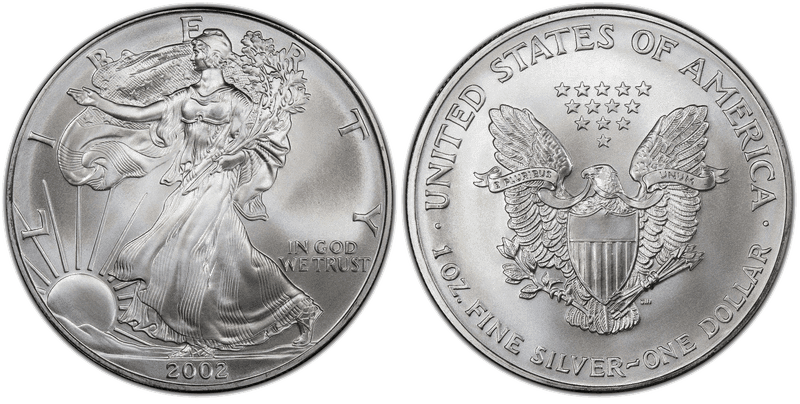
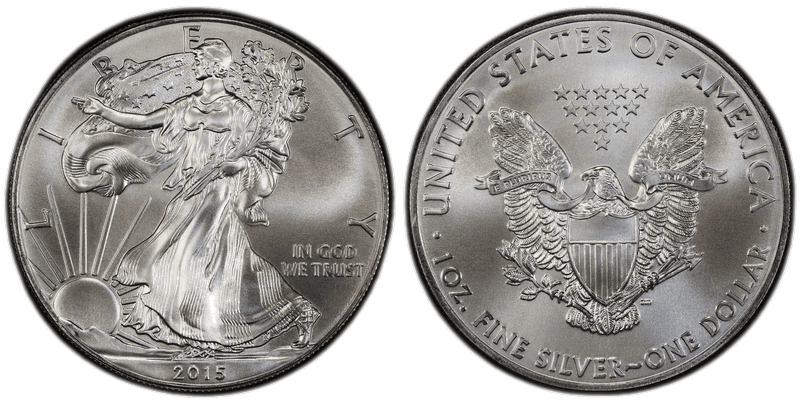
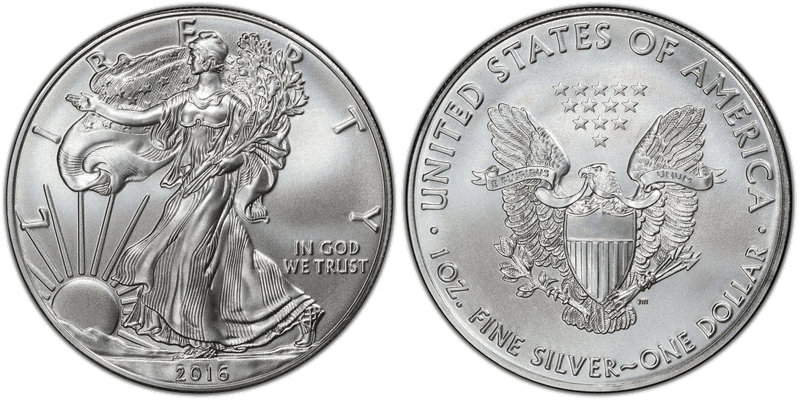
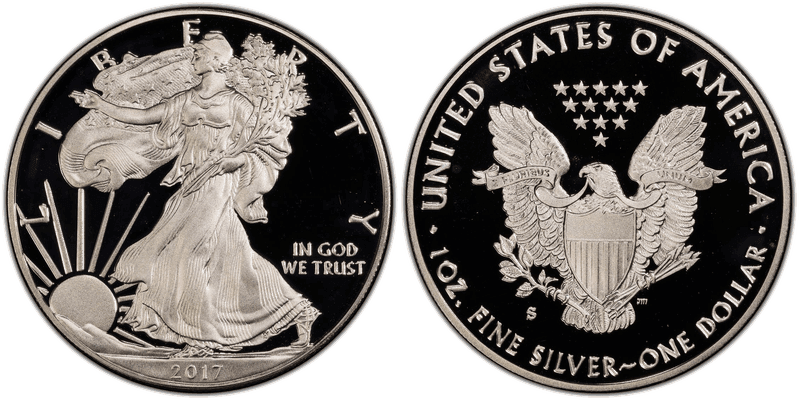
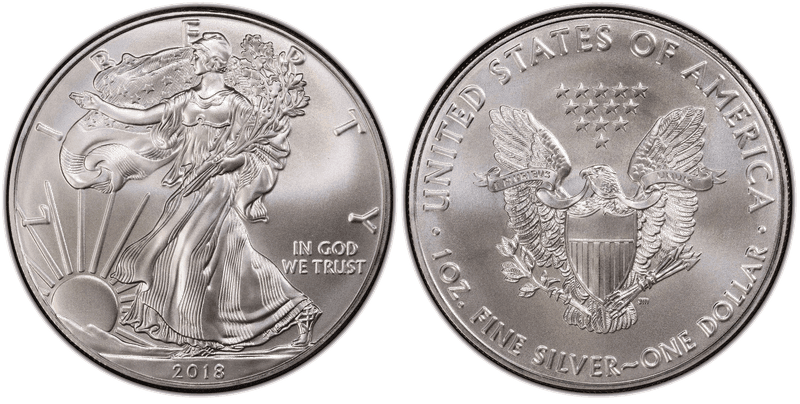
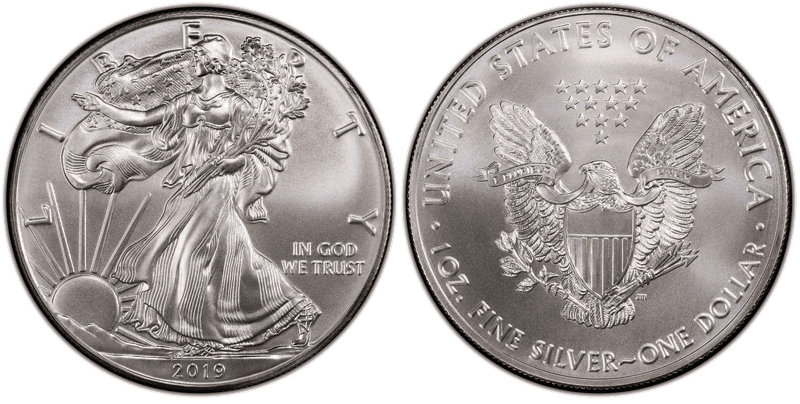
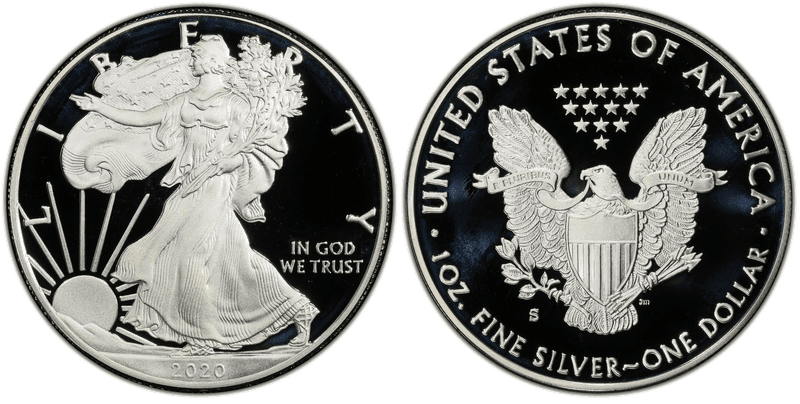
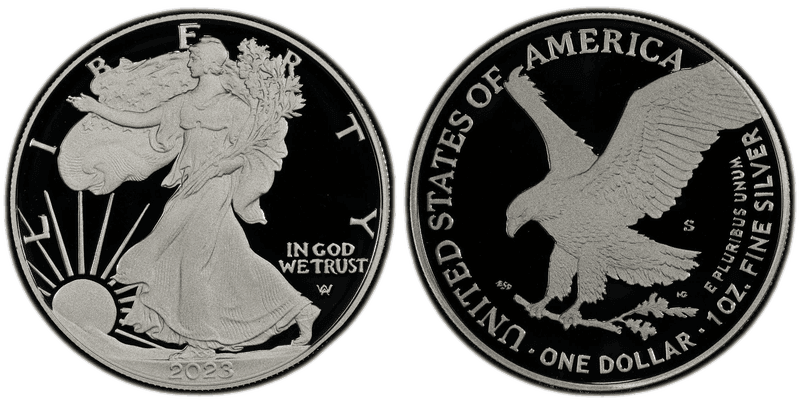
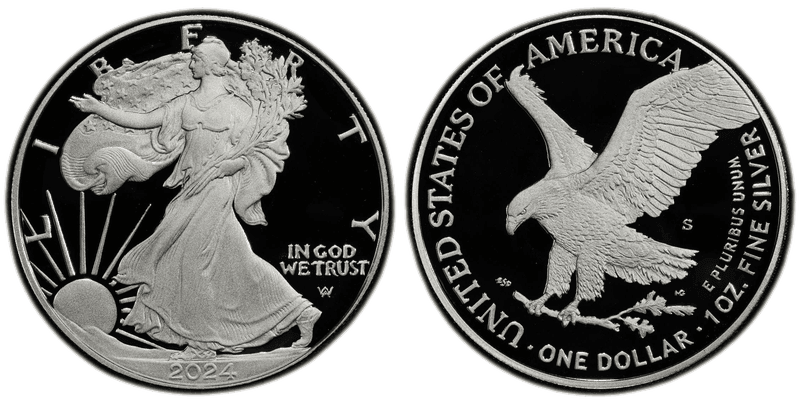
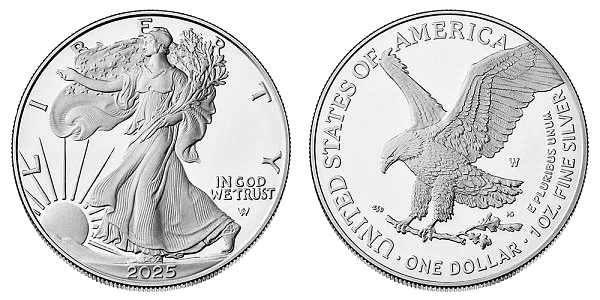
Obverse. Liberty strides toward the sun, wrapped in the American flag. The inscriptions are LIBERTY, IN GOD WE TRUST and the date. This is Weinman's design from the Walking Liberty half dollar. From 2021 his AW monogram sits under IN GOD WE TRUST.

Reverse, Type 1 (1986-2021). A heraldic eagle behind a shield holds an olive branch and arrows, with thirteen stars above and a banner reading E PLURIBUS UNUM in its beak. The legends are UNITED STATES OF AMERICA and 1 OZ. FINE SILVER~ONE DOLLAR. From 2008 the U of UNITED has a serif and the mark between SILVER and ONE was altered, which is how the 2008-W Reverse of 2007 coins are told apart.

Reverse, Type 2 (2021 on). An eagle coming in to land on a branch, by Emily Damstra. The legends are UNITED STATES OF AMERICA, E PLURIBUS UNUM and 1 OZ. FINE SILVER•ONE DOLLAR.

Finishes.

  • Bullion: no mint mark, sold through the Mint's authorized purchasers.
  • Proof: mirror fields and frosted devices, with a mint mark. S was used 1986-1992, P 1993-2000 and W from 2001, with S proofs alongside W from 2011 on.
  • Burnished uncirculated: struck at West Point on specially burnished blanks, with a W. Issued 2006-2008 and from 2011.
  • Reverse proof: frosted fields with mirrored devices, the opposite of a proof. The first was the 2006 Philadelphia coin.
  • Enhanced: a mix of finishes on one coin. The 2013-W enhanced uncirculated coin uses heavy frost, light frost and a brilliant polish; the 2019-S and 2019-W coins are enhanced reverse proofs.

Mint mark. On collector coins it is on the reverse. Bullion coins never carry one: they were struck at San Francisco from 1986 to 1998, at Philadelphia and West Point in 1999 and 2000, and later at West Point, with San Francisco adding capacity from 2011.

Key Dates and Varieties

  • 1995-W Proof: struck at West Point for the 10th Anniversary American Eagle set, sold only with the four 1995-W gold proofs. The Mint sold 30,125 sets.
  • 2006 Reverse Proof: the first reverse proof, struck at Philadelphia with a P for the 20th Anniversary set, which also held a proof and the first burnished coin. Wikipedia's mintage table gives 248,875.
  • 2008-W Reverse of 2007: burnished 2008 coins struck with the older reverse, recognized by the U of UNITED without its serif. PCGS estimates about 45,000 from a count of at least 15 old dies (search); Greysheet lists 46,318 (search).
  • 2009: bullion only. See the 2009 year page.
  • 2011 25th Anniversary set: five coins, including a Philadelphia reverse proof and the only San Francisco burnished coin, with a W proof, a W burnished coin and a bullion coin.
  • 2012 San Francisco set: a 2012-S proof and a 2012-S reverse proof, for the San Francisco Mint's 75th anniversary.
  • 2013 West Point set: an enhanced uncirculated coin and a reverse proof, both W.
  • 2016: the proof and burnished coins have 30th ANNIVERSARY on the edge in place of reeding.
  • 2019-S Enhanced Reverse Proof: limited to 30,000 and to one per customer. Wikipedia says it was the first numismatic coin the Mint sold with a serial-numbered certificate of authenticity. Wikipedia's table gives 29,913. The same year the 2019-W enhanced reverse proof came in the Pride of Two Nations set with a Canadian Silver Maple Leaf (99,675 in Wikipedia's table).
  • 2020-W V75: a proof with a V75 privy mark for the 75th anniversary of the end of World War II, limited to 75,000. The same year Philadelphia struck 240,000 bullion coins from April 8 to 20 while West Point was shut down by COVID-19. They carry no mint mark, and grading services certify them as Emergency Issues.
  • 2021 Type 1 and Type 2: bullion coins of both reverses (Type 1, Type 2), proofs of both, and the Designer Edition set pairing a West Point Type 1 reverse proof with a San Francisco Type 2 reverse proof. The set was limited to 125,000.

In Our Catalog

3 errors and varieties are listed for this series. Browse them by type:

Recently added

Mintages

American Silver Eagles 1986 to Date mintages by year and finish, taken from each coin's page in our catalog. Each figure opens that coin's page, which lists its varieties and errors. A dash means no figure was recorded. Where one issue was struck in more than one type, each type is listed.

YearBullionBurnishedEnhanced UncirculatedProofReverse Proof
1986
1987
1988
1989
1990
1991
1992
1993
1994
1995
1996
1997
1998
1999
2000
2001
2002
2003
2004
2005
2006
2007
2008
2009
2010
2011
2012
2013
2014
2015
2016
2017
2018
2019
2020
2021
2022
2023
2024
2025
2026

Composition and Silver Content

  • Composition: .999 fine silver
  • Weight: 31.103 grams (one troy ounce)
  • Silver content: 1 troy ounce
  • Diameter: 40.6 mm
  • Thickness: 2.98 mm
  • Edge: reeded; lettered 30th ANNIVERSARY on the 2016 proof and burnished coins
  • Face value: one dollar
  • Designers: Adolph A. Weinman (obverse); John Mercanti (reverse, Type 1); Emily Damstra (reverse, Type 2)

According to Wikipedia, coins from 2021 on also have one reed deliberately left off the edge as an anti-counterfeiting feature.

FAQ

Where is the mint mark on an American Silver Eagle?

Bullion Silver Eagles have no mint mark at all, even though they have been struck at San Francisco, Philadelphia and West Point. The collector versions carry one on the reverse - S for San Francisco, P for Philadelphia or W for West Point - on both the Type 1 and Type 2 designs. A coin with no letter is a bullion strike.

How much silver is in an American Silver Eagle?

One troy ounce. The Liberty Coin Act set the coin at 31.103 grams of .999 fine silver and 40.6 mm across, with a reeded edge and a face value of one dollar. The collector versions carry the same legend, 1 OZ. FINE SILVER.

What is the difference between a Type 1 and a Type 2 Silver Eagle?

The reverse. Type 1 coins, from 1986 into 2021, carry John Mercanti's heraldic eagle behind a shield with thirteen stars above it. Type 2 coins, from 2021 on, carry Emily Damstra's eagle coming in to land on a branch. The obverse was retouched at the same change and gained Weinman's AW monogram under IN GOD WE TRUST. Both types are dated 2021. See the 2021 year page.

What is the 1995-W Silver Eagle?

A proof struck at West Point and sold only in the 1995 10th Anniversary American Eagle set, together with the four proof gold eagles of that year. The Mint sold 30,125 sets, so 30,125 coins went out. The regular 1995 proof was struck at Philadelphia and carries a P. See our 1995-W proof page.

What is a burnished or "W uncirculated" Silver Eagle?

A collector version struck at West Point on specially burnished blanks. It carries a W mint mark, and the Mint sells it directly rather than through bullion dealers. It was issued from 2006 to 2008 and again from 2011; one San Francisco burnished coin was made, for the 2011 25th Anniversary set.

Why are there no 2009 proof Silver Eagles?

Bullion demand used up the silver blanks. In March 2009 the Mint suspended the proof and burnished coins, and on October 6, 2009 it said they would not be made for that year. A 2010 law then let the Treasury strike collector versions even when bullion demand was not being met. Proofs came back with 2010, but no burnished coin was made that year.

↑ Back to the coins: every year, mint, variety and error

Explore Other Denominations

Collector Essentials

Tools and references for building and protecting your coin collection.

As an Amazon Associate, NumisDex earns from qualifying purchases.