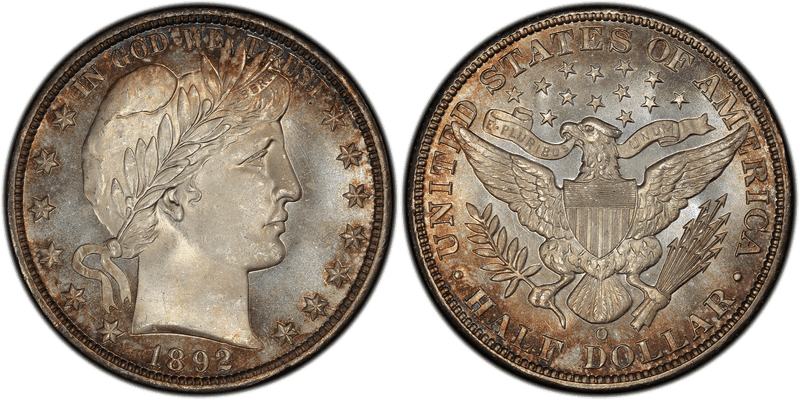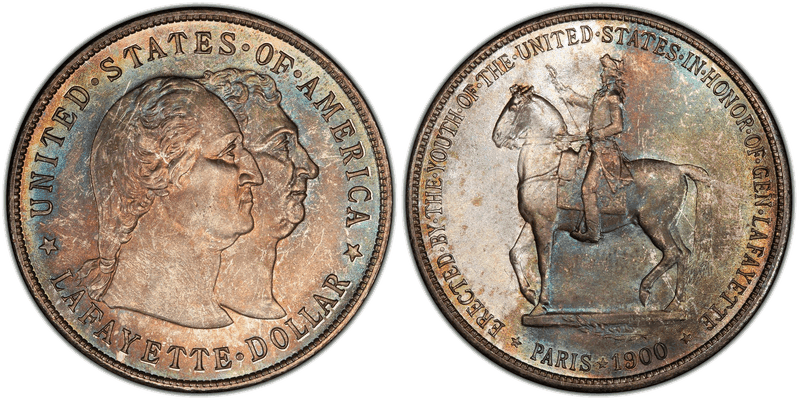
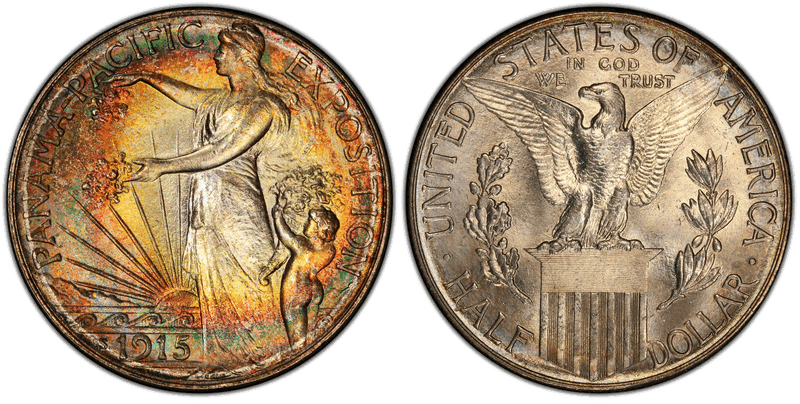
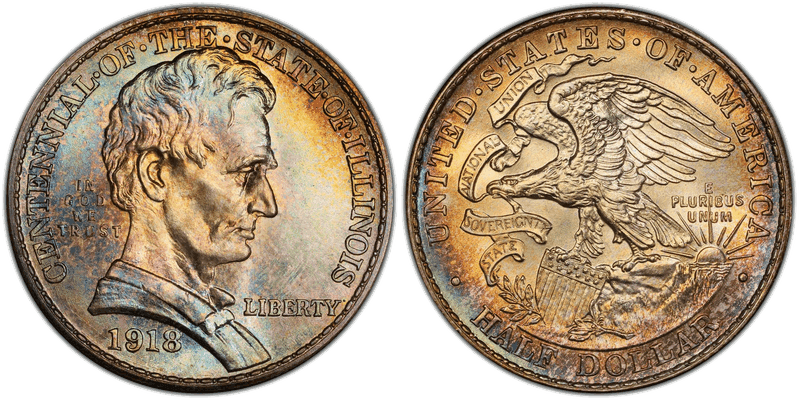
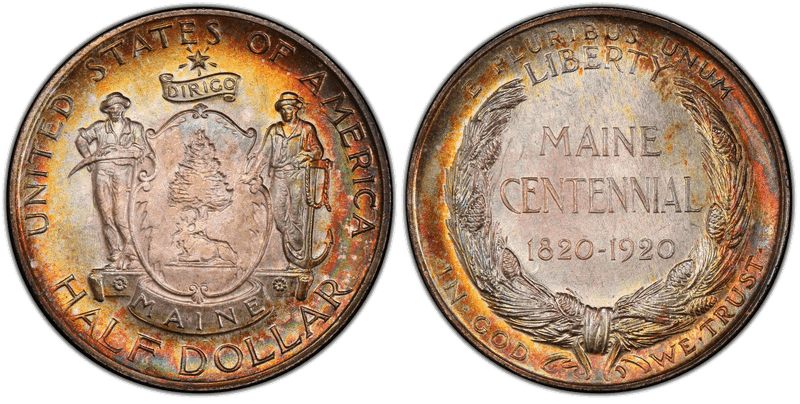
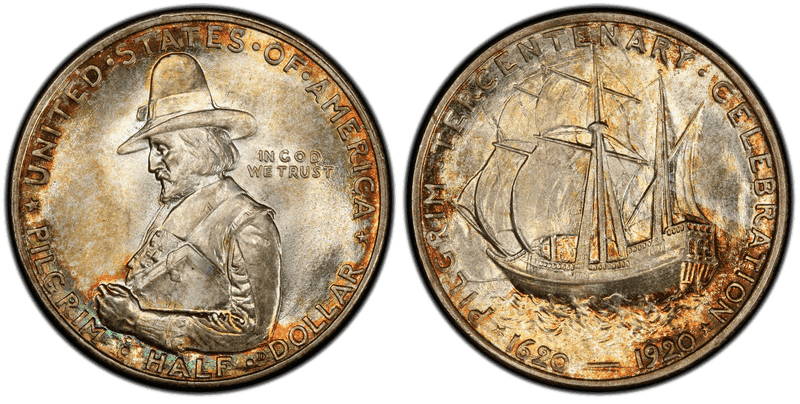
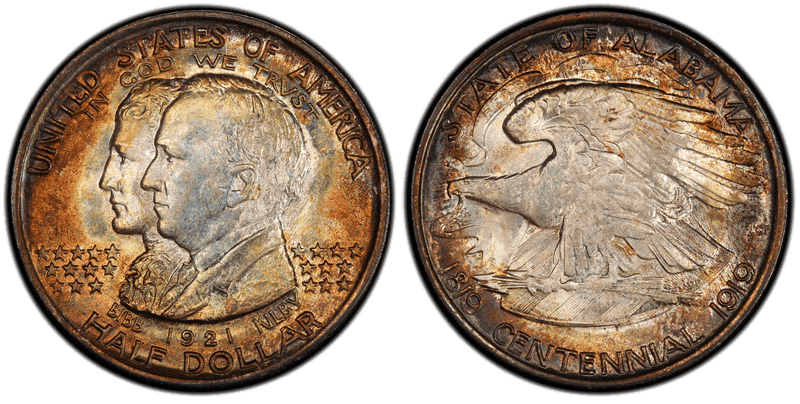
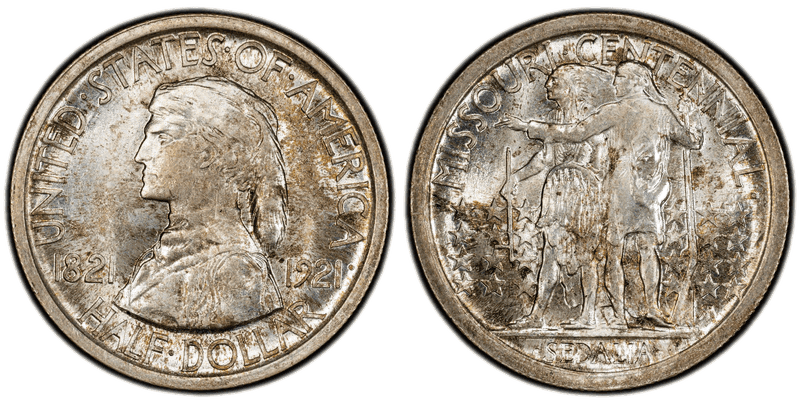
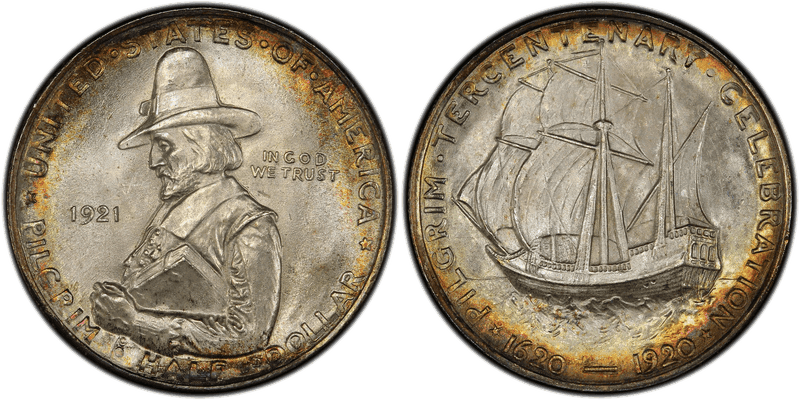

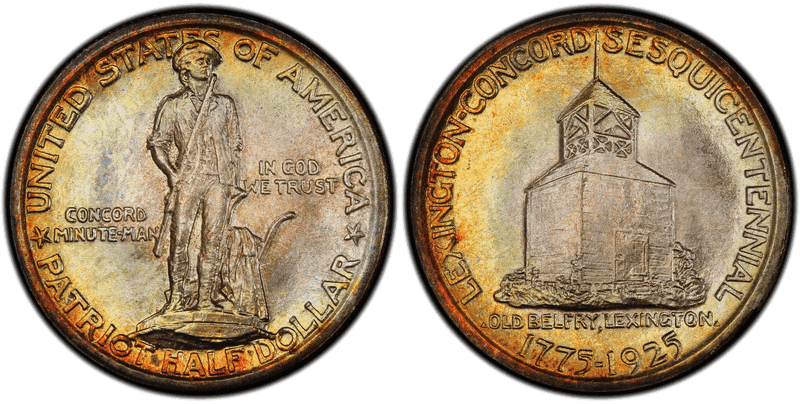
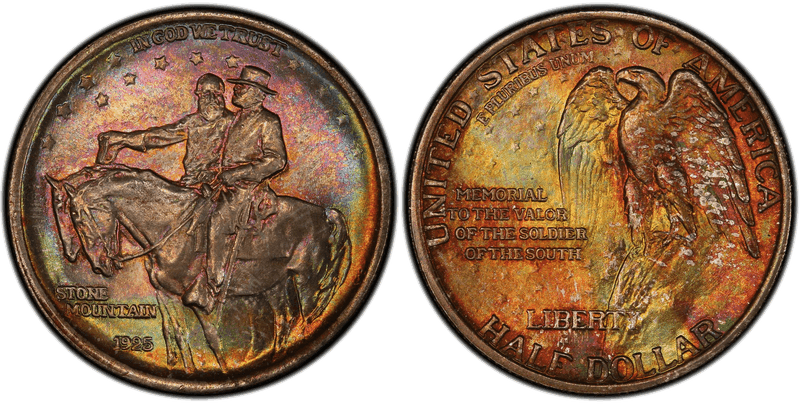
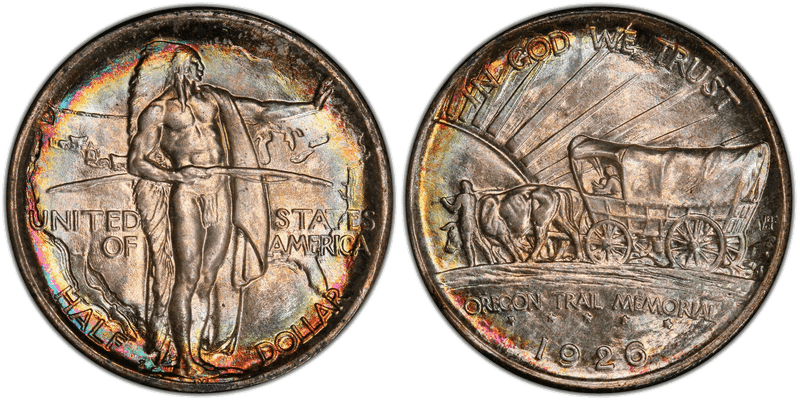
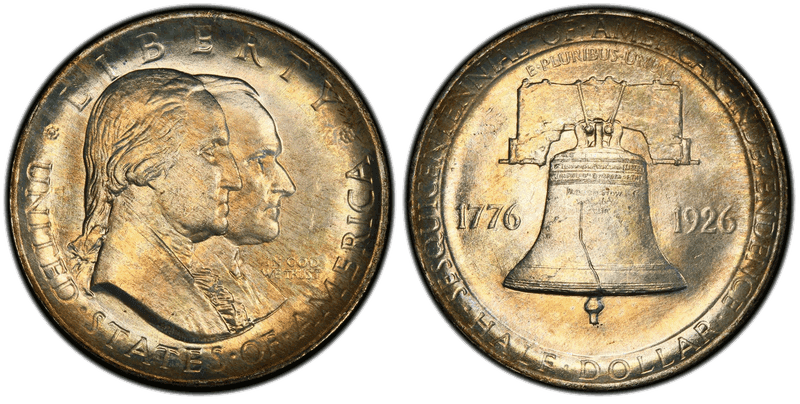
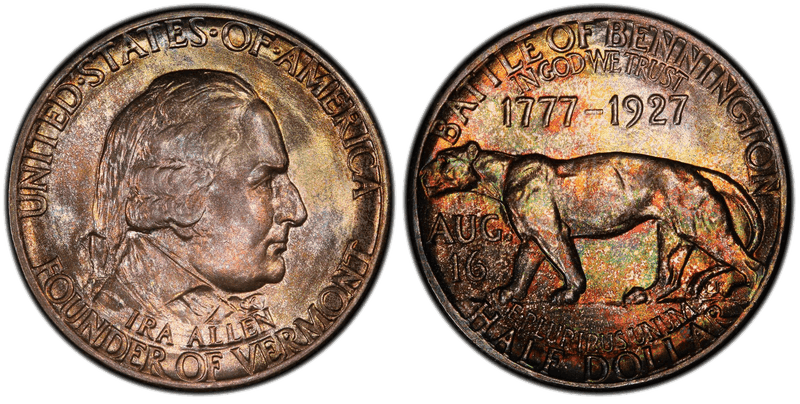
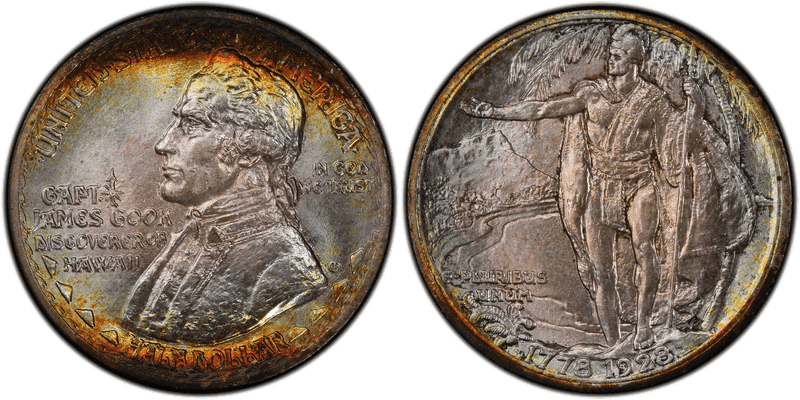
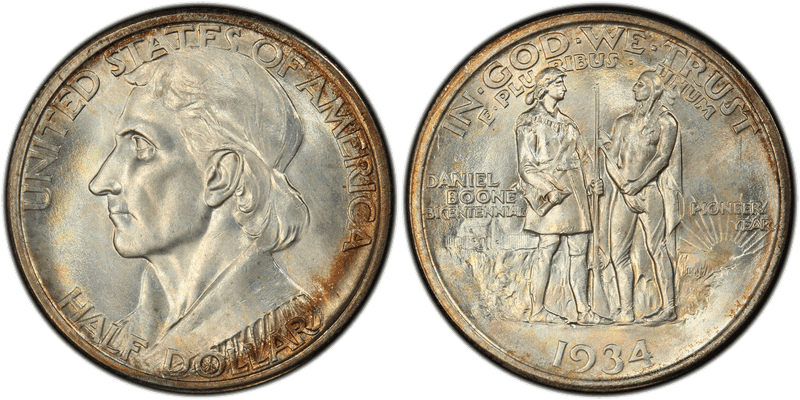
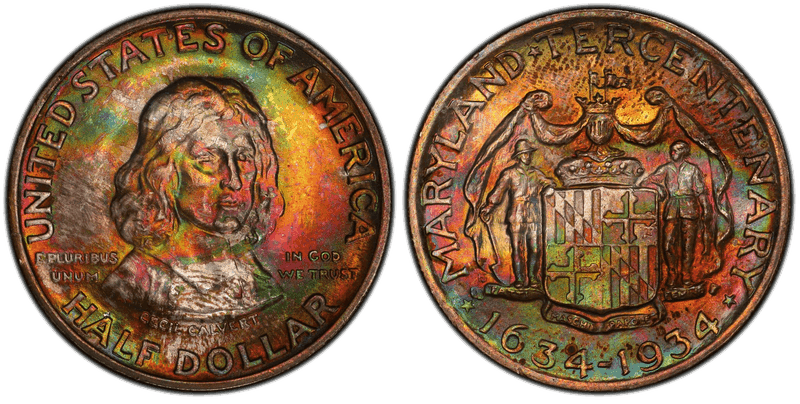
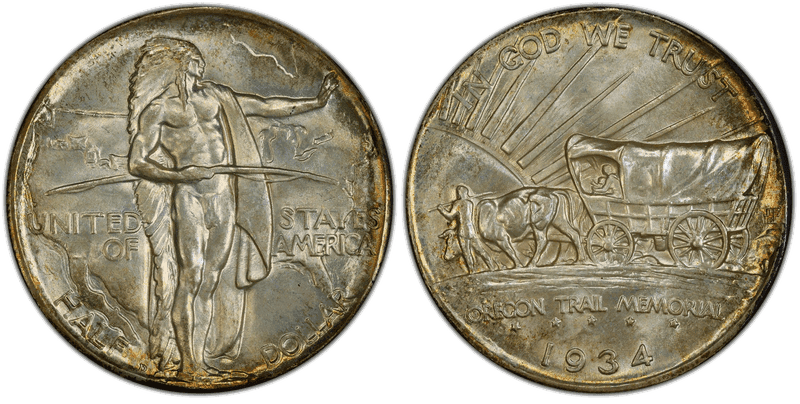
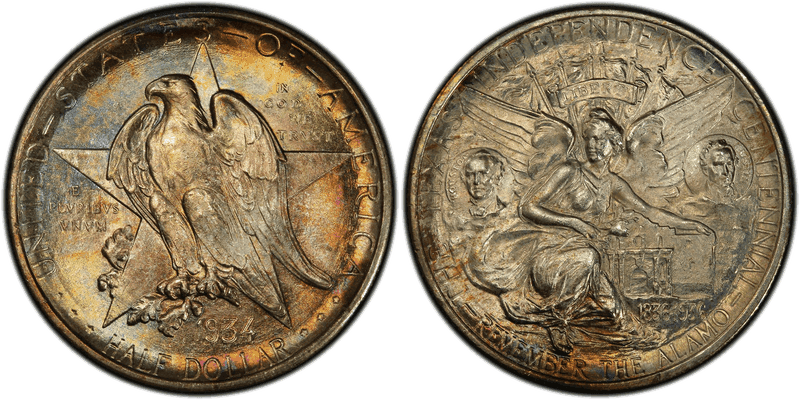
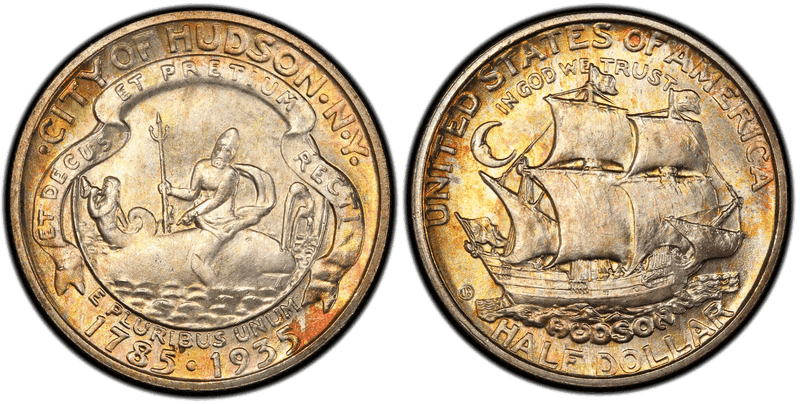
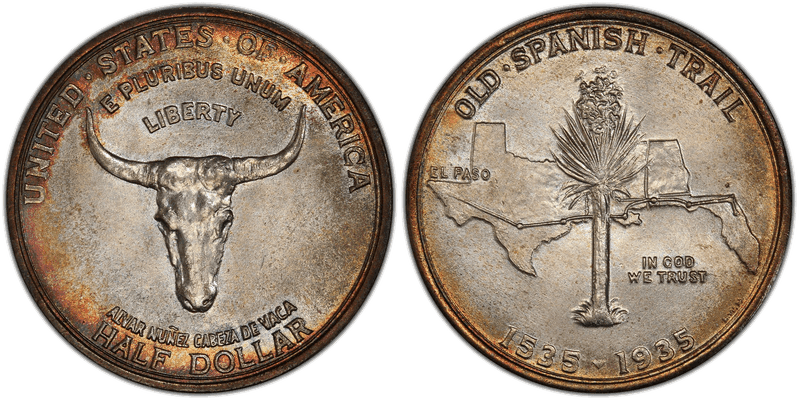
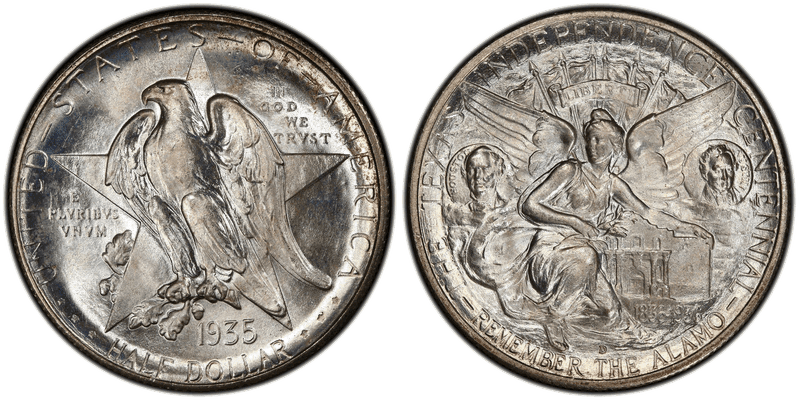
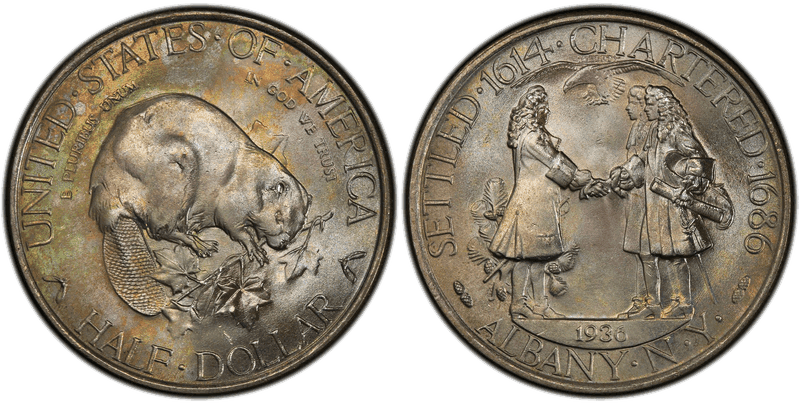
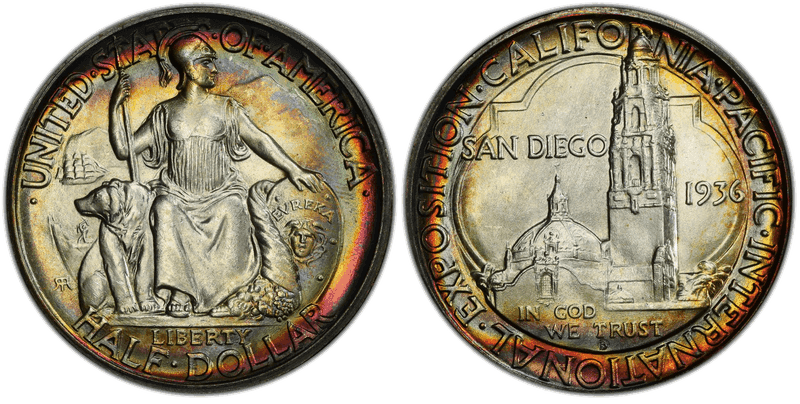
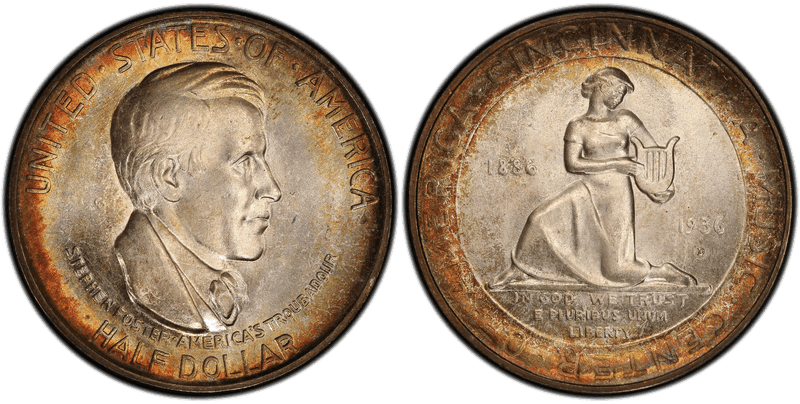
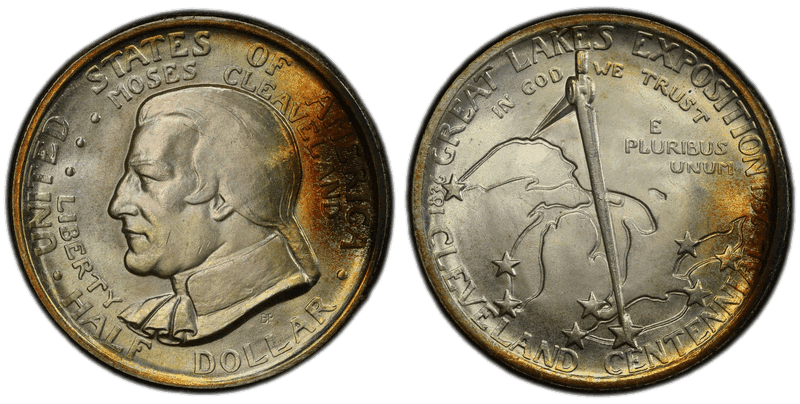
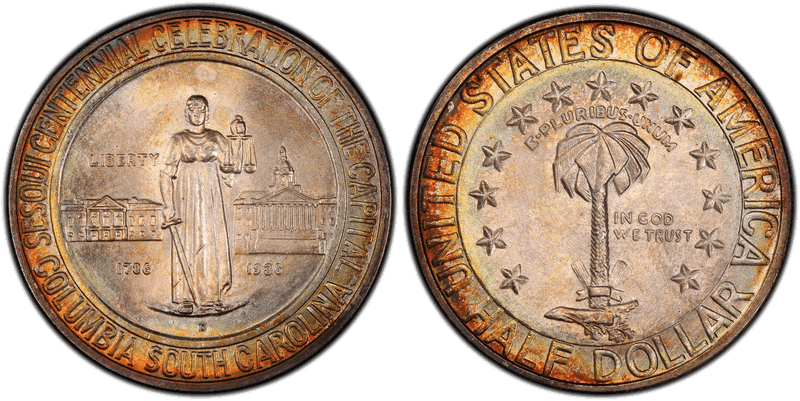
The program began with a fundraising problem. The organizers of the 1893 World's Columbian Exposition in Chicago ran short of money, and Congress, unwilling to make a direct grant, voted on August 5, 1892 to supply it as five million special half dollars that could be sold at a premium. The Columbian half is counted as the first traditional U.S. commemorative, and it was the first U.S. coin to show a real historical figure. The next year the exposition's Board of Lady Managers secured a quarter of its own, the Isabella quarter, and in 1899 Congress approved a silver dollar to pay for a Lafayette monument at the Paris Exposition of 1900.
Each later issue followed the same pattern. Congress passed a separate law naming a sponsor, which paid the Mint face value for its coins and resold them to the public at a premium. When sales fell short, the unsold coins went back to the Mint to be melted: about half of the Columbian halves, 15,809 Isabella quarters and 14,000 Lafayette dollars, among many others.
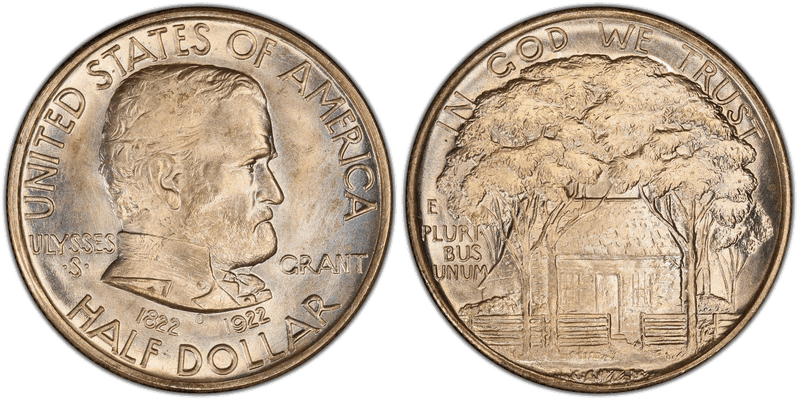
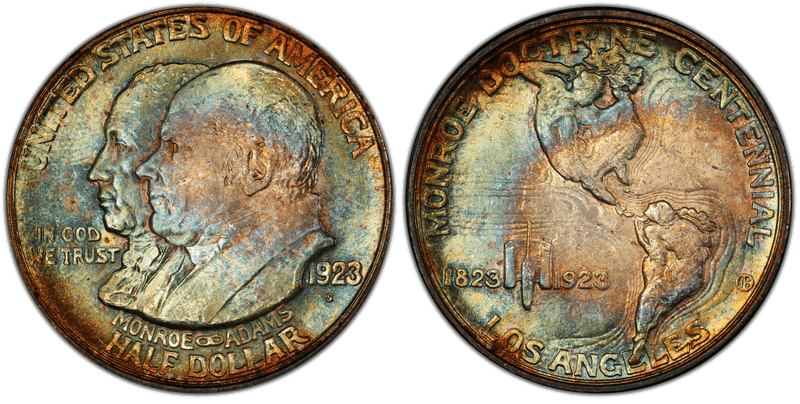
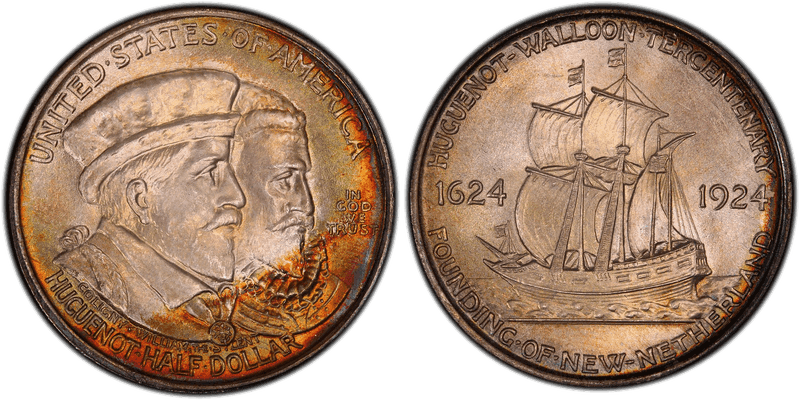
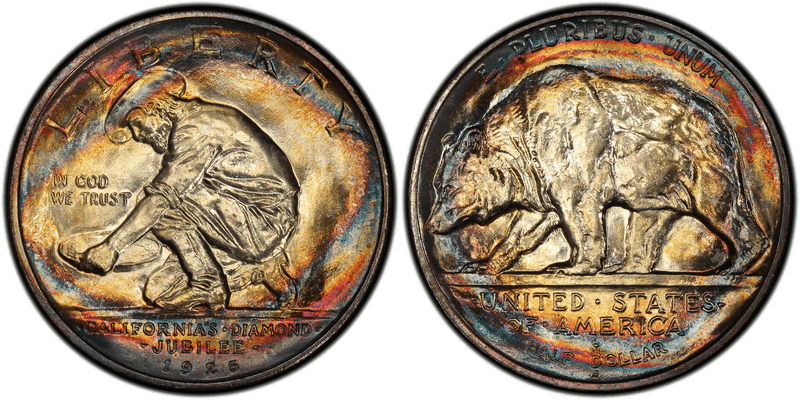
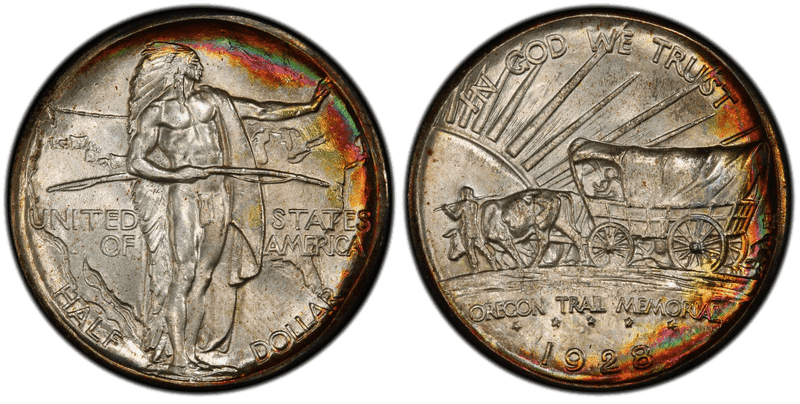
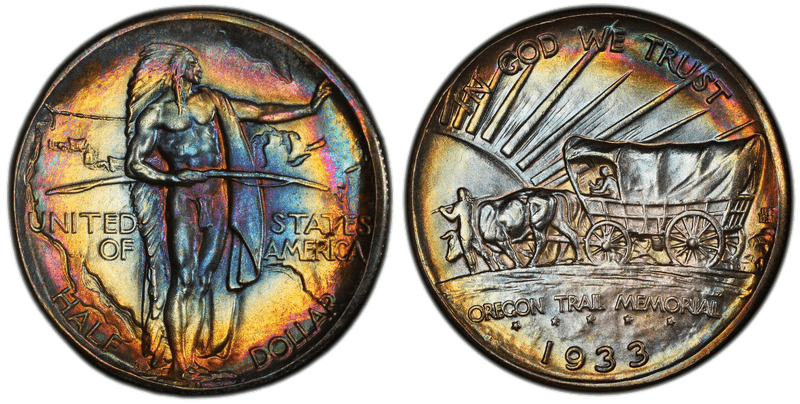
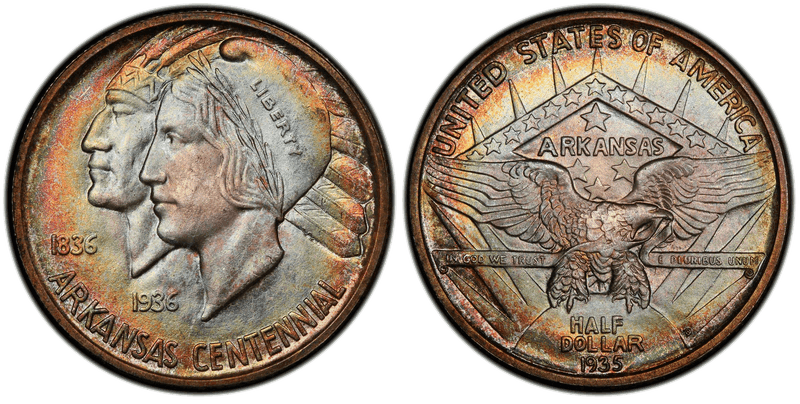
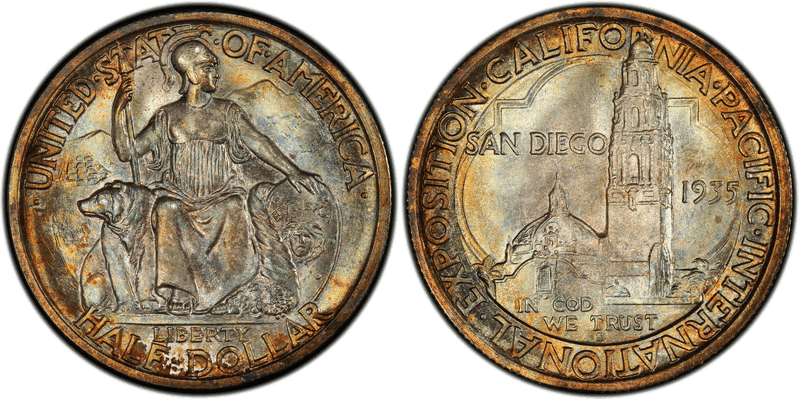
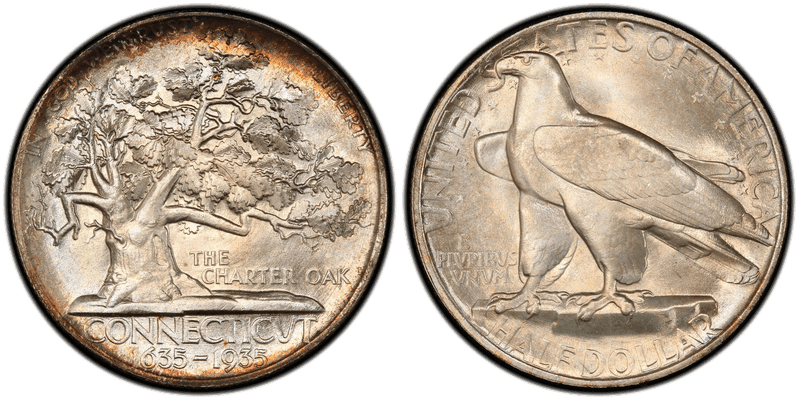
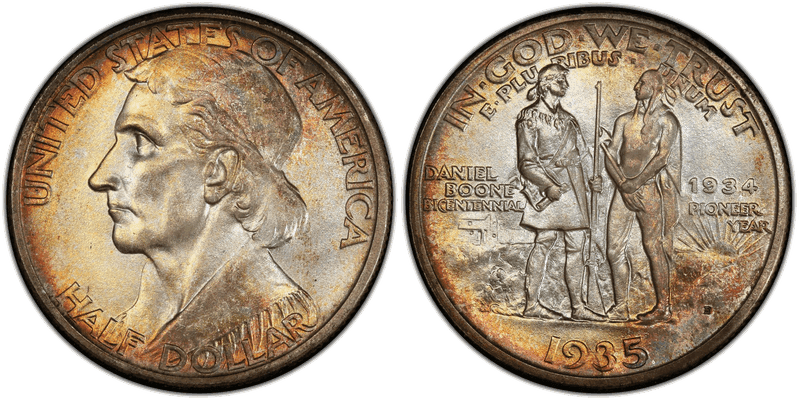
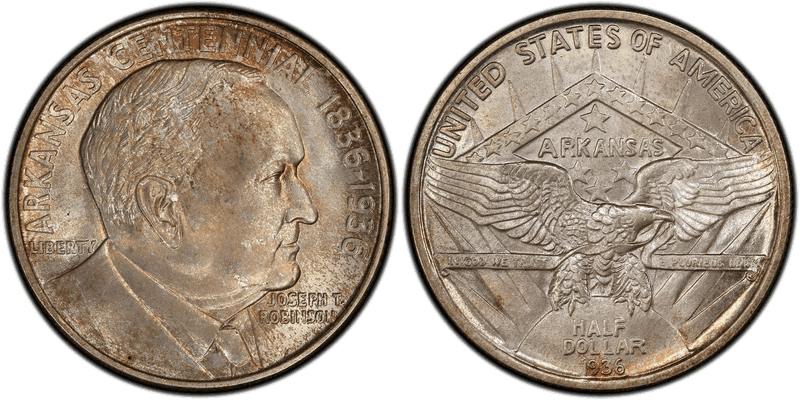
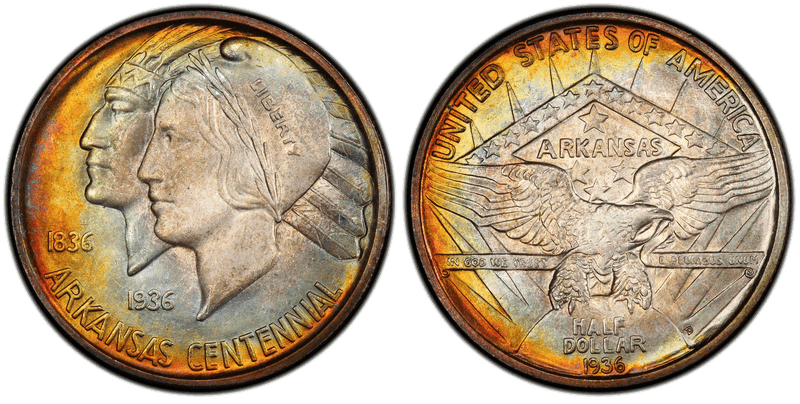
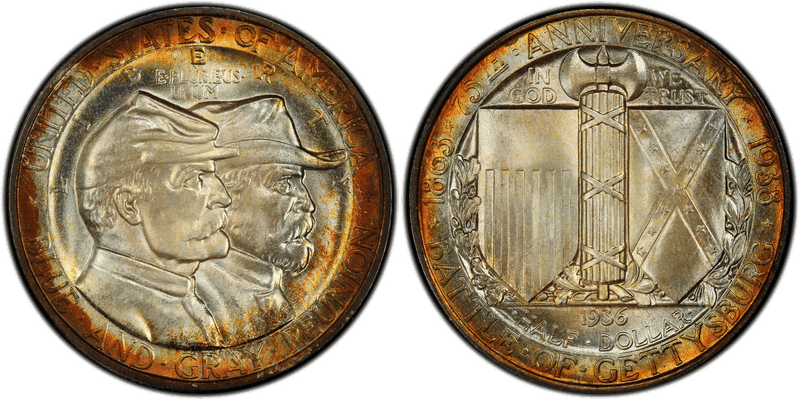
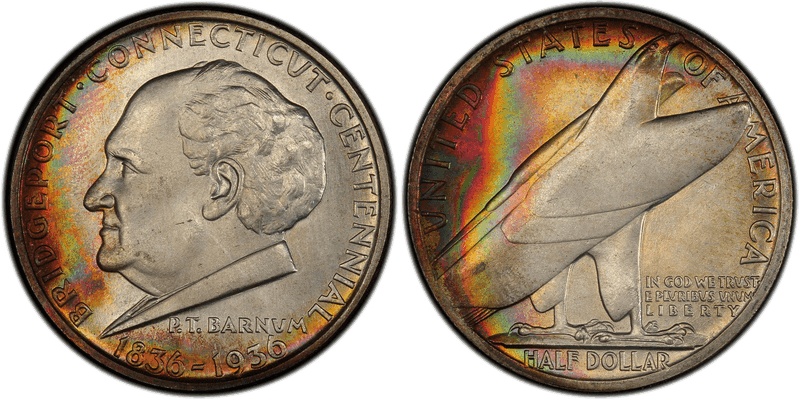
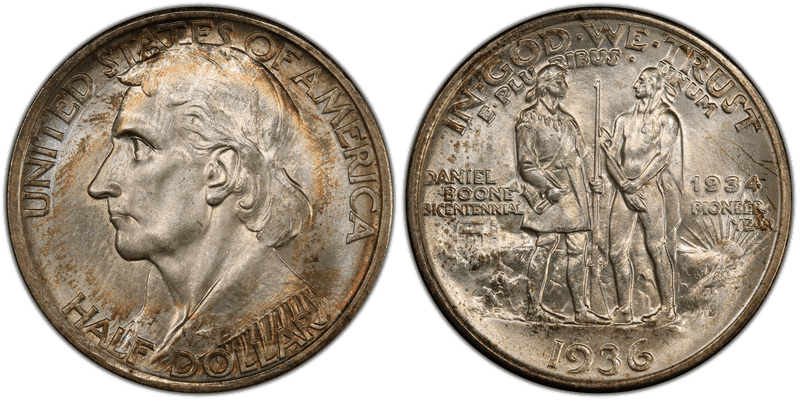
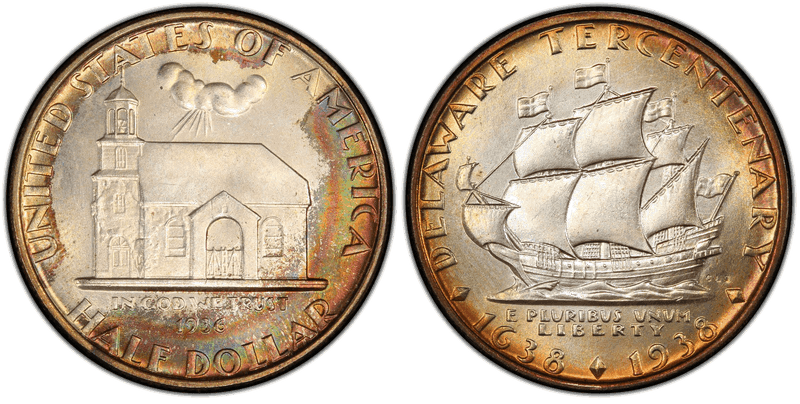
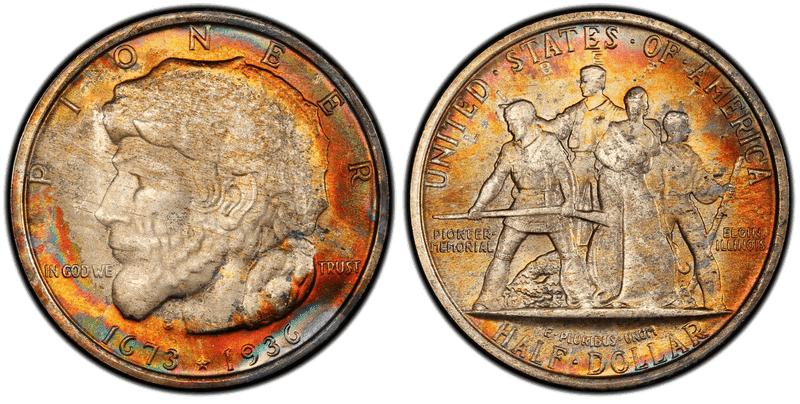
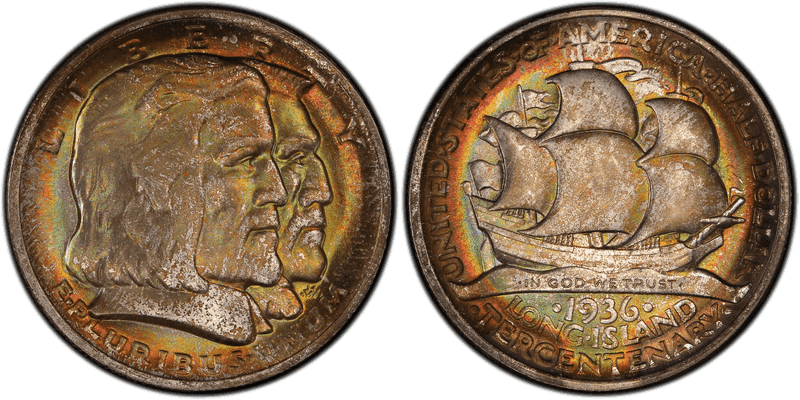
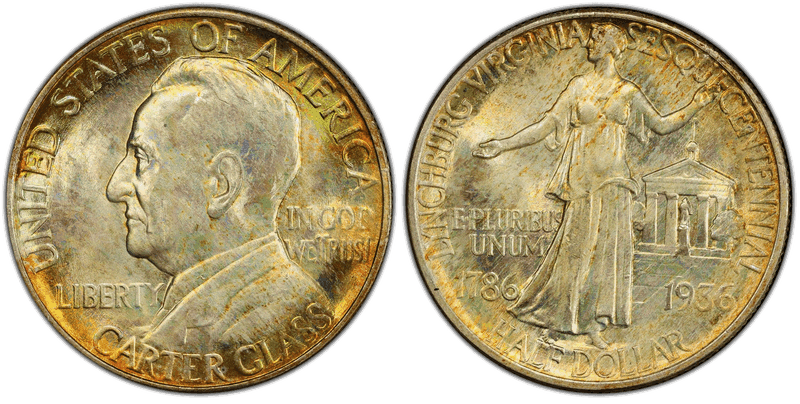
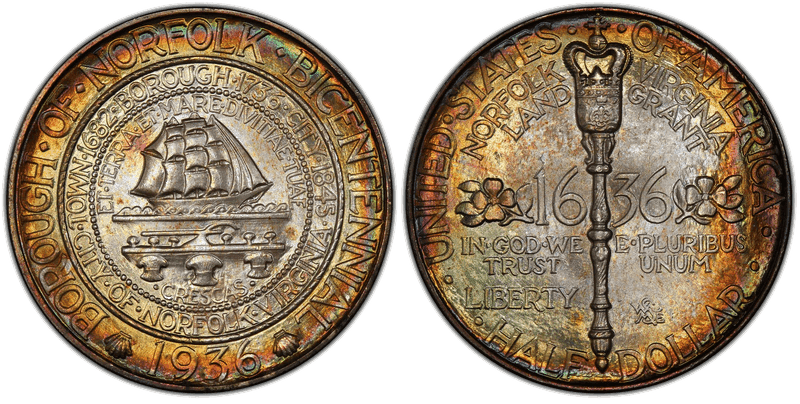
Through the 1920s most issues were single coins for an anniversary or exposition. Congress's approval of the Texas half in 1933 ended a pause in new issues, and in the mid-1930s the system was stretched. Sponsors had the same design struck at Philadelphia, Denver and San Francisco and dated over several years. The Oregon Trail half was coined in eight years between 1926 and 1939, and in 1936 alone nineteen different commemorative half dollars were struck. Some issues were in private hands from the start: a group controlled by Thomas G. Melish bought the whole Cincinnati issue and resold it at high prices. Collectors came to see the long runs as a ripoff, and Congress began writing limits, such as one date and one mint mark per issue, into new laws.
After the war came the Iowa half and two long issues by Isaac Scott Hathaway, the Booker T. Washington half (1946-1951) and the Carver-Washington half (1951-1954). President Eisenhower vetoed the three commemoratives proposed for 1954, so the Carver-Washington half was the last of the classic series, and the Treasury answered later proposals with a list of past abuses. Commemorative coinage resumed in 1982 and is covered on the modern commemorative half dollar page. The gold coins of the same era are on the classic gold commemoratives page.