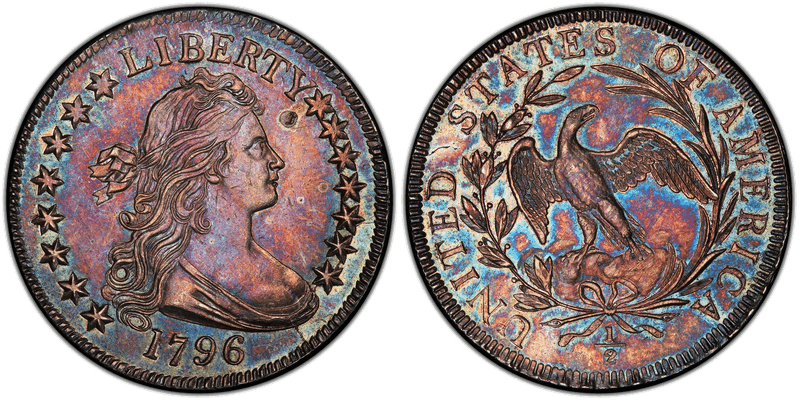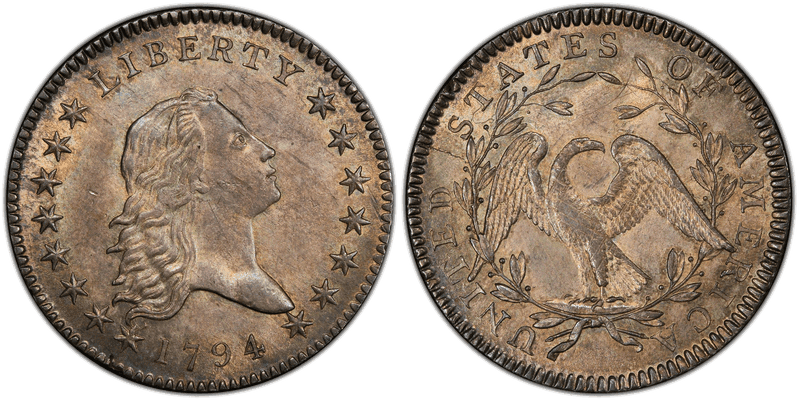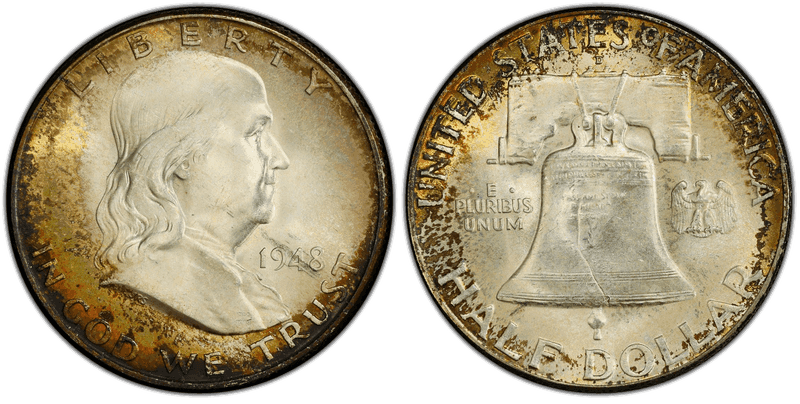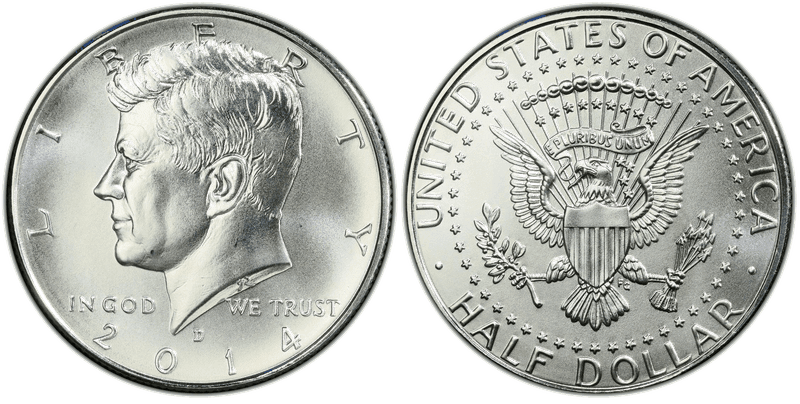
Confederate States of America (1861-1863)

Coin Series
Confederate States of America (1861-1863) series coin

About This Series

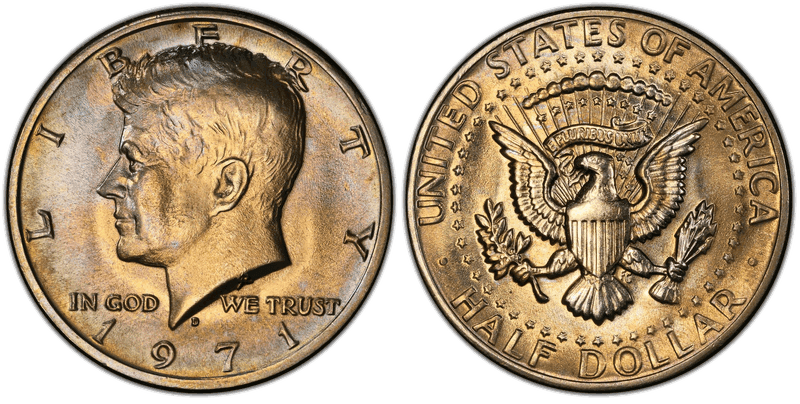
The Confederate States struck no coins for circulation. This series holds the two pieces made for the Confederacy in 1861, Robert Lovett Jr.'s cent and the half dollar with the Confederate reverse struck at the New Orleans Mint, together with the later pieces made from or after their dies: Haseltine's restrikes of the cent (1874), Scott's restrikes and tokens of the half dollar (1879), and Robert Bashlow's copies of 1961 and 1962.

Series Information

Production Years
1861-1962
Composition
Other

Browse by Base(2 bases)

Showing all 2 listings

Strike Types & Varieties(25)

1861 CSA Original Cent
Strike TypeVerified

1861 CSA Original Cent

1861 CSA Restrike Half Dollar
Strike TypeVerified

1861 CSA Restrike Half Dollar

1861 Proof Confederate States Cent - CSA Original, B-8005
Strike TypeVerified

1861 Proof Confederate States Cent - CSA Original, B-8005

1861 Proof CSA Restrike-Gold Cent
Strike TypeVerified

1861 Proof CSA Restrike-Gold Cent

1861 Seated Liberty Half Dollar - W-12 CSA Original
Strike TypeVerified

1861 Seated Liberty Half Dollar - W-12 CSA Original

1874 Proof Haseltine Restrike, Copper Cent
Strike TypeVerified

1874 Proof Haseltine Restrike, Copper Cent

1874 Proof Haseltine Restrike, Silver Cent
Strike TypeVerified

1874 Proof Haseltine Restrike, Silver Cent

1879 CSA Scott Token Half Dollar, White Metal
Strike TypeVerified

1879 CSA Scott Token Half Dollar, White Metal

1947 Confederates Half Dollar
Strike TypeVerified

1947 Confederates Half Dollar

1961 Bashlow Copper CSA Restrike Obverse Trial Hub Cent
Strike TypeVerified

1961 Bashlow Copper CSA Restrike Obverse Trial Hub Cent

1961 Bashlow Copper Restrike Reverse Trial Hub Cent
Strike TypeVerified

1961 Bashlow Copper Restrike Reverse Trial Hub Cent

1961 Bashlow Restrike, Aluminum Cent
Strike TypeVerified

1961 Bashlow Restrike, Aluminum Cent

1961 Bashlow Restrike, Brass Cent
Strike TypeVerified

1961 Bashlow Restrike, Brass Cent

1961 Bashlow Restrike, Bronze Cent
Strike TypeVerified

1961 Bashlow Restrike, Bronze Cent

1961 Bashlow Restrike, Copper-Nickel-Zinc Cent
Strike TypeVerified

1961 Bashlow Restrike, Copper-Nickel-Zinc Cent

1961 Bashlow Restrike, Lead Cent
Strike TypeVerified

1961 Bashlow Restrike, Lead Cent

1961 Bashlow Restrike, Nickel Cent
Strike TypeVerified

1961 Bashlow Restrike, Nickel Cent

Strike TypeVerified

1961 Bashlow Restrike, Red Fiber Cent

1961 Bashlow Restrike, Silver Cent
Strike TypeVerified

1961 Bashlow Restrike, Silver Cent

1961 Bashlow Restrike, Tin Cent
Strike TypeVerified

1961 Bashlow Restrike, Tin Cent

Strike TypeVerified

1961 Bashlow Restrike, Zinc Cent

1961 Bashlow Silver CSA Restrike Obverse Trial Hub Cent
Strike TypeVerified

1961 Bashlow Silver CSA Restrike Obverse Trial Hub Cent

1962 Bashlow CSA Restrike, Brass Half Dollar
Strike TypeVerified

1962 Bashlow CSA Restrike, Brass Half Dollar

Strike TypeVerified

1962 Confederate States Half Dollar - CSA Bronze, Bashlow Restrike

1962 Confederate States Half Dollar - CSA Silver, Bashlow Restrike
Strike TypeVerified

1962 Confederate States Half Dollar - CSA Silver, Bashlow Restrike

Showing all 25 listings

History

The Confederate States never put a coin into circulation. Two pieces were made for them in 1861, and everything else in this series was struck later from their dies or in imitation of them.

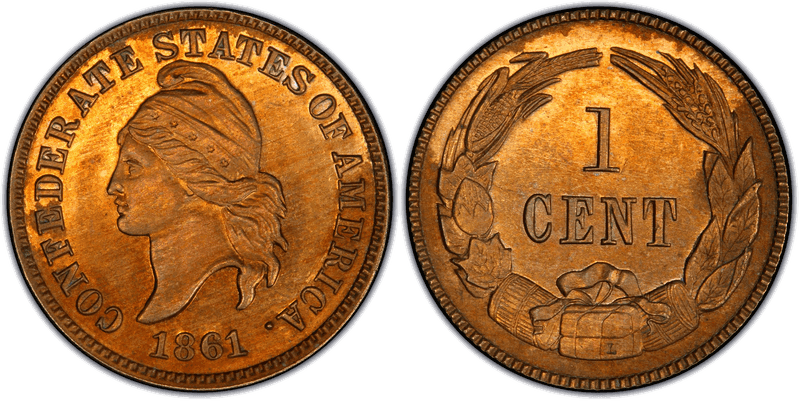
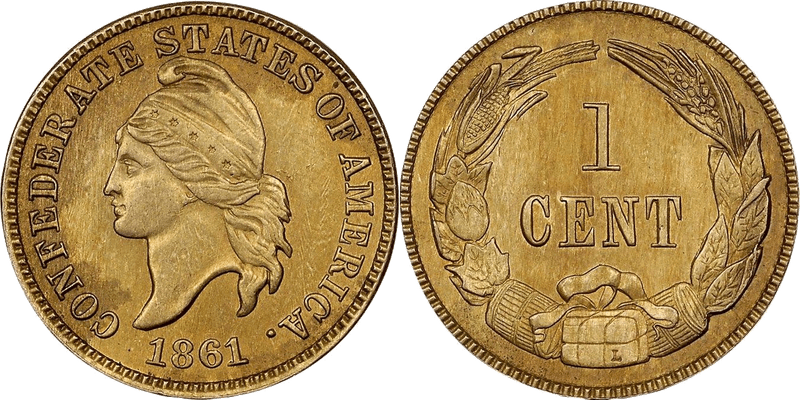
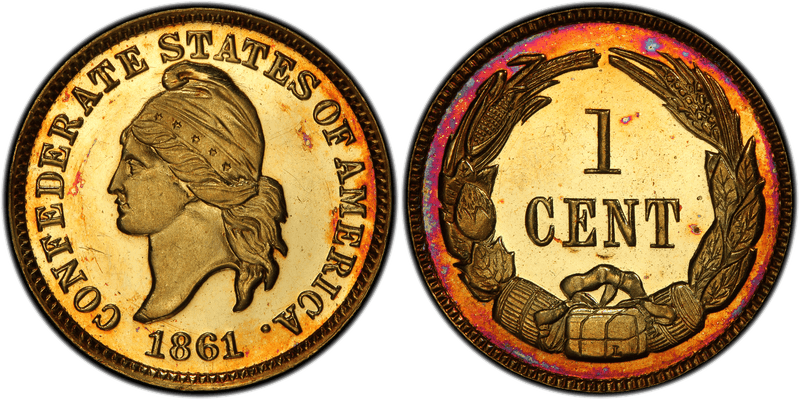
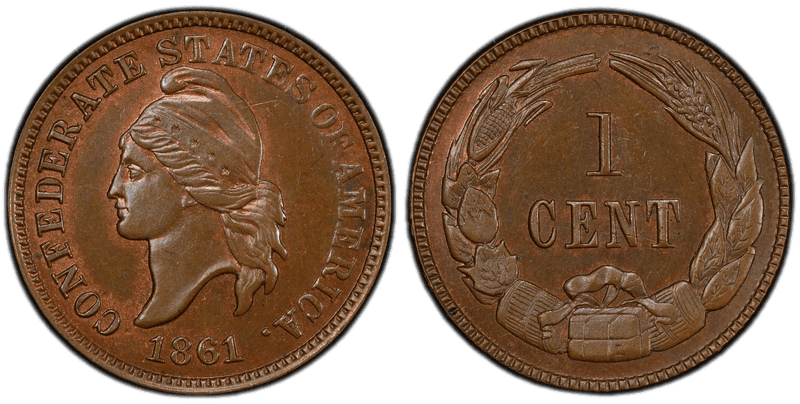
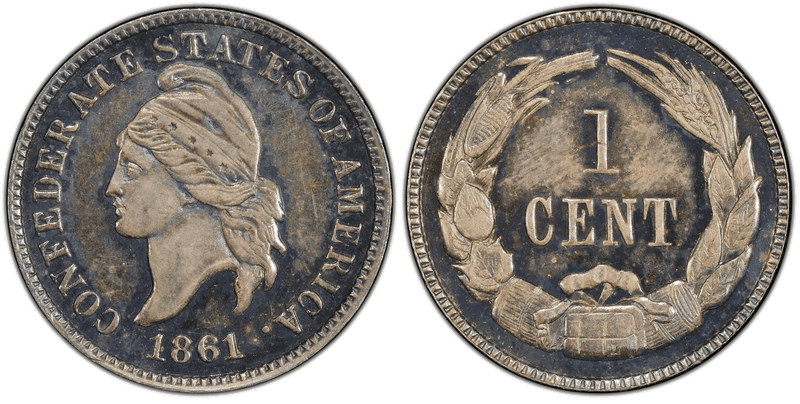
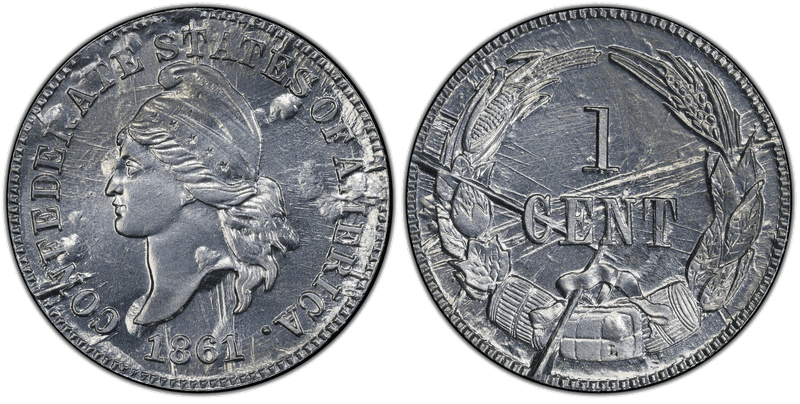
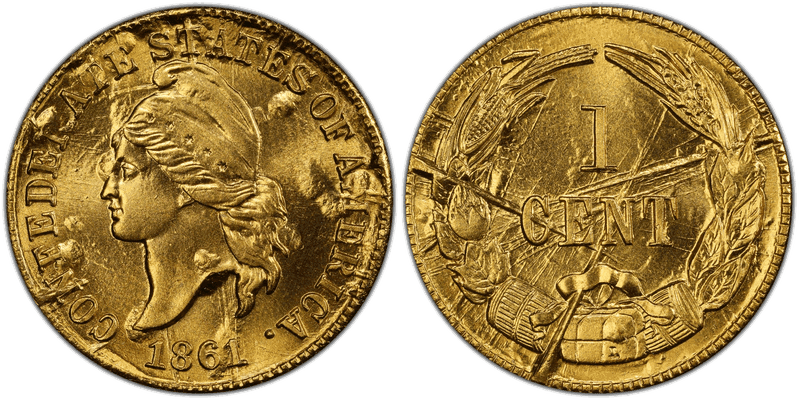
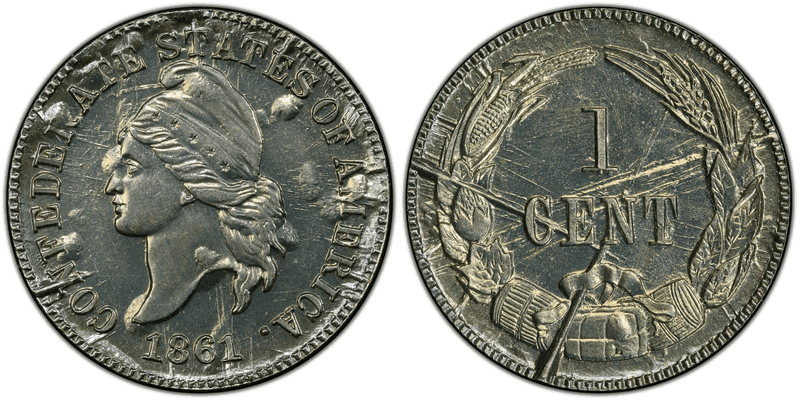
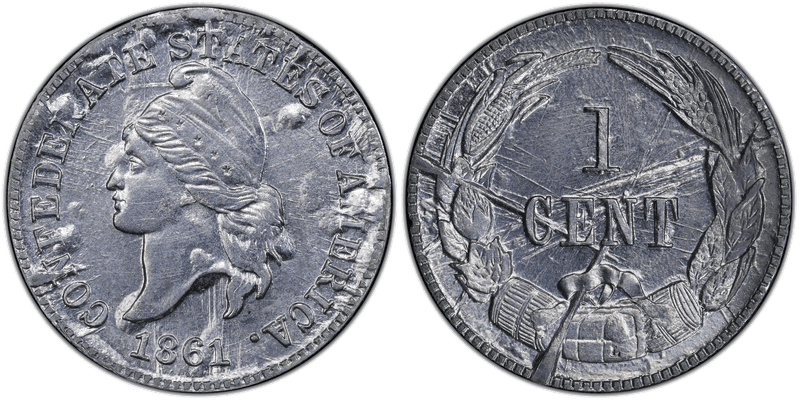
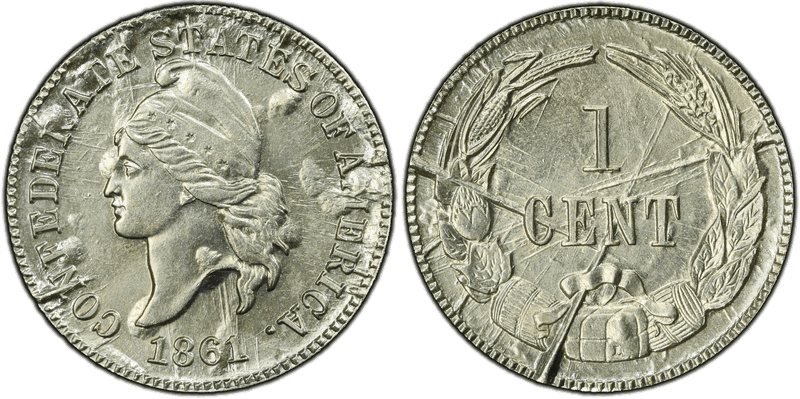
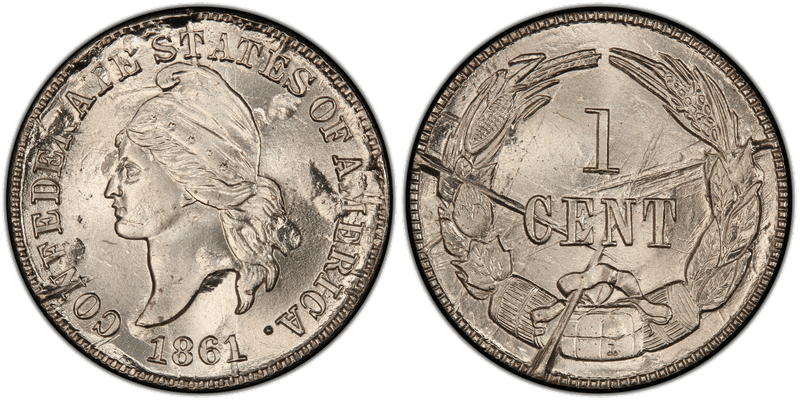
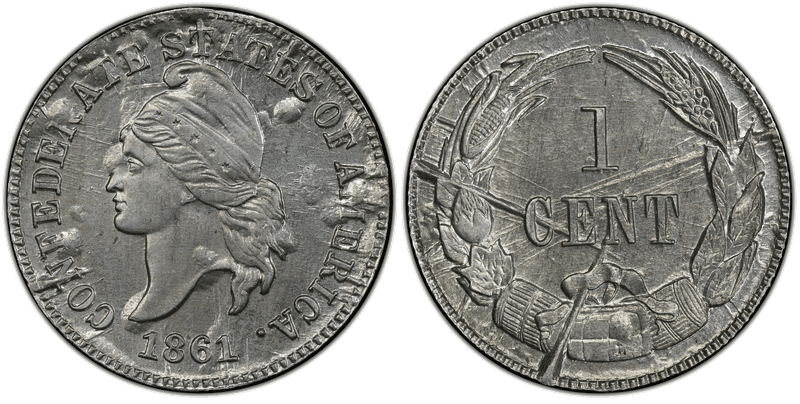
The cent came from the North. Early in 1861 a Philadelphia engraver, Robert Lovett Jr., cut dies for a one-cent piece with a head of Liberty and a wreath around 1 CENT and CONFEDERATE STATES OF AMERICA. He struck a few pieces in copper-nickel, about twelve by most accounts, and kept them and the dies rather than send them south. The original cent first appeared late in 1873. Dr. Edward Maris bought Lovett's coins and John W. Haseltine his dies, and in 1874 Haseltine restruck the cent in gold, silver and copper, after which the dies were defaced.

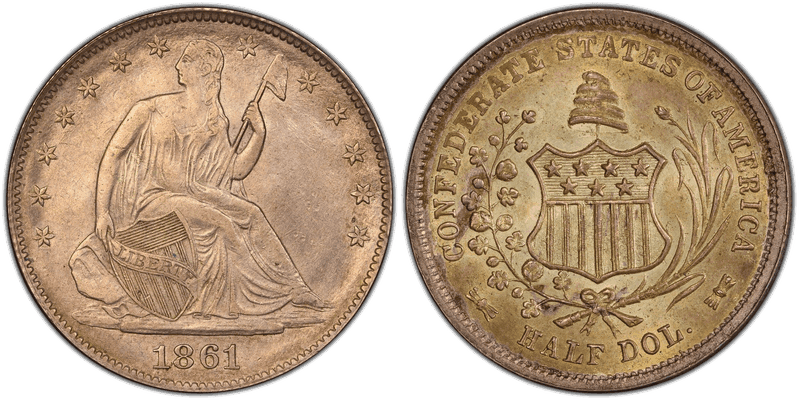
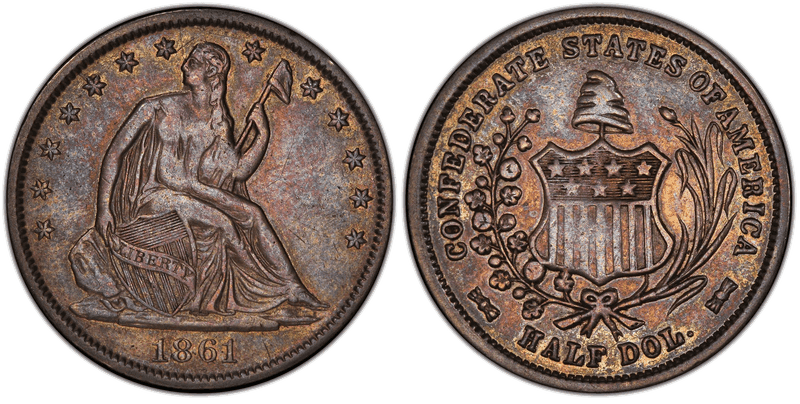
The half dollar came from New Orleans. The mint there passed to Louisiana when the state seceded and then to the Confederate States, and it kept striking regular 1861-O half dollars with federal dies. In April 1861 Treasury Secretary C. G. Memminger asked for a Confederate design. The local engraver A. H. M. Patterson cut one reverse die, and the coiners paired it with the regular obverse to strike four pieces before the work stopped. The chief coiner, B. F. Taylor, kept his piece and the die until 1879, when he sold them to J. W. Scott & Co. of New York.
How to Identify It

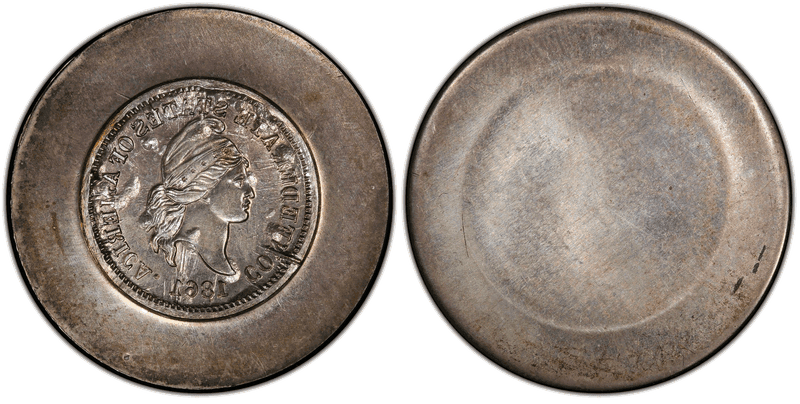
Cent. Lovett's cent has a head of Liberty on the obverse and a wreath on the reverse. CoinWeek notes that the originals are struck with a medal turn and show Lovett's L clearly, while Haseltine's restrikes are softer and struck with a coin turn. The restrikes are in gold, silver and copper; a cent in any of those metals is a restrike, not an original.

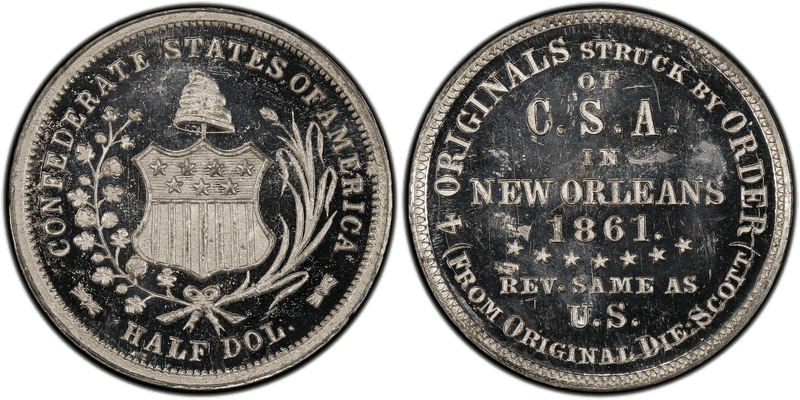
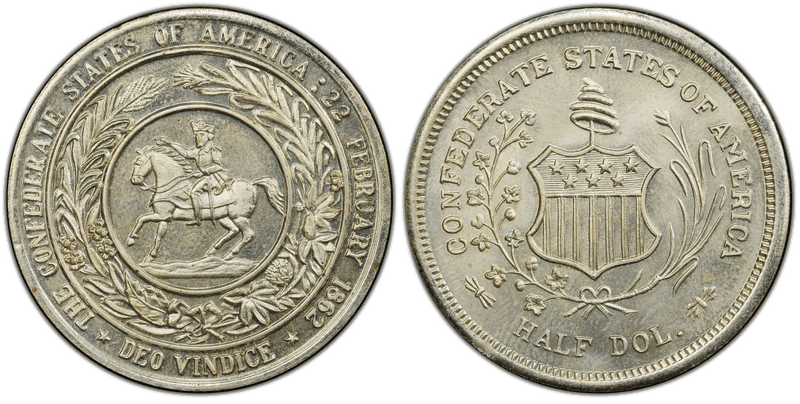
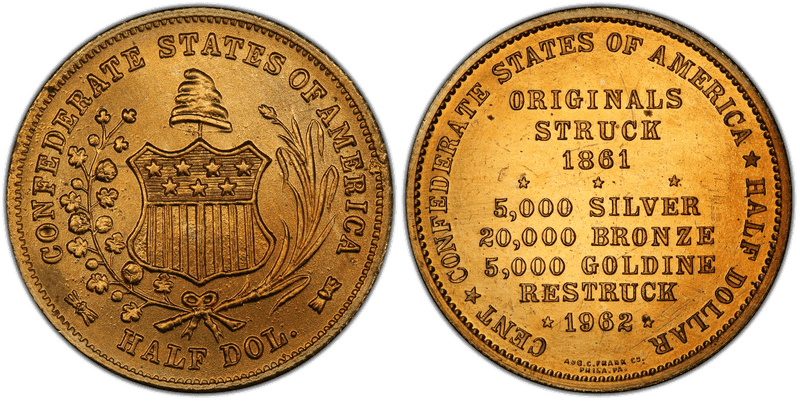
Half dollar. The Confederate reverse shows a shield of seven stars and seven stripes under a liberty cap on a pole, between a cotton branch and another stalk, with CONFEDERATE STATES OF AMERICA and HALF DOL. The original pairs it with a normal Seated Liberty obverse dated 1861. A Scott restrike has the same reverse on a host coin whose obverse was flattened in the striking. A Scott token is white metal with an inscription in place of Liberty.

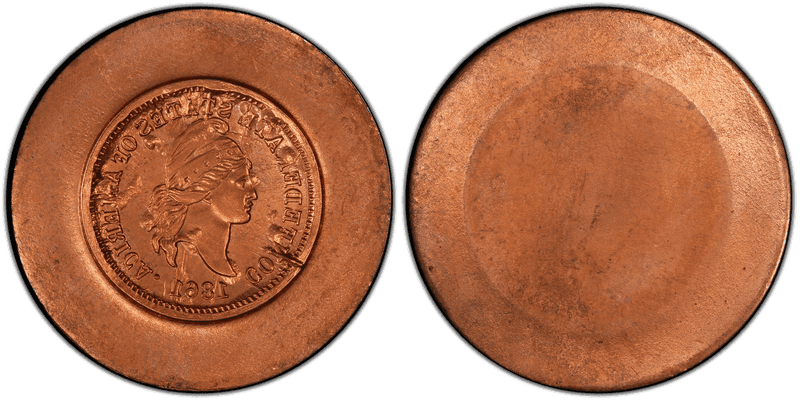
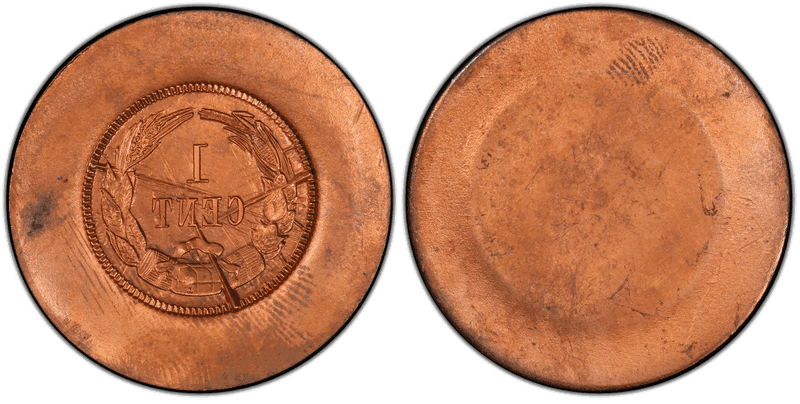
Bashlow pieces. Robert Bashlow's cents of 1961 come from transfer dies taken from Lovett's defaced dies, and the defacing marks show on them; they exist in many metals, among them bronze, silver and red fiber. His half dollar pieces of 1962 copy Scott's token from new dies, in brass, bronze and silver.

Key Types and Varieties

Originals, 1861. The Lovett cent in copper-nickel (Breen-8005), graded by NGC both as Mint State and as proof, and the four half dollars with the Confederate reverse, which PCGS lists with the obverse die W-12.

Restrikes, 1874 and 1879. Haseltine's cents (Breen-8006 gold, 8007 silver, 8008 copper; the ANA gives 7, 12 and 55 struck) and Scott's 500 half dollar restrikes and 500 tokens, all from the original dies.

Copies, 1961 and 1962. Bashlow's cents from transfer dies and his half dollar pieces from new dies. Reported figures for each metal differ from one account to another, so none is given here. A white metal piece of 1947 with a Confederate seal, which PCGS lists as a Boston token, is not connected with the 1861 dies.

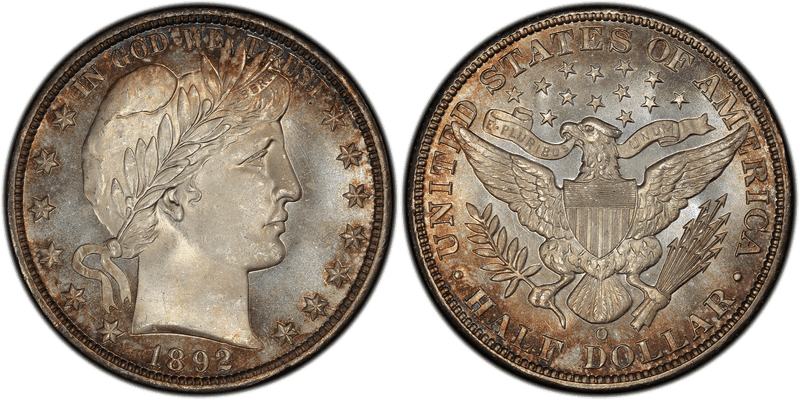
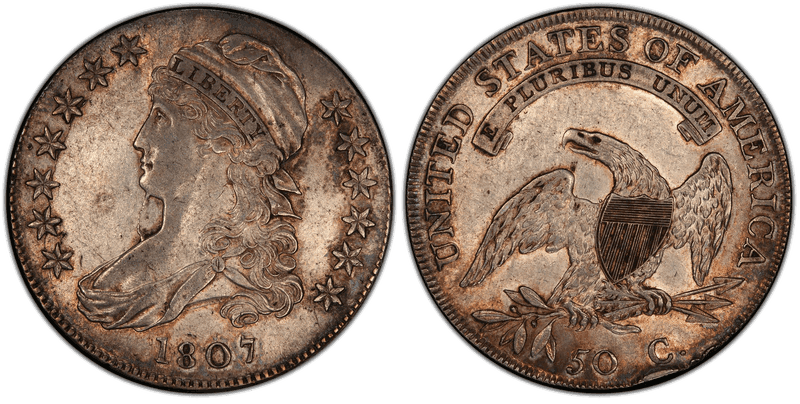
The regular 1861-O half dollars, including those struck while the mint was under Confederate control, are listed in the Seated Liberty half dollar series.

Composition

The original cents are copper-nickel; Haseltine's restrikes are gold, silver and copper. The original half dollars are struck on regular .900 silver planchets, and the Scott restrikes on 1861 half dollars whose reverses had been shaved off. The Scott tokens are white metal. Bashlow's cents were struck in metals from aluminum, lead, tin and zinc to bronze, brass, nickel, silver and gold, and in red fiber; his half dollar pieces in silver, bronze and goldine, a brass alloy.

In Our Catalog

No errors or varieties are listed for Confederate States of America (1861-1863) yet. Submit one

FAQ

How many original Confederate half dollars were struck?

Four. The New Orleans Mint struck them in 1861 with a Confederate reverse cut by the local engraver A. H. M. Patterson and the regular 1861 obverse die. The ANA traces the four to the chief coiner B. F. Taylor, to Dr. E. Ames, to Superintendent William Elmore, whose piece passed to C. G. Memminger and Jefferson Davis, and to John Riddell.

What is the difference between a Scott restrike and a Scott token?

Both come from the original Confederate reverse die, which J. W. Scott & Co. of New York bought in 1879. The token, struck first, is white metal and has an inscription on the other side beginning 4 ORIGINALS STRUCK BY ORDER OF C.S.A. The restrike is struck on an 1861 half dollar whose reverse was shaved off, so the obverse still shows a flattened Seated Liberty and date. The ANA gives 500 of each.

Who made the Confederate cent?

Robert Lovett Jr., an engraver in Philadelphia, cut the dies early in 1861 and struck a small number in copper-nickel, about twelve by most accounts; the dies never reached the Confederacy. The first piece surfaced late in 1873, and in 1874 John W. Haseltine restruck the cent in gold, silver and copper from Lovett's dies.

Are Bashlow restrikes made from the original dies?

Not directly. Robert Bashlow had transfer dies made from Lovett's defaced cent dies in 1961, so his cents copy the design including the defacing marks. His half dollar pieces of 1962 come from new dies copying Scott's token, not from the 1861 die, according to PCGS.

Do the original Confederate half dollars have a mint mark?

No. The 1861 obverse die used for them carries no mint letter, and the Confederate reverse replaced the eagle side where the O of New Orleans appears on the regular 1861-O half dollars. The regular 1861-O coins struck under the Union, the State of Louisiana and the Confederacy belong to the Seated Liberty half dollar series.

↑ Back to the coins: every year, mint, variety and error

Explore Other Denominations

Collector Essentials

Tools and references for building and protecting your coin collection.

As an Amazon Associate, NumisDex earns from qualifying purchases.