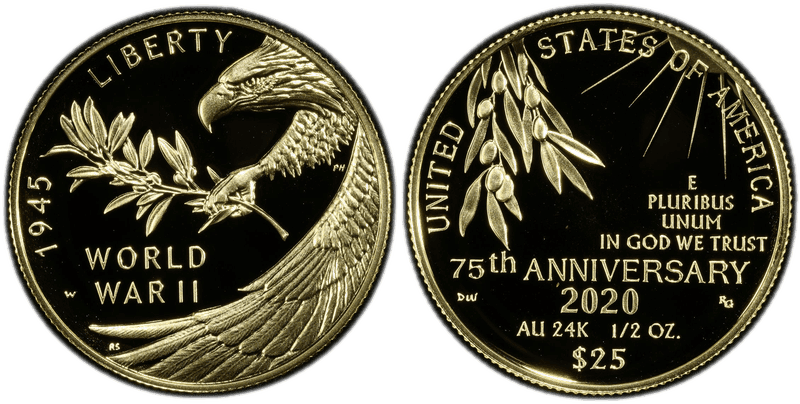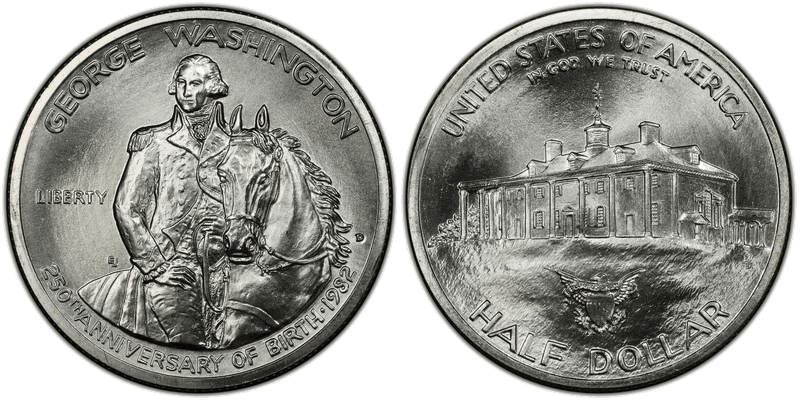
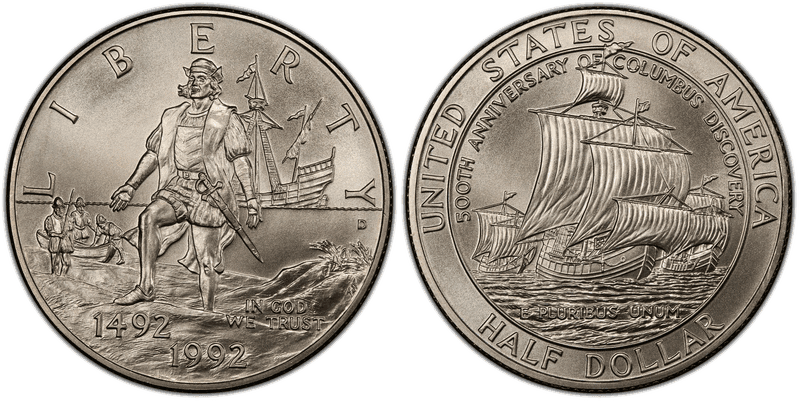
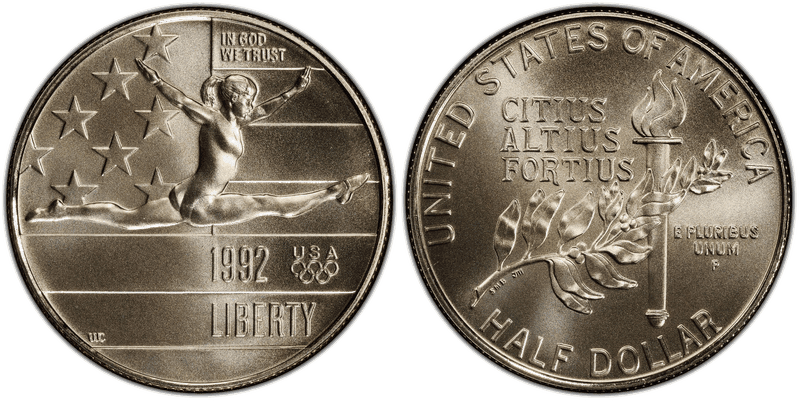
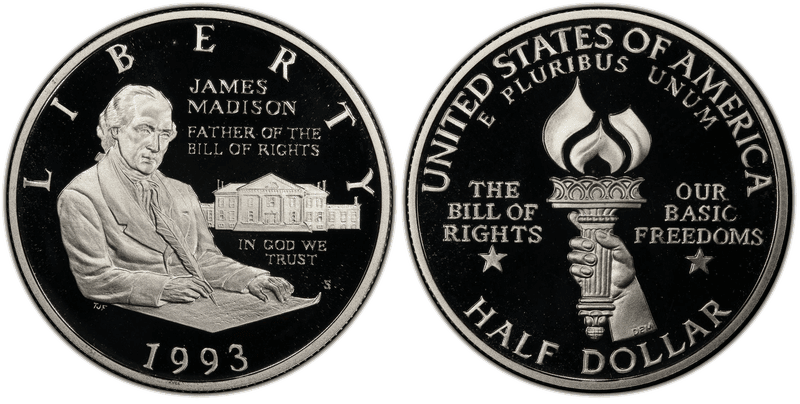
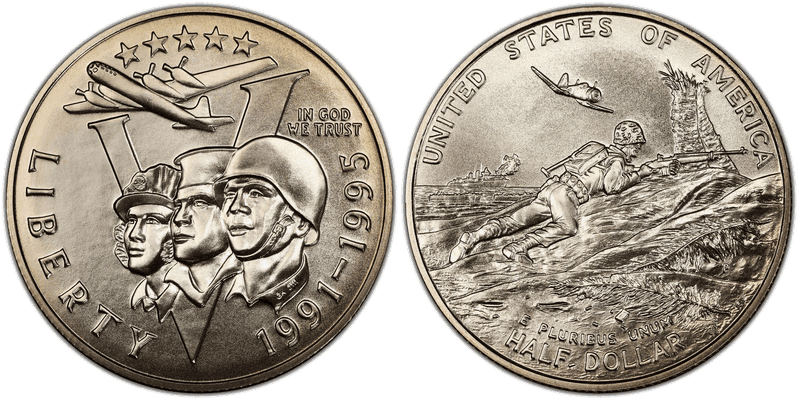
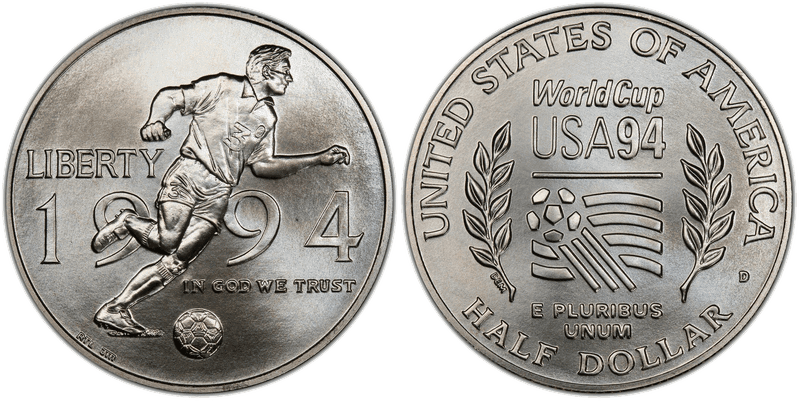
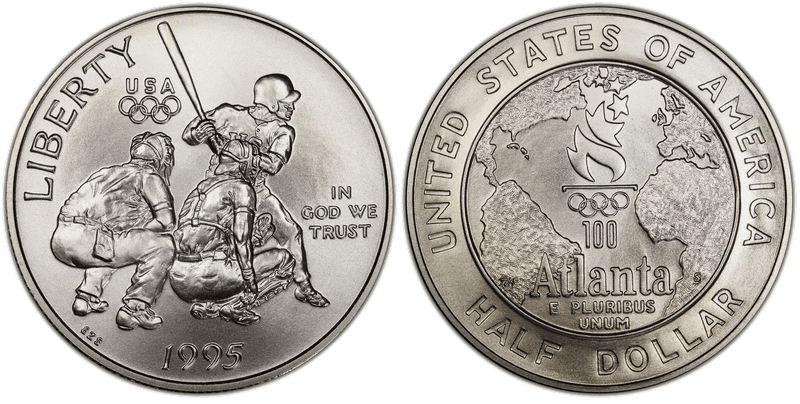
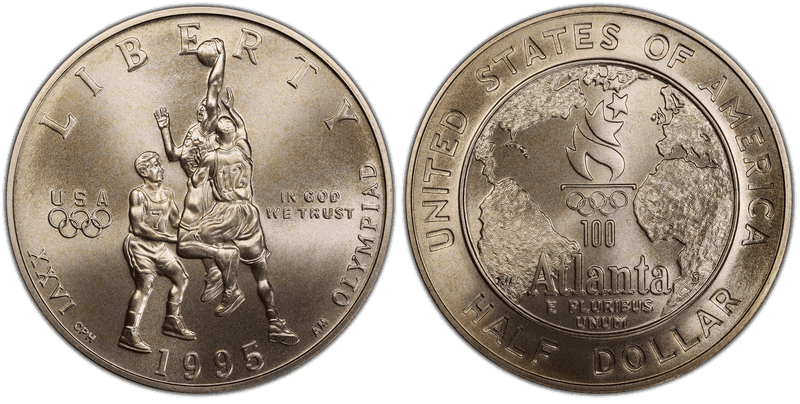
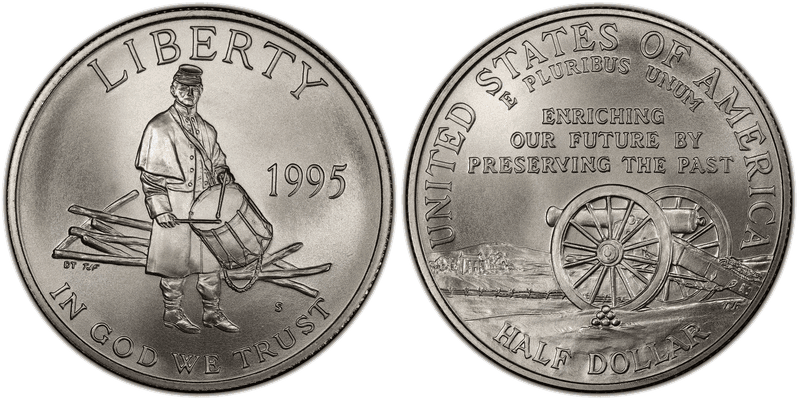
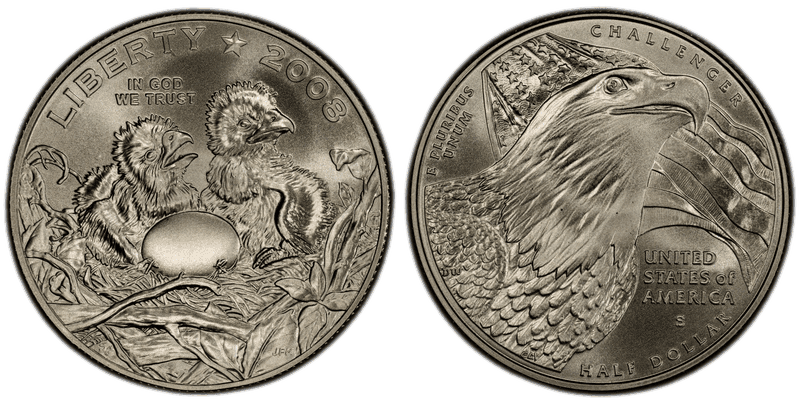
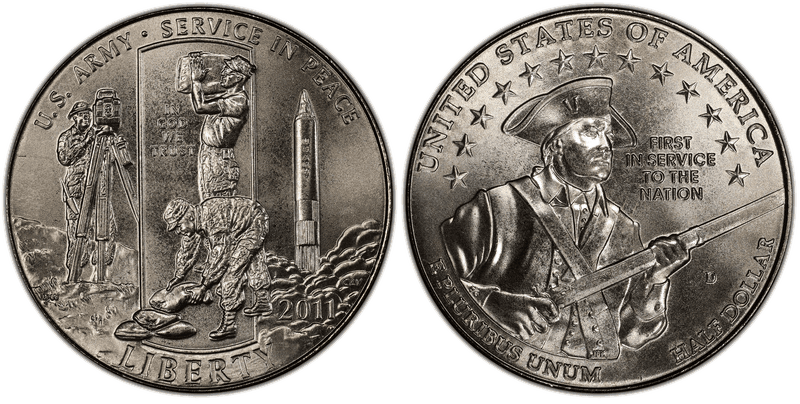
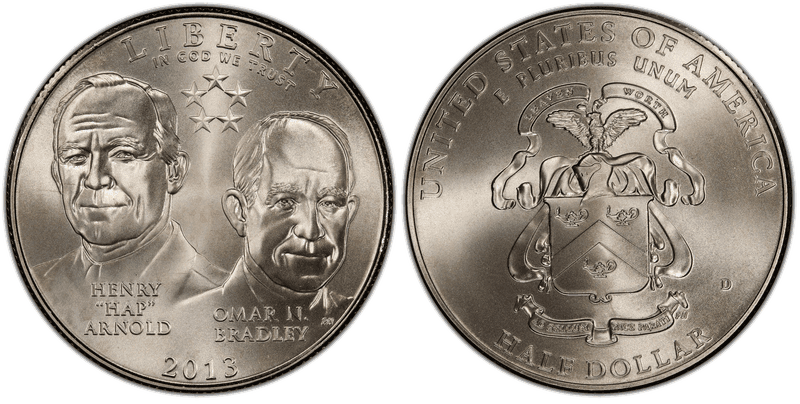
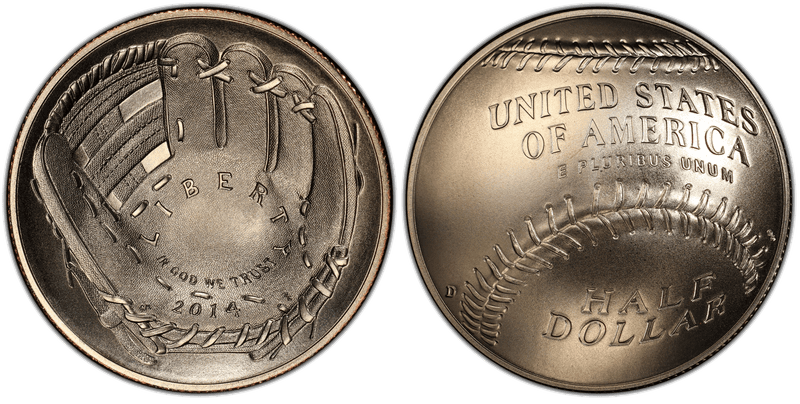
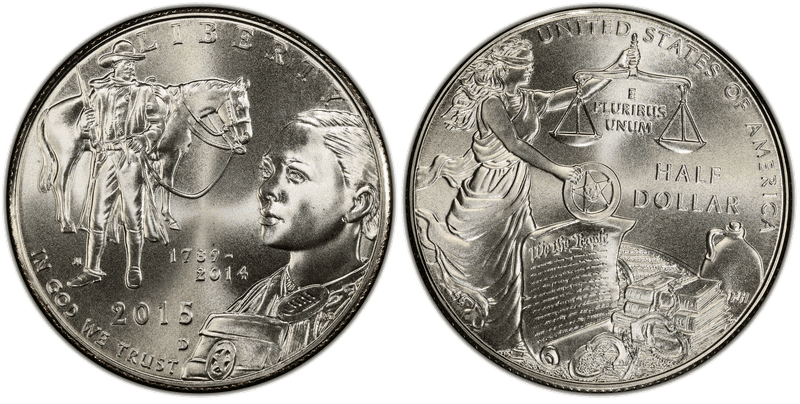
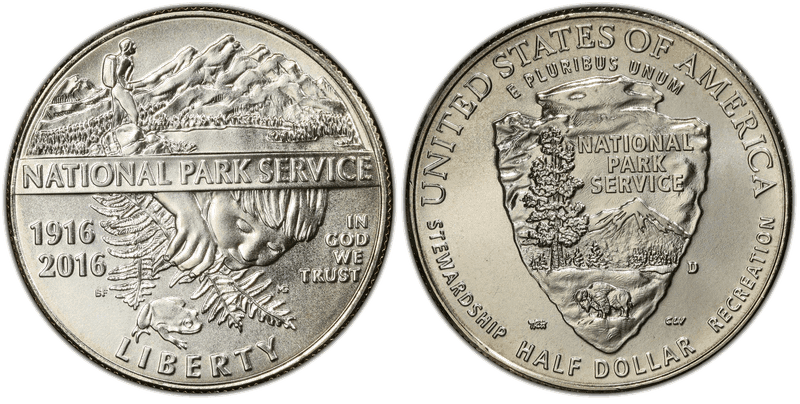
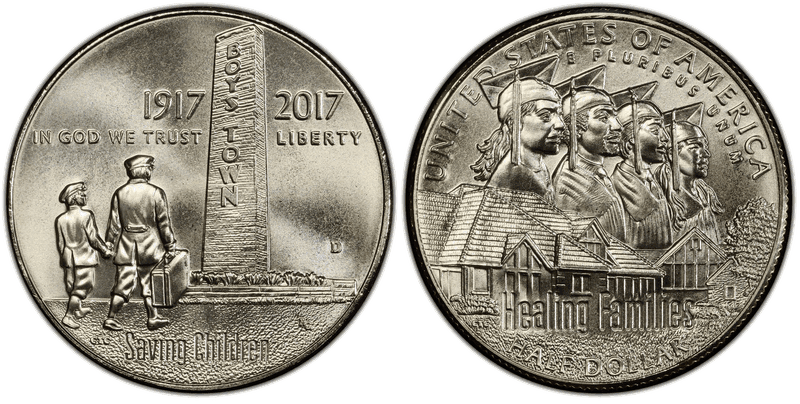
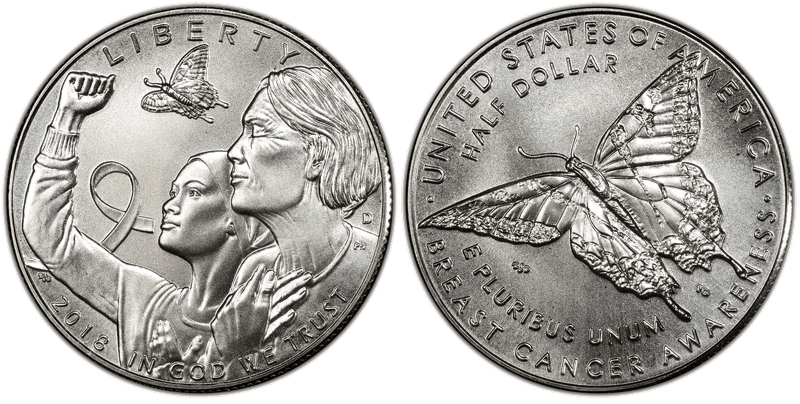
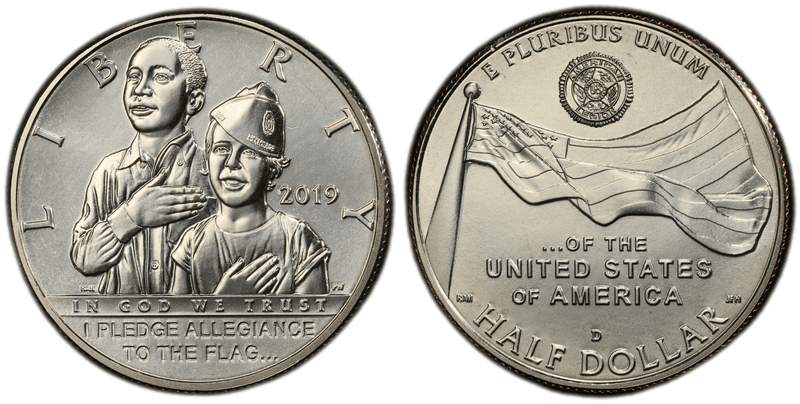
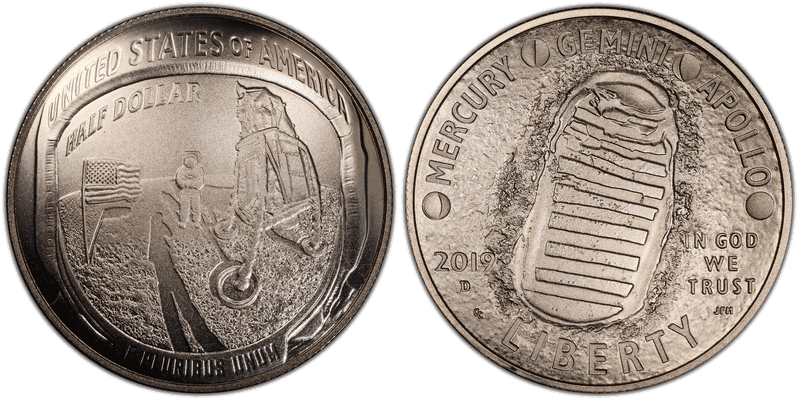
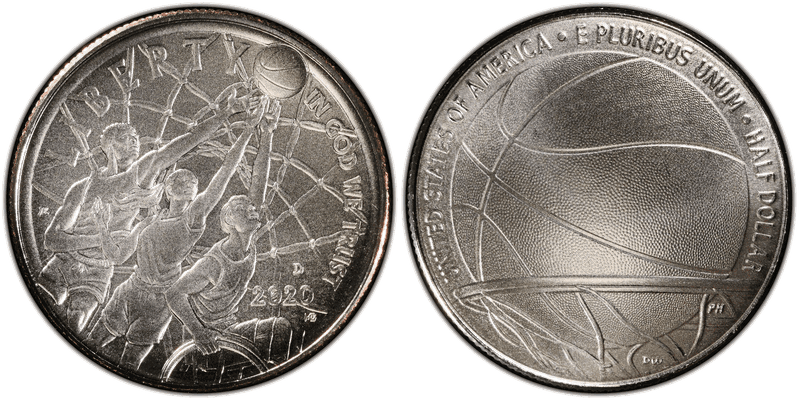
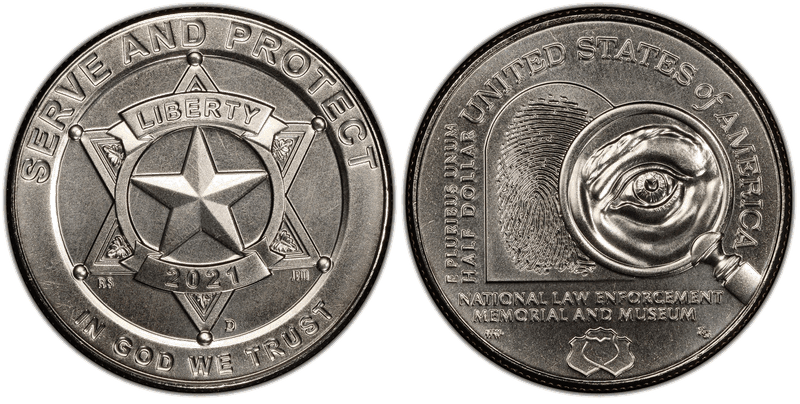
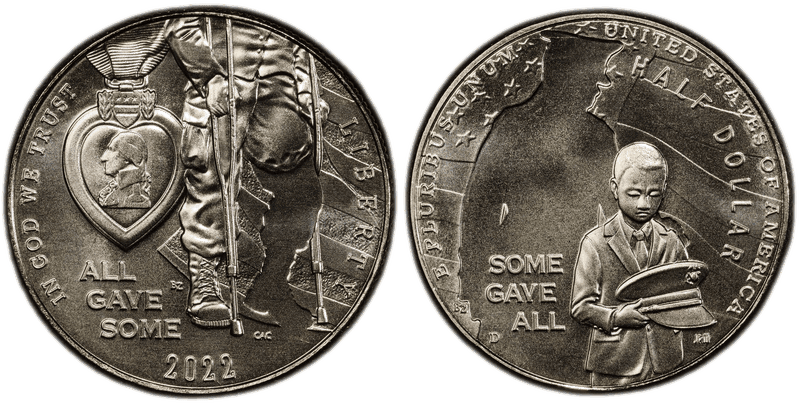
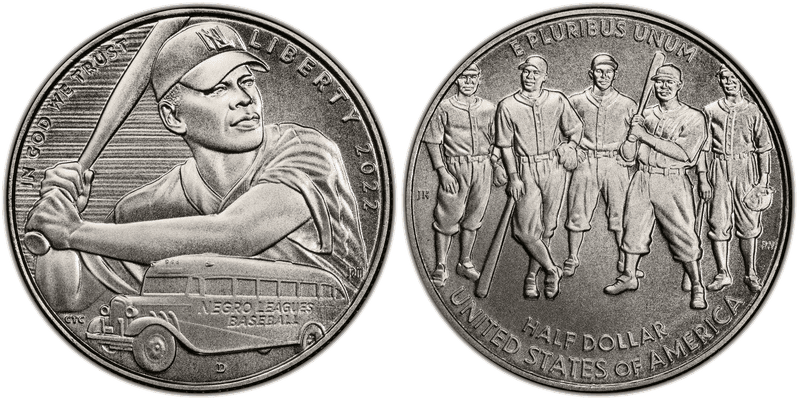
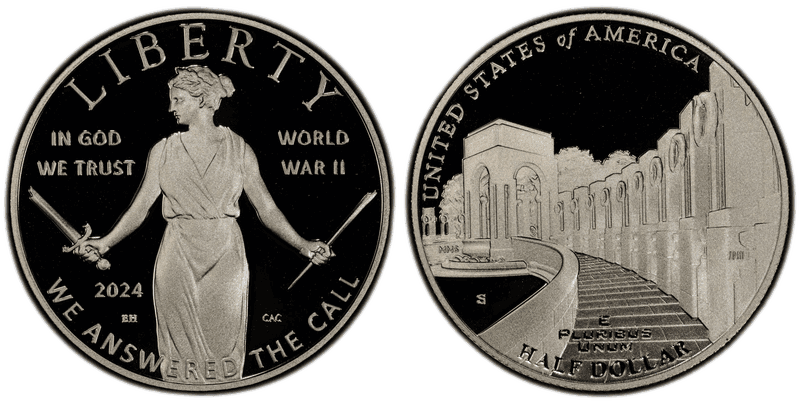
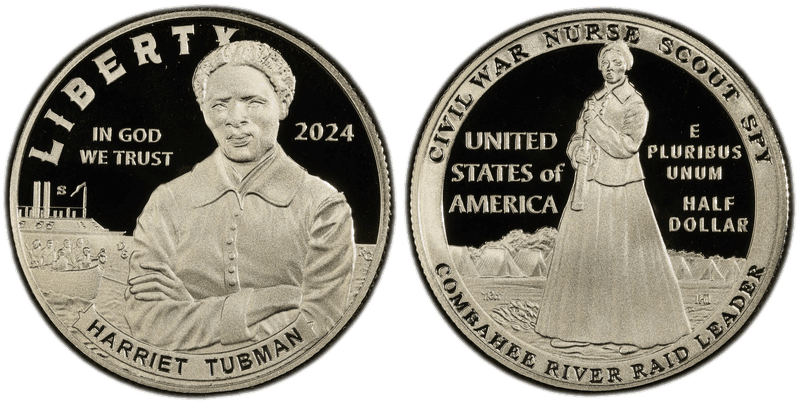
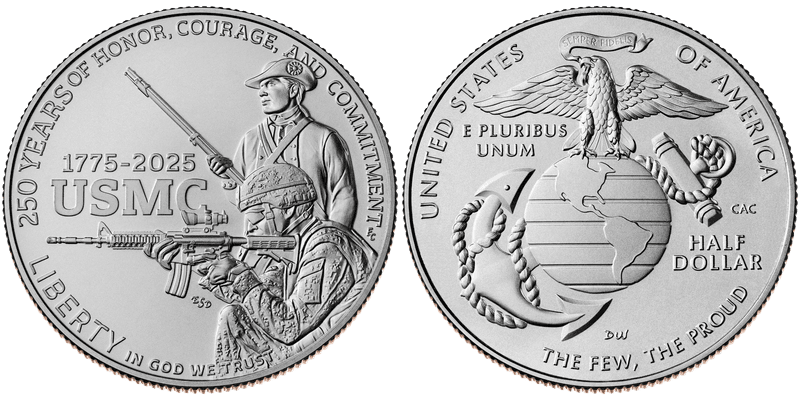
Commemorative coinage had stopped after the Carver-Washington half dollar of 1954, when President Eisenhower vetoed the issues proposed for that year. It came back in 1982 with a half dollar for the 250th anniversary of George Washington's birth, authorized by Public Law 97-104 and struck in 90% silver. That coin began the modern program, and the half dollar has been part of it ever since.
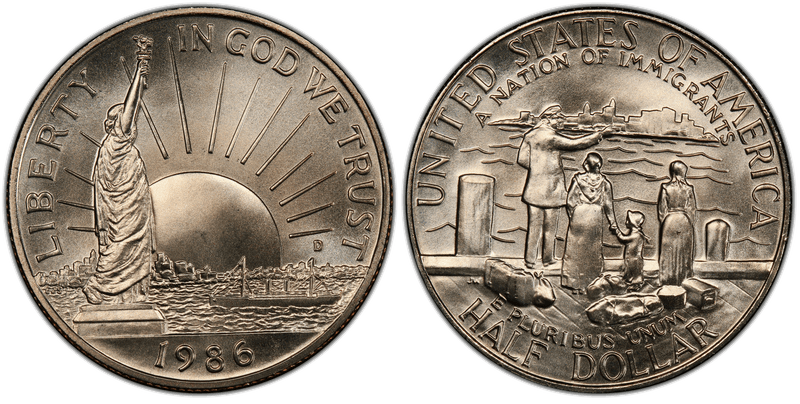
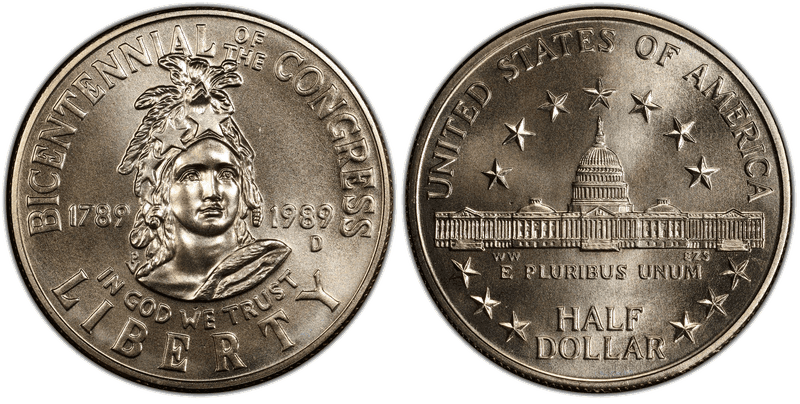
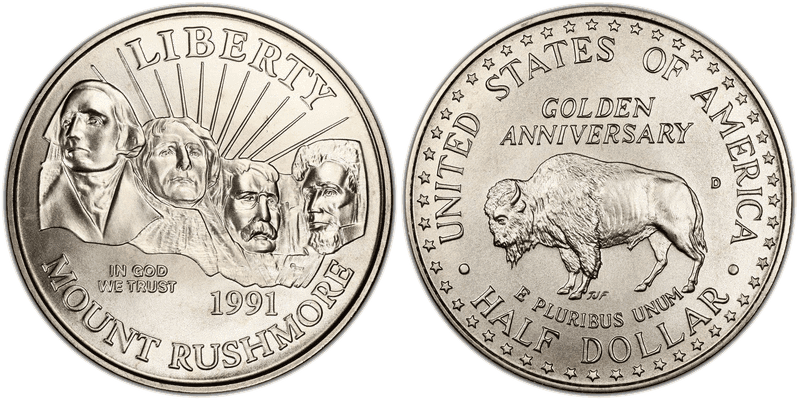
Each issue still needs its own act of Congress. The act sets the coins, the maximum number of each, the year they may be sold and a surcharge built into the price, which the Mint passes to an organization tied to the subject once its own costs are covered: an Olympic committee, a museum, a memorial fund. Unlike the classic commemoratives, which a sponsor bought at face value and resold, modern coins are sold by the Mint itself, singly and in sets, in proof and uncirculated finishes. From 1986 on, nearly every program paired a copper-nickel clad half dollar with a silver dollar and a gold $5 coin; the 1993 Bill of Rights program made its half in silver instead.
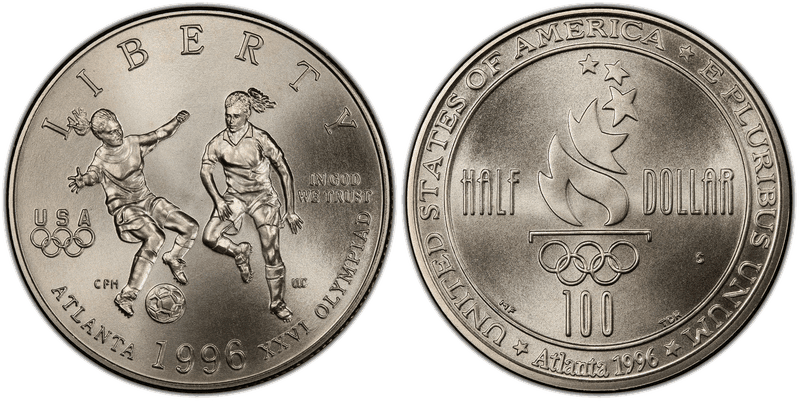
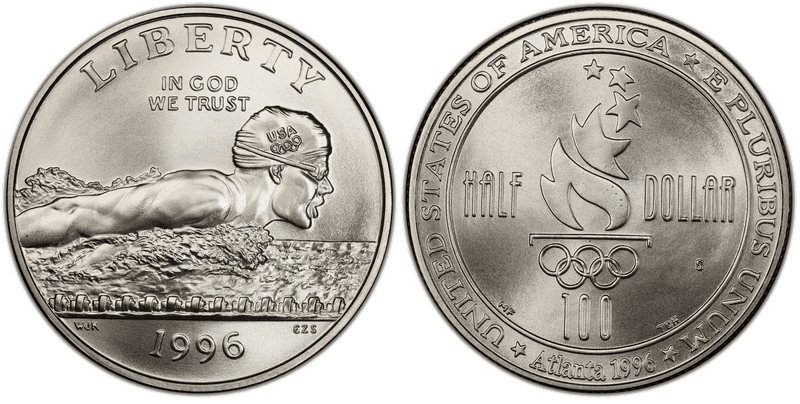
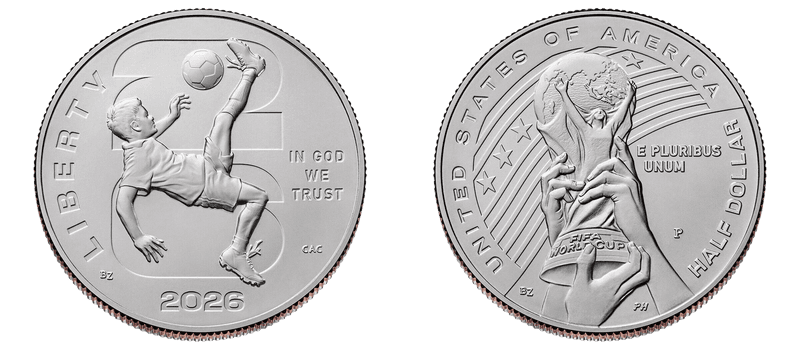
The program has had busy years and empty ones. The Atlanta Centennial Olympics alone produced four half dollars in 1995 and 1996, while the Mint issued no commemorative coins at all in 2023. Since 2014 three programs have been struck as curved coins, and the 2020 Basketball half added a colorized proof. The FIFA World Cup half is the only congressionally authorized commemorative program for 2026.
Commemoratives of the earlier era are on the classic silver commemoratives page.