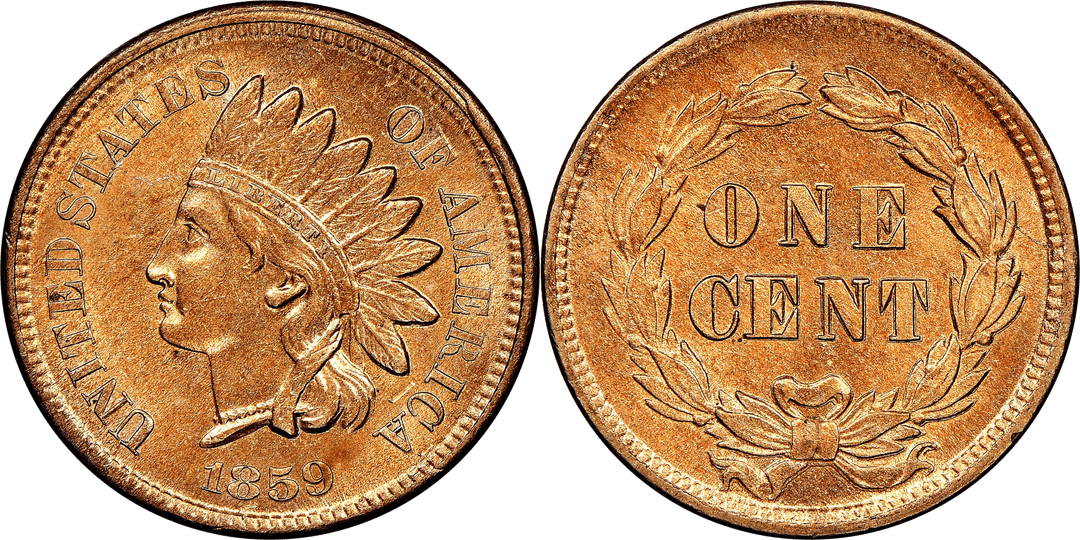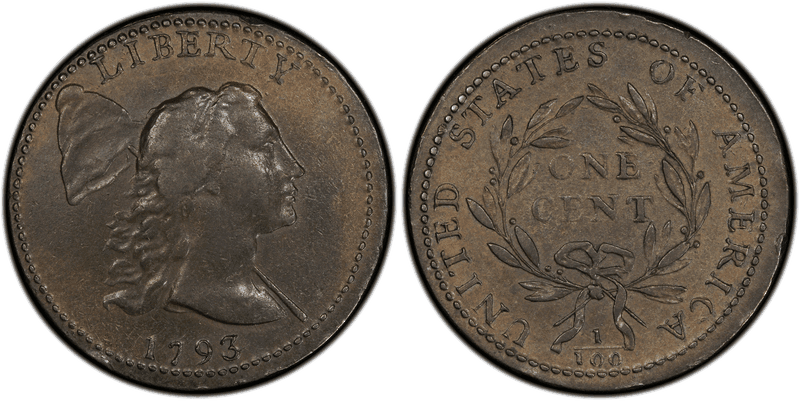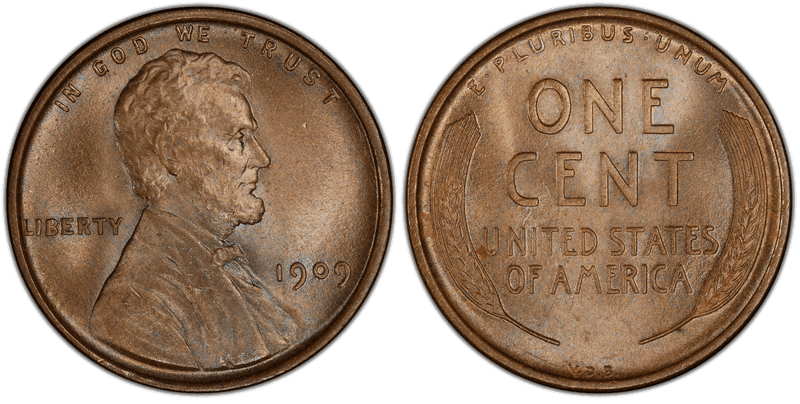
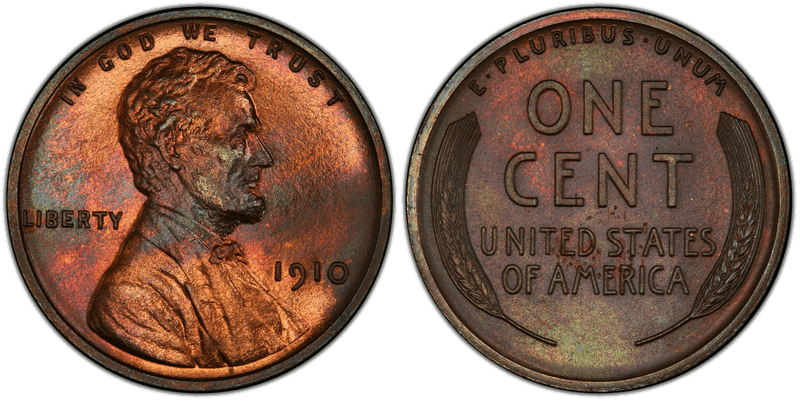
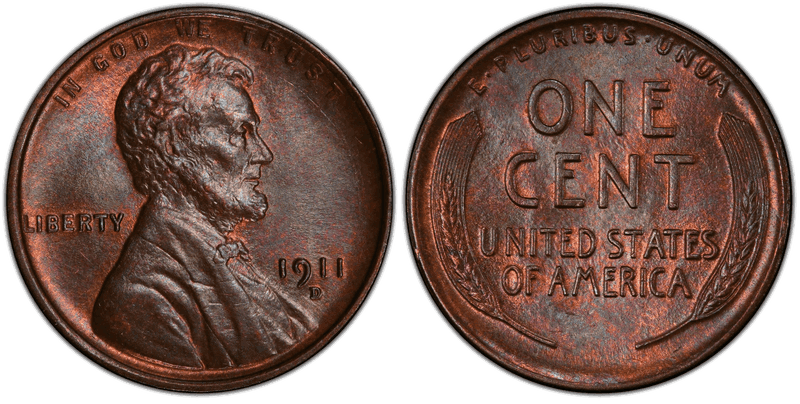
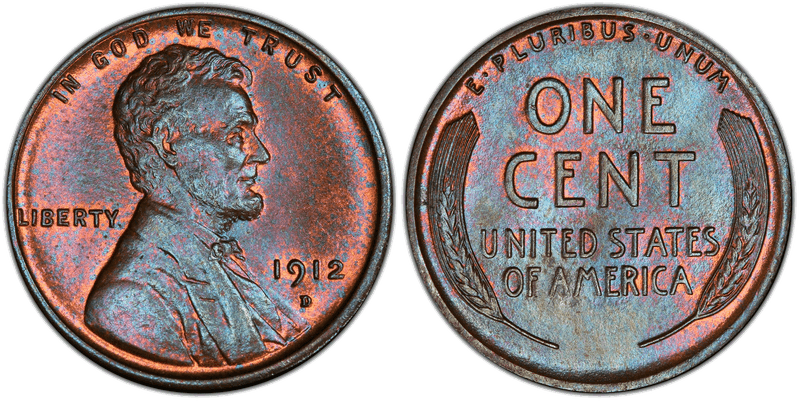
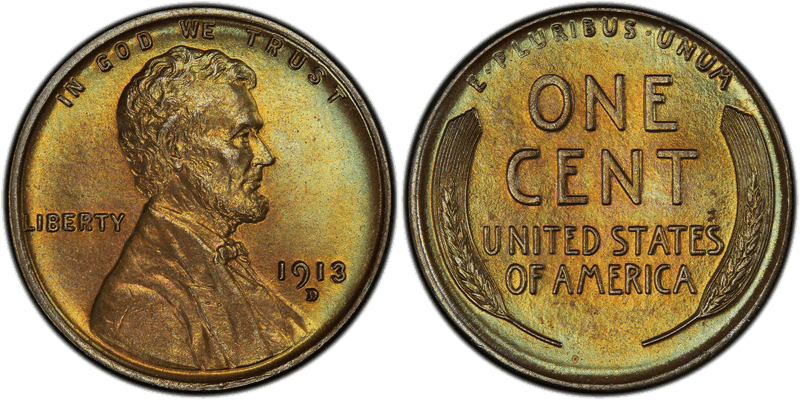
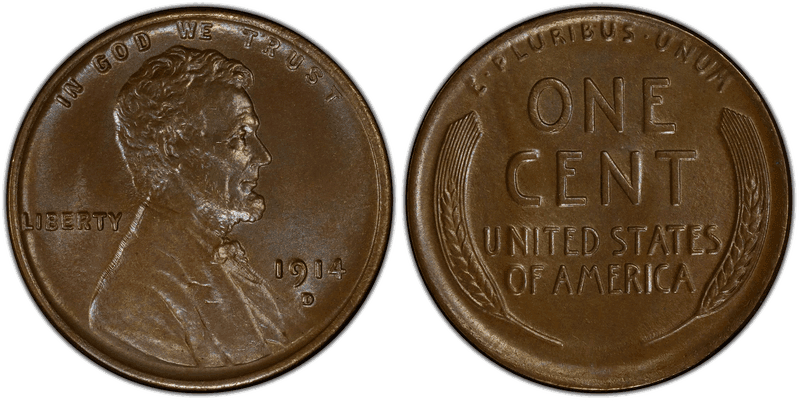
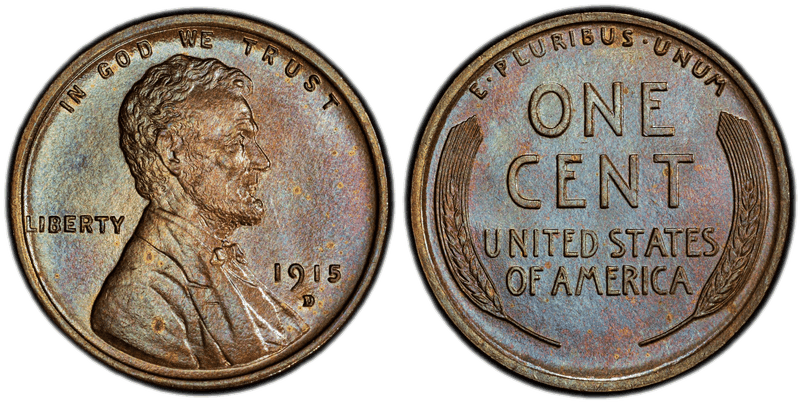
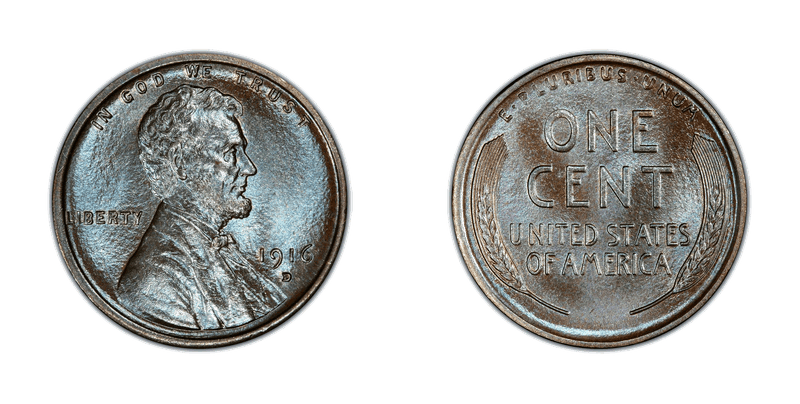
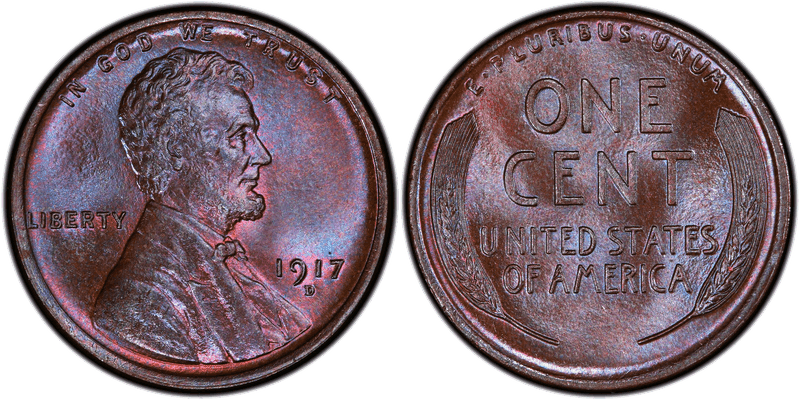
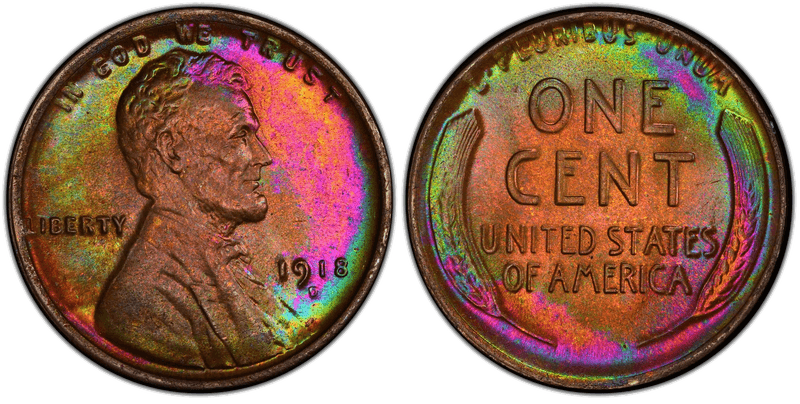
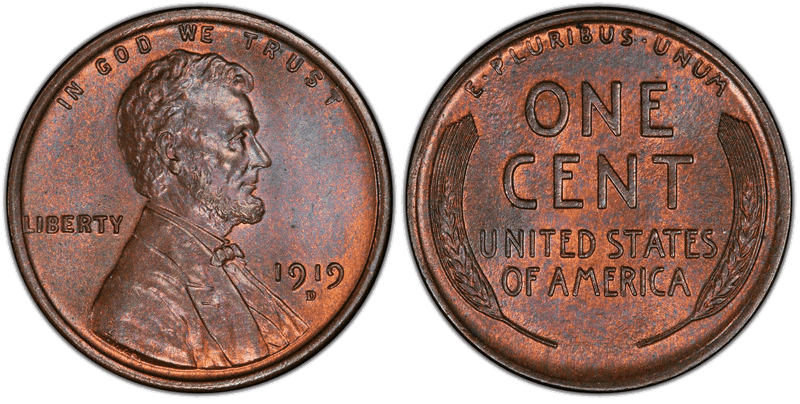
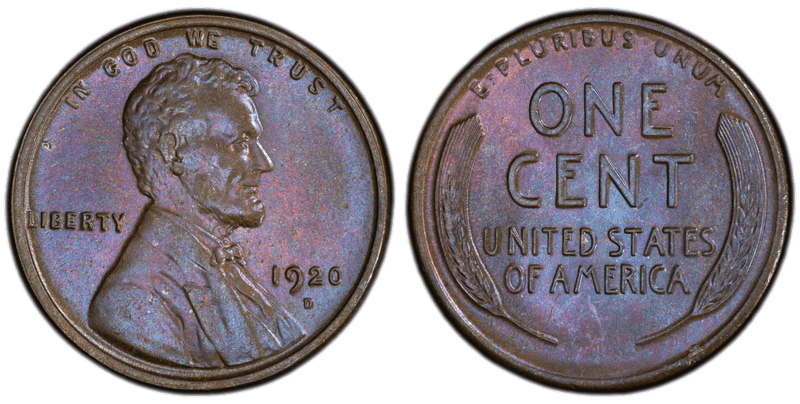
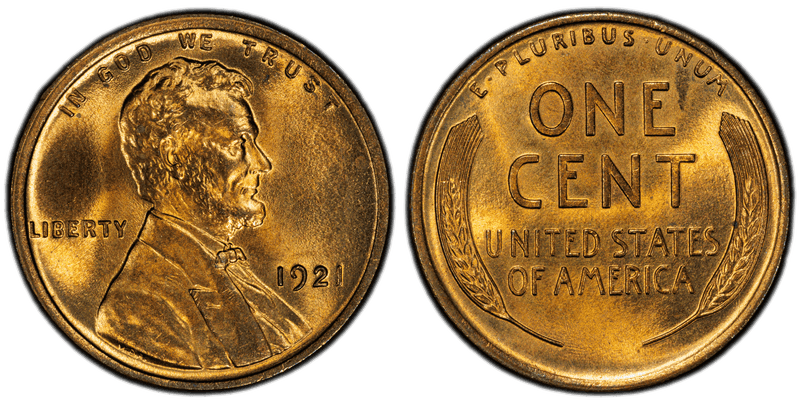
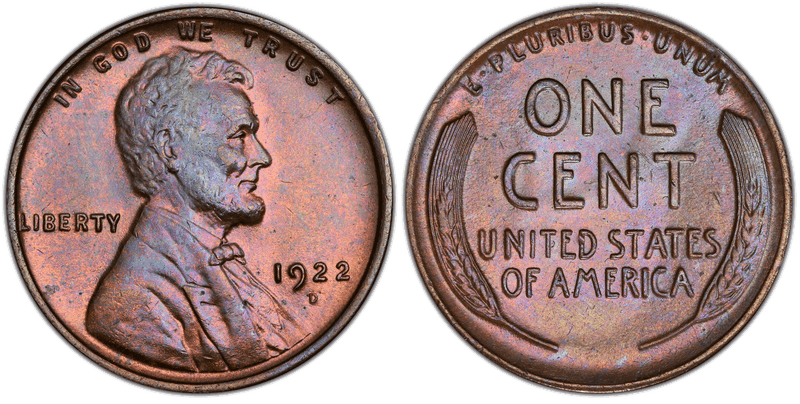
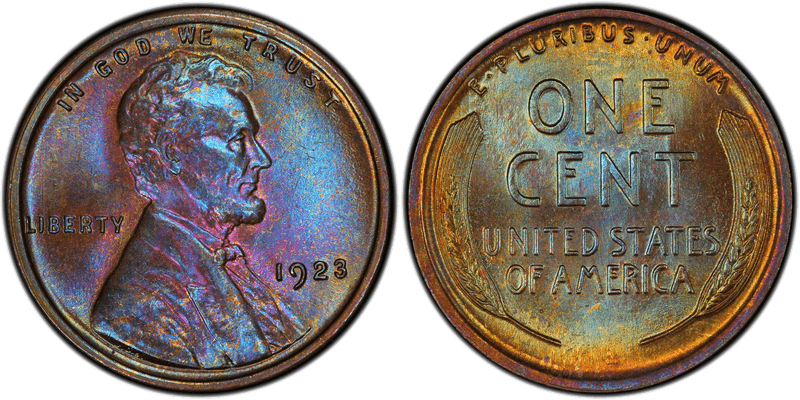
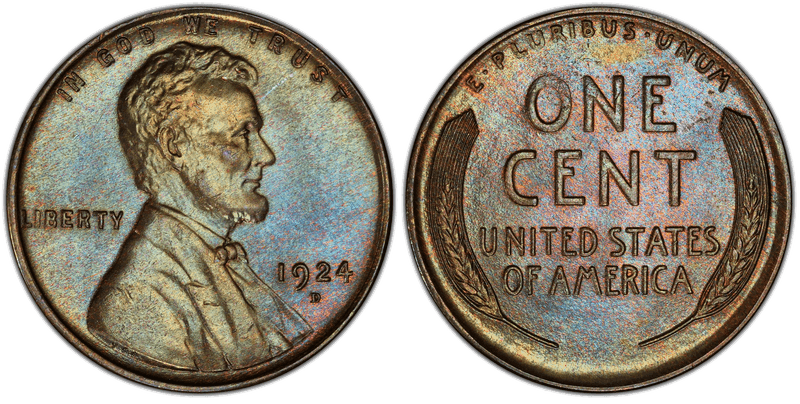
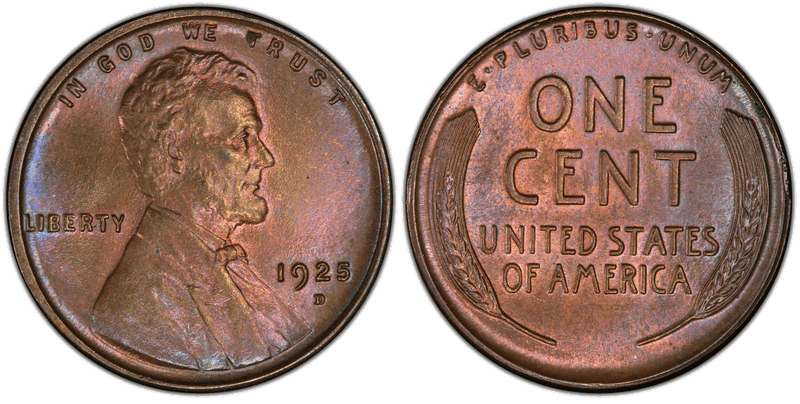
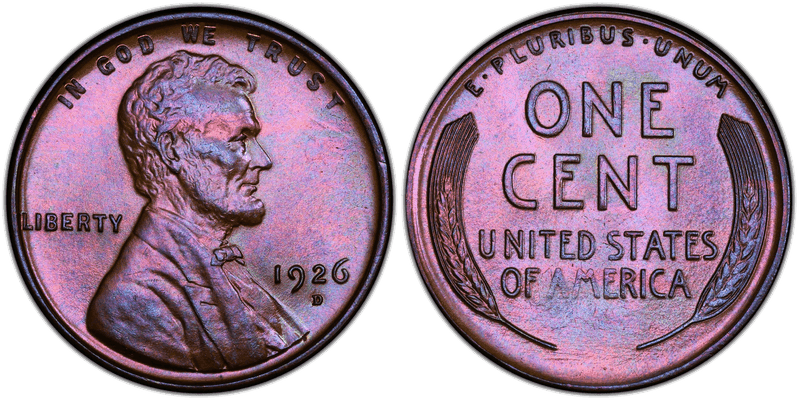
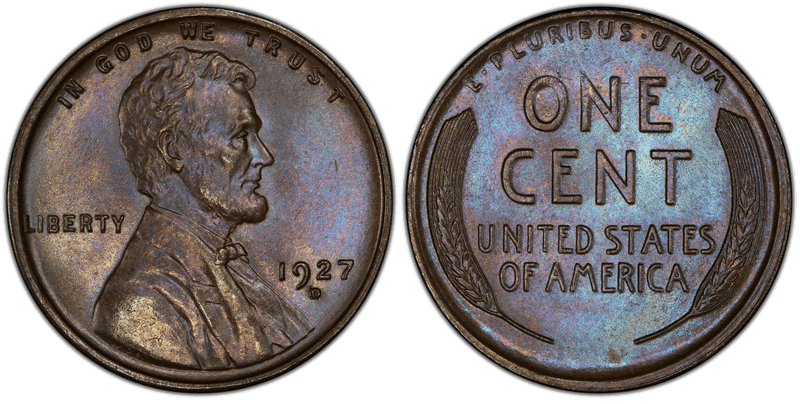
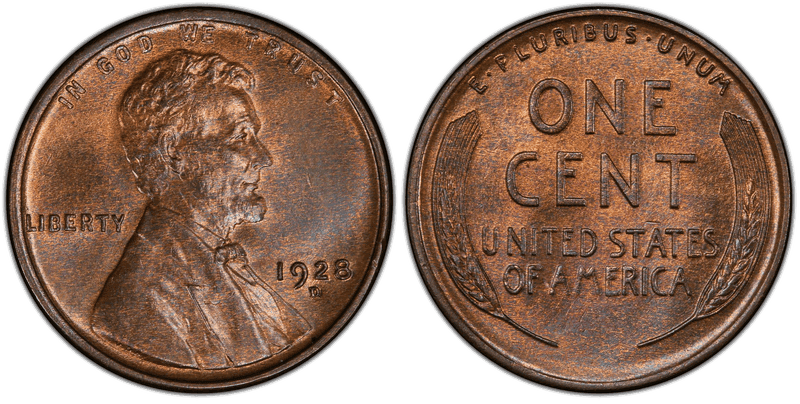
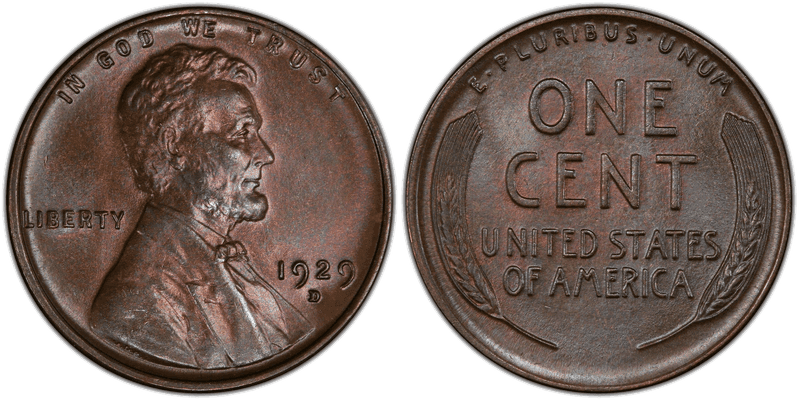
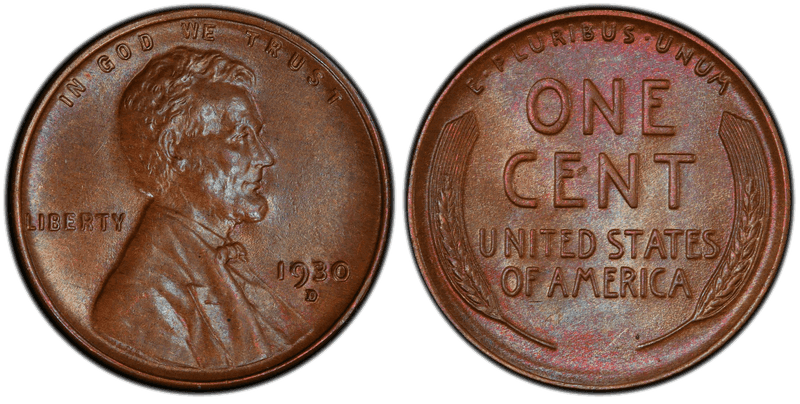
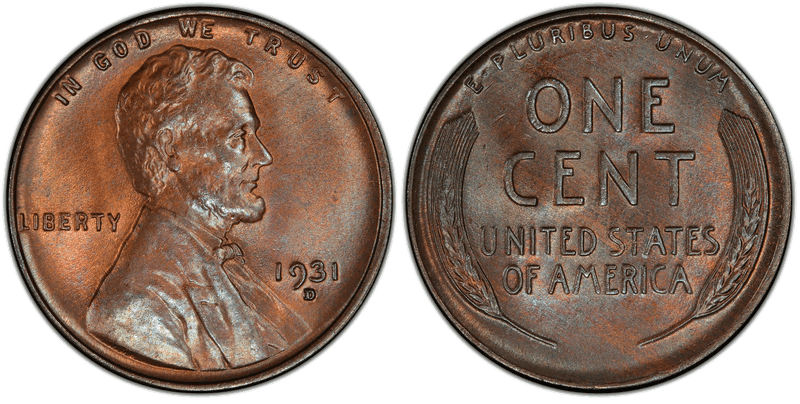
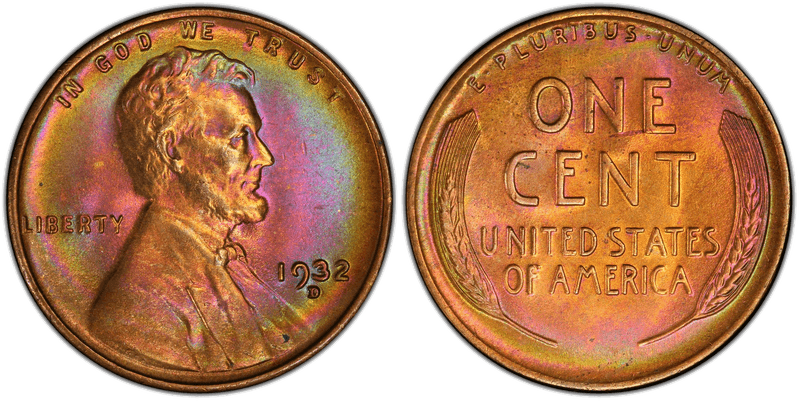
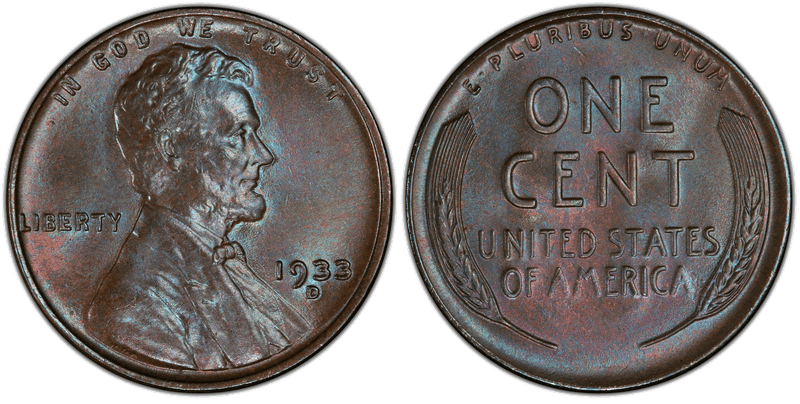
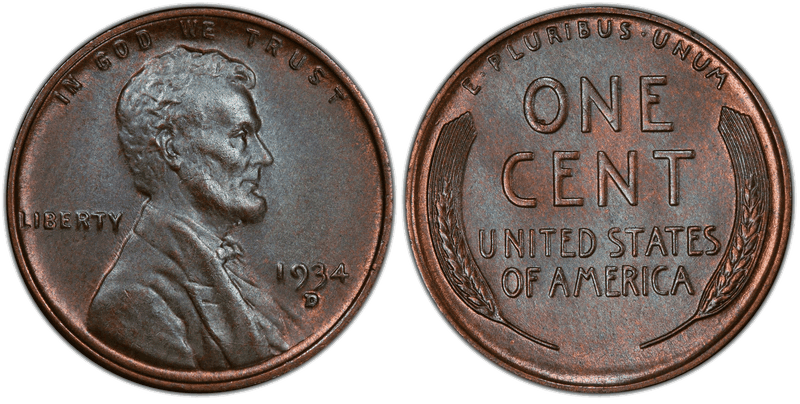
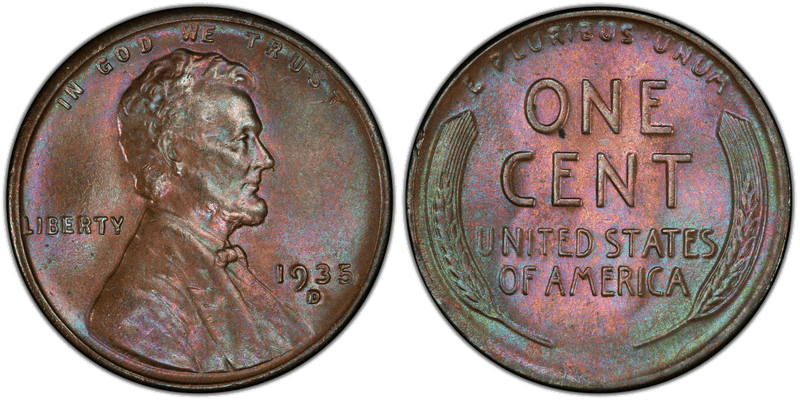
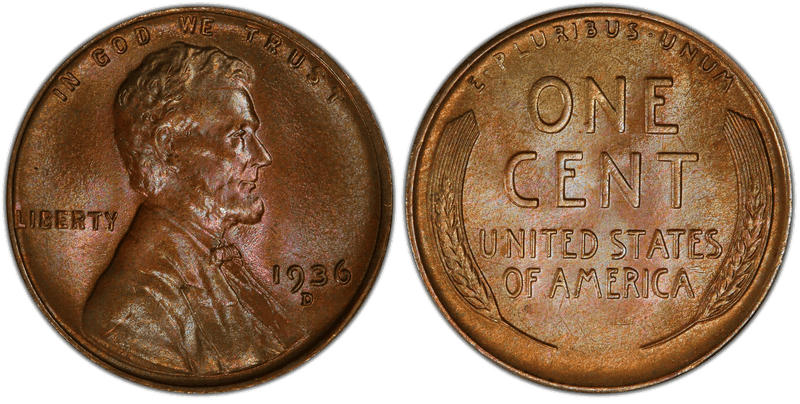
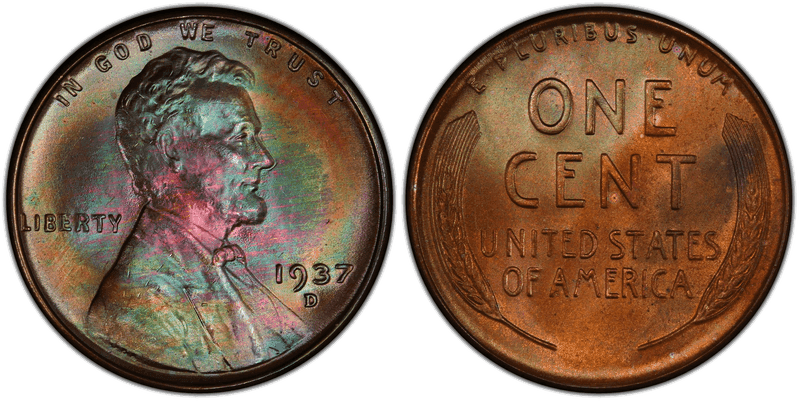
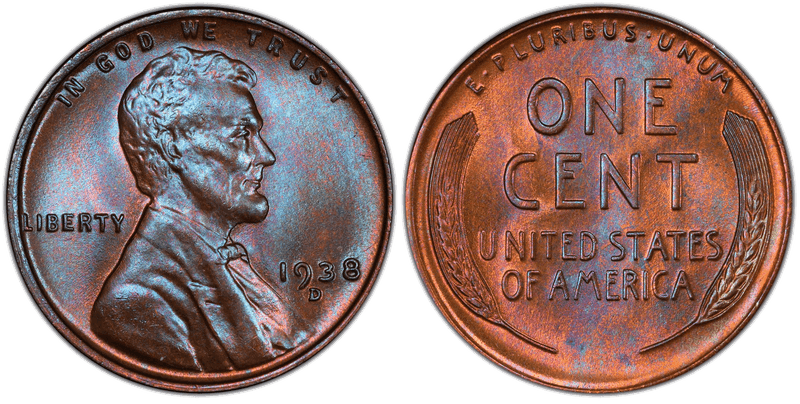
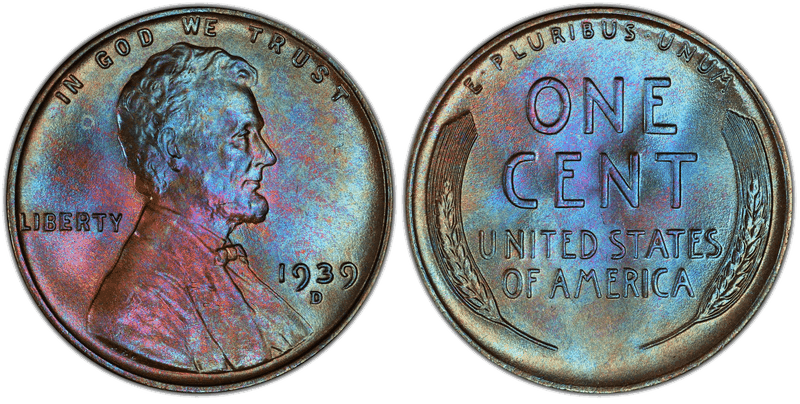
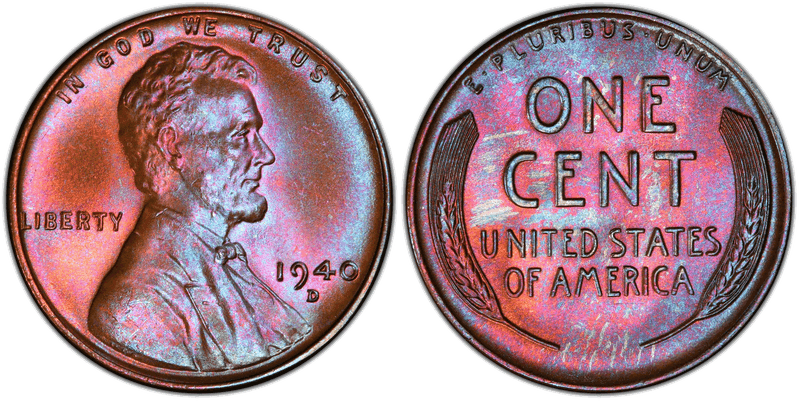
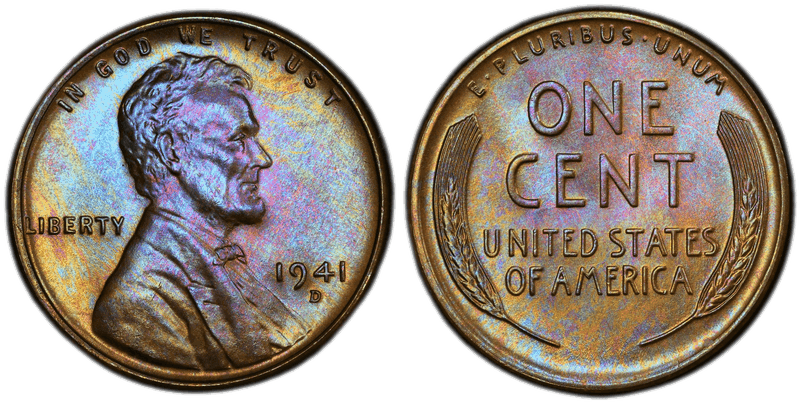
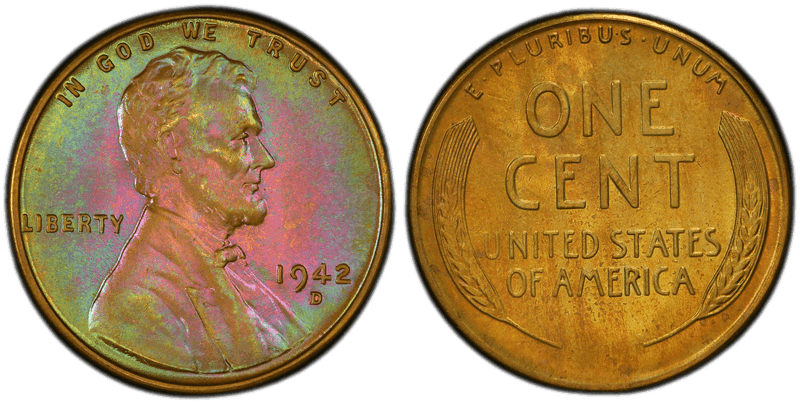
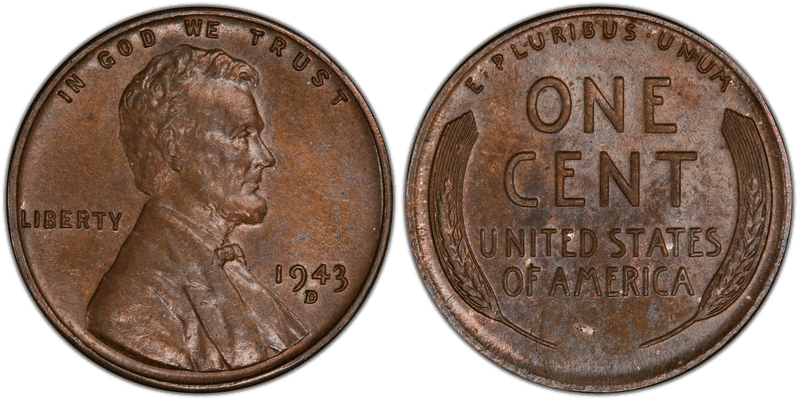
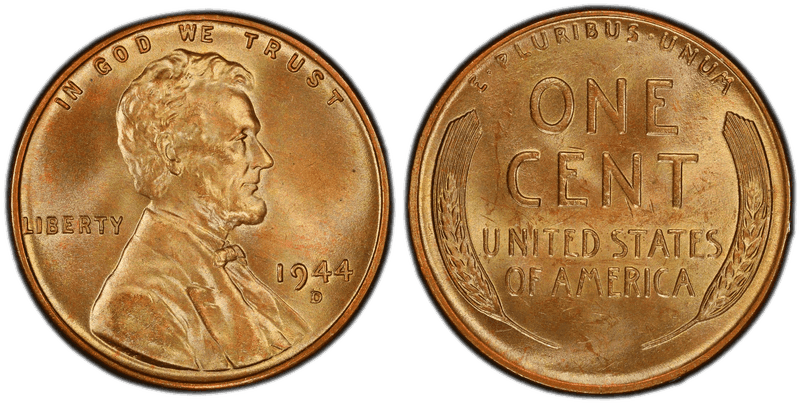
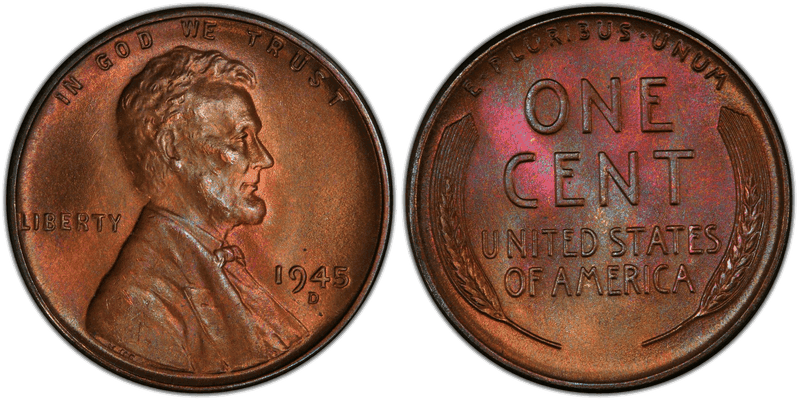
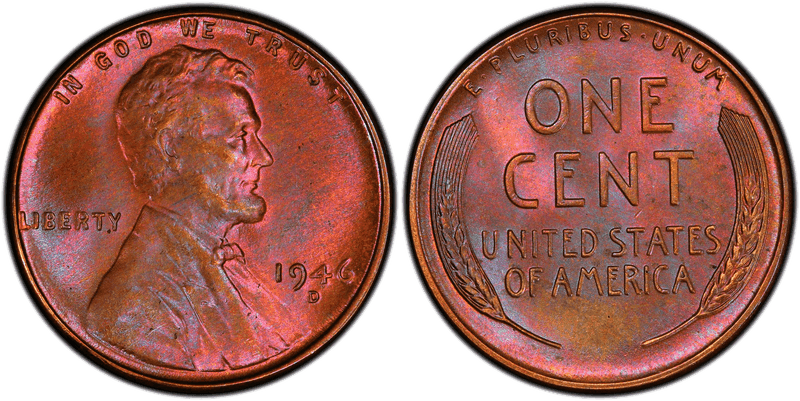
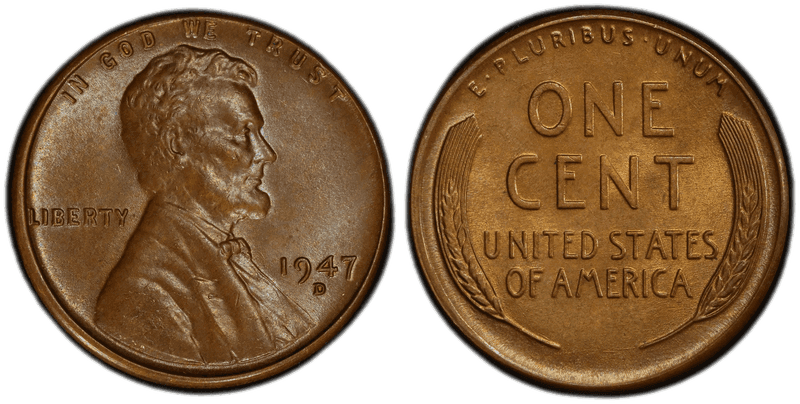
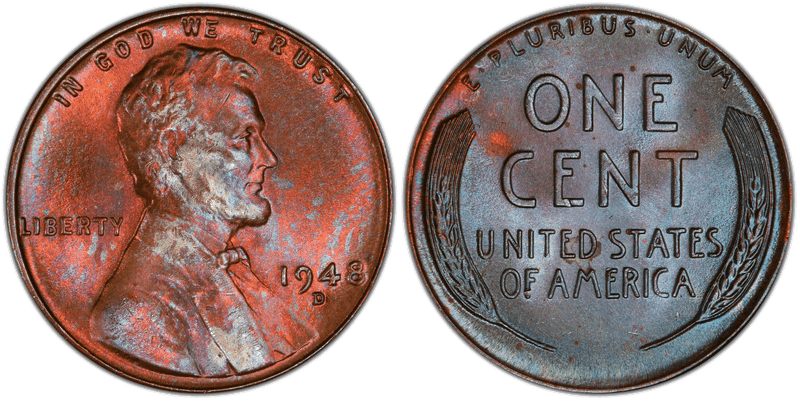
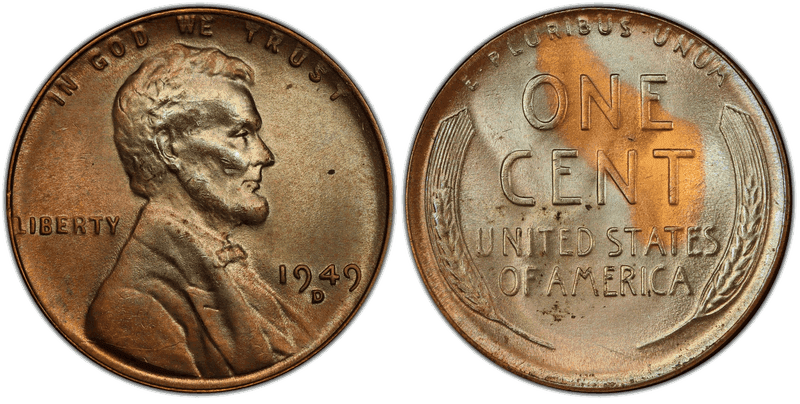
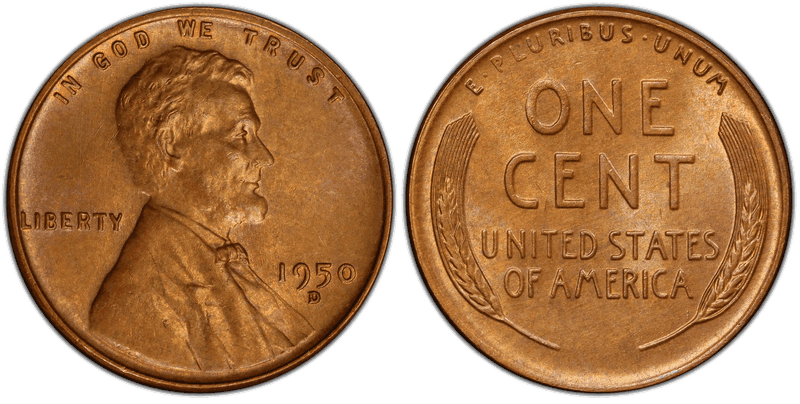
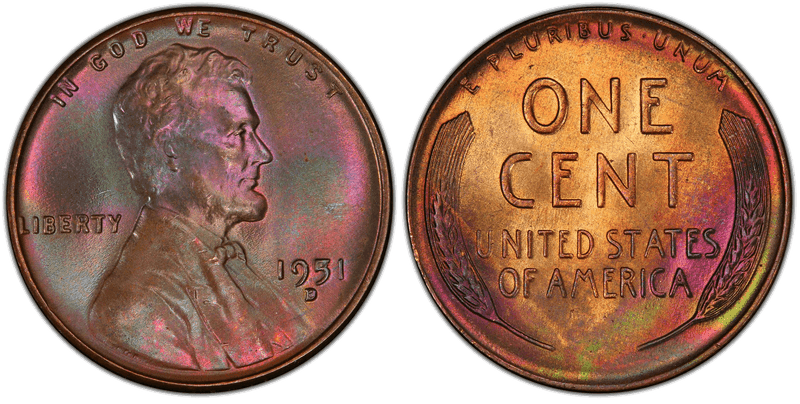
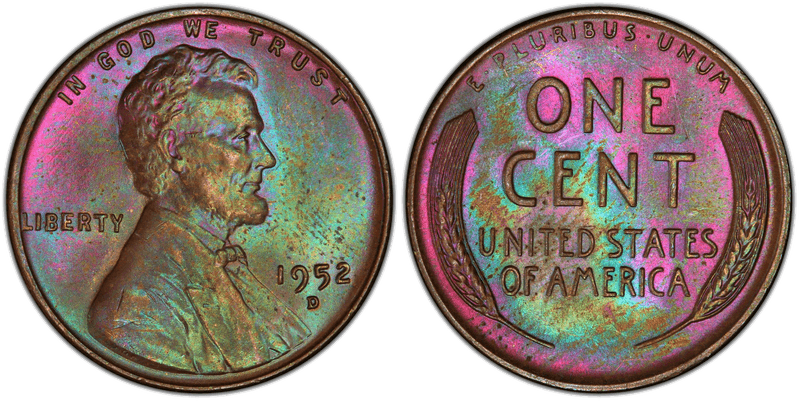
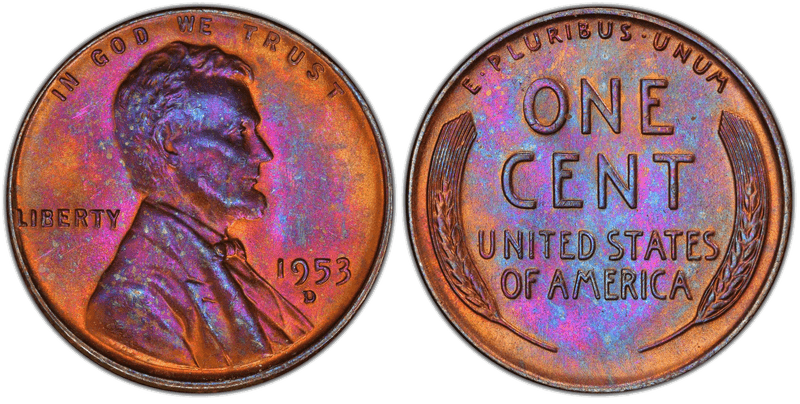
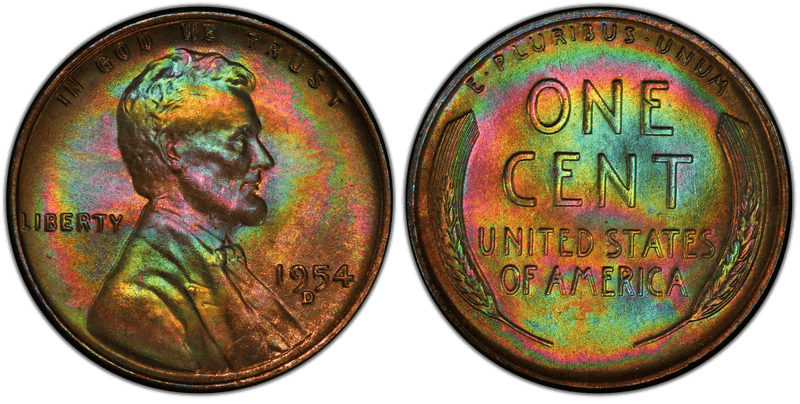
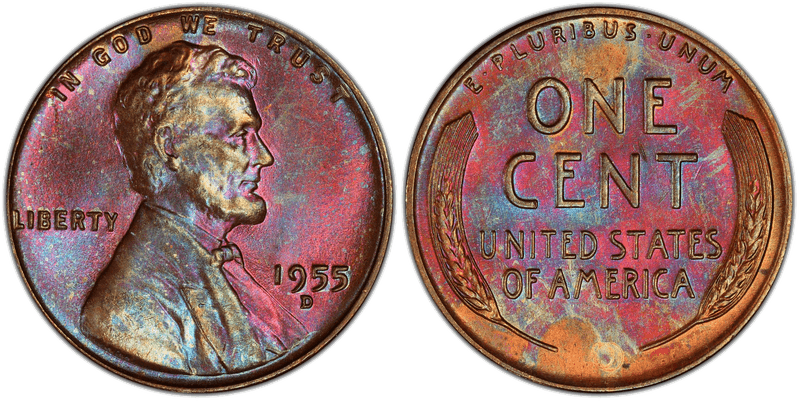
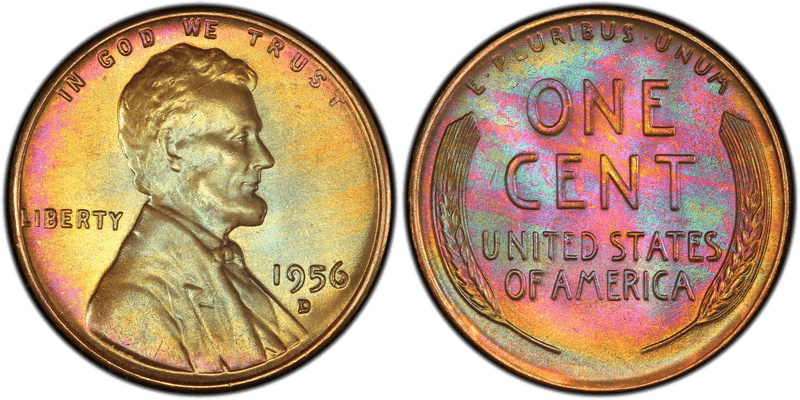
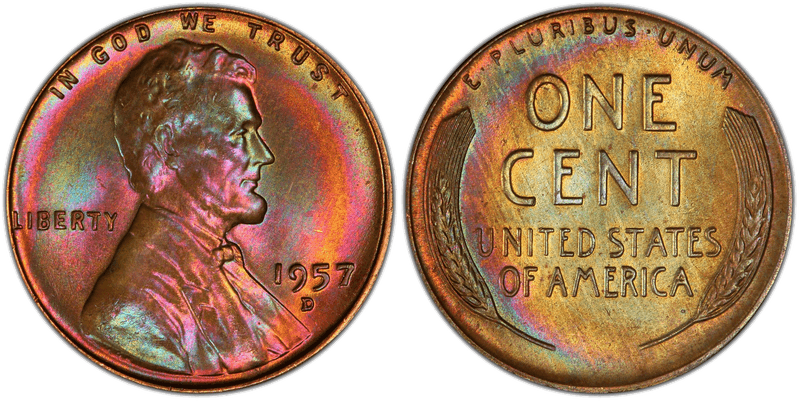
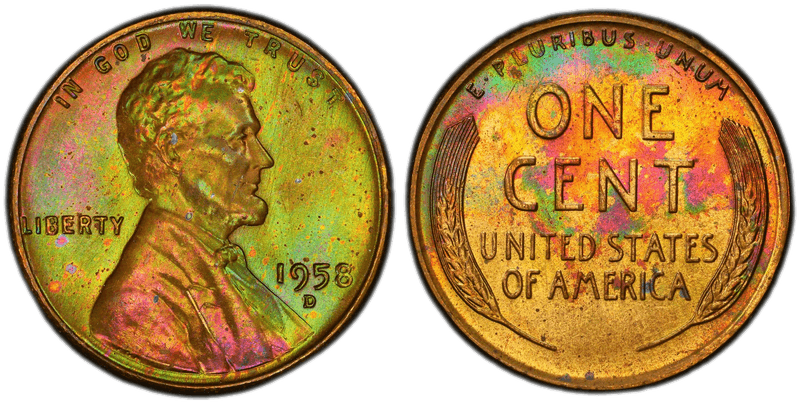
Lincoln Wheat Cents 1909-1958

Coin Series
Lincoln Wheat Cents 1909-1958 series coin

About This Series

Victor David Brenner's portrait of Abraham Lincoln made history in 1909 as the first real person depicted on a regular-issue United States coin, breaking with the longstanding tradition of allegorical Liberty figures. The reverse wheat-ear design, two curved ears of wheat flanking ONE CENT and UNITED STATES OF AMERICA, earned these coins the enduring nickname "wheaties" among generations of collectors. The 1909-S VDB is the series' most famous rarity: Brenner's prominent initials on the reverse were removed after public complaint, and only 484,000 had been struck at San Francisco before the change, creating a key date that has introduced countless newcomers to numismatics. The 1914-D (1,193,000 struck), 1922 No D (a Denver die state in which the mint mark wore away), and 1931-S (866,000 struck) join the 1909-S VDB as the series' principal rarities. Wartime material changes produced the 1943 zinc-coated steel cent, struck to save copper, and the 1944-1946 "shell case" cents, a copper-zinc alloy the Treasury said would use recycled cartridge brass. The changeover also produced two famous errors: a few 1943 cents struck on leftover bronze planchets, known from all three mints but only a single example from Denver, and a few 1944 cents struck on leftover steel planchets. Struck in bronze (1909-1942 and 1947-1958) and the copper-zinc shell case alloy (1944-1946) at 19.05 mm and 3.11 grams, more than 25 billion Wheat cents were produced across half a century. The series spans two world wars, the Great Depression, and the emergence of modern America, making it one of the most historically resonant and universally collected denominations in American numismatics.

From NumisDex News

Series Information

Production Years
1909-1958
Designer
Victor David Brenner
Composition
95% Copper, 5% Tin and Zinc (1909-1942, 1947-1958); Zinc-Coated Steel (1943); 95% Copper, 5% Zinc (1944-1946)
Weight
3.11g
Diameter
19.05mm
Edge
Plain

Browse by Base(50 bases)

1909 Lincoln Wheat Cent
BaseVerified

1909 Lincoln Wheat Cent

8 Strike Types
144 Error Listings
1910 Lincoln Wheat Cent
BaseVerified

1910 Lincoln Wheat Cent

3 Strike Types
15 Error Listings
1911 Lincoln Wheat Cent
BaseVerified

1911 Lincoln Wheat Cent

4 Strike Types
17 Error Listings
1912 Lincoln Wheat Cent
BaseVerified

1912 Lincoln Wheat Cent

4 Strike Types
7 Error Listings
1913 Lincoln Wheat Cent
BaseVerified

1913 Lincoln Wheat Cent

4 Strike Types
5 Error Listings
1914 Lincoln Wheat Cent
BaseVerified

1914 Lincoln Wheat Cent

4 Strike Types
3 Error Listings
1915 Lincoln Wheat Cent
BaseVerified

1915 Lincoln Wheat Cent

4 Strike Types
9 Error Listings
1916 Lincoln Wheat Cent
BaseVerified

1916 Lincoln Wheat Cent

4 Strike Types
8 Error Listings
1917 Lincoln Wheat Cent
BaseVerified

1917 Lincoln Wheat Cent

4 Strike Types
23 Error Listings
1918 Lincoln Wheat Cent
BaseVerified

1918 Lincoln Wheat Cent

3 Strike Types
17 Error Listings
1919 Lincoln Wheat Cent
BaseVerified

1919 Lincoln Wheat Cent

3 Strike Types
29 Error Listings
1920 Lincoln Wheat Cent
BaseVerified

1920 Lincoln Wheat Cent

3 Strike Types
17 Error Listings
1921 Lincoln Wheat Cent
BaseVerified

1921 Lincoln Wheat Cent

2 Strike Types
7 Error Listings
1922 Lincoln Wheat Cent
BaseVerified

1922 Lincoln Wheat Cent

3 Strike Types
1 Error Listing
1923 Lincoln Wheat Cent
BaseVerified

1923 Lincoln Wheat Cent

2 Strike Types
8 Error Listings
1924 Lincoln Wheat Cent
BaseVerified

1924 Lincoln Wheat Cent

3 Strike Types
12 Error Listings
1925 Lincoln Wheat Cent
BaseVerified

1925 Lincoln Wheat Cent

3 Strike Types
38 Error Listings
1926 Lincoln Wheat Cent
BaseVerified

1926 Lincoln Wheat Cent

3 Strike Types
14 Error Listings
1927 Lincoln Wheat Cent
BaseVerified

1927 Lincoln Wheat Cent

3 Strike Types
29 Error Listings
1928 Lincoln Wheat Cent
BaseVerified

1928 Lincoln Wheat Cent

3 Strike Types
29 Error Listings
1929 Lincoln Wheat Cent
BaseVerified

1929 Lincoln Wheat Cent

3 Strike Types
26 Error Listings
1930 Lincoln Wheat Cent
BaseVerified

1930 Lincoln Wheat Cent

3 Strike Types
47 Error Listings
1931 Lincoln Wheat Cent
BaseVerified

1931 Lincoln Wheat Cent

3 Strike Types
4 Error Listings
1932 Lincoln Wheat Cent
BaseVerified

1932 Lincoln Wheat Cent

2 Strike Types
1 Error Listing
1933 Lincoln Wheat Cent
BaseVerified

1933 Lincoln Wheat Cent

2 Strike Types
6 Error Listings
1934 Lincoln Wheat Cent
BaseVerified

1934 Lincoln Wheat Cent

2 Strike Types
52 Error Listings
1935 Lincoln Wheat Cent
BaseVerified

1935 Lincoln Wheat Cent

3 Strike Types
62 Error Listings
1936 Lincoln Wheat Cent
BaseVerified

1936 Lincoln Wheat Cent

6 Strike Types
118 Error Listings
1937 Lincoln Wheat Cent
BaseVerified

1937 Lincoln Wheat Cent

4 Strike Types
103 Error Listings
1938 Lincoln Wheat Cent
BaseVerified

1938 Lincoln Wheat Cent

4 Strike Types
54 Error Listings
1939 Lincoln Wheat Cent
BaseVerified

1939 Lincoln Wheat Cent

4 Strike Types
92 Error Listings
1940 Lincoln Wheat Cent
BaseVerified

1940 Lincoln Wheat Cent

4 Strike Types
299 Error Listings
1941 Lincoln Wheat Cent
BaseVerified

1941 Lincoln Wheat Cent

5 Strike Types
192 Error Listings
1942 Lincoln Wheat Cent
BaseVerified

1942 Lincoln Wheat Cent

4 Strike Types
201 Error Listings
1943 Lincoln Wheat Cent
BaseVerified

1943 Lincoln Wheat Cent

7 Strike Types
616 Error Listings
1944 Lincoln Wheat Cent
BaseVerified

1944 Lincoln Wheat Cent

6 Strike Types
346 Error Listings
1945 Lincoln Wheat Cent
BaseVerified

1945 Lincoln Wheat Cent

3 Strike Types
307 Error Listings
1946 Lincoln Wheat Cent
BaseVerified

1946 Lincoln Wheat Cent

3 Strike Types
384 Error Listings
1947 Lincoln Wheat Cent
BaseVerified

1947 Lincoln Wheat Cent

3 Strike Types
98 Error Listings
1948 Lincoln Wheat Cent
BaseVerified

1948 Lincoln Wheat Cent

3 Strike Types
110 Error Listings
1949 Lincoln Wheat Cent
BaseVerified

1949 Lincoln Wheat Cent

3 Strike Types
141 Error Listings
1950 Lincoln Wheat Cent
BaseVerified

1950 Lincoln Wheat Cent

4 Strike Types
165 Error Listings
1951 Lincoln Wheat Cent
BaseVerified

1951 Lincoln Wheat Cent

4 Strike Types
178 Error Listings
1952 Lincoln Wheat Cent
BaseVerified

1952 Lincoln Wheat Cent

4 Strike Types
133 Error Listings
1953 Lincoln Wheat Cent
BaseVerified

1953 Lincoln Wheat Cent

4 Strike Types
148 Error Listings
1954 Lincoln Wheat Cent
BaseVerified

1954 Lincoln Wheat Cent

4 Strike Types
94 Error Listings
1955 Lincoln Wheat Cent
BaseVerified

1955 Lincoln Wheat Cent

5 Strike Types
310 Error Listings
1956 Lincoln Wheat Cent
BaseVerified

1956 Lincoln Wheat Cent

3 Strike Types
238 Error Listings
1957 Lincoln Wheat Cent
BaseVerified

1957 Lincoln Wheat Cent

3 Strike Types
402 Error Listings
1958 Lincoln Wheat Cent
BaseVerified

1958 Lincoln Wheat Cent

4 Strike Types
122 Error Listings
Showing all 50 listings

History

The Lincoln cent arrived in 1909, the centennial of Abraham Lincoln's birth, and it changed American coinage. Earlier coins had shown allegorical figures such as Liberty; this one carried a real person's portrait on a coin made for everyday use. The designer was Victor David Brenner, a Lithuanian-born engraver working in New York. The new cents reached banks on August 2, 1909, replacing the Indian Head cent.

The launch hit trouble at once. Brenner had signed the bottom of the reverse with his initials, V.D.B., and newspapers campaigned against them as too prominent. On August 5, Treasury Secretary Franklin MacVeagh had production stopped so the initials could come off. By then Philadelphia had struck 27,995,000 cents with them and San Francisco only 484,000. Chief Engraver Charles Barber removed the initials and did not put them anywhere else. After Barber died in 1917, they came back in 1918 in tiny letters on the lower edge of Lincoln's shoulder, where they stayed.

Denver struck its first cents in 1911. Proofs from 1909 to 1916 have a matte or satin surface, the natural texture of Brenner's models brought out by a full strike, rather than a mirror finish. The Mint stopped selling proofs after 1916. When proofs returned in 1936 they came in satin and brilliant finishes, then brilliant only through 1942, and there were none again until 1950.

World War II changed the metal twice. To save copper, the 1943 cents were struck on zinc-coated steel, more than a billion of them across the three mints. They were unpopular: new ones passed for dimes, worn ones for nickels, and because they were magnetic, vending machines and turnstiles rejected them. From 1944 through 1946 the Mint went back to a copper alloy but left out the tin, using brass that was partly recovered from spent cartridge cases. Bronze returned for 1947, and the wheat-ear reverse ran through 1958. In 1959, for the 150th anniversary of Lincoln's birth, Frank Gasparro's Lincoln Memorial reverse replaced it.
How to Identify It

Obverse. Lincoln faces right. IN GOD WE TRUST, the motto's first appearance on the cent, runs across the top; LIBERTY is to the left of the portrait and the date to the right. On cents dated 1918 or later, a magnifier shows V D B on the bottom edge of the shoulder.

Reverse. ONE CENT and UNITED STATES OF AMERICA sit in the center, flanked by two curved ears of wheat. E PLURIBUS UNUM arcs along the top rim. Only the first 1909 cents have V.D.B. here, at the bottom.

Mint mark. The mint mark is on the obverse, directly below the date. D is Denver and S is San Francisco; Philadelphia used none. San Francisco made no cents in 1956 to 1958, and only Denver made them in 1922.

Color. Graders describe original color as Brown (BN), Red-Brown (RB) or Red (RD), and fully red early dates bring large premiums.

Altered coins. The best-known keys are faked by adding a mint mark or changing a date. A 1914-D with V D B on the shoulder is an altered 1944-D, since the initials did not return until 1918.

Key Dates and Varieties

  • 1909-S VDB: 484,000 struck before the initials came off. Many were saved because people expected a recall, so the coin survives in better numbers than its mintage suggests. NGC notes four obverse dies, identified by where the S sits, which helps authentication.
  • 1909-S: 1,825,000 struck without initials. NGC finds it harder to locate in Mint State than the VDB coin, because few people saved it.
  • 1914-D: 1,193,000 struck. Speculators ignored it, and NGC believes it has the smallest surviving population of the early keys.
  • 1922 No D: Denver struck all 7,160,000 cents of 1922 in January and February. On some, a worn obverse die lost the D. The strong-reverse die pair is the one collectors want.
  • 1931-S: 866,000 struck, mostly early in 1931. The coins sat unissued until 1935, when dealers bought them by the roll, so Mint State pieces are easier to find than worn ones.
  • Doubled dies. The 1917, 1936 and 1958 doubled die obverses all carry strong premiums; NGC calls the bold 1958 exceedingly rare. The 1955 Doubled Die Obverse is the famous one: struck at Philadelphia in the fall of 1955, when the Mint was running 12-hour days, with an estimated 24,000 made.
  • 1944-D/S: Denver mint marks punched over an S. Two dies are recognized, FS-511 with the S high and FS-512 with the S low.
  • 1943 bronze: a few cents struck on leftover 1942 bronze planchets. NGC confirms about 17 from Philadelphia; USA Coin Book also lists about five from San Francisco and a single Denver coin. A magnet test rules out plated steel.
  • 1944 steel: the reverse error, cents struck on leftover 1943 steel planchets. Philadelphia was striking Belgian 2-franc coins on those planchets in 1944, which made strays possible. Denver and San Francisco examples are rarer still.

Mintages

Lincoln Wheat Cents 1909-1958 mintages by year and mint, taken from each coin's page in our catalog. Each figure opens that coin's page, which lists its varieties and errors. A dash means no figure was recorded. Where one issue was struck in more than one type, each type is listed.

YearPDSProof
1909
1910
1911
1912
1913
1914
1915
1916
1917
1918
1919
1920
1921
1922
1923
1924
1925
1926
1927
1928
1929
1930
1931
1932
1933
1934
1935
1936
1937
1938
1939
1940
1941
1942
1943
1944
1945
1946
1947
1948
1949
1950
1951
1952
1953
1954
1955
1956
1957
1958

Composition

1909 to 1942, 1947 to 195819431944 to 1946
Metalbronze: 95% copper, 5% tin and zinczinc-coated steelbrass: 95% copper, 5% zinc, no tin
Weight3.11 grams2.70 grams3.11 grams
Diameter19.05 mm19.05 mm19.05 mm
Edgeplainplainplain

Wheat cents contain no silver. Tin was only a small share of the bronze alloy (about 1%, according to NGC), so the 1944 to 1946 brass cents look the same as bronze ones, and NGC doubts the reports that they differ in color. Weight and a magnet separate the 1943 steel cents from everything else.

FAQ

What is a 1909-S VDB penny, and what does VDB mean?

VDB stands for Victor David Brenner, the cent's designer, whose initials were on the reverse of the first 1909 cents. After complaints about their size, the Treasury ordered them removed within days of the August 1909 release. San Francisco had struck only 484,000 cents with the initials by then, so the 1909-S VDB became the series' best-known key date and one of its most faked coins.

Where is the mint mark on a wheat penny?

On the obverse, directly below the date. A D means Denver and an S means San Francisco. Philadelphia cents have no mint mark, which is why a 1922 cent without a D is notable, since Philadelphia struck no cents that year.

Is a 1943 steel penny rare, and what about a 1943 copper penny?

The steel cent is common. The three mints struck more than a billion of them in zinc-coated steel to save copper for the war. A 1943 cent in bronze (the "copper" penny) is a famous error struck on leftover 1942 planchets, and USA Coin Book counts only about two dozen across the three mints. A magnet sorts them, because steel sticks and bronze does not.

What is the 1955 doubled die penny?

A Philadelphia cent struck from a doubled obverse die, so the date and the lettering show strong, separated doubling. NGC calls it the most dramatic doubled die in U.S. coinage. An estimated 24,000 were struck in the fall of 1955, a figure that is a reconstruction rather than a record.

What is a 1922 No D penny?

Only Denver struck cents in 1922, and a worn or clogged obverse die let some coins leave the press with no mint mark. Three die pairs produced them; the most sought one pairs the weak obverse with a sharp reverse. NGC points out that it is really a die state, not a separate variety.

Are wheat pennies copper?

Mostly. Cents of 1909 to 1942 and 1947 to 1958 are bronze, 95% copper with tin and zinc making up the rest. The 1943 cents are zinc-coated steel, and the 1944 to 1946 cents are a copper-zinc brass with no tin. None contain silver.

↑ Back to the coins: every year, mint, variety and error

Explore Other Denominations

Collector Essentials

Tools and references for building and protecting your coin collection.

As an Amazon Associate, NumisDex earns from qualifying purchases.