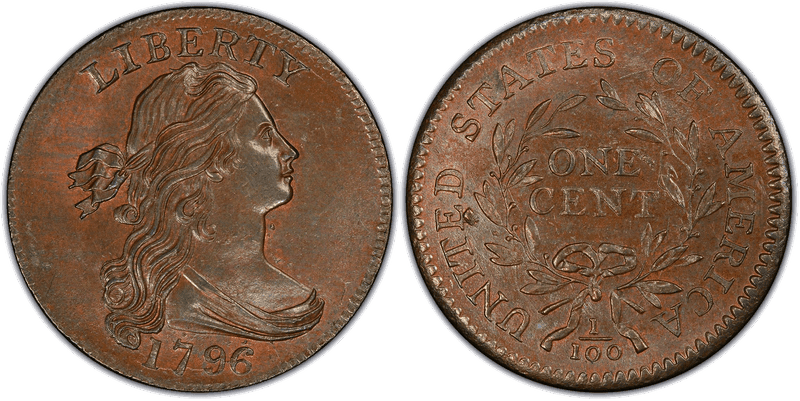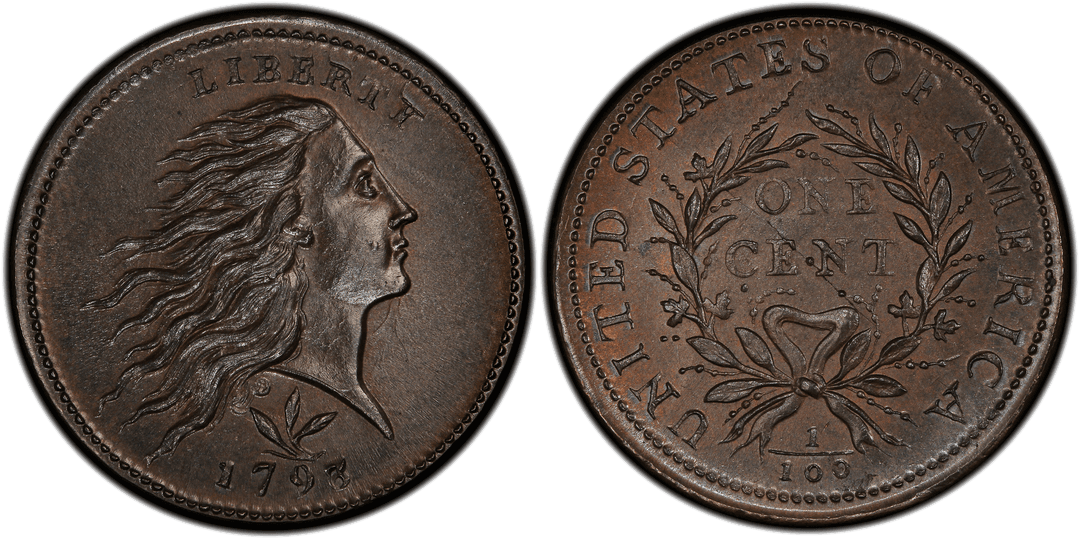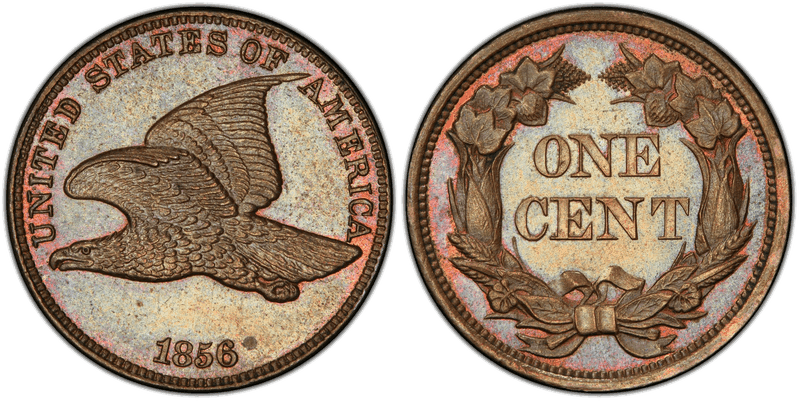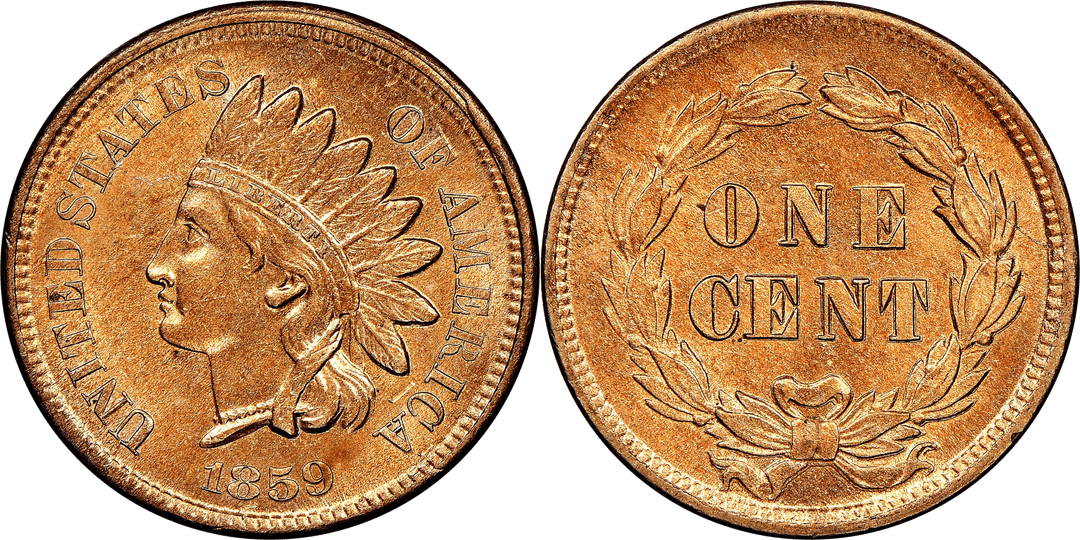
Flowing Hair Chain Cents 1793

Coin Series
Flowing Hair Chain Cents 1793 series coin

About This Series

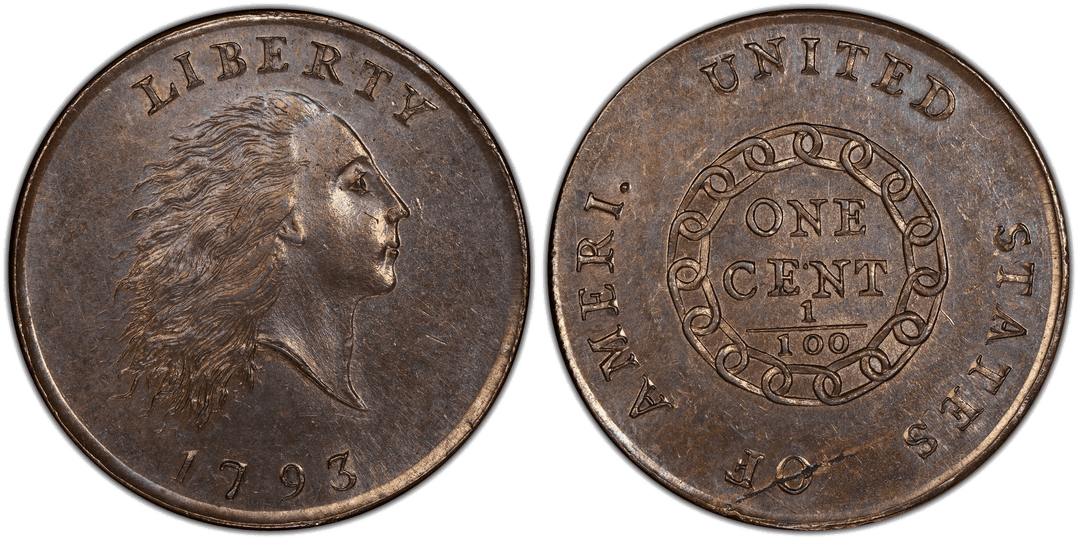
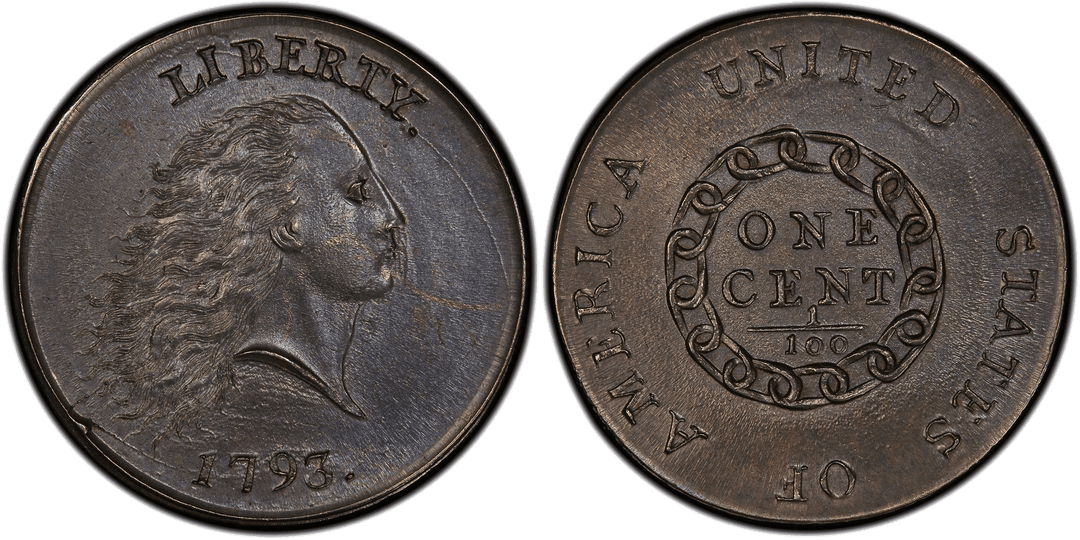
The 1793 Chain cent was the first coin struck for general circulation by the United States Mint. Liberty's portrait with flowing hair dominates the obverse, while the reverse displays a chain of 15 links representing the states, encircling the denomination ONE CENT and the fraction 1/100. Public reaction to the chain design was swift and negative: critics complained that Liberty looked frightened and that the chain symbolized slavery rather than unity, prompting the Mint to replace the reverse within weeks. The Mint struck 36,103 Chain cents before the switch to the Wreath reverse, and the major varieties are the AMERI. abbreviation (Sheldon 1 only), the full AMERICA spelling (Sheldon 2 and 3), and AMERICA with periods after LIBERTY and the date (Sheldon 4). Struck in copper on 26-27mm planchets weighing approximately 13.48 grams, the standard set by the Act of January 14, 1793, which cut the cent from the 264 grains of the Coinage Act of April 2, 1792. Sheldon numbered the Chain cent die pairings S-1 to S-4, and a fifth carries the number NC-1.

From NumisDex News

Series Information

Production Years
1793-1793
Composition
Copper

Browse by Base(1 base)

Showing all 1 listings

Strike Types & Varieties(3)

History

The Mint Act of April 2, 1792 called for a cent with a design emblematic of liberty. As first written, the law asked for a coin of 264 grains of copper, which proved impractical, and the Act of January 14, 1793 cut the standard to 208 grains, or 13.48 grams. The Chain cent was the first coin struck to that new standard, and the first coin the federal government made in quantity on its own presses inside its own building.

The Mint had no engraver yet. Its chief coiner, the clockmaker Henry Voigt, cut the dies himself, and Elias Boudinot's 1795 report to Congress mentions that the coiner had to make dies while the post of engraver stood empty. Voigt's designs were necessarily simple: a Liberty head with loose, windblown hair, and on the reverse a ring of fifteen chain links, one for each state then in the Union. The chain borrowed from the Continental currency of 1776 and the Fugio cents of 1787, and Walter Breen thought the sketch probably came from Mint Director David Rittenhouse.

Coinage began in late February 1793; Breen notes a possible ceremonial striking on Washington's birthday, February 22. NGC dates the coinage of all 36,103 Chain cents to March 1 through 12. The reaction was poor. A newspaper complained that Liberty seemed to be in a fright, and many readers took the chain as a picture of slavery rather than of union. When the supply of blanks ran out in March, the Mint used the pause to prepare a new design, the Wreath cent.

The blanks were cut from scrap copper bought in late 1792, and many Chain cents show the pits and flakes that came with it. The obverse dies were engraved shallowly, so the portrait wore away fast; the chain was deeper and often outlasts everything else on a worn coin. Breen estimated that a little over 1,000 Chain cents survive.
How to Identify It

Obverse. Liberty faces right with long, loose hair. LIBERTY is above and 1793 below. There are no stars, and the border is a plain raised rim with no beads or teeth.

Reverse. A chain of fifteen links surrounds ONE CENT and the fraction 1/100. UNITED STATES OF AMERICA runs around the edge, or UNITED STATES OF AMERI. on the first die.

Edge. A pattern of vines and bars, applied before striking.

Telling the varieties apart. On the AMERI. reverse the point where the chain closes sits directly over the N of ONE; on the AMERICA reverse it is set off to the left, according to NGC. The Periods obverse has a period after LIBERTY and another after the date.

Mint mark. None. Every large cent was struck at Philadelphia.

Key Dates and Varieties

The Chain cent was struck only in 1793. Collectors sort it by three varieties and by Sheldon number (the attribution system William Sheldon published in 1949).

VarietySheldonHow to tell it
AMERI.S-1Legend ends AMERI. on the first reverse die. Breen estimated about 6,350 struck; NGC reports published figures of 2,900 and 7,000.
AMERICAS-2, S-3, NC-1Legend in full, no periods on the obverse.
AMERICA, with periodsS-4Periods after LIBERTY and 1793. Breen thought the softer hair suggested a different engraver.

The 36,103 figure covers all of them. NGC notes that one reverse die served all four AMERICA marriages.

In Our Catalog

4 errors and varieties are listed for this series. Browse them by type:

Recently added

Mintages

Flowing Hair Chain Cents 1793 mintages by year and mint, taken from each coin's page in our catalog. Each figure opens that coin's page, which lists its varieties and errors. A dash means no figure was recorded. Where one issue was struck in more than one type, each type is listed.

YearP
1793

Composition

  • Composition: copper, cut from scrap copper on hand at the Mint
  • Weight: 13.48 grams standard; Breen recorded coins from 12.96 to 14.32 grams
  • Diameter: about 26 to 27 mm (NGC); Breen gives 27 mm as normal, with coins from 25 to over 28 mm
  • Edge: vine and bars

FAQ

How many 1793 Chain cents were made?

The Mint delivered 36,103 Chain cents in the first weeks of March 1793. Nobody recorded how that total divides among the varieties, and the figures quoted for each one are modern estimates. Walter Breen judged that a little over 1,000 survive in all.

Why do some Chain cents read AMERI. instead of AMERICA?

The first reverse die ran short of space, so the legend ends AMERI. with a period. One explanation is simply poor layout of the letters; another, recorded by Wikipedia, is that Mint Director David Rittenhouse wanted the abbreviation. The second reverse die spells AMERICA in full.

How can I tell AMERI. from AMERICA on a worn Chain cent?

Look at the chain where its ends join. NGC notes that on the AMERI. die the joint sits right above the N of ONE, while on the AMERICA die it sits off to the left. The chain was punched deeply, so it often survives when the legend and portrait are worn away.

Why was the Chain cent replaced so quickly?

The public disliked it. One newspaper said Liberty looked frightened, and many people read the chain as a symbol of slavery rather than of the union of fifteen states. Coinage also stopped for lack of blanks in March 1793, and the Mint used the pause to bring in the Wreath design.

Who designed the Chain cent?

No engraver had been hired yet, so the chief coiner, Henry Voigt, cut the dies himself, as Elias Boudinot's 1795 report to Congress records. NGC lists the designer as unknown. The chain idea goes back to the Continental currency of 1776 and the Fugio cent of 1787.

Where is the mint mark on a Chain cent?

There is none. Every large cent, the Chain cent included, was struck at the Philadelphia Mint.

↑ Back to the coins: every year, mint, variety and error

Explore Other Denominations

Collector Essentials

Tools and references for building and protecting your coin collection.

As an Amazon Associate, NumisDex earns from qualifying purchases.