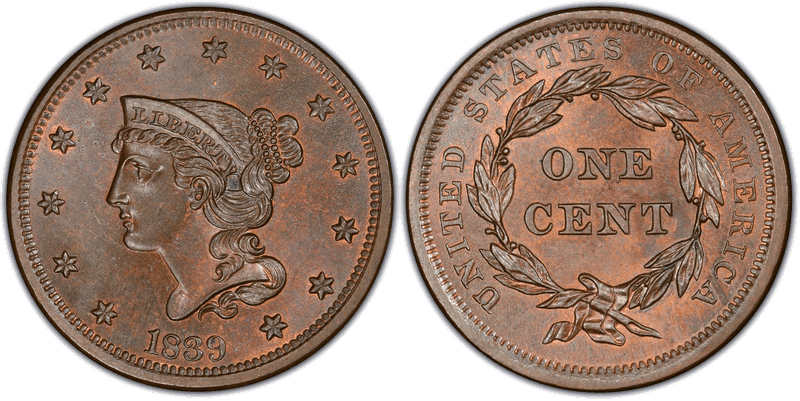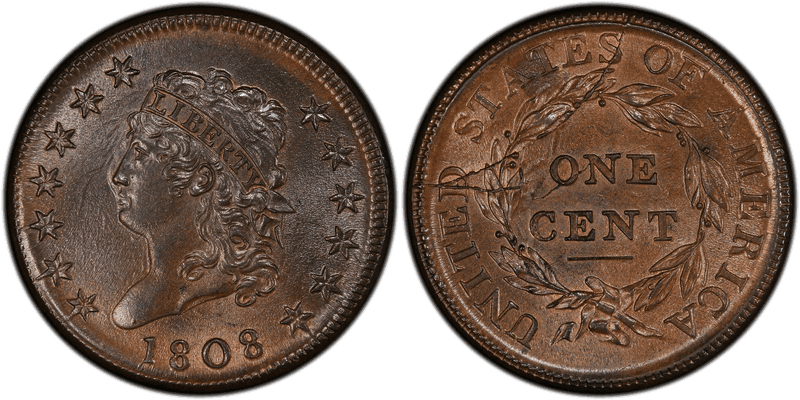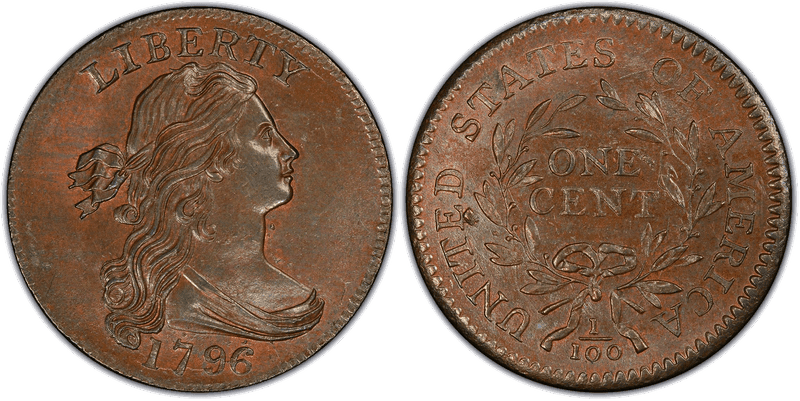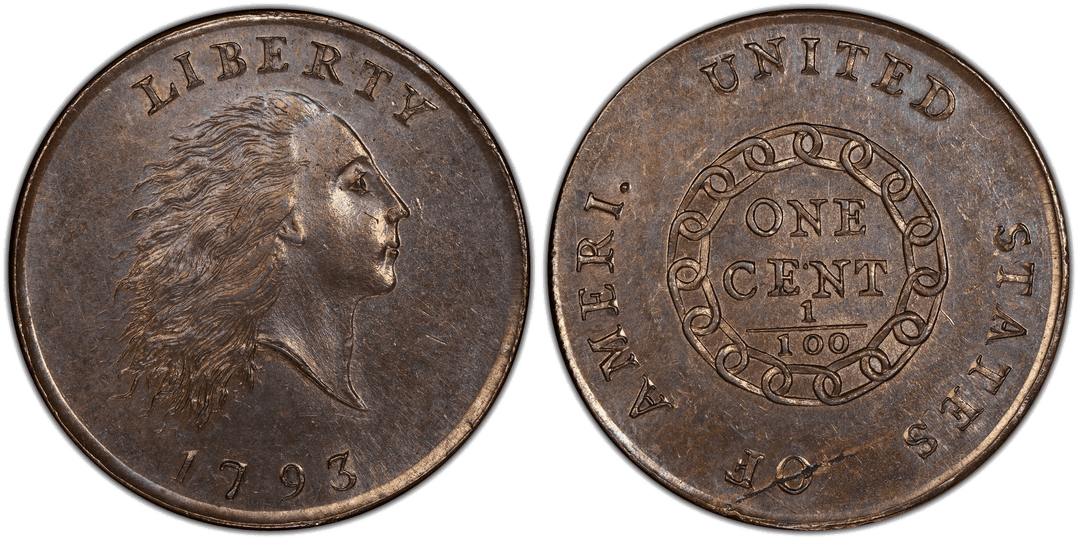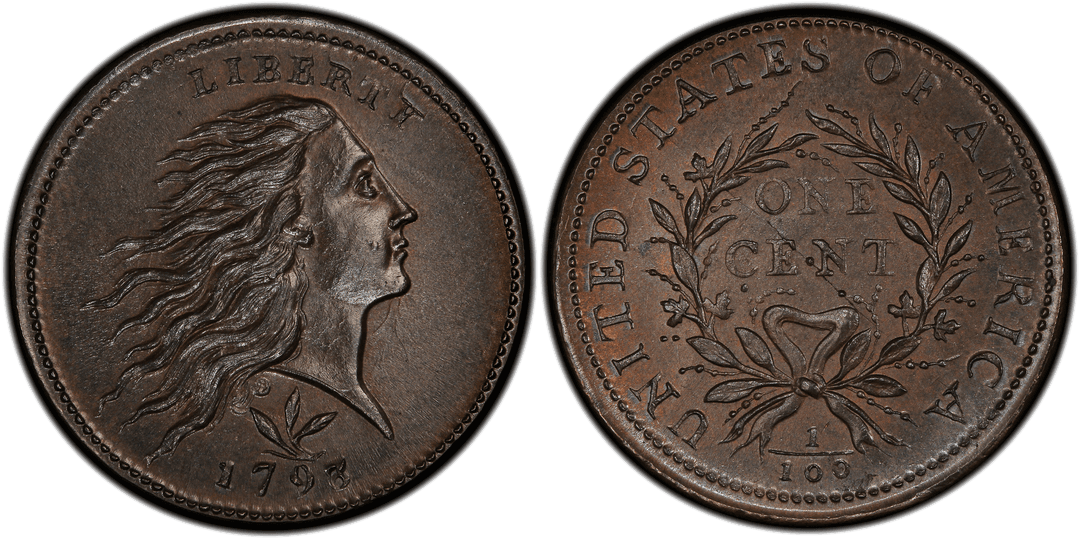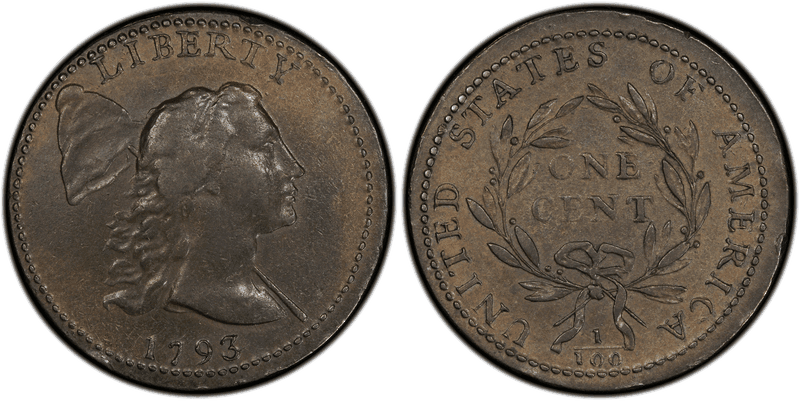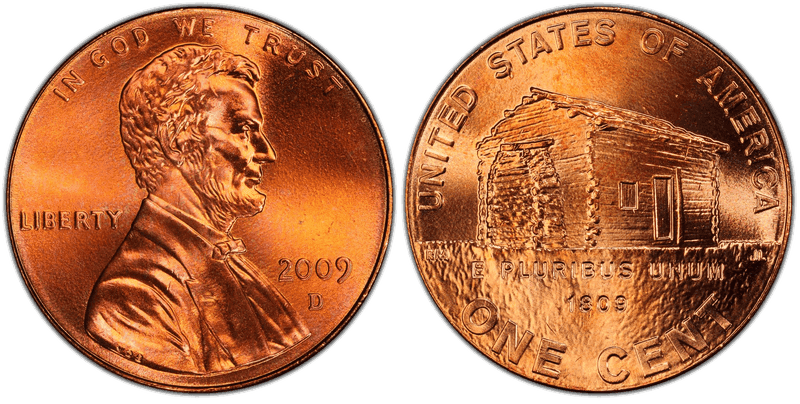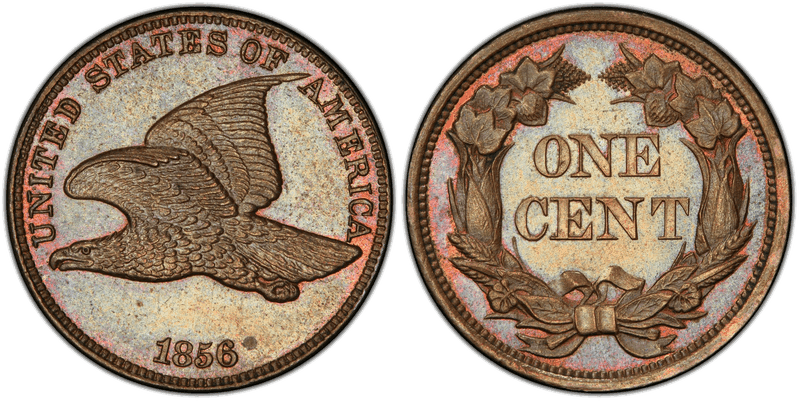
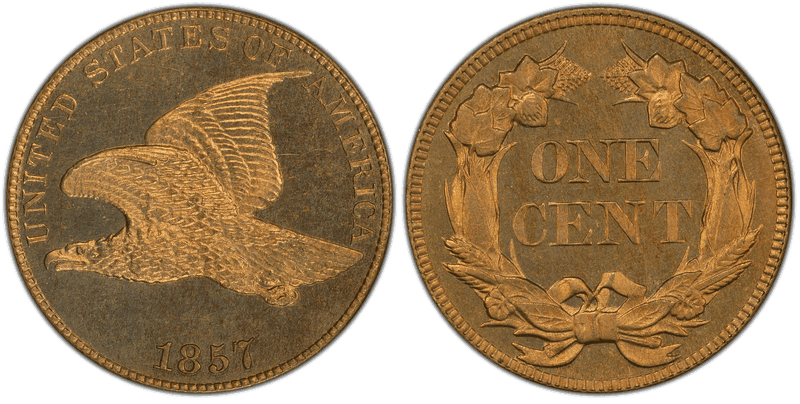
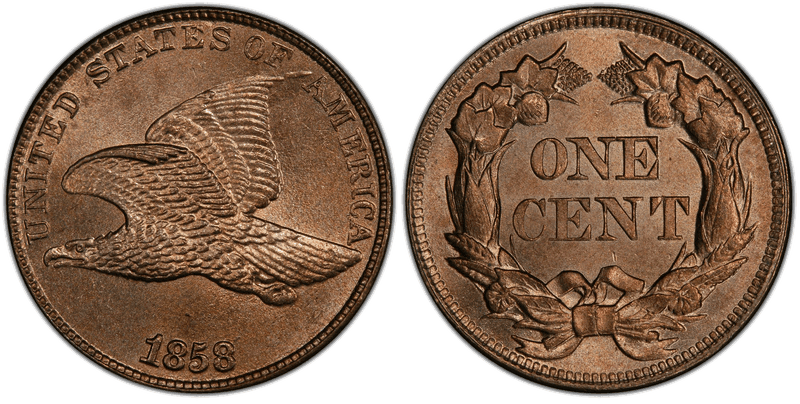
By the 1850s the old copper cent, nearly as big as a half dollar, was unpopular in trade and had become costly for the Mint to make. After years of experiments, Mint Director James Ross Snowden settled on a smaller cent of 88% copper and 12% nickel, and he asked for a flying eagle design. Chief Engraver James B. Longacre based the bird on the flying eagle of Christian Gobrecht's silver dollar of 1836 to 1839, and he prepared the final dies early in November 1856.
The Mint struck the first cents of the new design before the law allowed them. From November 1856 they were sent to congressmen and other officials to build support, and at least 634 were handed out. President Franklin Pierce signed the act authorizing the small cent on February 21, 1857. The same law abolished the half cent and ended the legal tender status of foreign coins, with old Spanish silver exchangeable for the new cents for two years.
Coining began in April 1857, and the cents were released at the Philadelphia Mint on May 25, when crowds lined up to trade in Spanish silver and old copper cents. The 1856 pieces became known at about the same time, and the Mint struck more of them for collectors over the next few years.
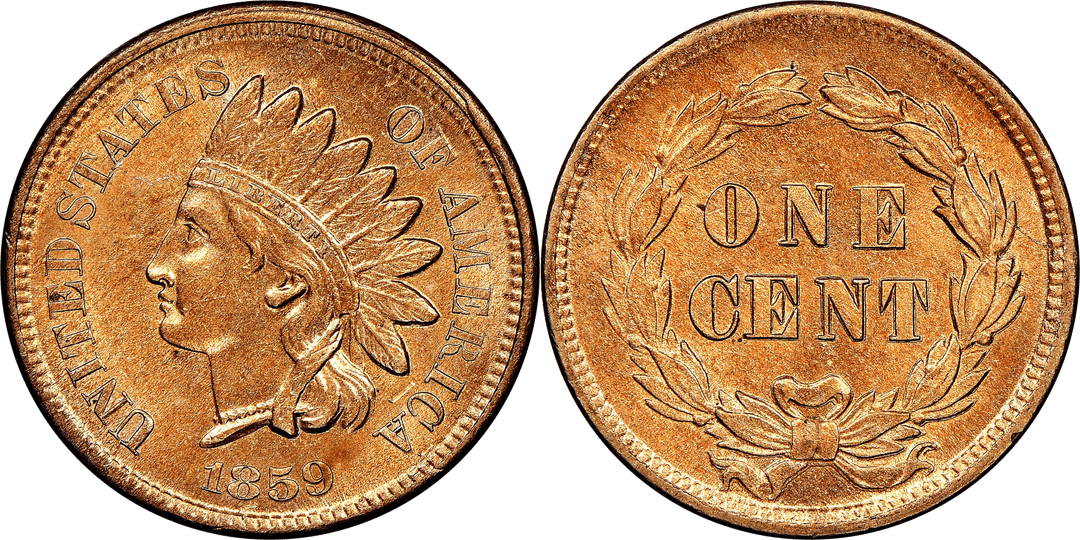
The design never struck up well. The eagle sat directly opposite the heavy wreath on the reverse, and the hard alloy wore out dies quickly. In 1858 the Mint lowered the relief, which produced the Small Letters variety. The Indian Head cent replaced the Flying Eagle in 1859.
The new cents were not legal tender, and so many were issued that they choked commerce until the Civil War, when every federal coin was hoarded. After the war, Treasury redemption programs pulled millions of copper-nickel cents back out of circulation.