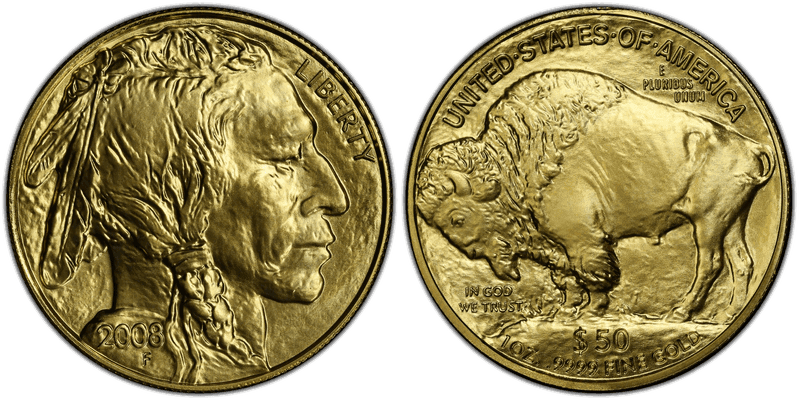
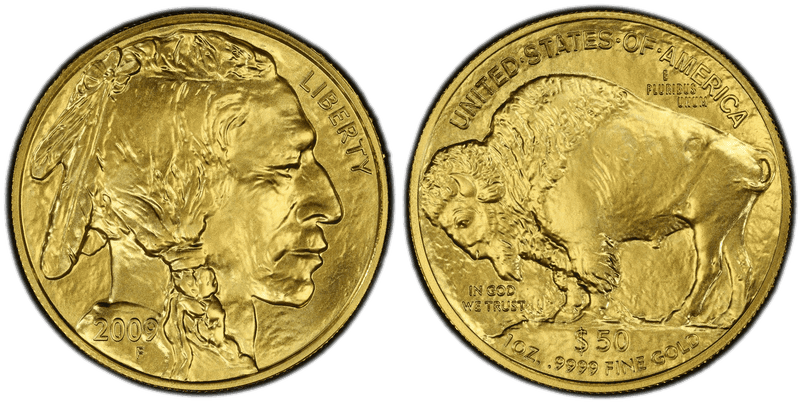
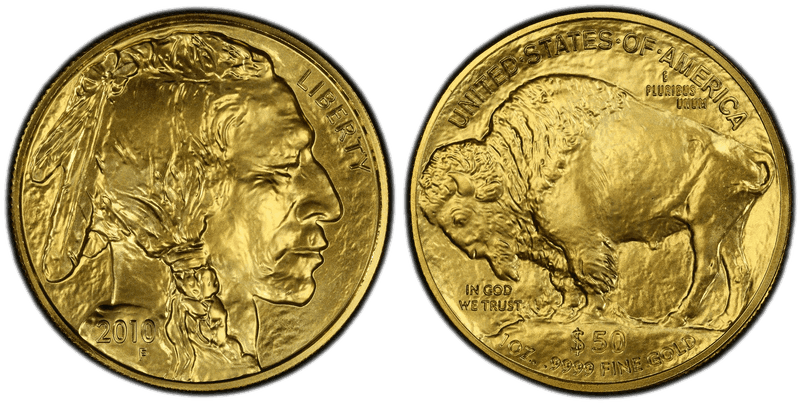
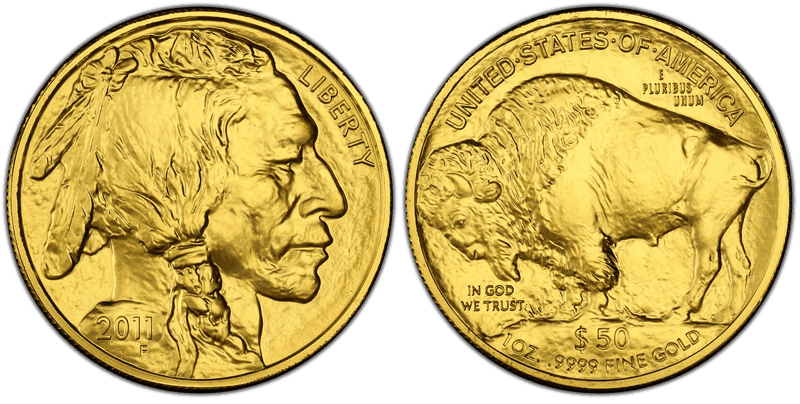
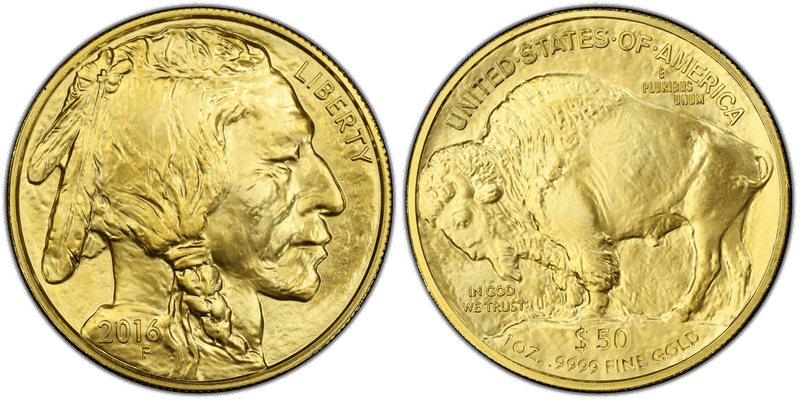
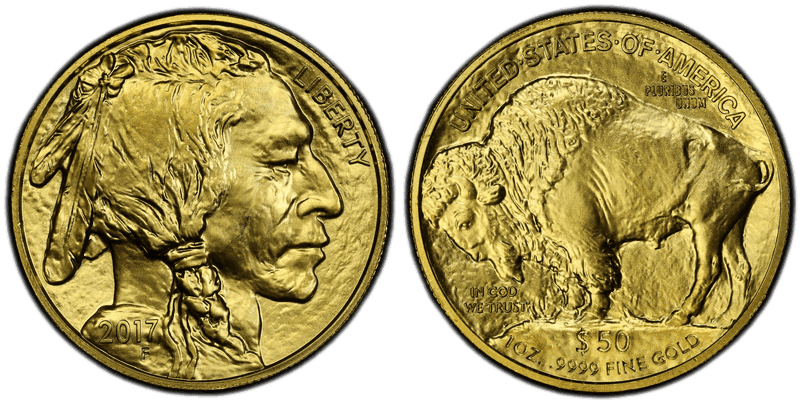
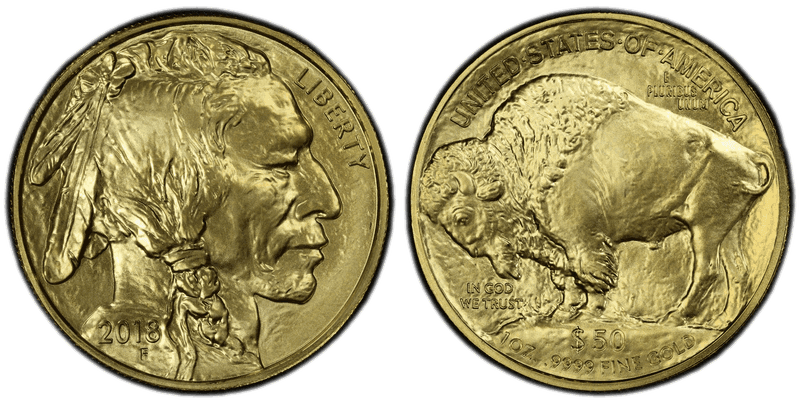
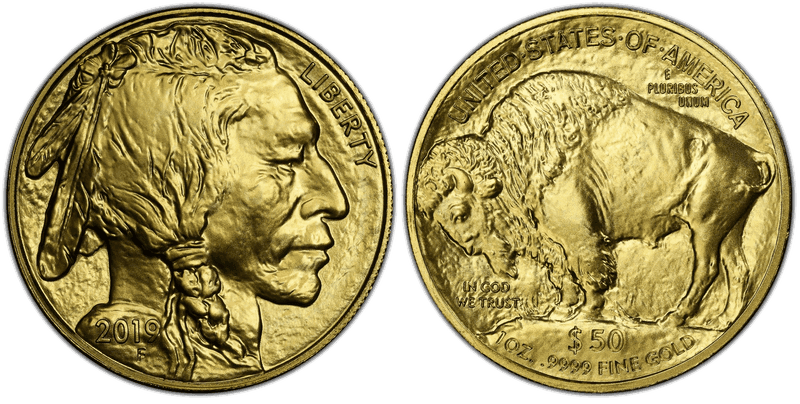
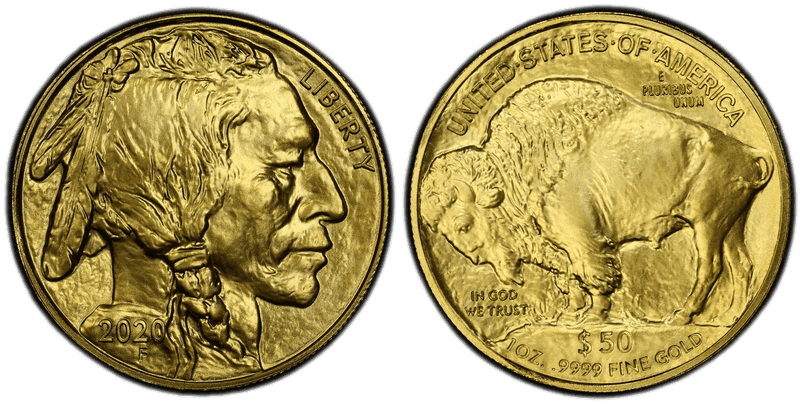
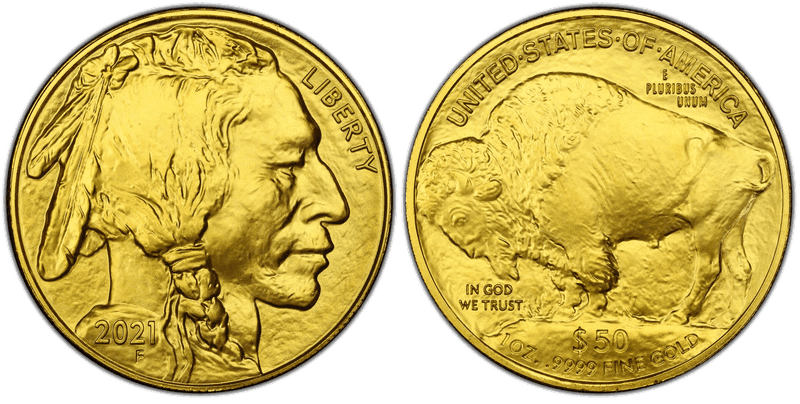
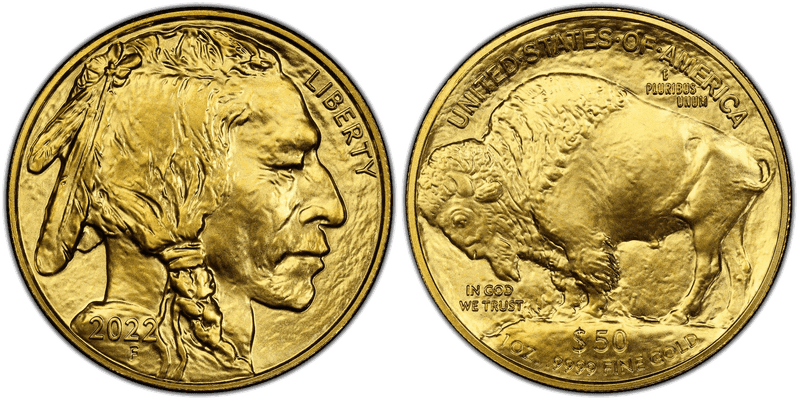
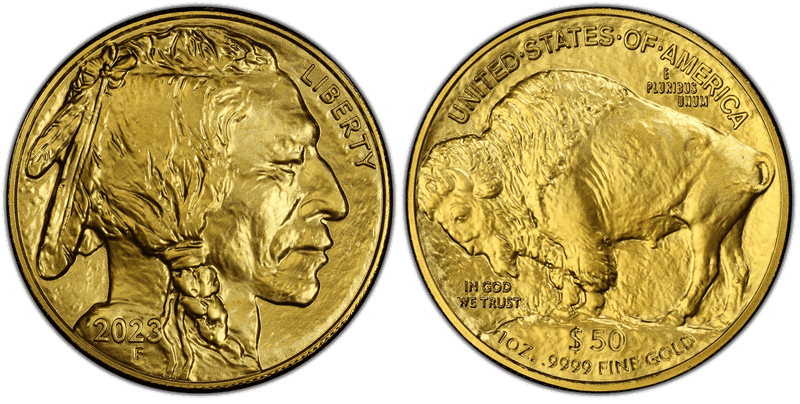
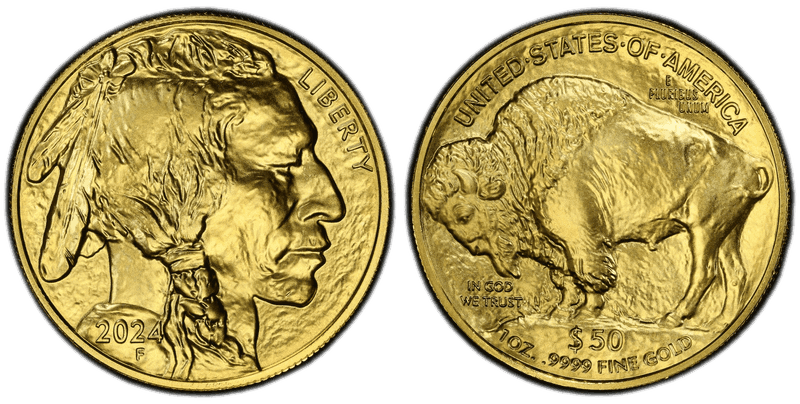
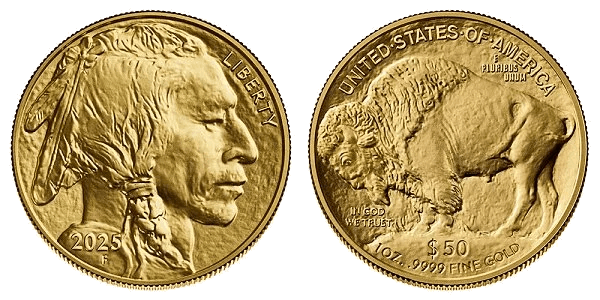
American Buffalo Gold 2006 to Date

Coin Series
American Buffalo Gold 2006 to Date series coin

About This Series

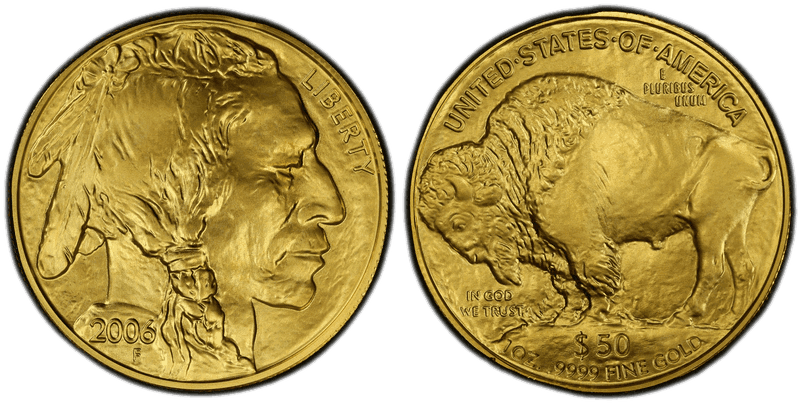
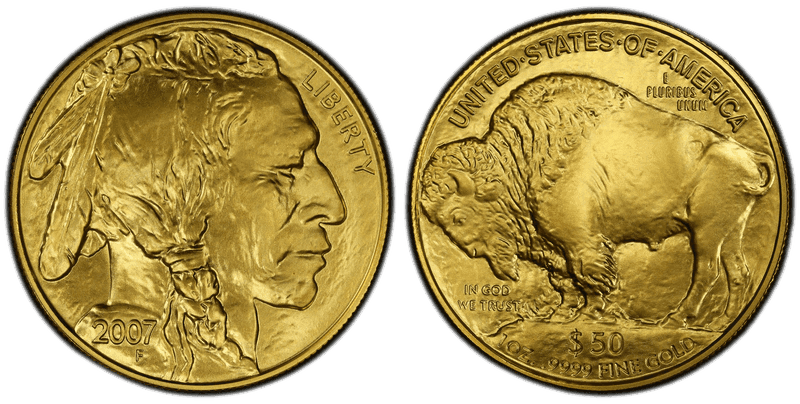
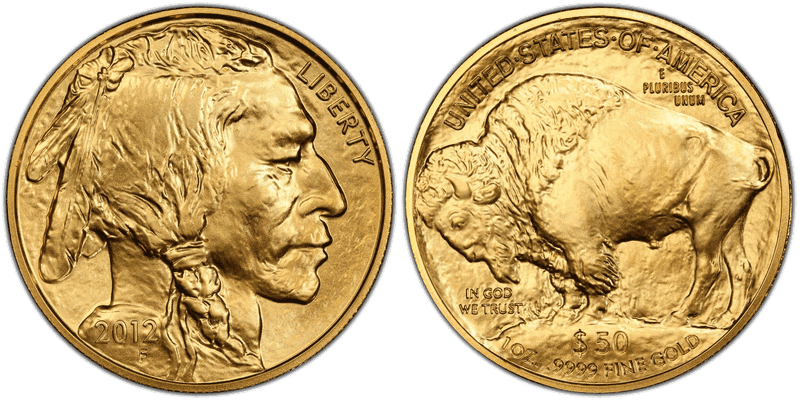
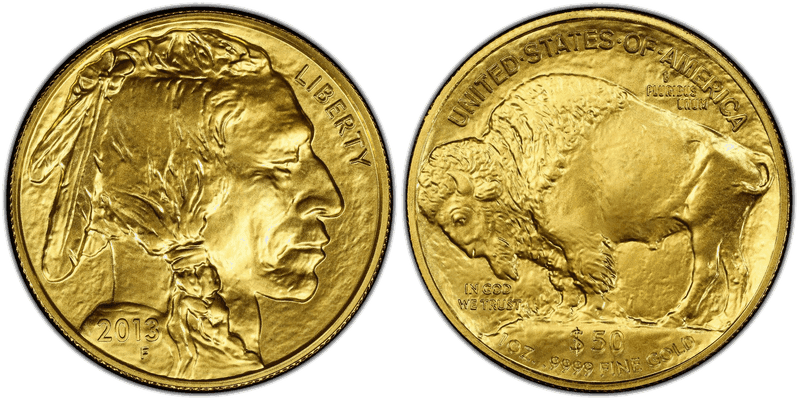
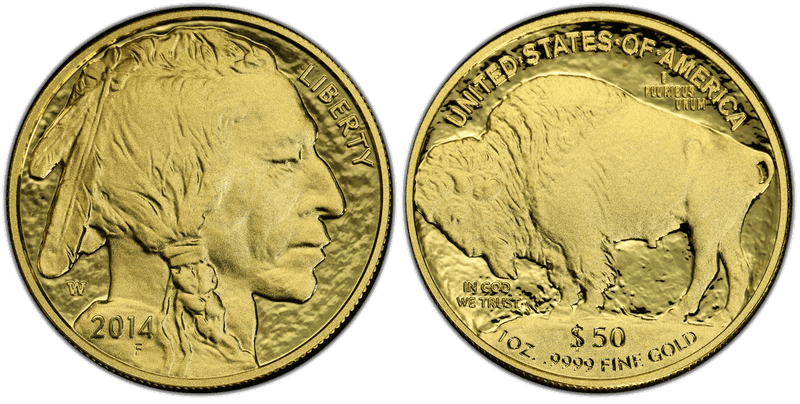
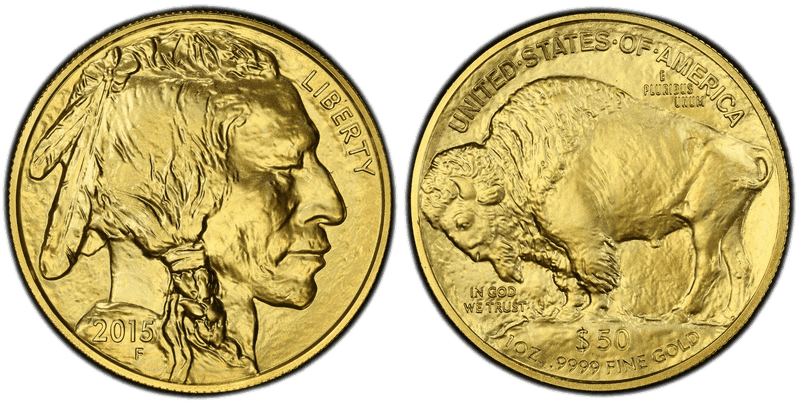
The American Buffalo gold coin, introduced in 2006, was the first .9999 fine (24-karat) gold coin the United States Mint struck for the public. Its design is James Earle Fraser's 1913 Buffalo nickel, a Native American portrait on the obverse and an American bison on the reverse, with the face value and gold weight now on the mound below the bison. It was authorized by the Presidential $1 Coin Act of 2005, which called for a one-ounce 24-karat gold coin with a $50 face value. Bullion coins, sold through the Mint's authorized purchasers and carrying no mint mark, and proofs with a W are struck at West Point. In 2008 only, the Mint also struck half-, quarter- and tenth-ounce coins in proof and burnished uncirculated finishes, with a burnished one-ounce coin.

Browse by Base(21 bases)

Showing all 21 listings

About the Program

Public Law 109-145, approved on December 22, 2005 and best known for creating the Presidential dollars, did more than that. Its second title ordered a $50 gold coin weighing one ounce and made of 99.99% pure gold, from newly mined American gold, in bullion and proof versions. For the first year the law required James Earle Fraser's designs for the 1913 Buffalo nickel, with the weight and the denomination on the mound under the bison; after that the Treasury could change the design. The result was the first .9999 gold coin the United States Mint struck for the public.

Bullion and proof coins went on sale on June 22, 2006. The Mint sells bullion coins only in bulk, to authorized purchasers who resell them, and sells proofs and other collector versions to the public itself. In 2008 it added fractional sizes and a burnished finish for that year only, and in 2013, a century after the first Buffalo nickels, it issued a reverse proof. The original nickels are covered in our Buffalo nickel guide.
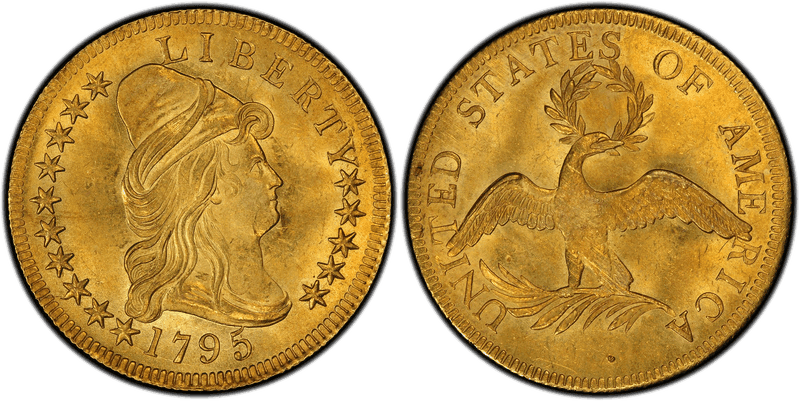
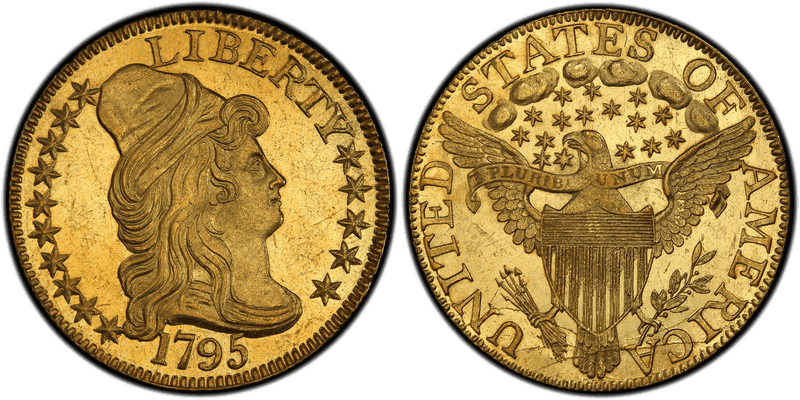
The Finishes and Mints

Every American Buffalo coin is struck at West Point.

  • Bullion (2006 on): one ounce, no mint mark. In 2008 the Mint also sold a bullion coin in a red gift box for the Lunar New Year, the Celebration Coin; the coin itself is the ordinary 2008 bullion piece.
  • Proof (2006 on): one ounce with a W, mirror-like fields and frosted designs. In 2008 there were also half-, quarter- and tenth-ounce proofs.
  • Burnished uncirculated (2008 only): all four sizes with a W, sold singly and in four-coin sets; a half-ounce burnished coin was also paired with a half-ounce Gold Eagle in the 8-8-08 Double Prosperity set.
  • Reverse proof (2013): one ounce with a W, frosted fields and mirrored designs.

Key Dates and Varieties

  • 2006: the first year. The Mint's figures are 337,012 bullion coins and 246,267 proofs, from a proof limit of 300,000.
  • 2008: the only year with four sizes before 2026. Proof sales were 18,863 one-ounce, 12,169 half-ounce, 13,125 quarter-ounce and 18,884 tenth-ounce coins, each figure including the 7,803 four-coin proof sets. The burnished coins sold out in late 2008, and the Mint has not published final totals for them. The Mint's monthly table shows no bullion sales in October and December 2008 or from January to September 2009.
  • 2013 reverse proof: it went off sale on September 5, 2013, and the Mint's last report gave 47,836.
  • 2019: 61,500 bullion coins sold in the calendar year and 14,844 proofs.
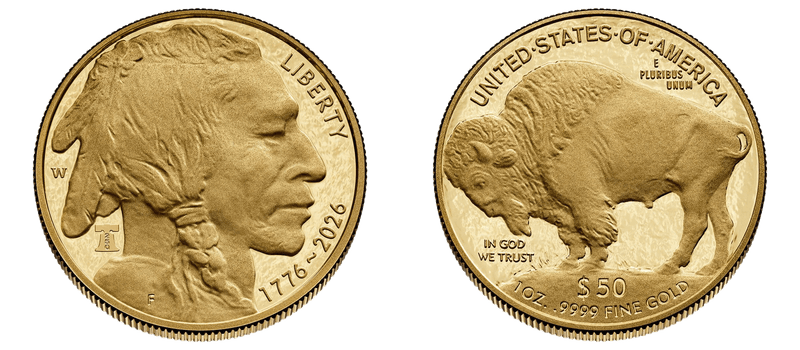
  • 2026: a proof showing both 1776 and 2026 and a Liberty Bell privy marked 250, on sale from May 7, 2026 with a product limit of 15,000. A tenth-ounce reverse proof marking the program's 20th anniversary is due on December 10, 2026.

Proof figures by year. From the Mint's sales reports (CoinNews tables for 2006-2013, the Mint's weekly reports after): 2007 58,998; 2009 49,306; 2010 49,263; 2011 28,693; 2012 19,765; 2013 18,594; 2014 20,557; 2015 16,591; 2016 21,878; 2017 15,810; 2018 15,756; 2020 11,887; 2021 16,976; 2022 15,943; 2023 15,911. The 2024 and 2025 proofs were still listed in October 2026, at 10,905 and 7,945.

Bullion figures. For 2006-2010 the Mint reported coins sold by date: 136,503 in 2007, 189,500 in 2008, 200,000 in 2009 and 209,000 in 2010. After that it reports sales by calendar month only, so its yearly totals (for example 239,000 in 2013, 242,000 in 2020 and 410,000 in 2022) include coins dated the year before. Some references print other figures for 2011-2014 that the Mint's own tables do not support.

In Our Catalog

No errors or varieties are listed for American Buffalo Gold 2006 to Date yet. Submit one

Mintages

American Buffalo Gold 2006 to Date mintages by year and finish, taken from each coin's page in our catalog. Each figure opens that coin's page, which lists its varieties and errors. A dash means no figure was recorded. Where one issue was struck in more than one type, each type is listed.

How to Tell Them Apart

Mint mark. Collector coins (proofs, the 2008 burnished pieces, reverse proofs) show a W behind the neck of the portrait; bullion has no letter there.

Finish. A proof has mirror-like fields; a reverse proof the opposite, frosted fields with mirrored designs. The 2008 burnished coins, which the Mint sold as uncirculated, carry a W but have no mirror fields; bullion has neither the W nor a proof finish.

Size and denomination. The mound on the reverse reads $50 1 OZ. .9999 FINE GOLD on the one-ounce coin and the smaller weight and denomination on the 2008 fractional coins.

The 2026 proof. Its dual date and 250 privy mark set it apart from every earlier proof.

Composition and Gold Content

SizeFace valueGross weightDiameterGold content
1 oz$5031.108 g32.70 mm1 troy oz
1/2 oz (2008)$2515.55 g (search)27.00 mm (search)0.5 troy oz
1/4 oz (2008)$107.78 g (search)22.00 mm (search)0.25 troy oz
1/10 oz (2008, 2026)$53.11 g (search)16.50 mm (search)0.1 troy oz
  • Composition: .9999 fine (24-karat) gold
  • Thickness: 2.95 mm (one ounce)
  • Edge: reeded
  • Designer: James Earle Fraser (1913 Buffalo nickel); the F for Fraser sits below the date

FAQ

How much gold is in an American Buffalo gold coin?

One troy ounce of .9999 fine (24-karat) gold. The Mint lists the coin at 31.108 grams gross, 32.70 mm across and 2.95 mm thick, with a reeded edge and a $50 face value. The 2008 fractional coins hold a half, a quarter and a tenth of an ounce, with face values of $25, $10 and $5.

Does the American Buffalo gold coin have a mint mark?

Only the collector versions do. Bullion coins come from West Point too but bear no letter; our bullion pages note the mint as (W). Proofs, the 2008 burnished coins and the reverse proofs carry a W.

What is the difference between a bullion and a proof Buffalo?

The Mint sells bullion coins in bulk to its authorized purchasers, who resell them, and prices them close to the gold they contain. Proofs, with mirror-like fields and frosted designs, are sold by the Mint to collectors, carry the W mint mark and come in a presentation case.

Were fractional American Buffalo coins ever made?

In 2008 only, until 2026. That year the Mint sold half-, quarter- and tenth-ounce coins as proofs and burnished uncirculated coins, singly and in four-coin sets with the one-ounce coin, from July 22. A 2026 tenth-ounce reverse proof is due to go on sale on December 10, 2026.

How many American Buffalo bullion coins were made?

The Mint published counts by date only for 2006-2010 (from 337,012 in 2006 to 209,000 in 2010). For later years it publishes bullion sales by calendar month, so a year's total, such as 410,000 in 2022, counts coins sold that year rather than coins bearing that date.

What is the 2026 American Buffalo proof?

A one-ounce proof for the nation's 250th anniversary. Instead of a single year it shows 1776 ~ 2026, and it bears a Liberty Bell privy mark numbered 250. It went on sale on May 7, 2026, with a product limit of 15,000, and the Mint's weekly report showed 14,737 sold in October 2026.

↑ Back to the coins: every year, mint, variety and error

Explore Other Denominations

Collector Essentials

Tools and references for building and protecting your coin collection.

As an Amazon Associate, NumisDex earns from qualifying purchases.