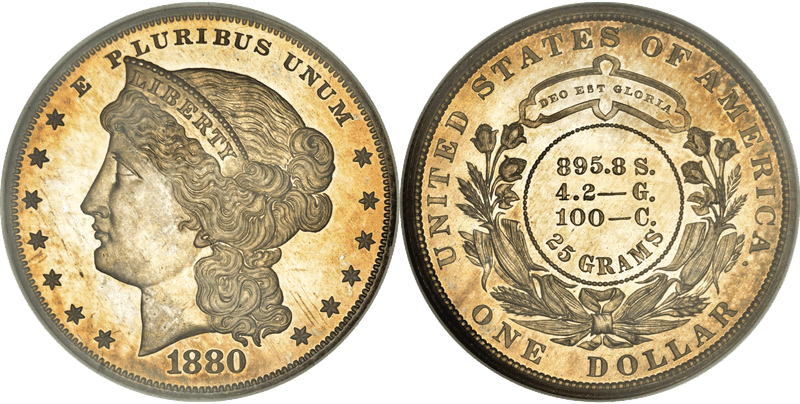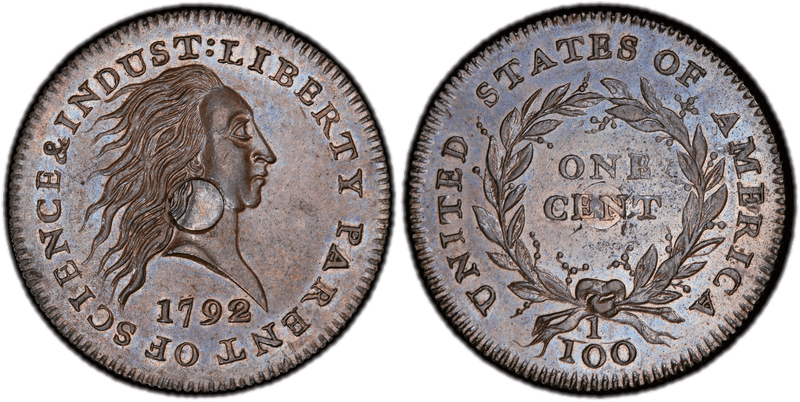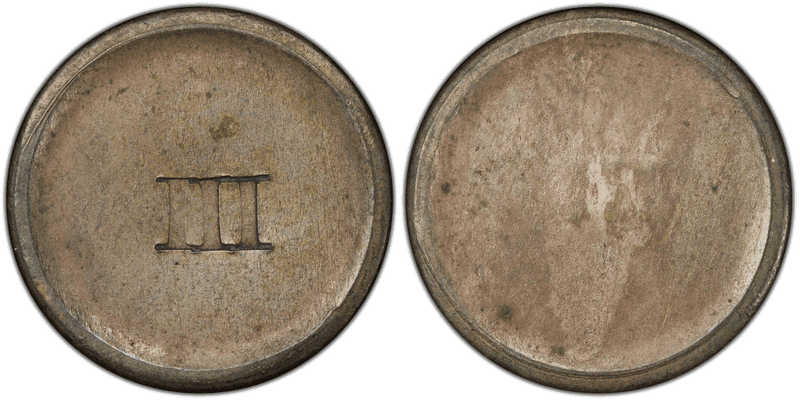
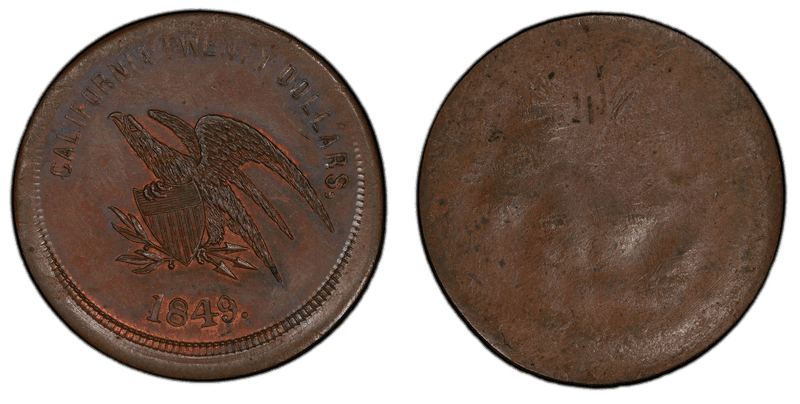

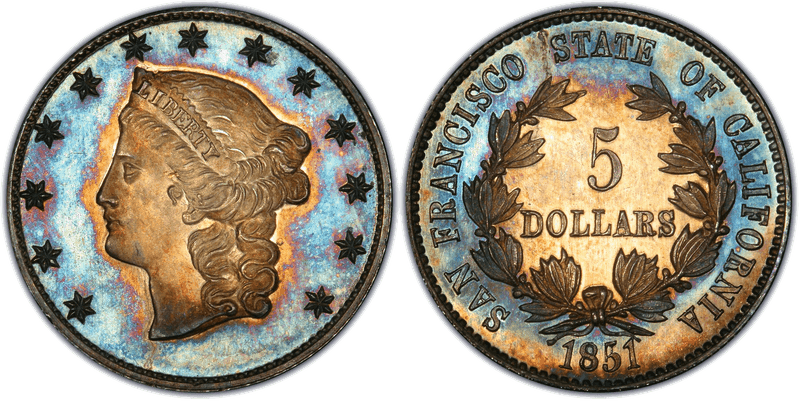
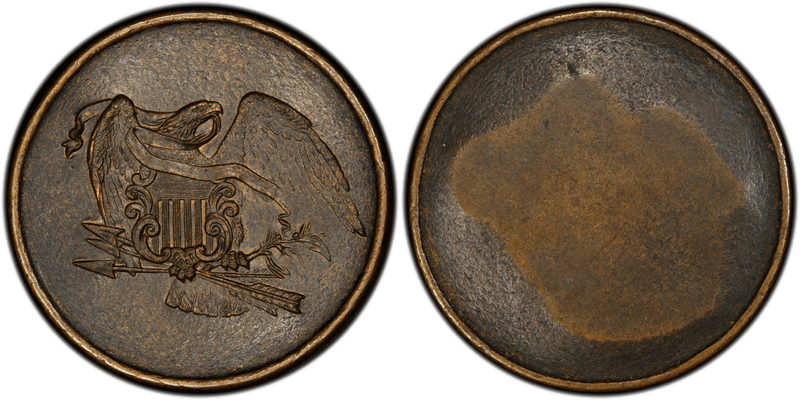
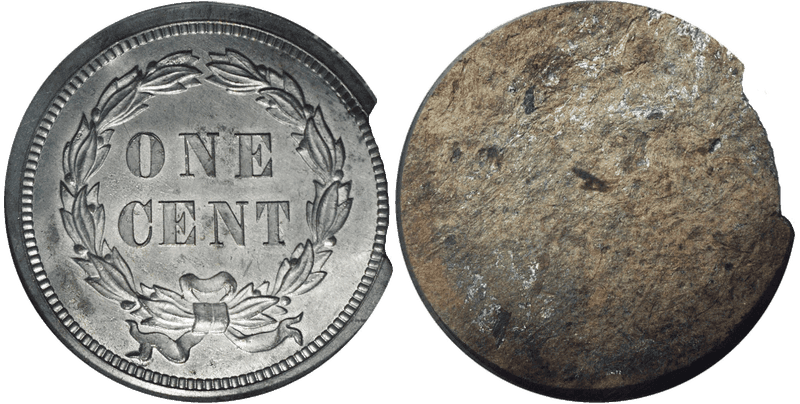
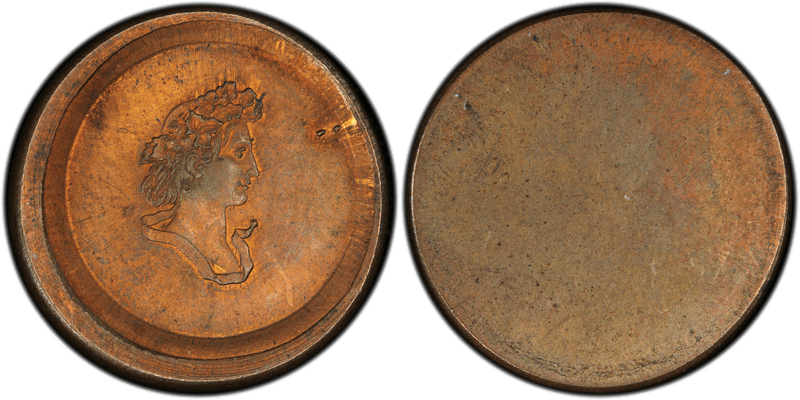



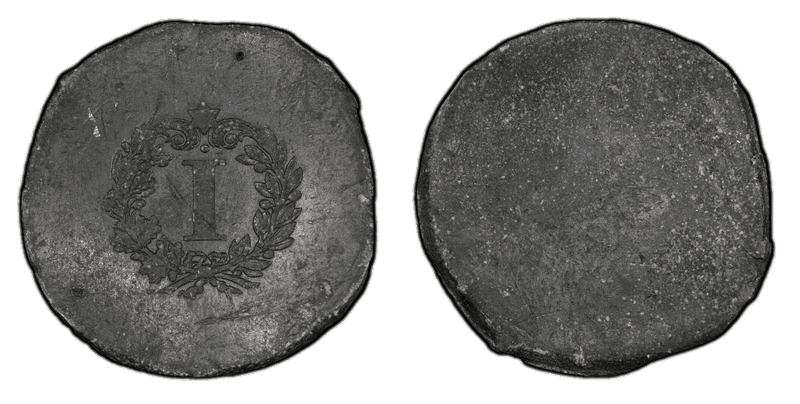

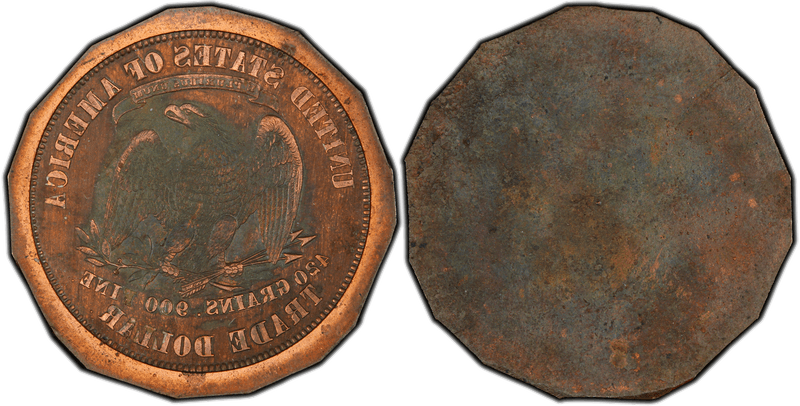

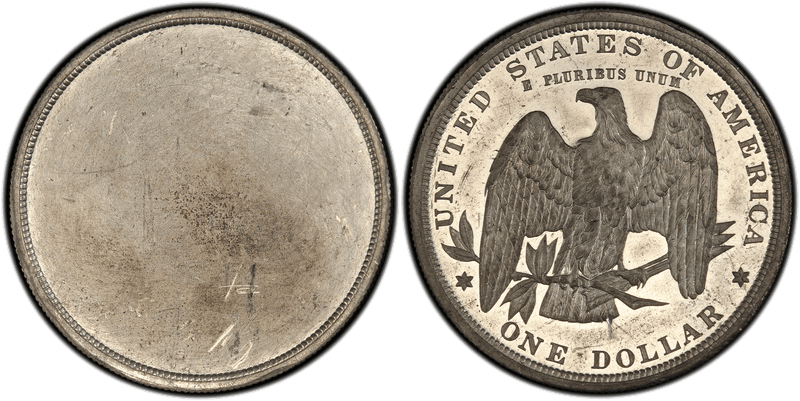


A coin die is a hardened steel tool with the design cut into it in reverse; a hub is the tool, with the design in relief, that presses the design into new dies. Before a die or hub went to work, or while an engraver was still cutting it, the Mint sometimes pressed it into a scrap of soft metal to see the result. Those impressions are die trials and hub trials. Most show only one side, because only one tool was being checked, and collectors call the one-sided pieces splashers. They were usually made in tin, lead or white metal (a tin alloy), and a few were pressed into dampened cardboard or wax; the portrait for the 1892 Columbian half dollar was approved from such a paperboard impression.
The earliest known Mint die trials are the two 1792 Wright quarter trials, one for each side of the quarter pattern that Judd numbers 12 and 13. A Mint memorandum of 1793 records Joseph Wright asking to be paid for two quarter dollar essays cut on David Rittenhouse's orders. Later trials record the work of Christian Gobrecht on the seated Liberty dollar of 1836, Anthony C. Paquet's eagle designs of the late 1850s, George T. Morgan's 1878 and 1879 patterns, and the commemorative and circulating designs of the twentieth century.
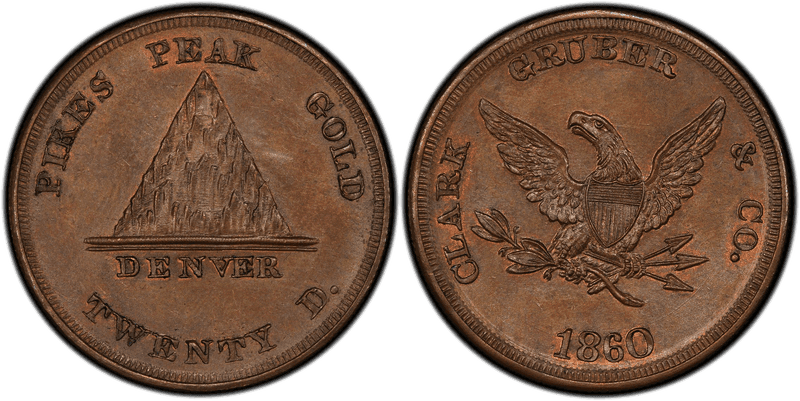
Not everything in this tree came from inside the Mint. In the early 1860s the Mint sold old dies as scrap, and collectors such as Joseph J. Mickley and Montroville Dickeson used some of them to strike pieces for sale. The 1806 and 1822 half dollar obverse trials and the 1804 dime obverse trial are of that kind. The tree also holds die trials for medals and for private Gold Rush coiners, which are listed under their own series elsewhere in the catalog.