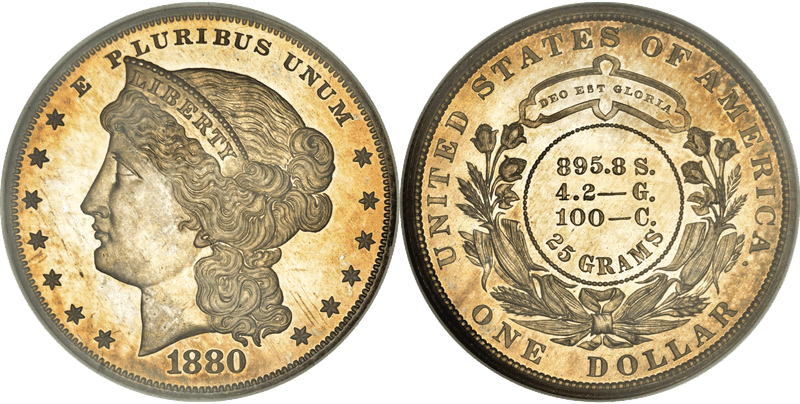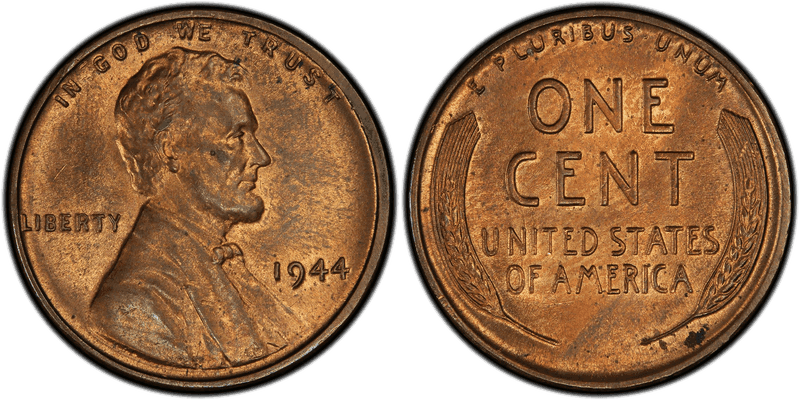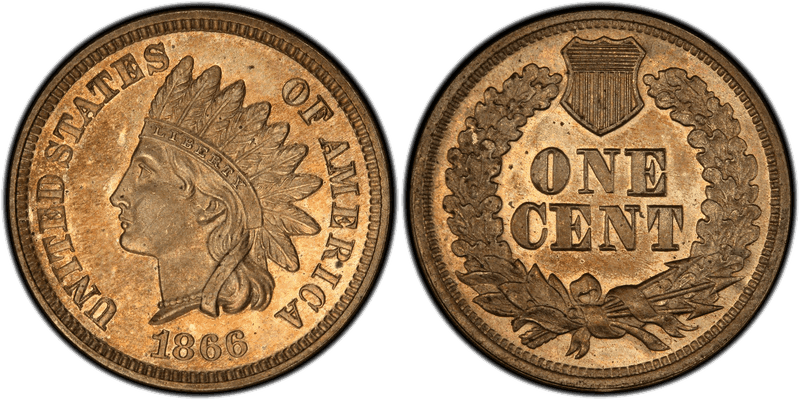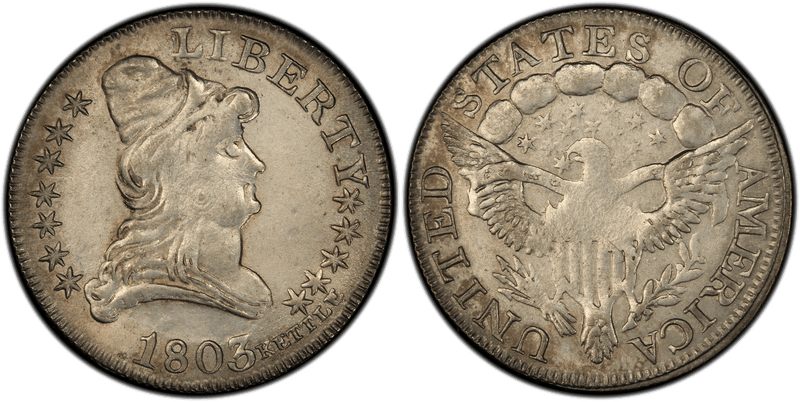
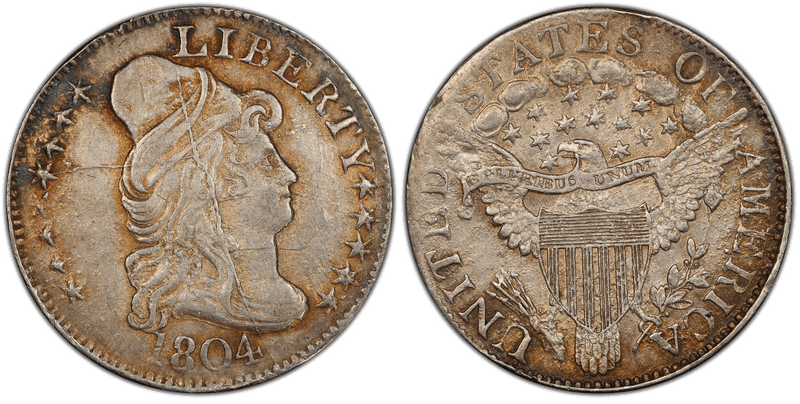

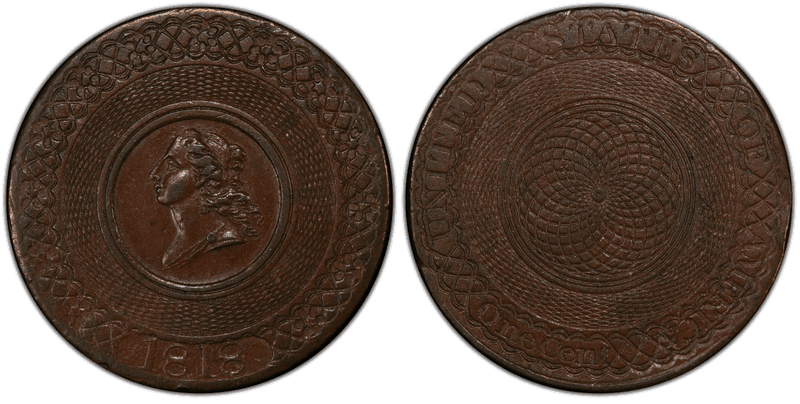


Some pieces that look like United States patterns were never made at the Mint. A few were proposals by private engravers, such as Jacob Perkins's cent and dollar trials of 1818 and 1819 or James Earle Fraser's electrotype models of 1911 and 1915. More were made for collectors. In the early 1860s the Mint sold worn-out dies as scrap, and Montroville Dickeson, Joseph J. Mickley and others used them, sometimes with dies of their own, to strike pieces for sale. Still others are imitations made for a different purpose, such as the Kettle & Sons gaming counters dated 1803.
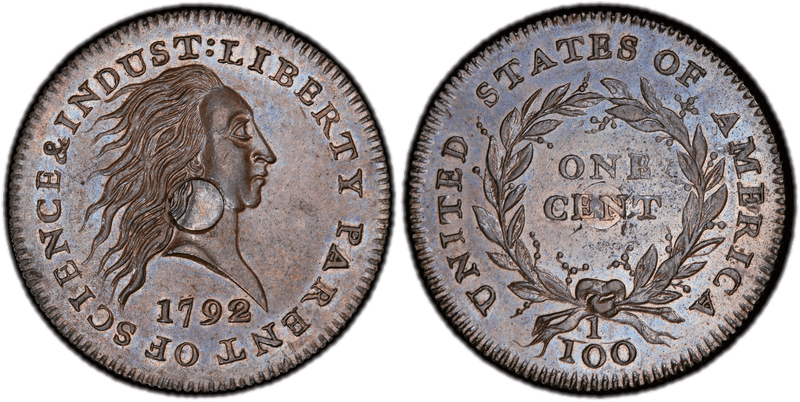
The 1792 cent that opens the series is one of Dickeson's. Its eagle-on-a-rock die was made for embossing revenue paper; he seems to have taken it for a rejected 1792 cent design and had a reverse die made to go with it. About a dozen are known in copper. NGC dates them to about 1859 and uspatterns to the early 1860s.