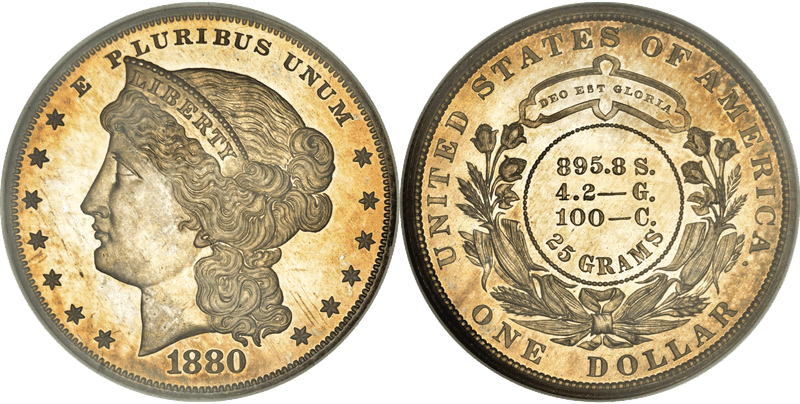
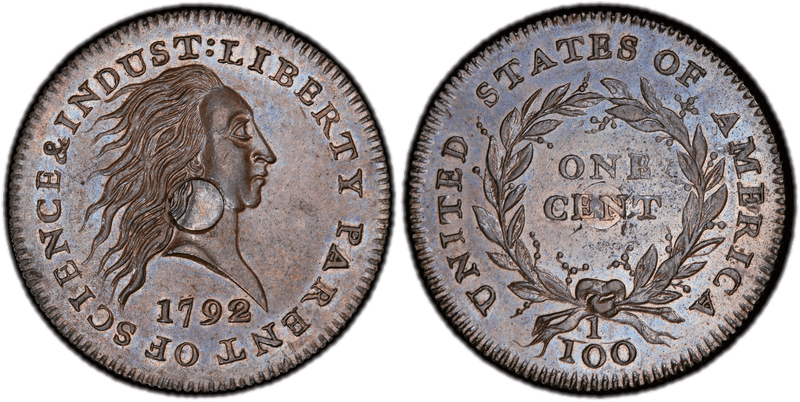
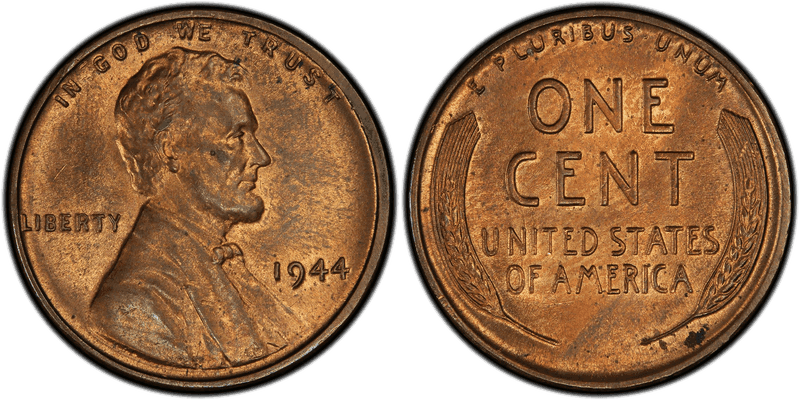
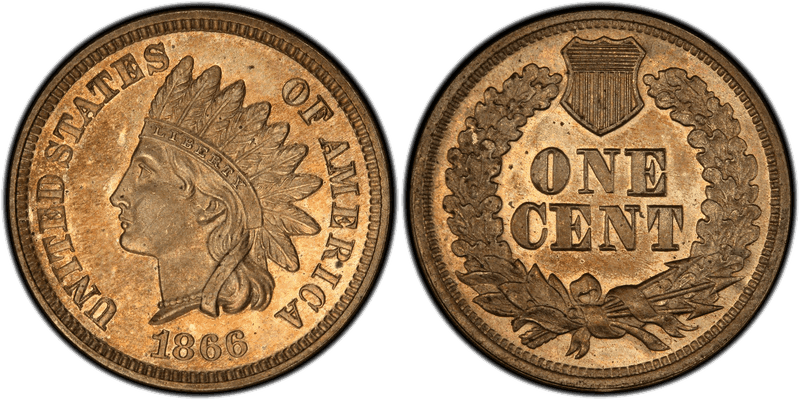
In 1869 specie payments were still suspended, gold and silver traded at a premium over paper money, and change under a dollar was made in paper notes. James Pollock, back as Director of the Mint from May 1869, used his report for that year to argue for a way out. If the dime, quarter and half dollar held less silver than their face value, people would have no reason to hoard them, and with a legal limit on how many could be issued they could replace the fractional notes. The Mint struck patterns for the plan in 1869 with the words STANDARD SILVER on the reverse. Those first pieces, and the earlier patterns of the 1860s, are in Reconstruction Era Patterns (1866-1869), with the 1869 dimes, quarters and half dollars.
James B. Longacre, who had held the Chief Engraver's post since 1844, died on the first day of 1869. William Barber became Chief Engraver on January 20 and held the post until his death in August 1879, and Wikipedia credits him with many pattern designs for a "Standard" coinage. In 1870 the Mint kept the three Standard Silver heads of 1869, one in a cap with stars, one in a tiara without stars and one with a single star on the band. It struck them with the 1869 reverse and with a new reverse, and Barber designed a new seated Liberty facing left for every silver denomination from the three-cent piece to the dollar. Dollars were also made with a seated Liberty dressed as an Indian princess. USPatterns.com credits that design to Longacre and believes Barber finished it. Bowers notes that the lighter coinage was not meant to include a dollar, and that the Mint made dollar patterns in 1870 all the same.
The Mint also made pieces for collectors. USPatterns.com reports that the Standard Silver sets were sold for $15 again in 1870, and that the regular dies of each denomination, cent through double eagle, were struck in copper, aluminum and nickel so that full off-metal sets could be sold. Bowers counts more than 250 different patterns dated 1870 and adds that only some were sold openly. Lighter silver patterns appeared once more in 1871. After that, in Bowers's account, Pollock dropped the plan.