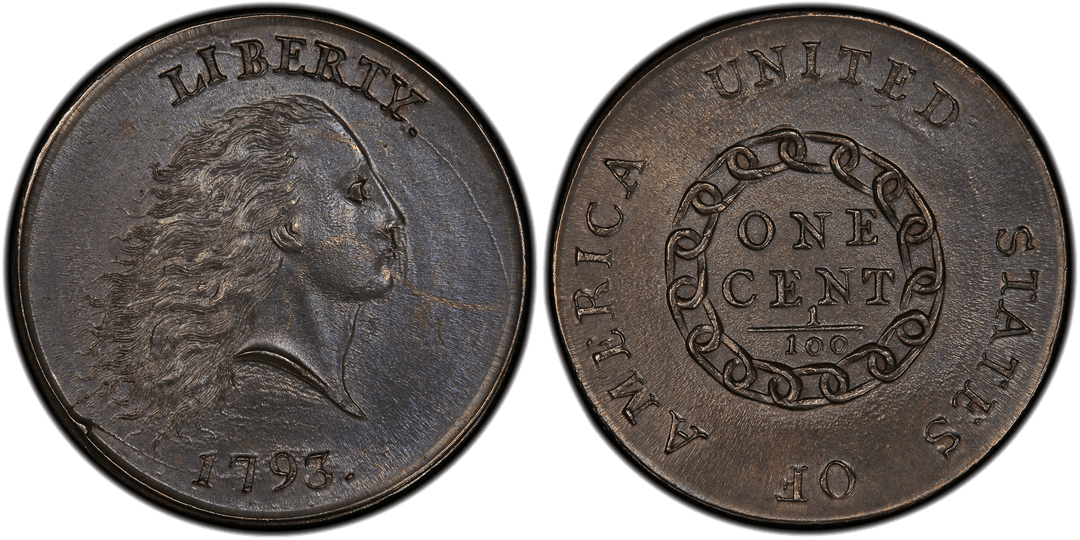
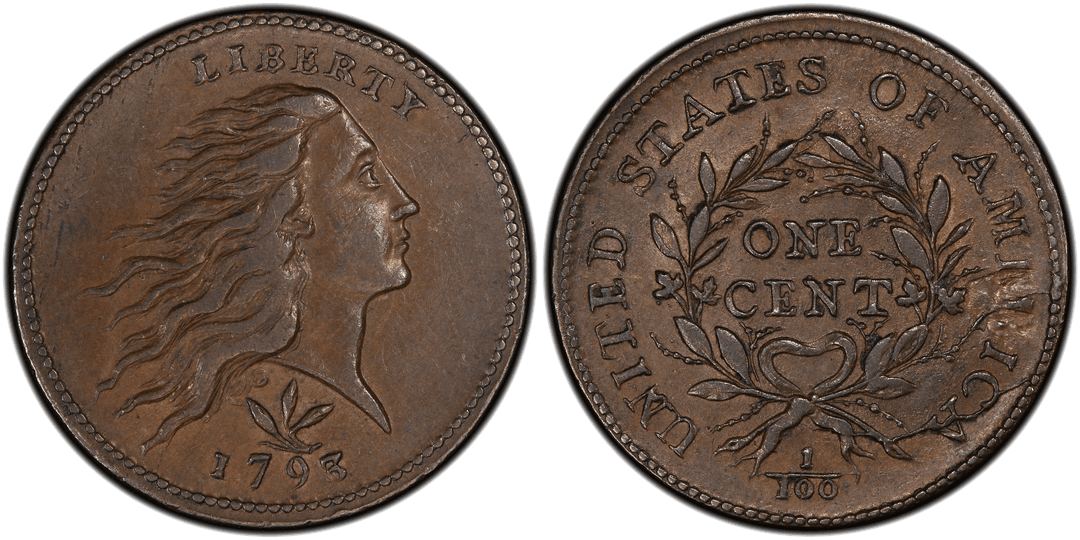
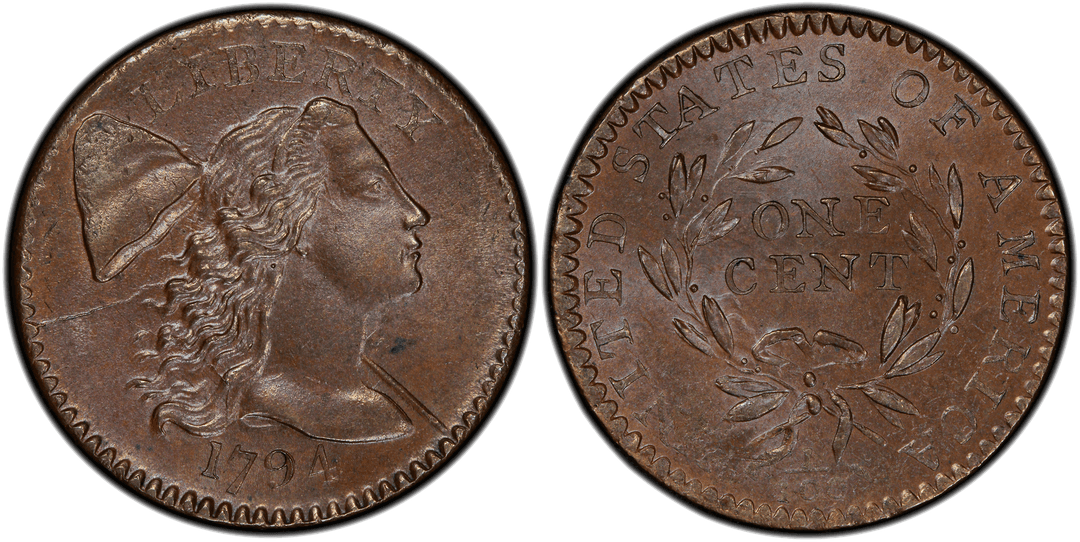
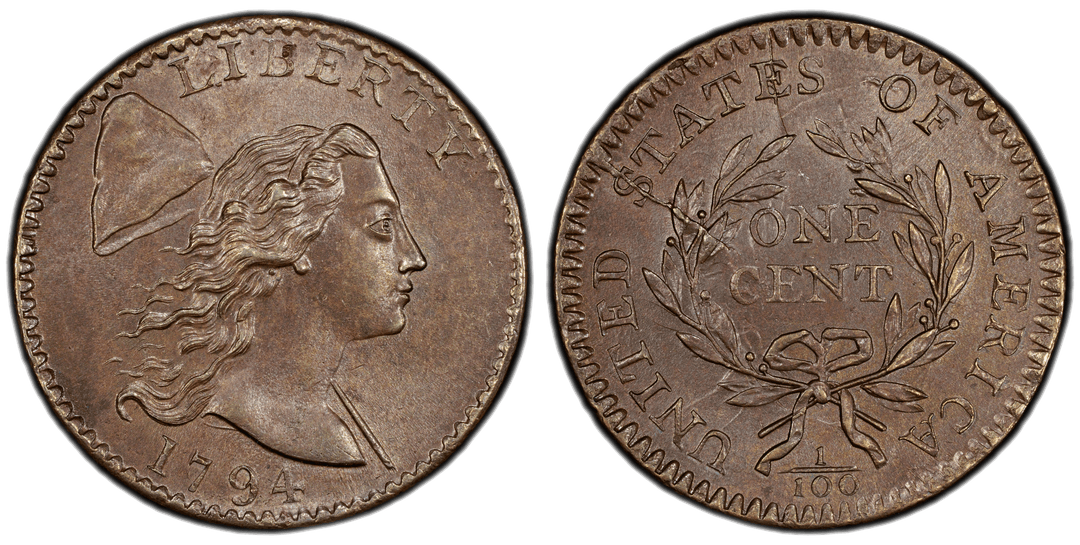
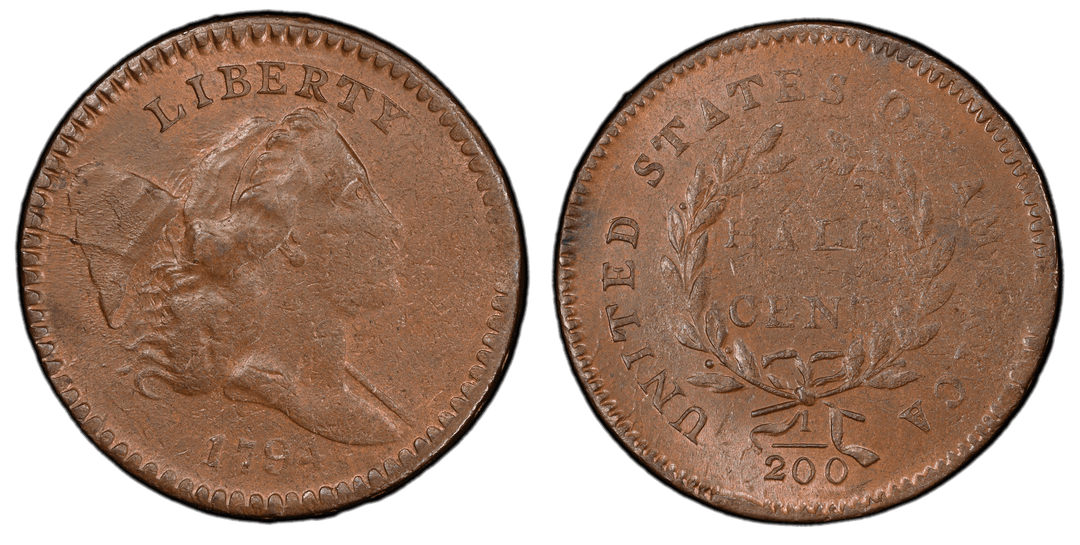
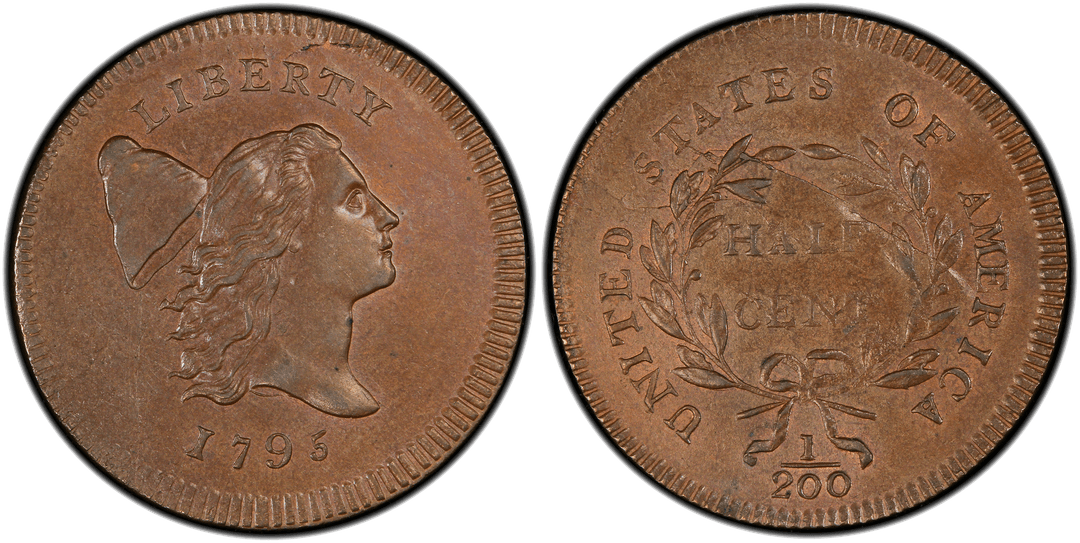
Unusual Die Crack (UDC)
An unusual die crack is a catch-all designation for die cracks that form distinctive, recognizable, or atypical patterns on a coin's surface. While standard die cracks are linear fractures that follow predictable stress paths, unusual die cracks attract collector interest because they create recognizable shapes, form unexpected patterns, appear in improbable locations, or interact with the design in ways that produce visually striking results. The UDC category exists to capture die crack varieties that do not fit neatly into the more specific die damage classifications — BIE, spiked head, bisecting crack — but are nonetheless noteworthy and collected.
How Does It Happen?
The formation mechanism is identical to standard die cracks — metal fatigue from repeated striking causes fractures in the die face. What makes a die crack "unusual" is not how it forms but where it forms and what pattern it creates:
- Standard crack mechanics: The die steel accumulates fatigue damage from cyclic striking stress. Micro-cracks nucleate at stress concentration points and propagate along the path of least resistance through the die's crystalline structure.
- Unusual path: The crack follows a path that creates an atypical visual result. This can happen when the die's internal stress field, grain structure, or design geometry directs the fracture along an unusual trajectory.
- Recognizable pattern: The crack's path creates a shape, letter, number, or symbol that is recognizable to human observers. This is coincidental — the crack follows physics, not design intent — but the result is a visual pattern that attracts collector interest.
- Design interaction: The crack interacts with existing design elements in a way that creates an unusual visual effect — extending a design feature, connecting unrelated elements, or creating the appearance of an additional design component.
The "unusual" designation is inherently subjective. What one collector considers unusual, another considers a standard die crack. The numismatic community has generally settled on several categories of die cracks that qualify as unusual:
- Cracks that form recognizable letters or numbers
- Cracks that create the appearance of additional design elements
- Cracks that connect design elements in unexpected ways
- Cracks in locations where die cracks are extremely uncommon
- Cracks that form closed or nearly closed shapes (circles, loops)
- Multiple cracks that create a coordinated pattern
How to Identify an Unusual Die Crack
The identification criteria include all standard die crack diagnostics plus the additional "unusual" characteristic:
- Raised profile: The crack line is raised on the coin's surface, consistent with all die cracks. Metal filled the fracture during striking.
- Consistent position: The crack appears in the same location on every coin struck by that die after the crack formed.
- Distinctive pattern: The crack creates a visual pattern that stands out from ordinary linear cracks. This is the qualifying characteristic for the UDC designation.
- Design context: The crack's visual impact depends on its relationship to surrounding design elements. A crack forming an "S" shape in an open field is unusual. The same crack hidden within complex design work is less notable.
What Qualifies as "Unusual"?
The numismatic community applies the UDC designation based on these general principles:
| Qualifies as Unusual | Does Not Qualify |
|---|---|
| Crack forming a recognizable letter/number | Standard linear crack through the field |
| Crack creating appearance of extra design element | Short hairline crack at the rim |
| Crack connecting unrelated design elements | Crack following a design element's contour |
| Crack in an extremely rare location | Crack in a typical stress concentration area |
| Multiple cracks forming a coordinated pattern | Multiple unrelated cracks |
Notable Examples
"Arrow" Die Cracks
Die cracks that form V-shaped or arrow-like patterns pointing toward or away from design elements are among the most commonly cataloged unusual die cracks. On various denominations, converging cracks create arrowhead shapes in the field that look like intentional directional indicators.
Letter-Forming Cracks
Die cracks that coincidentally form recognizable letters draw strong collector interest. Documented examples include cracks forming "L," "T," "V," "X," and "Y" shapes at various locations on different denominations. The BIE error on Lincoln cents is the most famous letter-forming die crack, but because it occurs so frequently at one specific location, it has its own designation rather than being classified as UDC.
"Connected Stars" on Morgan Dollars
Certain Morgan dollar die states show die cracks that connect the stars surrounding Liberty's head, creating a "connected stars" pattern where the normally separate star design elements are linked by crack lines. VAM researchers catalog these as specific die states, and the visual effect of stars joined by fine raised lines is distinctive.
"Horned" Varieties on Various Denominations
While "Spiked Head" (SKH) is reserved for Lincoln cents, similar horn-like die crack projections from portrait features on other denominations are classified as unusual die cracks. Washington quarters with spike projections from Washington's nose or wig, Roosevelt dimes with projections from Roosevelt's profile, and Jefferson nickels with similar features are all documented UDC varieties.
"Tombstone" Die Cracks on Seated Liberty Coins
Certain Seated Liberty die states develop curved die cracks near the shield that create rectangular or tombstone-shaped patterns. These distinctive shapes earned the "tombstone" nickname and are actively collected by Seated Liberty specialists.
Loop and Circle Cracks
Die cracks that curve back on themselves to form partial or complete loops are rare and highly collectible. The fracture mechanics that produce a curved path require specific die stress conditions, and closed or nearly closed loop cracks are among the most sought-after unusual die crack varieties.
Collecting Tips
- Visual appeal is king: The value of an unusual die crack depends almost entirely on how clearly the unusual pattern is visible and how recognizable the shape or effect is. A die crack that forms a crisp, easily recognized letter commands a significant premium; a crack that requires explanation to appreciate is less valuable.
- Subjectivity: The boundary between an "unusual" die crack and an ordinary one is not precisely defined. What you find unusual and worth collecting is a personal judgment. This subjectivity is part of the appeal — collectors define their own standards for what qualifies.
- Denomination diversity: Unusual die cracks appear on every denomination. Collecting UDCs across denominations provides variety and the opportunity to appreciate how die crack patterns differ between small and large planchets, clad and silver compositions, and old and modern designs.
- Low cost, high reward: Most unusual die cracks on common dates cost very little — even dramatic examples are often priced at a few dollars to a few tens of dollars. The visual interest and conversation value far exceed the cost for most examples.
- Nicknames sell: Unusual die cracks with catchy nicknames — "Speared Bison" (officially a die gouge, but the principle applies), "Horned Washington," "Connected Stars" — attract more market attention than the same variety described technically. Learning and using the established nicknames helps in buying, selling, and trading.
- Photography: Unusual die cracks are among the most rewarding varieties to photograph. Angled lighting emphasizes the raised crack lines and makes the unusual pattern pop. Good photographs also help communicate the variety to potential buyers.
- Reference building: Because UDC is a catch-all category, no single reference catalogs all unusual die cracks. Building your own reference library — photographing your finds, noting the date, mint mark, and die description — creates a personal resource and contributes to the broader error collecting community.
Related Error Types
- Die Crack (DCK) — Standard die cracks; UDCs are a subset with distinctive patterns
- BIE Die Break Cent (BIE) — A specific unusual crack pattern that earned its own designation
- Spiked Head (SKH) — A specific unusual crack pattern on Lincoln cents
- Bisecting Rim-to-Rim Die Crack (RDC) — A dramatic crack form with its own designation
- Shattered Die (SHD) — Multiple interconnected cracks forming a network
- Die Gouge (DGO) — Raised marks from die damage, sometimes confused with unusual cracks