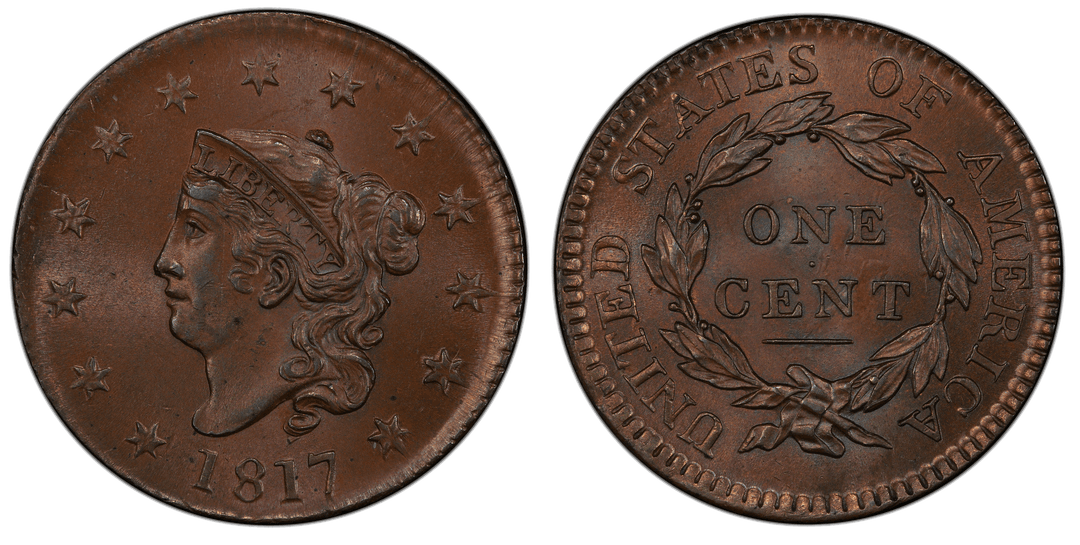
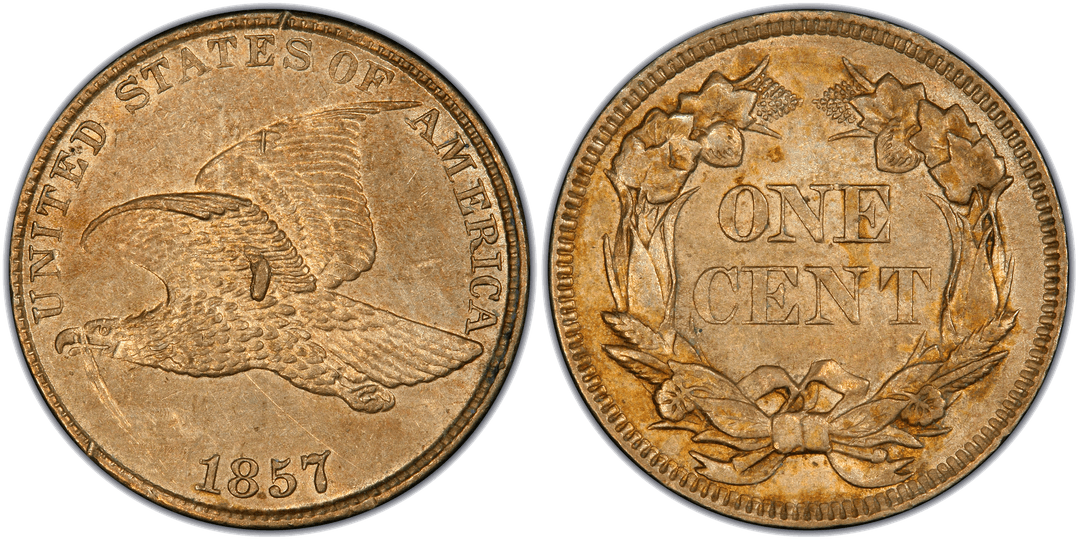
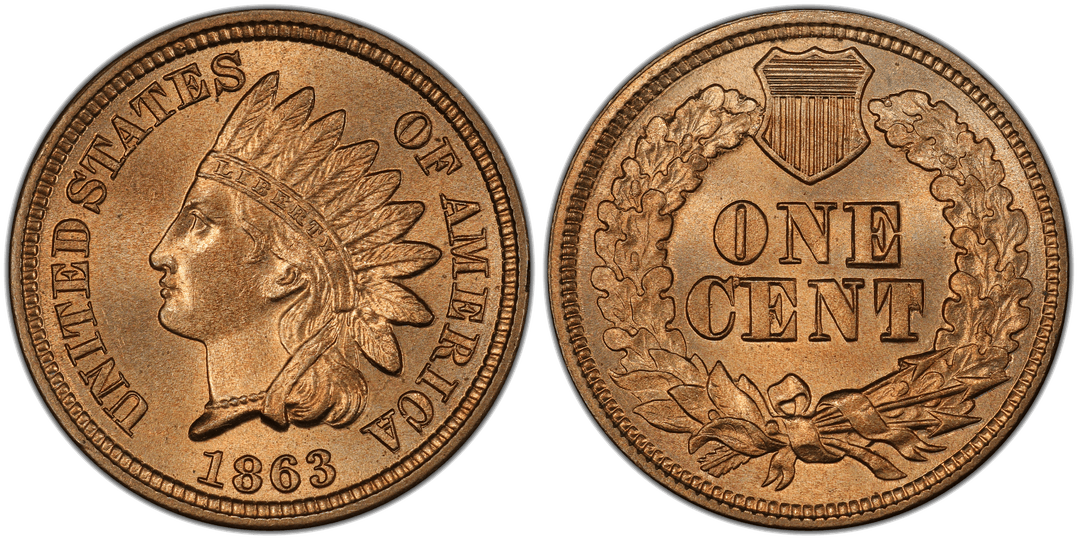
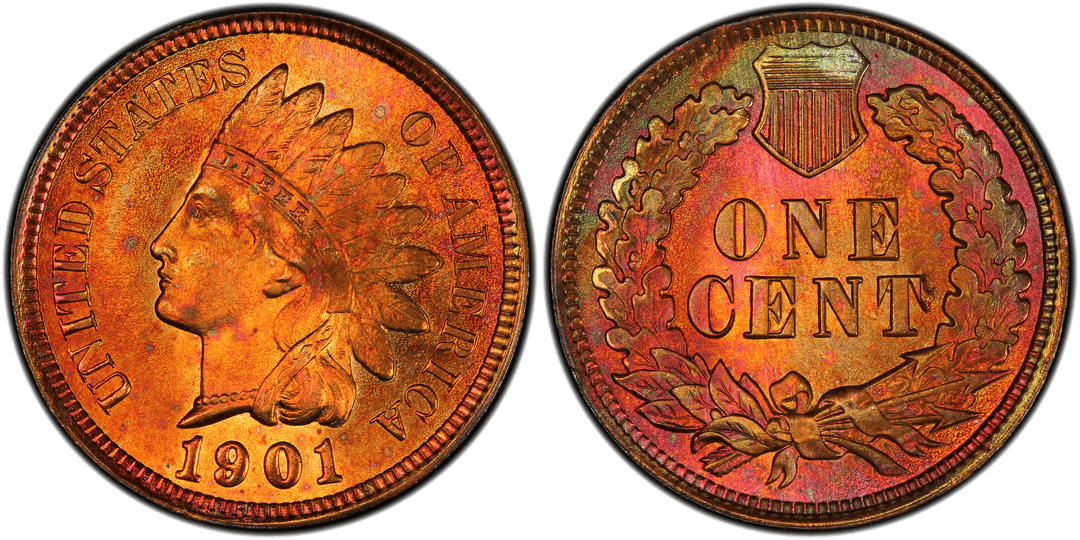
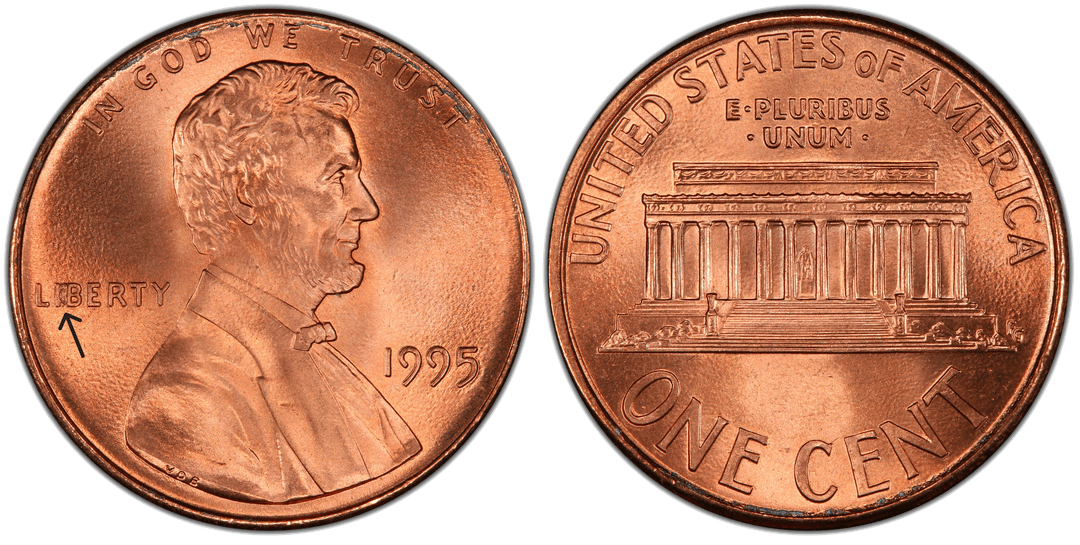
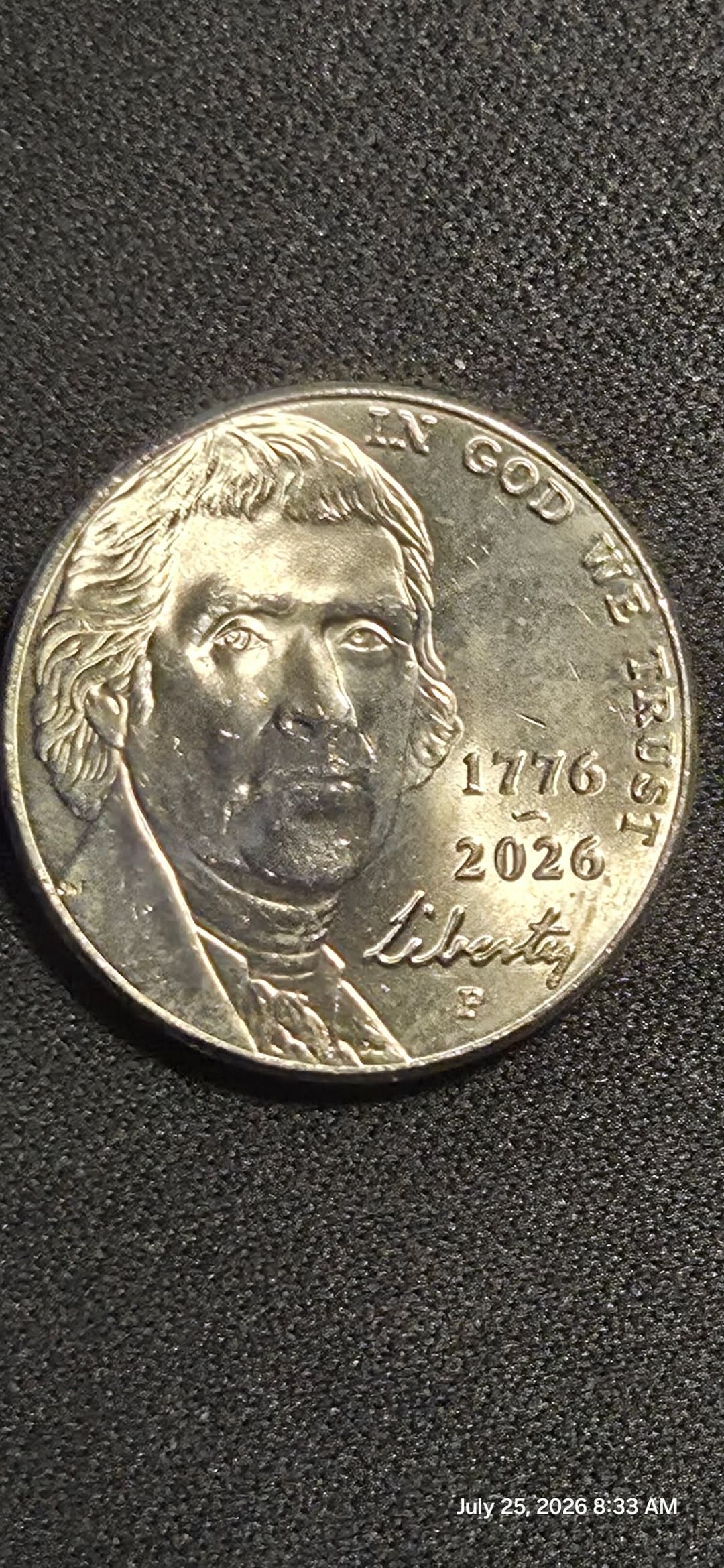
Die Chip (DIC)
A die chip is a small piece of the die face that has broken away, leaving a tiny raised bump or blob on struck coins. Die chips are the smallest-scale form of die material loss — smaller than a die break and far smaller than a cud. They are extremely common on circulated coins of all denominations and eras, and most go unnoticed by casual observers. Collectors focus on die chips that occur in significant or visually interesting locations: inside letters, on facial features, in star points, or in other spots where the small raised bump creates a recognizable or amusing effect.
How Does It Happen?
Die chips form through the same fundamental mechanism as all die breaks — metal fatigue from repeated striking — but on a much smaller scale:
- Stress at design junctions: The junctions between design elements and the field create stress concentration points on the die face. The sharp transitions between raised and recessed areas of the die are particularly vulnerable to micro-fractures.
- Micro-fracture development: A tiny section of die steel at one of these stress points develops a fracture that isolates a small fragment from the surrounding die face.
- Fragment loss: The small fragment separates from the die and falls away (or is expelled during the next strike). The resulting void is a tiny pit in the die face.
- Raised bump on coin: When a planchet is struck by the chipped die, metal flows into the tiny void, producing a small raised bump on the finished coin.
Die chips are especially common in specific areas of coin designs:
- Inside closed letters: Letters like O, D, B, P, Q, and R have enclosed interior spaces. The die steel forming the interior of these letters is essentially a small island surrounded by deeper-cut areas, making it vulnerable to chipping.
- Junction points: Where two design elements meet at an angle (such as the serifs of letters, the points of stars, or the corners of shield elements), stress concentrations promote chipping.
- High-relief details: Fine details that are deeply cut into the die create thin sections of die steel that are more prone to fracture.
How to Identify a Die Chip
Die chips have specific identifying characteristics:
- Small size: Die chips are typically 0.5mm or less in diameter. Larger areas of die material loss are classified as die breaks.
- Raised profile: The chip appears as a raised bump on the coin's surface — not a depression. If the mark is incuse (below the surface), it is a contact mark or other post-strike damage, not a die chip.
- Irregular shape: Die chips have random, irregular outlines. They do not form geometric shapes or follow design contours.
- Consistent position: The same chip appears in the same location on every coin struck by that die after the chip occurred. Comparing two coins from the same die confirms the chip's die origin.
- No design detail: The chip area is a blank blob of metal — it shows no design impression because the corresponding area of the die was missing when the coin was struck.
Common Die Chip Locations with Nicknames
Collectors have given nicknames to die chips that appear in visually amusing locations:
- "Filled" letters: Die chips inside letters O, D, or other closed letters create the appearance of a filled-in letter — "clogged die" effect
- "Extra eye": A chip near the eye of a portrait creates the appearance of an additional eye
- "Horned" varieties: A chip at the top of a portrait head creates a horn-like projection (distinct from spiked heads, which are die cracks)
Notable Examples
"Extra Leaf" Wisconsin Quarter (2004)
While the exact cause is debated between die chip and die gouge, certain 2004-D Wisconsin State Quarter varieties show raised marks near the ear of corn on the reverse that resemble an extra leaf. These "High Leaf" and "Low Leaf" varieties — among the most collected modern error coins — demonstrate how a small die defect in the right location creates enormous collector interest. Individual examples have sold for hundreds to thousands of dollars.
Roosevelt Dime Torch Die Chips
The torch on the Roosevelt dime reverse is a frequent location for die chips. The fine details of the flame design create stress points that produce chips, and collectors have cataloged die chip varieties on Roosevelt dimes spanning decades of production.
Lincoln Cent Date Die Chips
Die chips that partially fill digits in the date are consistently popular. A chip inside the 0 of a date, for example, creates a distinctive "filled zero" that is easy to spot and verify. These are collected across all years of Lincoln cent production.
Washington Quarter Eagle Die Chips
The small die chips that appear in the letters of E PLURIBUS UNUM or LIBERTY on Washington quarters are extremely common but create a collecting niche. Some dates have dozens of documented die chip varieties in different locations.
Jefferson Nickel Die Chips
The inscription-heavy design of the Jefferson nickel provides numerous closed letters where chips commonly form. Die chips in the letters of MONTICELLO on the pre-2004 reverse are especially well-documented.
Collecting Tips
- Significant location is everything: The value of a die chip depends almost entirely on where it appears. A chip in an open field area has negligible collector interest. A chip that creates a visual effect — a "filled" letter, a "horn," an apparent extra design element — is what attracts collectors and commands premiums.
- Common vs. notable: Most die chips are too minor and too common to carry any premium. Only chips in significant locations, on popular dates, or with notable visual effects are worth more than face value. Do not assume every die chip is valuable.
- Magnification essential: A 10x loupe is the minimum for identifying die chips. Many chips are small enough to require 20x-30x magnification for proper examination and confirmation.
- Documentation: Notable die chips are cataloged in die variety references. Wexler's die variety files, CopperCoins.com (for cents), and various denomination-specific references include die chip listings.
- Cherry-picking potential: Because die chips are small and require examination with magnification, they are frequently overlooked by dealers and in bulk lots. Patient collectors who examine coins carefully find unreported die chips regularly.
- Proof coins: Die chips on proof coins are particularly notable because the Mint's quality control for proof production is stricter. A die chip that escaped proof quality control and appears on a proof coin is scarcer and more desirable than the same chip on a business strike.
- Grading impact: Third-party grading services do not typically lower a grade for die chips, as they are recognized as Mint-produced characteristics. Notable die chips in significant locations are sometimes attributed on the holder.
Related Error Types
- Die Break (DBK) — Larger-scale die material loss
- Cud (CUD) — Major die break at the rim
- Interior Die Break (IDB) — Larger interior die fragment loss
- Die Crack (DCK) — Fracture in the die face, precursor to chips and breaks
- BIE Die Break Cent (BIE) — Specific die chip/break between B and E on Lincoln cents
- Die Gouge (DGO) — Raised mark from mechanical damage, not fatigue fracture