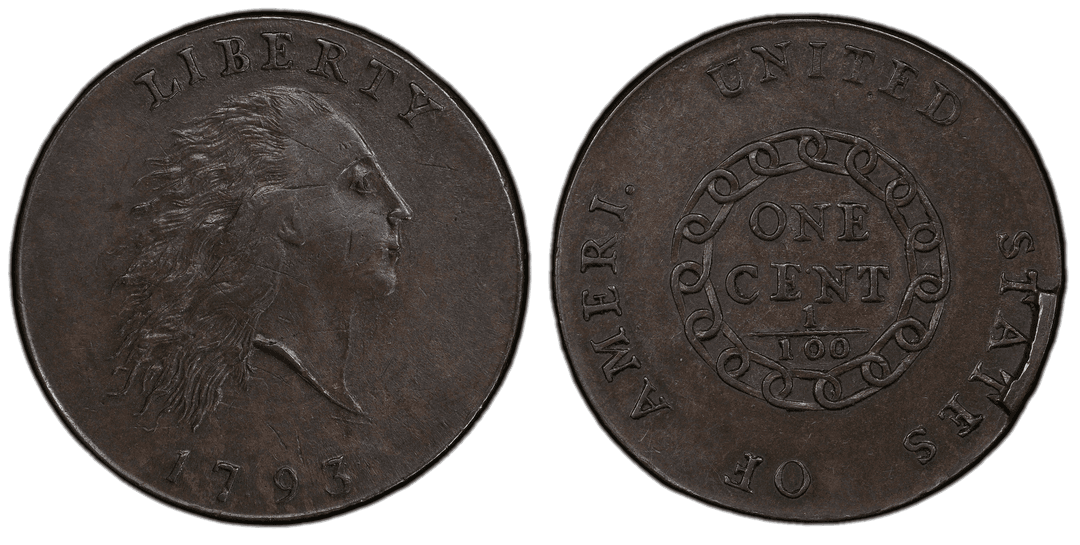
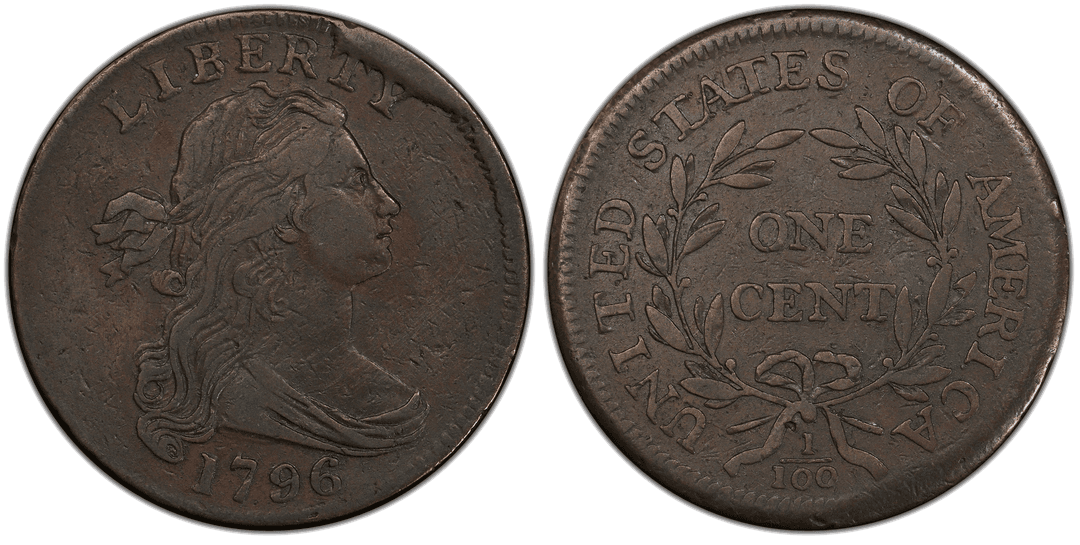
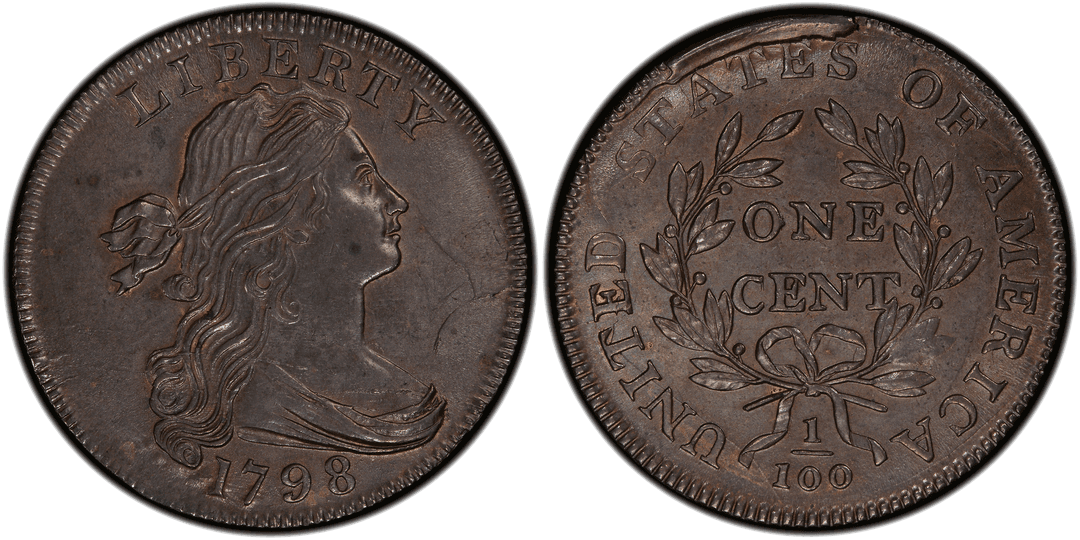
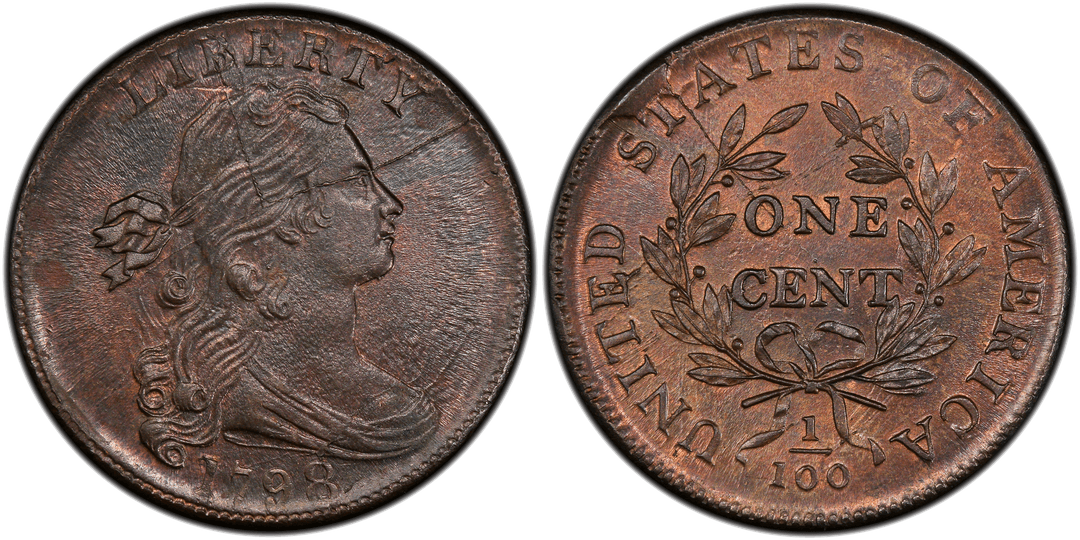
Cud (CUD)
A cud is a raised, blank area on a coin caused by a piece of the die breaking away at or near the rim. When part of the die surface fractures and falls off, the corresponding area on struck coins has no design impressed into it, leaving a flat, featureless blob of metal that is level with or slightly higher than the coin's rim.
How Does It Happen?
Coin dies endure enormous stress during the minting process. A typical coining press applies between 35 and 150 tons of force per strike, and a single die may produce hundreds of thousands of coins before being retired. Over time, this repeated stress causes metal fatigue in the die.
The sequence of die failure that produces a cud typically follows this progression:
- Die cracks form: Hairline fractures develop in the die face from the constant striking pressure
- Cracks extend to the rim: The cracks propagate outward toward the edge of the die
- Die fragment separates: A section of die face between the crack and the rim breaks away completely
- Cud appears on coins: With that section of die missing, struck coins have an unstruck area — the cud — where the broken piece was
The term "cud" is a colloquial one in numismatics, borrowed from its resemblance to the chewed mass a ruminant animal produces. It is not an official Mint term, but it is universally understood among collectors and dealers.
How to Identify a Cud
Cuds have distinctive characteristics that set them apart from other die damage errors:
- Location: Always at or connected to the rim. A raised blank area in the interior of the coin (not touching the rim) is an interior die break, not a cud.
- Texture: The cud area is typically smooth or slightly rough — it lacks any design detail because that section of the die was missing when the coin was struck.
- Elevation: Cuds are usually raised above the coin's field, sometimes even above the rim height, because metal flows into the void left by the missing die fragment.
- Sharp boundary: The edge of the cud where it meets the normal design often shows a clear demarcation line corresponding to the original die crack.
- Opposite side: The side of the coin opposite the cud (struck by the intact die) will show a corresponding weak or distorted area due to uneven metal flow.
Cud vs. Similar Errors
| Error Type | Key Difference |
|---|---|
| Die crack | A raised line on the coin's surface — the die is cracked but no piece has fallen off yet |
| Pre-cud | An advanced die crack that is beginning to separate but the die fragment has not yet detached |
| Retained cud | The die fragment is broken but held in place — the coin shows a raised area with partial or displaced design |
| Interior die break | A die fragment has broken away from the die's interior, not connected to the rim |
Notable Examples
1922 "No D" Lincoln Cent
While primarily known as a mint mark variety, many 1922 "No D" cents also exhibit significant die damage including cuds. The heavily worn dies that produced these coins were in advanced stages of failure.
Large Cents (1793-1857)
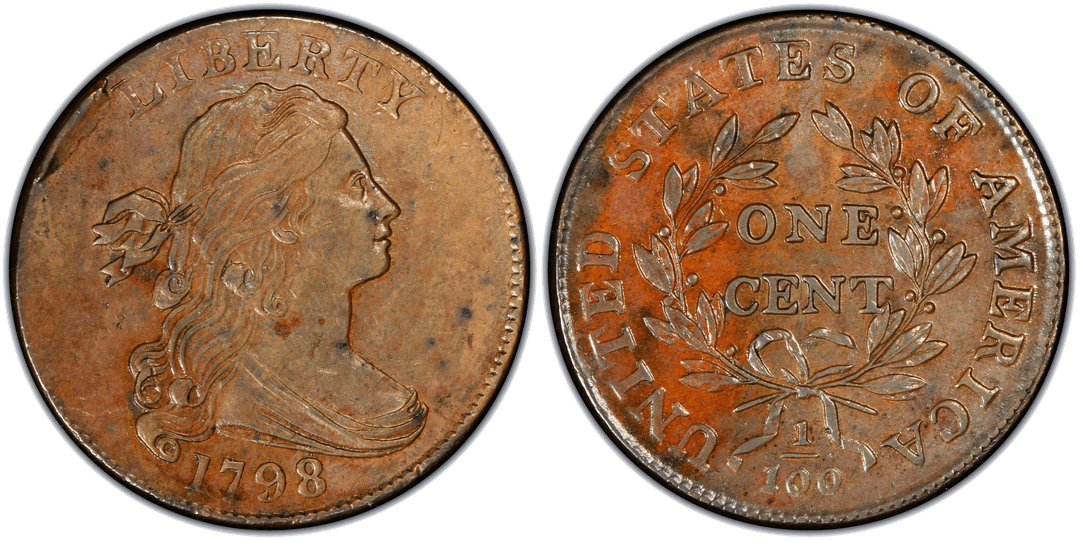
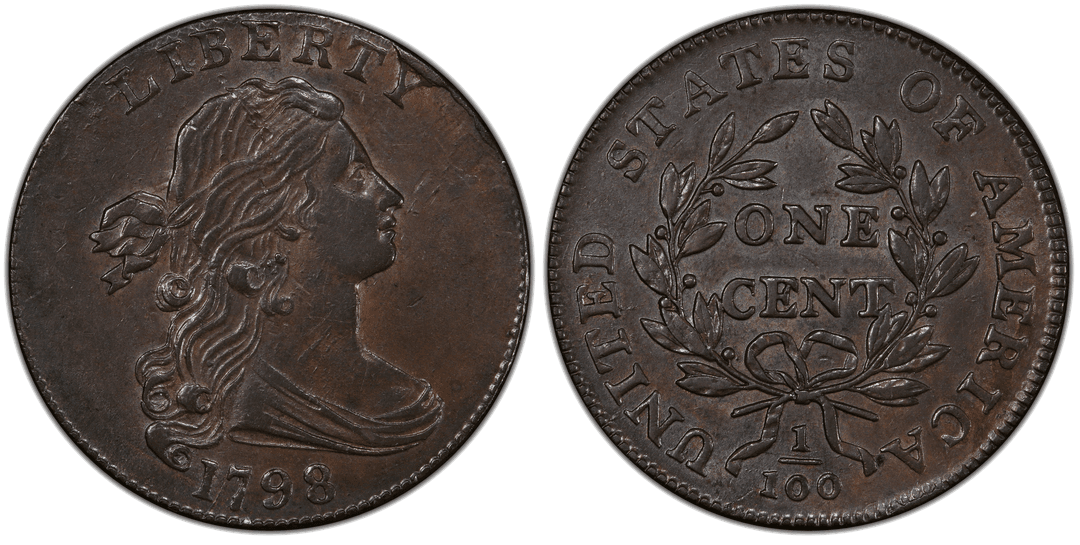
The early U.S. copper large cents are rich territory for cud collectors. Die technology of the era was primitive by modern standards, and die failures were common. Some Draped Bust and Classic Head large cents with major cuds are highly prized.
State Quarter Cuds
The 50 State Quarters Program (1999-2008) produced billions of coins per year, and cuds appeared on many different dates and mint marks. The high production volume made cuds from this series relatively accessible to collectors.
Modern Shield Cents
Even with modern die technology, cuds continue to appear. Shield Lincoln cents (2010-present) with cuds are regularly discovered, particularly in mint sets and uncirculated rolls.
Collecting Tips
- Size matters: Larger cuds are generally more valuable than small ones. A cud covering 10-20% of the coin's surface is a major cud and commands a significant premium. Small rim cuds (sometimes called "rim blebs") are common and modestly valued.
- Location affects desirability: Cuds that obliterate a recognizable part of the design — such as the date, mint mark, or a portrait feature — are more desirable than cuds in less prominent areas.
- Die state progression: Collectors value examples showing the progression from die crack to pre-cud to full cud, ideally from the same die pair. This tells the story of the die's failure.
- Cuds on Coins: The website cuds-on-coins.com maintains an extensive registry of known cuds organized by denomination, date, and die. The NumisDex catalog includes many of these documented varieties.
- Affordability: Cuds are among the most accessible die errors for new collectors. Common-date cuds on Lincoln cents, Jefferson nickels, and Roosevelt dimes can be found for modest prices, while still being genuine die errors with collector interest.
Related Error Types
- Die Break (DBK) — General category for die material separating from the die face
- Interior Die Break (IDB) — Die fragment breaks away from the interior, not touching the rim
- Pre-Cud (PCD) — Advanced die crack about to become a cud
- Retained Cud (RCD) — Die fragment is broken but held in place
- Die Crack (DCK) — The precursor to most cuds
- Shattered Die (SHD) — Extreme die failure with multiple interconnected cracks