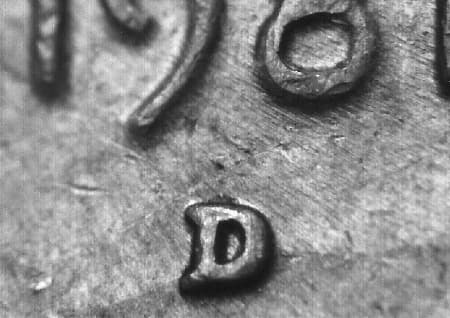
Die Gouge (DGO)
A die gouge is a raised, irregular mark on a coin caused by a gouge or deep scratch incised into the die face. When the die surface is gouged — whether by foreign material, improper handling, or accidental contact with tools — the resulting void in the die transfers as a raised area on every coin struck by that die. Die gouges range from small raised blobs to long, irregular raised lines, and they affect every coin produced from the damaged die until the die is retired or the gouge is polished away.
How Does It Happen?
Die gouges result from physical damage to the die face through several mechanisms:
- Foreign material in the press: Hard debris — metal shavings, fragments of a broken die, or other foreign objects — can become trapped between the die and the planchet or the die and the press mechanism. When the press cycles, this debris gouges into the die face under the enormous striking pressure (35-150 tons).
- Tool contact: During die installation, removal, or inspection, the die face can be accidentally struck or scraped by tools. A wrench slipping during a die change, a screwdriver sliding across the face, or any incidental tool contact can gouge the hardened steel surface.
- Handling damage: Despite careful protocols, dies are heavy steel cylinders that can be dropped, bumped against other dies, or scraped during storage and transport. Any hard contact with the polished die face can produce a gouge.
- Die clashing consequences: When dies clash (strike without a planchet), the resulting damage sometimes includes gouges where design elements from the opposing die dig into the surface with enough force to displace metal rather than merely impress a design.
- Wire edges from the die-making process: During die hubbing, excess metal can flow in unintended ways, creating irregular raised edges on the die that function similarly to gouges on struck coins.
Unlike die cracks, which follow the internal stress patterns of the metal, die gouges are external mechanical damage. They have irregular shapes and orientations that reflect the random nature of the event that caused them.
How to Identify a Die Gouge
Die gouges share certain characteristics that distinguish them from other die errors and from post-strike damage:
- Raised profile: Like all die damage, gouges on the die are incuse (below the surface), which means they appear as raised areas on struck coins. This is the inverse of post-strike contact marks, which are incuse on the coin.
- Irregular shape: Die gouges have random, irregular shapes — unlike die cracks (which follow stress fracture lines) or die polishing lines (which are fine and parallel). A gouge has rough, unpredictable edges.
- Consistency across coins: The same gouge appears in the same position on every coin struck by that die. If the mark appears on one coin but not another from the same die, it is not a die gouge.
- No design relationship: Die gouges occur at random locations that have no relationship to the coin's design. A raised mark that follows the contour of a design element is more likely a die clash impression or a doubled die artifact.
- Depth and prominence: Gouges are typically more prominent than die polishing lines but less extensive than die cracks. They are localized events, not linear fractures.
Die Gouge vs. Die Scratch vs. Die Crack
| Feature | Die Gouge | Die Scratch | Die Crack |
|---|---|---|---|
| Shape | Irregular blob or thick line | Fine, thin line | Linear, following stress patterns |
| Cause | Mechanical impact damage | Abrasive contact | Metal fatigue fracture |
| Width | Variable, often wider | Very narrow | Variable, widens over time |
| Pattern | Random, isolated | Often parallel groups | Radiates from stress points |
Notable Examples
"Speared Bison" 2005 Jefferson Nickel
One of the most famous die gouges in modern U.S. coinage is the 2005-D "Speared Bison" Jefferson nickel. A prominent die gouge runs through the body of the bison on the reverse, creating the appearance of a spear piercing the animal. This variety generated significant collector interest when it was discovered, and examples in mint state command substantial premiums. The dramatic visual effect of the gouge — resembling an intentional design element — is what elevated this from a routine die gouge to a named variety.
1999 Lincoln Cent "Spitting Eagle"
Die gouges on the reverse of certain 1999 Lincoln Memorial cents created the appearance of fluid coming from the eagle's mouth on the Lincoln Memorial, earning the nickname "Spitting Eagle." The gouge's position was coincidentally amusing, driving strong collector demand.
Indian Head Cents
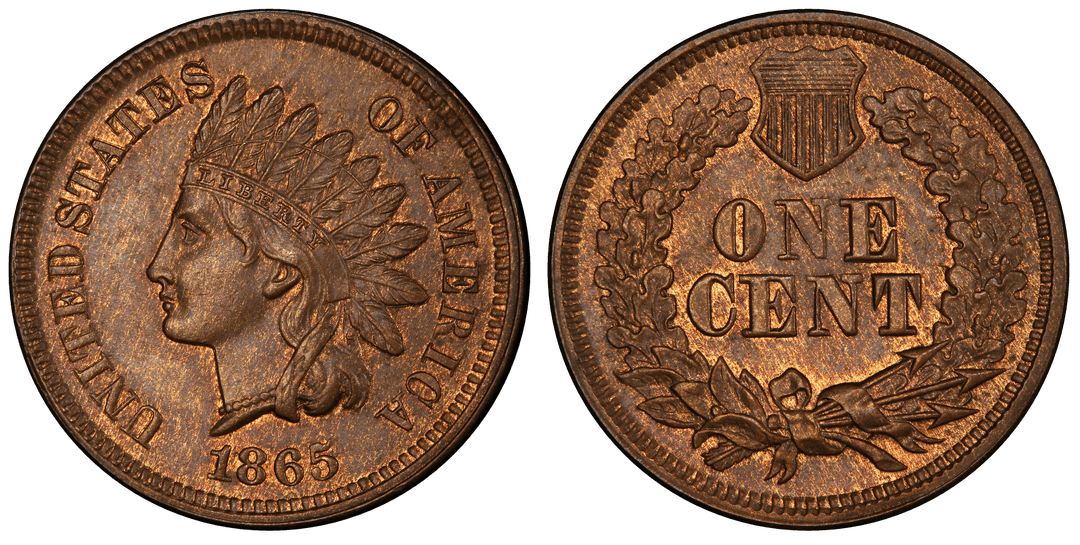
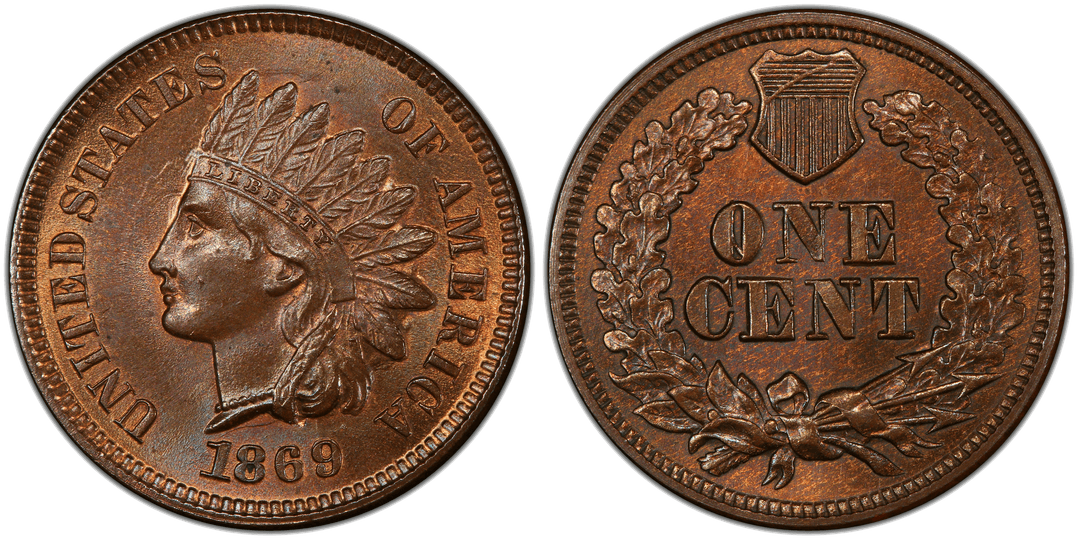
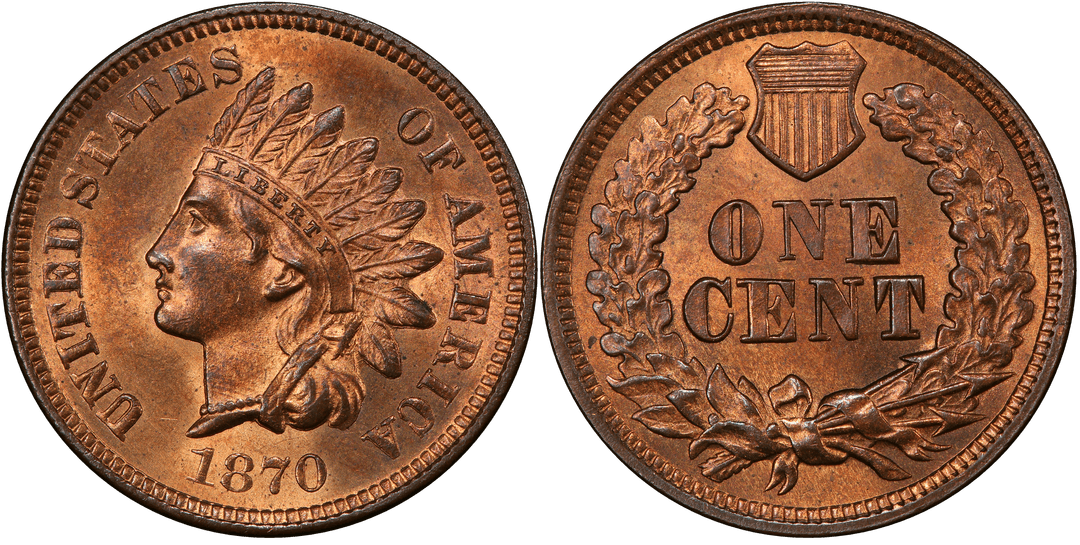
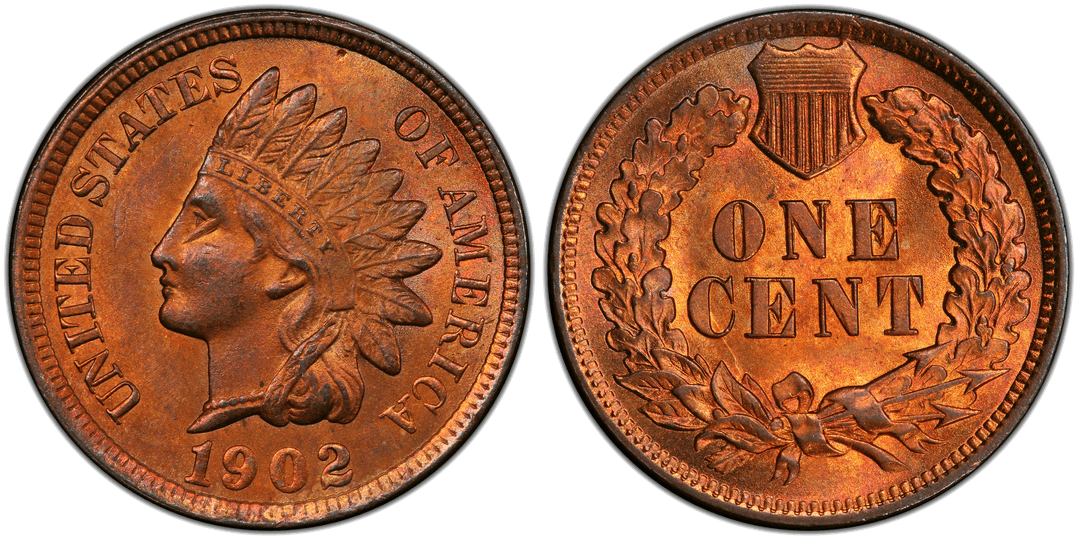
Indian Head cents (1859-1909) frequently display die gouges due to the less refined die maintenance practices of the 19th century. Gouges in the feather headdress or on Liberty's face are particularly collected, and several are cataloged as recognized varieties.
Walking Liberty Half Dollars
The complex, high-relief design of Walking Liberty half dollars (1916-1947) made dies vulnerable to damage during handling. Die gouges on Liberty's gown or in the open field areas are well-documented across many dates.
Collecting Tips
- Named varieties command premiums: Die gouges that create recognizable or amusing patterns — like the "Speared Bison" — are far more valuable than random gouges. The story and visual impact matter enormously to the market.
- Location matters: A die gouge on a prominent design element (face, date, motto) is more desirable than one in a blank field area. Gouges that interact with the design in visually interesting ways attract the most collector attention.
- Grading considerations: Third-party grading services (PCGS, NGC) attribute certain well-known die gouges as named varieties on their holders. Less prominent gouges are typically noted as "die gouge" in the coin's description without a specific variety attribution.
- Die state relevance: A die gouge is present from the moment of damage through the end of the die's service life (unless polished away). Earlier die states with a gouge will show it sharply, while later states where the Mint attempted polishing show a softened or partially removed gouge.
- Affordability: Most die gouges are common minor errors that can be found at modest cost. Only named varieties or gouges on key dates command significant premiums. Roll searching and Mint set examination are productive methods for finding die gouges on modern coins.
Related Error Types
- Die Abrasion (DAB) — Finer surface marks from die polishing, less prominent than gouges
- Die Crack (DCK) — Raised lines from stress fractures, not mechanical impact damage
- Die Break (DBK) — Larger area of die material lost, not a surface scratch
- Die Chip (DIC) — Small piece of die face lost, creating a raised bump
- Die Polishing (DPL) — Process that can remove or soften die gouges