
Series: American Innovation Dollars 2018 to Date in the catalog
The 2028 American Innovation Dollars: Chiles, Sprinklers, Drones and the Buffalo
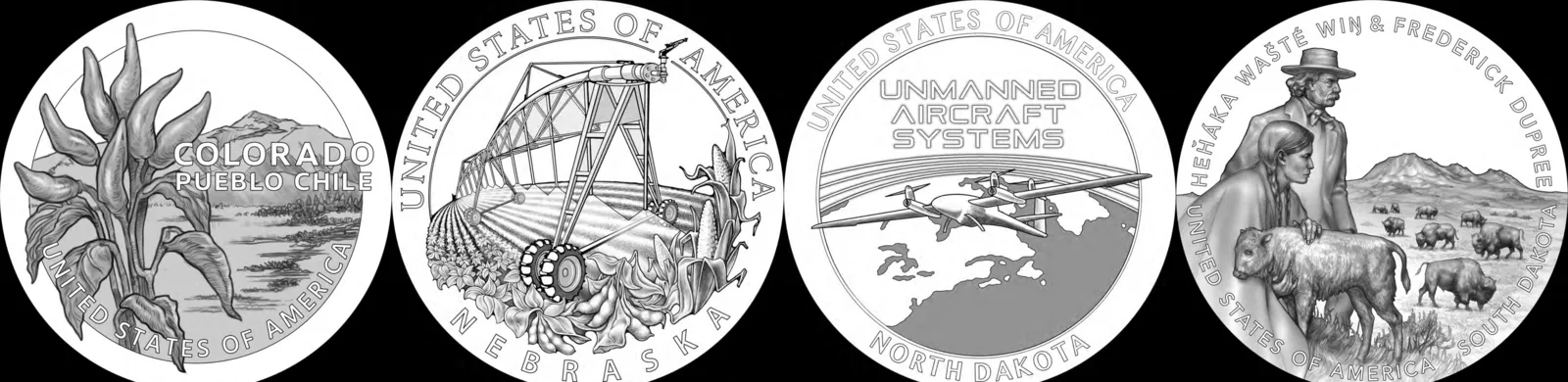
A chile pepper, a farm sprinkler, drones and a family that helped save the buffalo: those are the designs the Commission of Fine Arts recommended for the 2028 American Innovation dollars.
The Twelfth Set
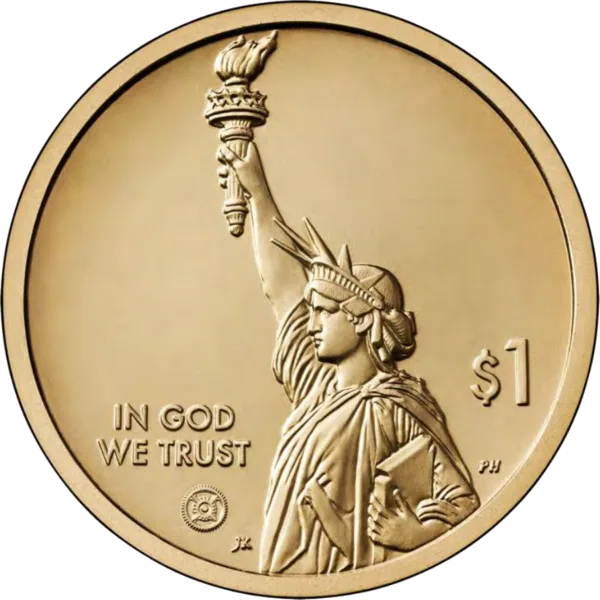
The American Innovation $1 program honors an innovation or innovator from each state, the District of Columbia and the five territories, with honorees chosen in consultation with each governor. The coins don't circulate; the Mint sells them to collectors. All share the same front, a Statue of Liberty design. On September 17, 2026, the Commission of Fine Arts reviewed reverse options for the twelfth set: Colorado, Nebraska, North Dakota and South Dakota. In its September 25 letter to the Mint, the Commission backed the design each governor's office preferred, on all four coins. The Commission's picks are recommendations; the final choice is made by the Mint and the Treasury.
Colorado: the Pueblo Chile
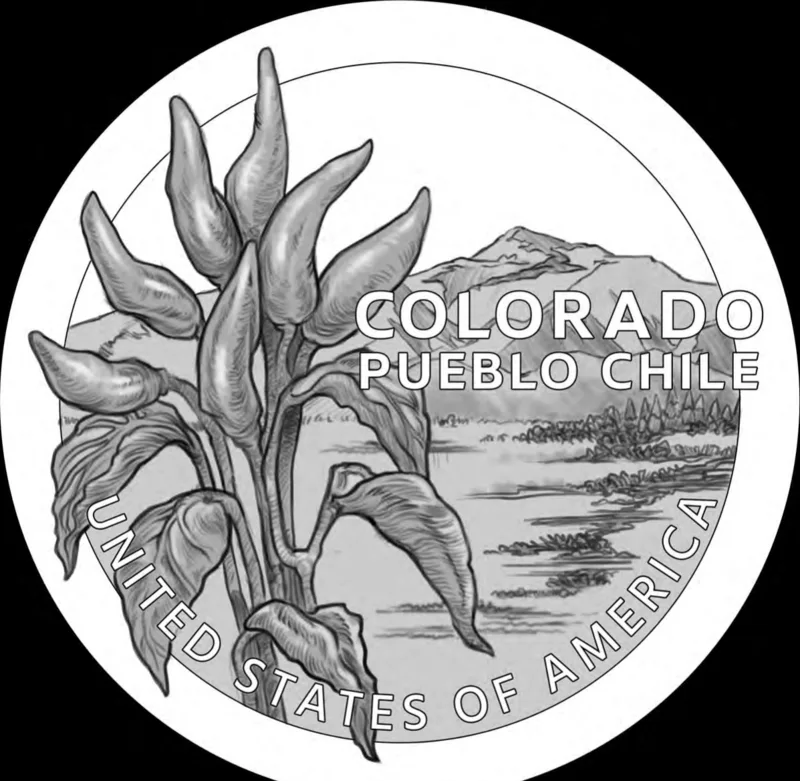
Colorado's design shows a Pueblo chile plant with mountains behind it. Chiles have been grown in Colorado's Arkansas River Valley since perhaps the 1840s, brought north by Mexican traders and settlers. The best-known variety today, the Mosco, is named for Pueblo farmer Harry Mosco and was developed by his nephew, Mike Bartolo, at Colorado State University.
Nebraska: Center-Pivot Irrigation
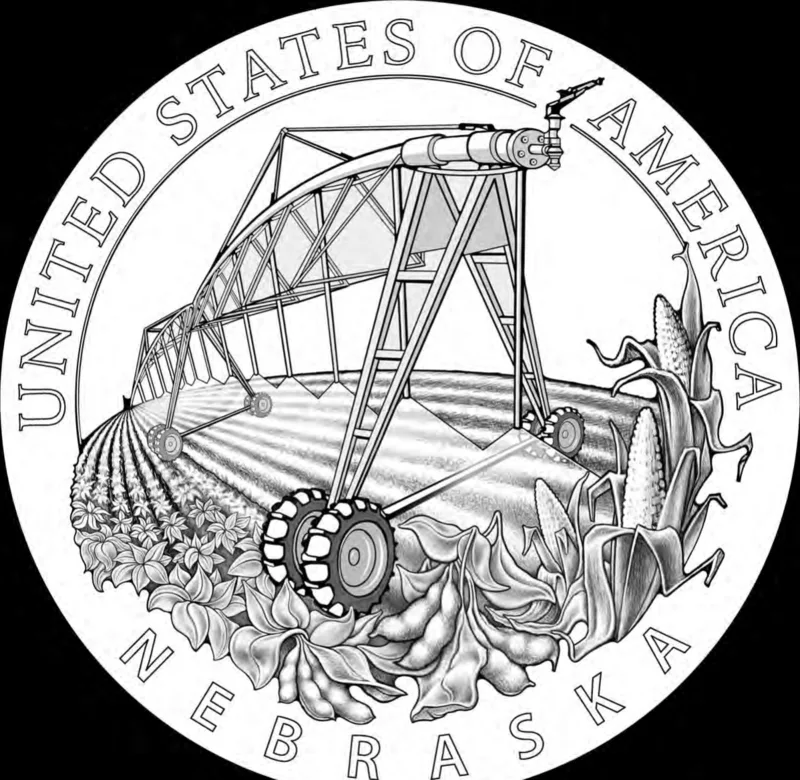
Nebraska chose center-pivot irrigation, the rolling sprinkler that waters fields in giant circles. Frank Zybach was granted the patent in 1952. He partnered with A.E. Trowbridge of Columbus, Nebraska, and the patent was licensed to Valley Manufacturing, today Valmont Industries.
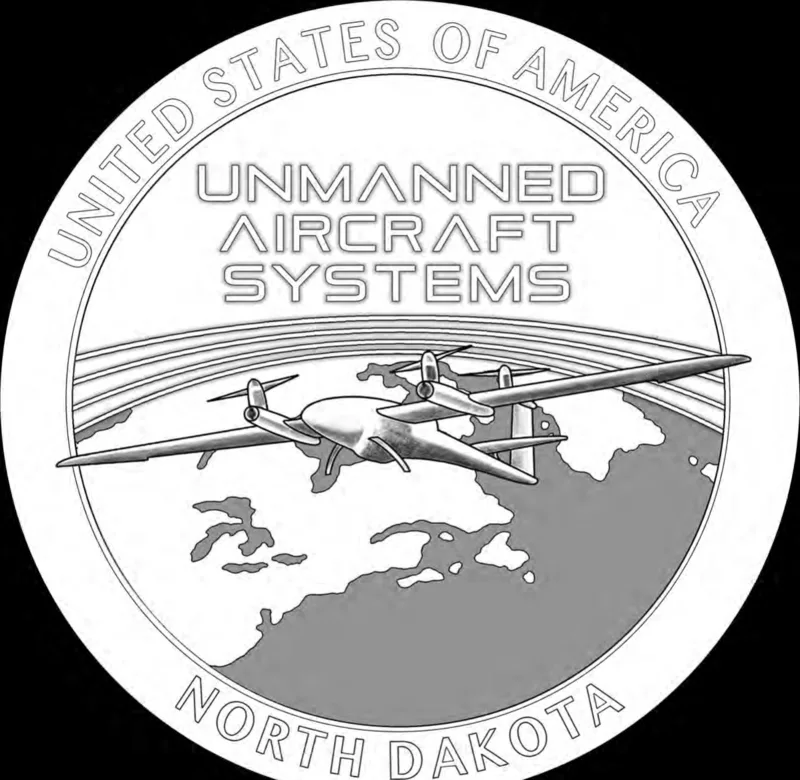
North Dakota: Unmanned Aircraft Systems
North Dakota's coin honors its work on drones. Its Vantis network, unveiled in 2020 and overseen by the Northern Plains UAS Test Site, was the first statewide system to let unmanned aircraft fly beyond the pilot's line of sight.
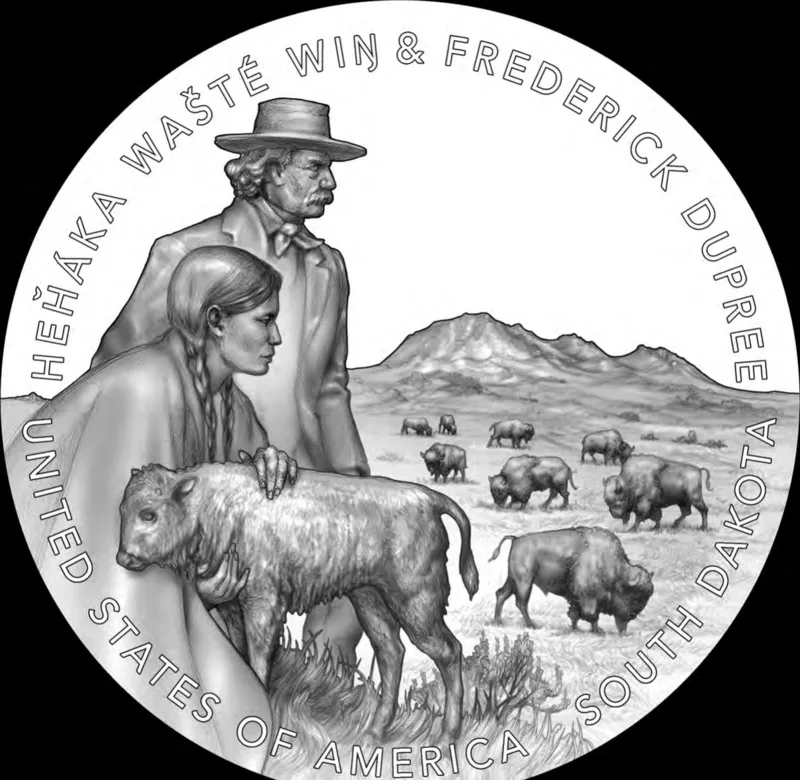
South Dakota: Good Elk Woman and Frederick Dupree
South Dakota's design is inscribed HEȞÁKA WAŠTÉ WIŊ & FREDERICK DUPREE. Heȟáka Wašté Wiŋ, Good Elk Woman, and her husband Frederick Dupree raised their family on the Cheyenne River. In the early 1880s, when the buffalo herds were nearly gone, the family captured calves and raised them. Their herd later went to rancher Scotty Philip and became the foundation of the Custer State Park herd. The Commission's pick matched the preference of both the governor's office and members of the Dupree family.
See the earlier coins in the American Innovation Dollars series.
Sources: Commission of Fine Arts, case CFA 17/SEP/26-2 and letter to the U.S. Mint (Sept. 25, 2026); U.S. Mint presentations to the Commission (Sept. 17, 2026); History Colorado, "Pueblo Chile"; National Inventors Hall of Fame (Frank Zybach); Nebraska Hall of Agricultural Achievement; Inside Unmanned Systems and Aviation Today (Vantis); National Buffalo Foundation, "Fred Dupree"; South Dakota Magazine, "The Man Who Saved the Buffalo."
0 Replies
Related Threads
- Olympic Coins for LA 2028 and Salt Lake City 2034: S. 2265 Explained0 replies · 4mo ago
- The $2.50 Coin Is Coming Back: What Collectors Need to Know About HR 56160 replies · 4mo ago
- The End of the Penny: What HR 4459 (MINT Act) Means for Collectors0 replies · 4mo ago
- What Is the CCAC? How America's Coin Designs Get Chosen0 replies · 5mo ago