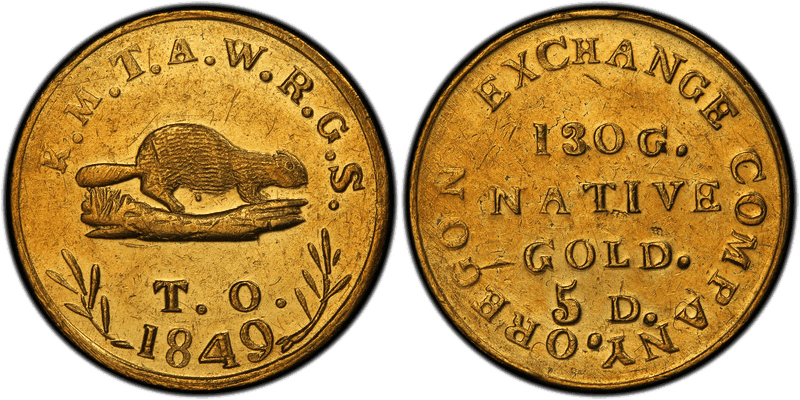
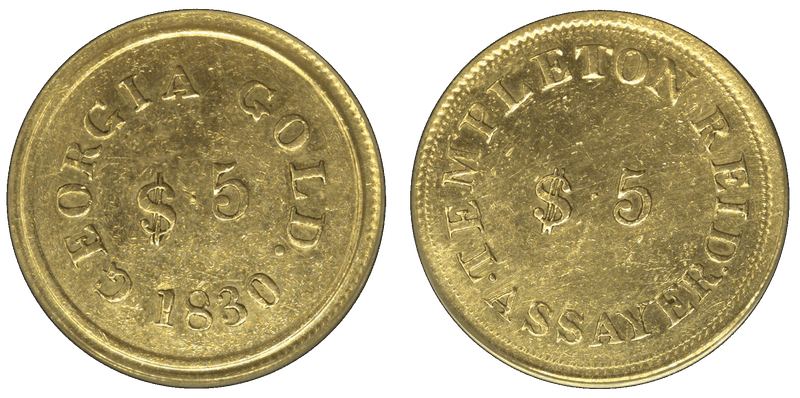
Lesher (Colorado) Dollars (1900-1901)

Coin Series
Lesher (Colorado) Dollars (1900-1901) series coin

About This Series

Joseph Lesher's numbered octagonal silver referendum souvenirs of 1900 and 1901, with the merchants' pieces of 1901 and two related medals. Joseph W. Lesher (1838-1918), a mine owner of Victor, Colorado, who had backed William Jennings Bryan's free silver campaigns, issued numbered eight-sided silver pieces in 1900 and 1901. He called them referendum souvenirs: holders were free to accept or refuse them, and the octagonal shape kept them apart from federal coinage (Collectors Universe essay, 2017). They are 950 thousandths silver, the rest copper (same essay; APMEX, search). Collectors number them by Hibler-Kappen's so-called dollar catalogue (HK) and by Farran Zerbe's list (Z), as NGC does. The 1900 pieces are 35 mm and one troy ounce; the 1901 pieces are 32 mm and 412.5 grains, with a space for a merchant's name (Collectors Universe essay).

Browse by Base(3 bases)

Showing all 3 listings

History

Joseph Lesher and free silver. Born in Ohio, Joseph W. Lesher (1838-1918) went from working in Colorado's silver mines to owning mines and developing real estate. Like William Jennings Bryan, whom he backed in 1896 and 1900, he believed that free coinage of silver would bring prosperity. After Bryan's second defeat in November 1900 he began to issue silver pieces of his own, to promote silver as money and to make a profit. He called them referendum souvenirs: no one was obliged to take them, and the word souvenir made clear they were not coins. He struck them on eight-sided planchets so they could not be confused with federal money.

The 1900 pieces. The first type, from dies cut by Frank Hurd of Denver, reads JOS LESHERS REFERENDUM SOUVENIR, ONE OZ OF COIN SILVER, PRICE $1.25, VICTOR COLO 1900, with a serial number stamped on the other side. Lesher struck 100 and sold them at $1.25. He then had the Victor grocer A. B. Bumstead sell the pieces and hand them out as change; the Bumstead pieces, from dies by Herman Otto of Denver, show a mountain landscape with mine buildings and the centre of the Colorado state seal. Late in 1900 a few pieces were struck promising merchandise or cash at any bank, wording that some writers say led the government to take the dies.

The 1901 pieces. In 1901 Lesher made the pieces smaller and lighter and patented the design. He kept the landscape and the state seal, added IN THE PEOPLE WE TRUST, and left a space for a merchant's name; merchants bought the pieces at 80 cents and stamped their names and towns into them. Lesher stopped after 1901.
How to Identify It

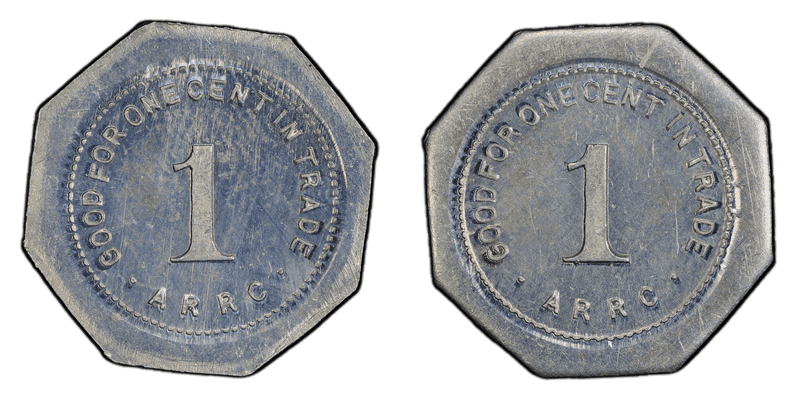
All Lesher pieces are octagonal silver with a serial number, except the varieties listed without one. The 1900 pieces are larger, 35 mm and one troy ounce, and read VICTOR COLO 1900; the first type has a simpler design of lettering, the Bumstead and bank types the mountain landscape. The 1901 pieces are 32 mm and read 1901 with the patent and trademark wording on the seal side; the merchant's name, stamped or occasionally engraved by hand, sits in the space below the landscape. Each type is known by its Hibler-Kappen (HK) and Zerbe numbers.

Key Types and Varieties

1900. The first type (HK-787, Zerbe-1); the two A. B. Bumstead types, HK-788 and HK-789, with their no-number varieties HK-788a and HK-789a; the bank type (HK-790) and its no-number variety; and the trademark type (HK-1016, Zerbe-17).

1901. The imprint type with an empty merchant space (HK-791) and the piece with neither name nor number (HK-791a); the stamped merchants J. M. Slusher (HK-792), Sam Cohen (HK-793), D. W. Klein (HK-794), George Mullen (HK-795), Boyd Park (HK-796), W. C. Alexander (HK-797), Goodspeed and Co. (HK-1017), J. E. Nelson and Co. (HK-1018) and W. F. White Mercantile (HK-1019), several also without numbers; and the hand-engraved names H. Stein, H. H. Rosser and A. W. Clark, which the essay suggests may have been made for their owners rather than for trade.

Related medals. An 1900 piece made into a life-saving medal and the modern 1985 Lesher House restoration medal are filed here as well.

Composition and Silver Content

Lesher's pieces are 950 thousandths silver and 50 copper. The 1900 pieces weigh 480 grains, one troy ounce, as their legend says, and the 1901 pieces 412.5 grains, the weight of a standard United States silver dollar. In November 1900 a Chicago paper reported that Lesher's silver cost him 65 cents an ounce and the coining 15 cents more, while he sold the pieces at $1.25 and promised to redeem them for the same sum.

In Our Catalog

No errors or varieties are listed for Lesher (Colorado) Dollars (1900-1901) yet. Submit one

FAQ

Are Lesher dollars coins?

No. They are private silver pieces that Joseph Lesher of Victor, Colorado, issued in 1900 and 1901 as referendum souvenirs, which people could accept or refuse as they chose. He made them eight-sided so they could not be taken for federal coins, and they are catalogued among the so-called dollars, not with the territorial gold beside which they are filed here.

What do the merchant names on 1901 Lesher dollars mean?

In 1901 Lesher sold the pieces to merchants for 80 cents each, with a blank space on one side for the merchant's name and town. A merchant would stamp the space and use the pieces in trade at one dollar. The Collectors Universe essay lists merchants in Cripple Creek, Denver, Grand Junction, Pueblo and Salida, and one in Nebraska, and each name is catalogued as its own number.

How many Lesher dollars were made?

Nobody knows exactly. In a 1914 interview Lesher told Farran Zerbe that 3,000 to 3,500 had been struck, while the collector Adna Wilde later estimated 1,870. The essay reports 100 of the first type and 1,000 of the Bumstead pieces, of which Bumstead issued 700. Because these figures are estimates and recollections, the catalog pages carry no mintage figures.

What do HK and Zerbe numbers mean?

HK numbers come from Harold Hibler and Charles Kappen's catalogue of so-called dollars, and the Zerbe numbers from Farran Zerbe's list of the Lesher types. NGC lists each piece under both, for example HK-787 and Zerbe-1 for the first type of 1900. An a after the HK number marks a piece without a serial number.

↑ Back to the coins: every year, mint, variety and error

Explore Other Denominations

Collector Essentials

Tools and references for building and protecting your coin collection.

As an Amazon Associate, NumisDex earns from qualifying purchases.