
By Brandon Norris
The Missing Years: When America Almost Stopped Making Money
Three Years Without a San Francisco Cent
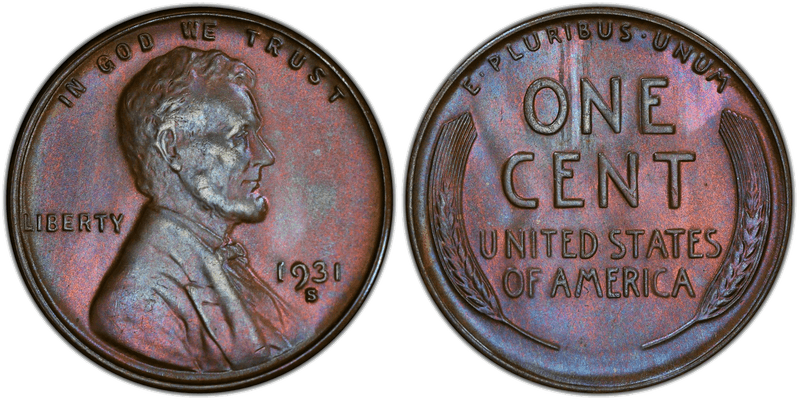
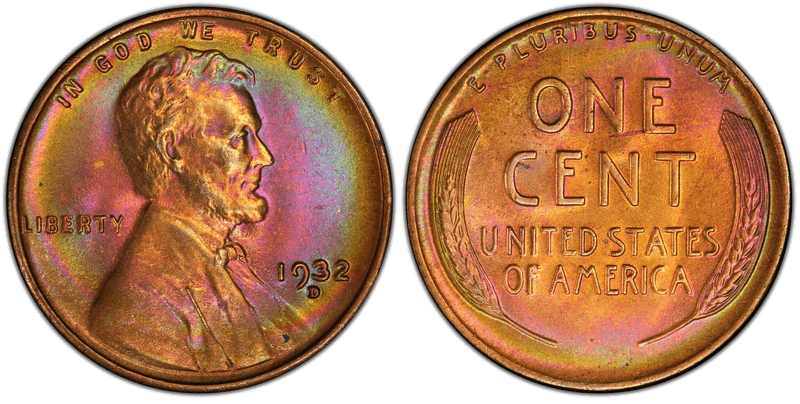
Pull a date run of Lincoln cents from the early 1930s and something is missing. There is no 1932-S. There is no 1933-S. There is no 1934-S.
Not rare. Not expensive. They do not exist.
San Francisco struck no cents at all for three consecutive years, and the 1931-S — the last one before the gap, at 866,000 pieces — became one of the key dates of the series as a result.
But the cent is the small version of the story.
In 1933, America Struck Two Things
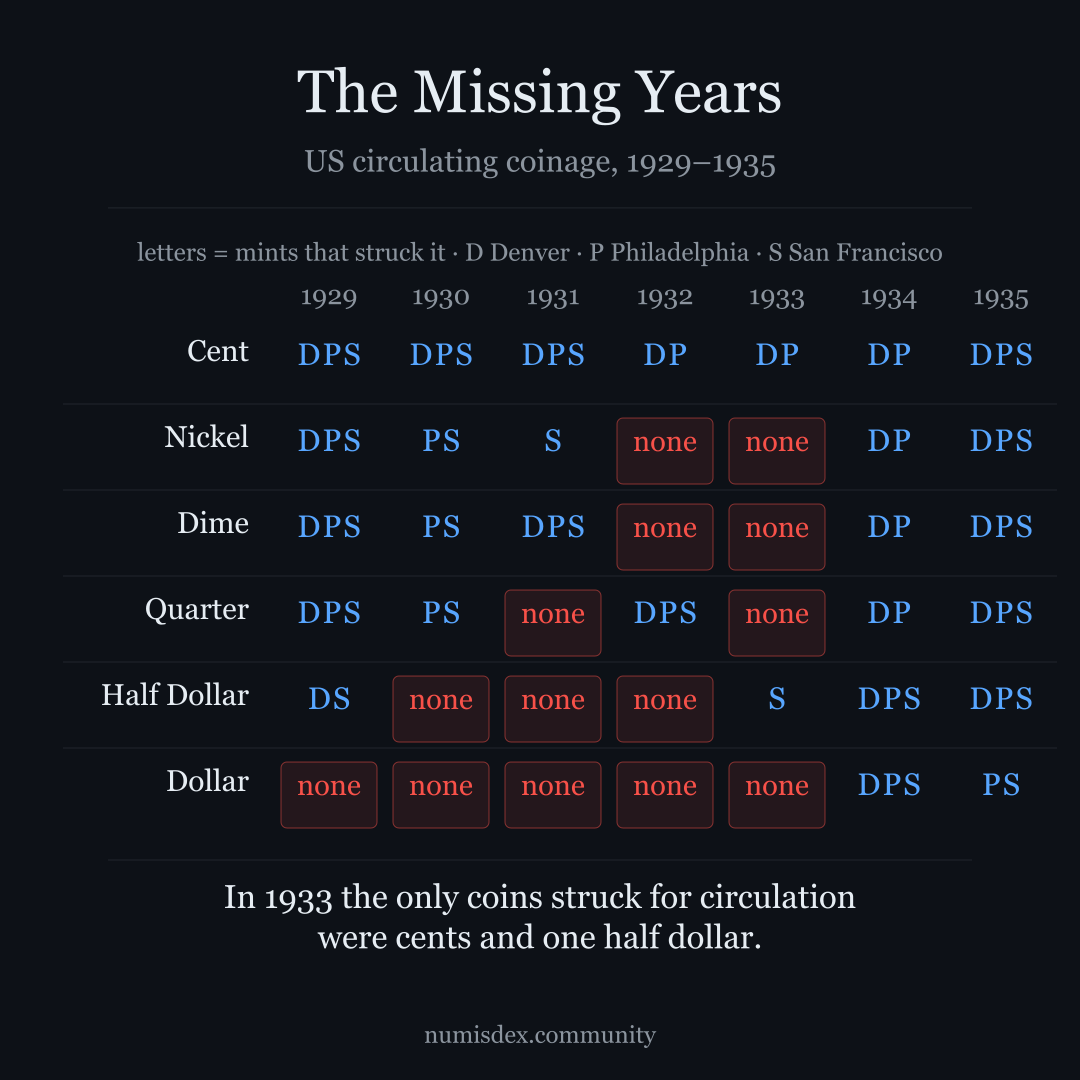
Lay out every circulating denomination for 1929 to 1935 and the early thirties are startling:
                1929   1930   1931   1932   1933   1934   1935
Cent             DPS    DPS    DPS     DP     DP     DP    DPS
Nickel           DPS     PS      S     --     --     DP    DPS
Dime             DPS     PS    DPS     --     --     DP    DPS
Quarter          DPS     PS     --    DPS     --     DP    DPS
Half Dollar       DS     --     --     --      S    DPS    DPS
Dollar            --     --     --     --     --    DPS     PS
No silver dollars at all from 1929 through 1933. No half dollars in 1930, 1931 or 1932. No quarters in 1931 or 1933. No nickels or dimes in 1932 or 1933.
Which leaves 1933 as the narrowest year in modern American coinage. The only coins struck for circulation that year were cents — and a single half dollar, 1,786,000 Walking Libertys from San Francisco. That is the entire output.
The Reason Is Not Quite What You Would Guess
It is tempting to assume the Mint could not afford to strike coins. That is not it.
Demand for coins and notes collapsed with the Depression, and coins already struck were sitting unused in vaults. There was no call for more. The Mint did not stop because it was broke; it stopped because the money it had already made was not moving.
The cent shows the scale of it. In 1929 the three mints struck 277 million Lincoln cents between them. In 1931 the combined total was 24,742,000 — a fall of nearly 91% in two years.
The Quarter Only Exists Because of an Anniversary
Here is the detail that makes the period strange rather than merely quiet.
There was no reason to strike quarters in 1932. None had been struck in 1931 and none would be needed again until 1934. The 1932 quarter exists because it was the 200th anniversary of George Washington's birth, and what was conceived as a commemorative replaced the Standing Liberty quarter outright.
So the Washington quarter — a design that would run for decades — entered circulation in a year when the country did not need quarters, as a one-off tribute that stayed. Just over 5.4 million were struck at Philadelphia. The 1932-D at 436,800 and the 1932-S at 408,000 have long been recognised as the keys to the series.
And Then There Is the Gold
The grid above covers cent through dollar. Gold is a separate and darker story, because there the question is not what the Mint declined to make — it is what survived.
1933 was the year private gold ownership was banned. Coins already struck were recalled and melted.
| Coin | Struck | Survives | |---|---|---| | 1933 $20 Saint-Gaudens | 445,500 | Essentially none in private hands | | 1933 $10 Indian | 312,500 | About 35 — and these can be legally owned | | 1932 $10 Indian | 4,463,000 | Escaped the melt in quantity |
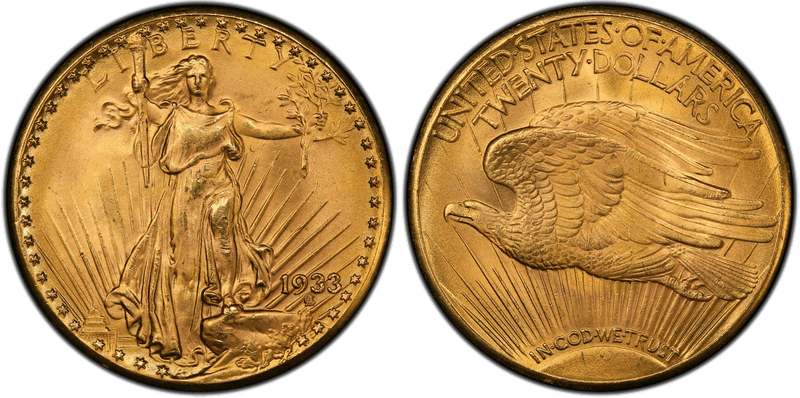
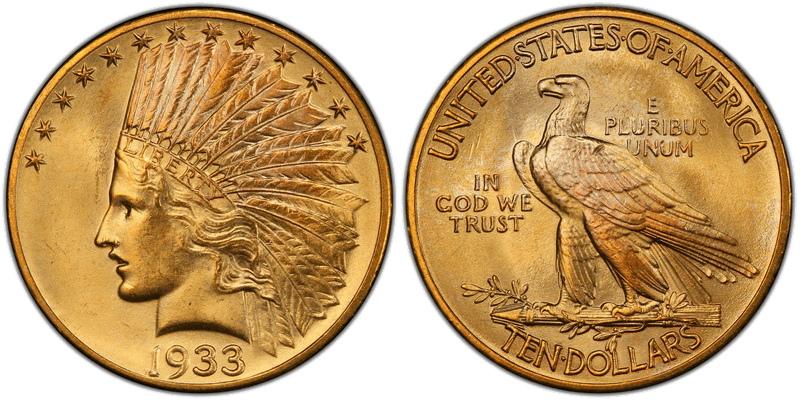
Two gold coins dated 1933, from the same recall and the same furnaces. One you cannot own. One you can.
What to Look For
If you collect rather than just read, the coins worth hunting are the ones on the edge of the gap. The 1931-S cent at 866,000 is the obvious semi-key and gets most of the attention, but the 1931-D at 4,480,000 is cheap for how scarce it actually is. The 1931 Mercury dimes are the only US silver coins struck that year. And the 1932-D and 1932-S quarters are first-year keys of a series people collect heavily.
Go and look at a date run from the early thirties. The holes are the story.