
The End of the Penny: What HR 4459 (MINT Act) Means for Collectors
A 237-Year Run Comes to a Close
The penny — the most familiar coin in American commerce — is on its way out. The U.S. Mint received its final shipment of penny blanks in June 2025 and has been winding down production since. Now, HR 4459, the Modernize and Improve our National Tender Act of 2025 (MINT Act), seeks to make it official by formally eliminating the one-cent coin from circulation.
The bill has passed through committee and is awaiting a floor vote.
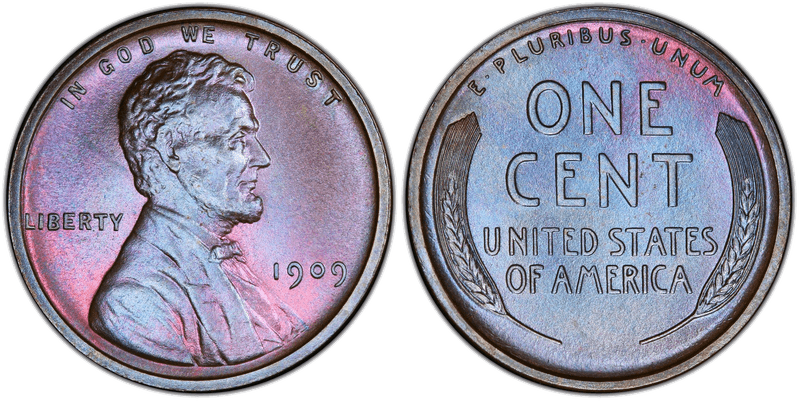
The Lincoln Cent — produced since 1909, this design series spans over a century of American coinage. View Lincoln Wheat Cents in the NumisDex catalog.
What the MINT Act Does
HR 4459 contains two major provisions:
- Ceases production of one-cent coins for circulation. The Mint may continue to produce pennies as numismatic items (proof sets, collector editions), but no new pennies will enter general commerce.
- Authorizes a new composition for the five-cent coin. The bill allows the Mint to explore alternative alloys for the nickel, potentially reducing production costs while maintaining the coin's electromagnetic signature for vending machines and coin acceptors.
Existing pennies remain legal tender. Every cent minted before the cutoff date is still valid for all debts, public charges, taxes, and dues.
The Economics Behind the Decision
The penny has cost more to produce than its face value for years. In recent fiscal years, each cent has cost the Mint approximately 3.07 cents to manufacture and distribute — a net loss on every coin produced. With billions of pennies minted annually, the cumulative cost to taxpayers has been substantial.
The nickel faces a similar problem, costing roughly 13.6 cents per coin. The MINT Act's provision for alternative nickel compositions addresses this by allowing the Mint to find a cheaper alloy that still works in existing coin-operated equipment.
What This Means for Collectors
For numismatists, the end of the penny is a historic moment — and potentially a market-moving one:
- Final-year pennies will become collectible by date and mint mark. Watch for the last coins produced at Philadelphia, Denver, and San Francisco.
- Error and variety collectors should pay close attention to late-production runs, which historically have yielded interesting die states as tooling wears down.
- Roll and bag collectors may want to set aside original bank-wrapped rolls from the final production months.
- The entire Lincoln Cent series gains a natural endpoint, which often increases collector interest across the full series run.
The penny's 237-year history includes some of the most iconic and valuable coins in the hobby — the 1909-S VDB, the 1943 copper cent, the 1955 Doubled Die Obverse, and the 1969-S DDO among them. The series is deeply woven into American numismatics, and its conclusion marks the end of an era.
Nickel Composition Changes
The bill's second provision — authorizing new nickel alloys — is worth watching for variety and error collectors. Any composition change creates the potential for transitional errors (coins struck on the wrong planchet type) during the changeover period. Collectors who remember the 1965 silver-to-clad transition know how valuable those transitional pieces can be.
Share Your Thoughts
The penny's elimination has been debated for decades. Now that it's happening, we want to hear from you:
- Are you setting aside final-year pennies? What dates and mint marks are you watching?
- Do you think the end of production will boost values for key-date Lincoln Cents?
- What are your thoughts on changing the nickel's composition? Should the Mint prioritize cost savings or tradition?
- How do you feel about losing the penny from everyday commerce?
Reply below and share your perspective. We'll update this thread as the bill progresses.
0 Replies
Related Threads
- Rosa Parks Commemorative Coins: HR 916 Would Honor a Civil Rights Icon0 replies · 2mo ago
- Olympic Coins for LA 2028 and Salt Lake City 2034: S. 2265 Explained0 replies · 2mo ago
- The $2.50 Coin Is Coming Back: What Collectors Need to Know About HR 56160 replies · 2mo ago
- U.S. Mint Releasing 250,000 Special "July 4th" Privy Mark Declaration of Independence Quarters0 replies · 2mo ago
- How to Verify a PCGS or NGC Certification Number — And Why You Should Every Time0 replies · 3mo ago