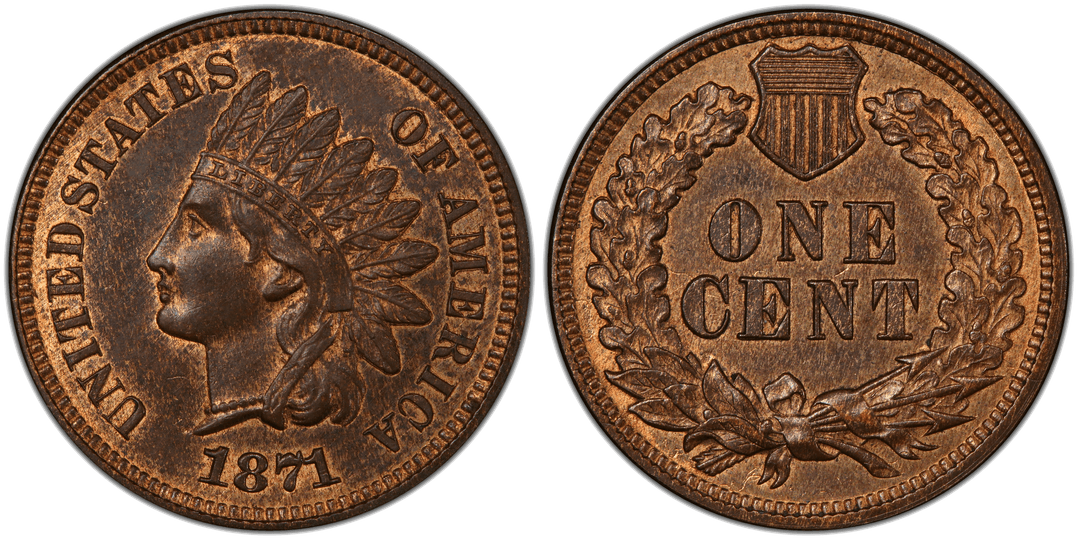
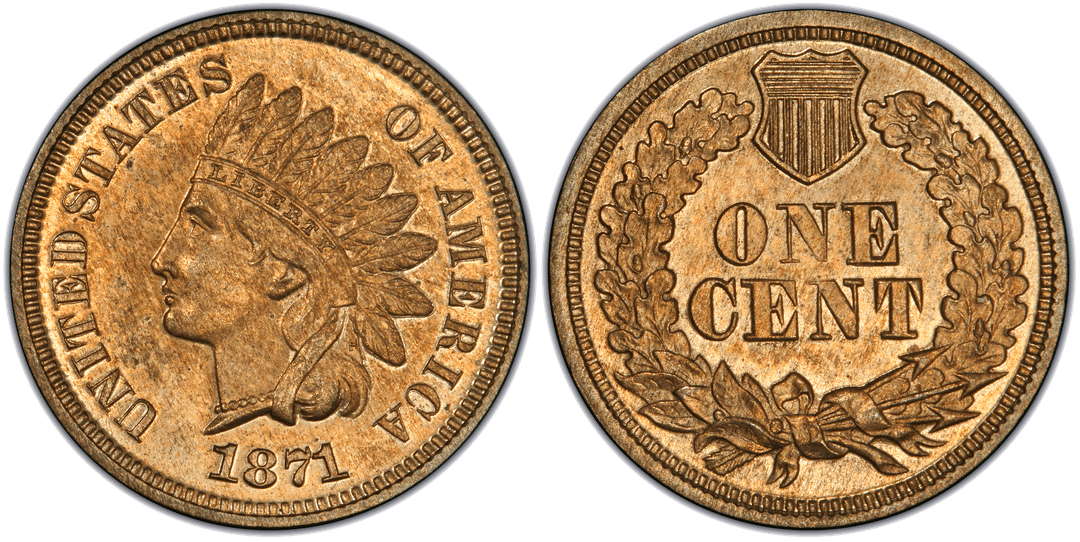
Misplaced Date (MPD)
A Misplaced Date occurs when one or more date digits are punched into an incorrect position on the die, leaving traces visible on the finished coin. The die maker punched the date in the wrong spot, then corrected the error by punching the date in its proper location. Because the first, errant punch was already impressed into the die steel, its remnants could not be completely removed and remain visible on every coin struck by that die. These stray digits often appear partially hidden within design elements, in the denticles near the rim, or in other areas away from the normal date position.
What Is a Misplaced Date?
During the era of hand-punched dates, each individual numeral in the date was positioned and driven into the die by a Mint employee using a steel punch and mallet. If the worker placed a digit in the wrong location -- too high, too low, off to one side, or even within a design element -- and then punched the date correctly in its designated position, the die retained evidence of both the misplaced and corrected punches.
The misplaced digits are often fragmentary. Because they landed on areas of the die that already contained design features (such as a portrait bust, wreath, or eagle), only portions of the errant numerals are visible. A date digit punched into Lincoln's coat, for example, shows only the parts of the numeral that fell on the relatively flat surface of the coat -- the rest is obscured by the surrounding design relief.
MPDs are distinct from Repunched Dates (RPDs), where the date is punched more than once in approximately the same location. An MPD involves a date punch that landed in a clearly wrong position -- often many millimeters away from the correct spot -- not simply a slight misalignment of a second punch near the first.
How Does It Happen?
The process that created MPD varieties involved the manual date-punching procedure used at the U.S. Mint for most of its history:
- Die orientation error: The die maker positioned the date punch while the die was in the wrong orientation, punching a numeral into an area far from the intended date location. Once the error was recognized, the die was reoriented and the date was punched correctly.
- Depth miscalculation: The worker started punching the date too close to a design element, realized the placement would result in crowding or overlap, and started over in the correct position.
- Multiple-digit logotype errors: When the Mint used multi-digit logotypes (a single punch containing two or more numerals), a misplacement affected all digits in the logotype simultaneously, creating a larger misplaced impression.
- Test punching: Some numismatic researchers have proposed that die makers occasionally test-punched the date lightly in a convenient spot before committing to the final position. If these test impressions were struck with any significant force, they left permanent traces.
The Mint did not discard dies with misplaced date punches as long as the correct date was legible in the proper position. Dies were expensive and time-consuming to produce, so a die with a minor stray digit impression was put into service rather than scrapped.
MPDs are found primarily on coins from the 19th and early 20th centuries, when individual date digits were hand-punched. They also appear on mid-20th century coins where date logotypes were manually positioned. The shift to fully hubbed dates, with the date included in the master hub design, eliminated the production of new MPD varieties.
How to Identify a Misplaced Date
Finding an MPD requires knowing where to look and what the stray digits look like in their unintended locations:
- Check within design elements: The most common hiding places for misplaced date digits are inside the portrait bust (Lincoln's coat, Liberty's neck, the eagle's wing), within wreath elements, and near the base of design features adjacent to the date area. Look for straight lines, curves, or serifs that do not belong to the design.
- Examine the denticles: On coins with denticles (the tooth-like projections around the rim), misplaced date digits sometimes appear partially within or between the denticles. The regular spacing of denticles makes any interruption by a stray numeral easier to detect.
- Look for partial numerals: Because the misplaced digits overlap existing design elements, you rarely see a complete numeral. Instead, look for the top or bottom of a digit, a single curve from a "9" or "0," or the crossbar of a "4" poking out from behind a design feature.
- Use high magnification: Most MPDs are subtle. A minimum of 10x magnification is necessary for detection, and 20x to 30x reveals the diagnostic details that confirm a genuine misplaced digit versus a die scratch or other artifact.
- Compare to the correct date: The style, size, and serif pattern of the misplaced digit should match the correct date digits on the same coin. This correspondence confirms that the anomaly is a punch impression rather than random die damage.
MPD vs. Die Scratches
Die scratches are random and lack the formed, typographic quality of a punched digit. A genuine MPD digit shows consistent width, defined edges, and letterform characteristics (serifs, curves, straight strokes) that match the font of the date punch used on that die.
Notable Examples
1858 Flying Eagle Cent MPD
Several Flying Eagle cent dies from 1858 show date digits misplaced into the wreath or near the rim. Given the short production run of the Flying Eagle cent (1856-1858), these MPD varieties are prized by specialists who collect every die variety within this compact series.
1999 Lincoln Cent MPD (1 in Ear)
One of the most famous modern MPDs. A digit from the date appears within Lincoln's ear on certain 1999 cent dies. The digit is clearly visible under low magnification and has been widely publicized in numismatic literature. This variety sparked renewed collector interest in MPDs and demonstrated that the phenomenon continued into the late 20th century.
1990-D Lincoln Cent MPD
Multiple MPD varieties exist for this date, with misplaced digits appearing in Lincoln's bust and near the rim denticles. The early 1990s represent the tail end of MPD production, as the Mint's die-making process was being modernized.
1876 Indian Head Cent MPD
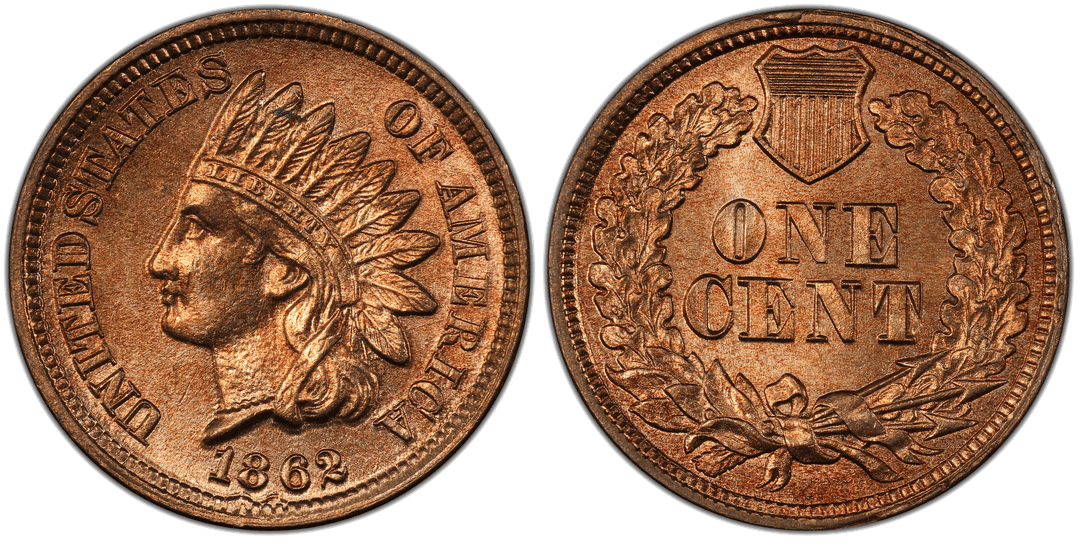
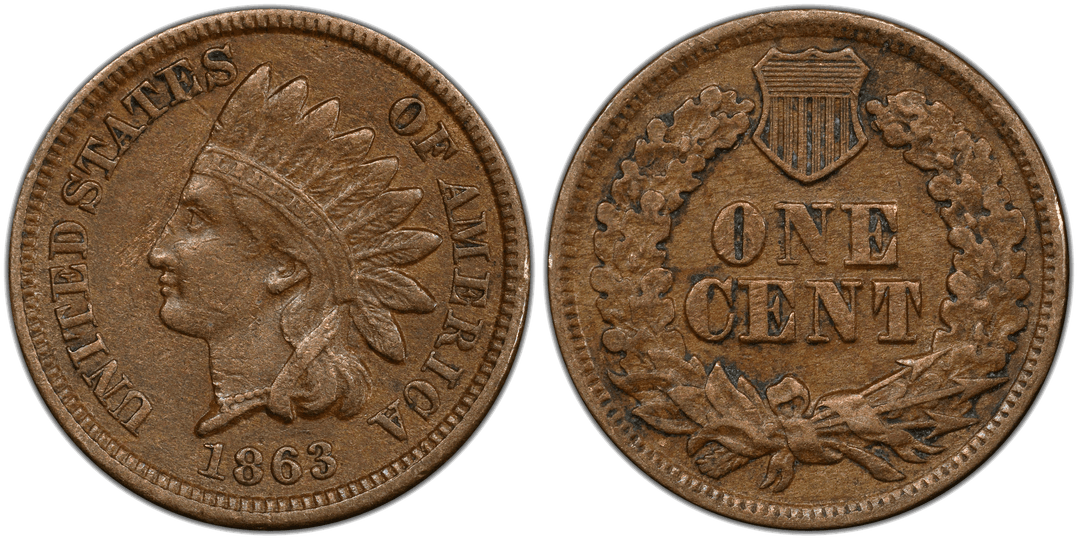
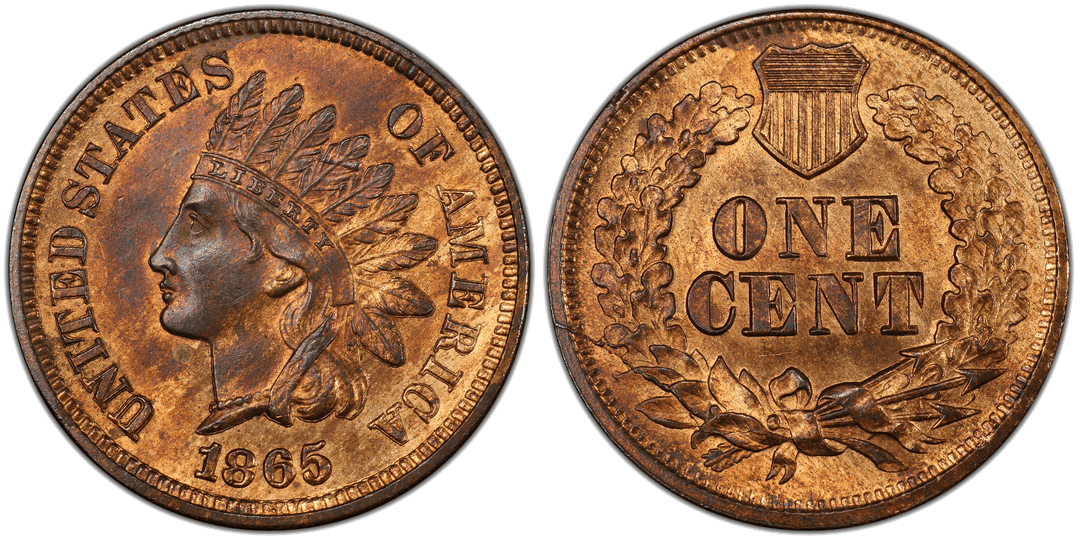
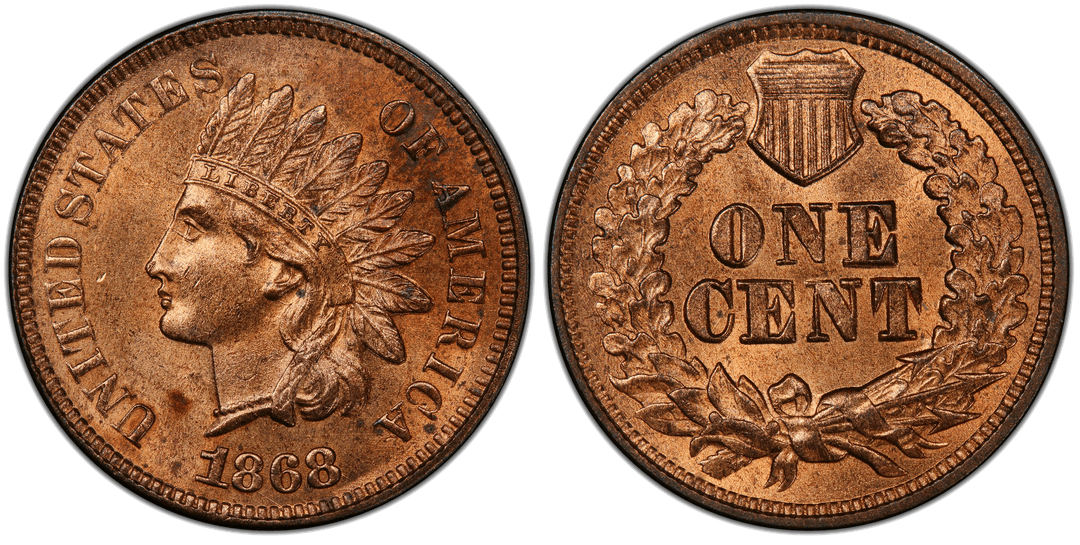
Indian Head cents from the 1870s produced several MPD varieties. The date was punched low on the obverse, close to the portrait and wreath elements, and errors in placement left digit traces within the lower design features.
1887 Morgan Dollar MPD
Morgan dollars of the 1880s and 1890s show occasional MPD varieties. The large die size and intricate design of the Morgan dollar make misplaced digits particularly challenging to detect, but several have been documented with date elements displaced into Liberty's neck or the lower hair curls.
Collecting Tips
- Lincoln cents are the gateway: The Lincoln cent series, spanning from 1909 to the present, contains more documented MPD varieties than any other denomination. The large production volumes, affordable prices, and active variety community make Lincoln cents the best starting point for MPD collecting.
- 19th century coins reward close examination: Indian Head cents, Seated Liberty coinage, and early type coins from the pre-1900 era were all produced with hand-punched dates. Many undiscovered MPDs exist on these coins because fewer collectors examine them with this specific variety in mind.
- Check both P and D mint coins: Philadelphia and Denver coins from the hand-punch era are both candidates for MPDs. San Francisco coins are equally worth examining but were produced in smaller quantities.
- Photography matters: When you find a potential MPD, photograph it at high magnification with oblique lighting to maximize the visibility of the misplaced digit. Side lighting casts shadows that reveal shallow impressions the eye alone struggles to detect.
- Attribution value: A confirmed MPD attribution from CONECA or a major grading service adds meaningful value to a coin. For a common date Lincoln cent, the difference between a raw unattributed example and a slabbed, attributed MPD can be substantial.
- Die state considerations: Early die state coins show the sharpest MPD impressions. As the die wears, the shallow misplaced digit impression can wear away before the deeper, correctly positioned date shows any loss. Seek early die state examples for the clearest presentation of the variety.
Related Error Types
- Repunched Date (RPD) -- Date punched more than once near the correct position (not in a completely wrong location)
- Overdate (OVD) -- A new date punched over a previously punched different date
- Misplaced Mint Mark (MPM) -- The same phenomenon affecting the mint mark instead of the date
- Repunched Mint Mark (RPM) -- Mint mark punched more than once, analogous to an RPD
- Repunched Lettering (RPL) -- Repunching of inscriptions rather than date digits
- Doubled Die Obverse (DDO) -- Doubling from the hubbing process, which affects all design elements uniformly rather than a single misplaced element