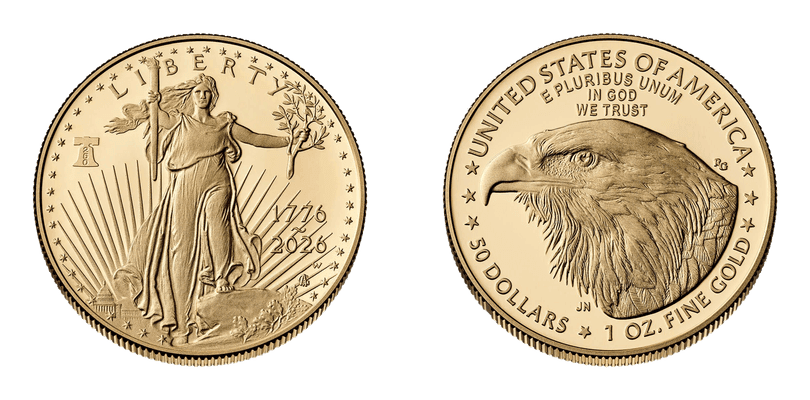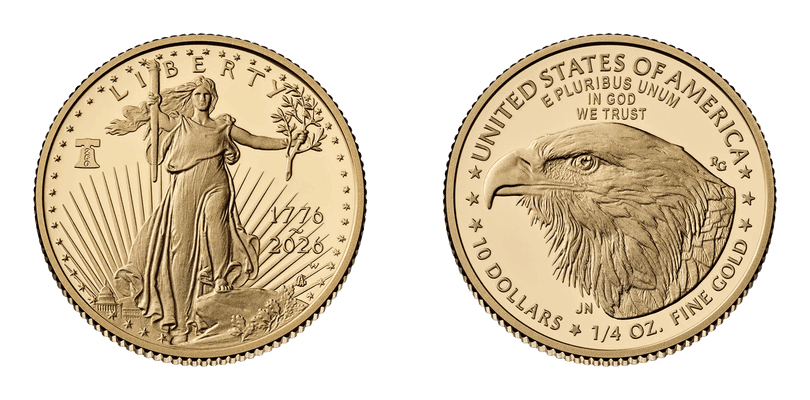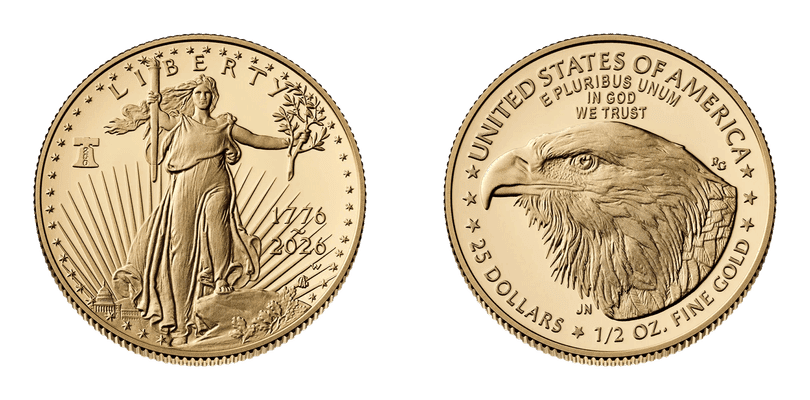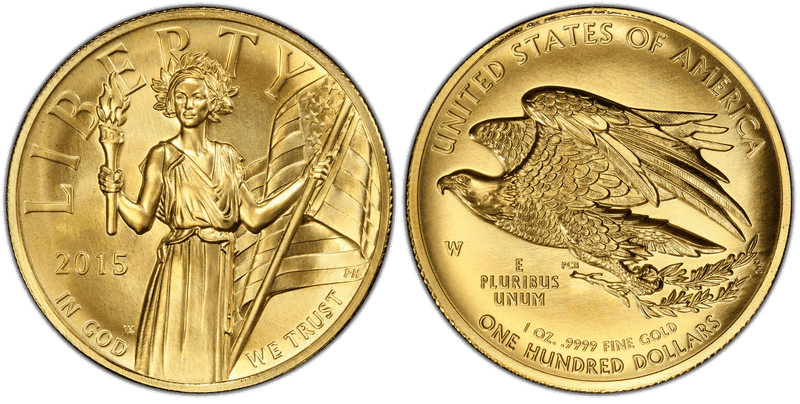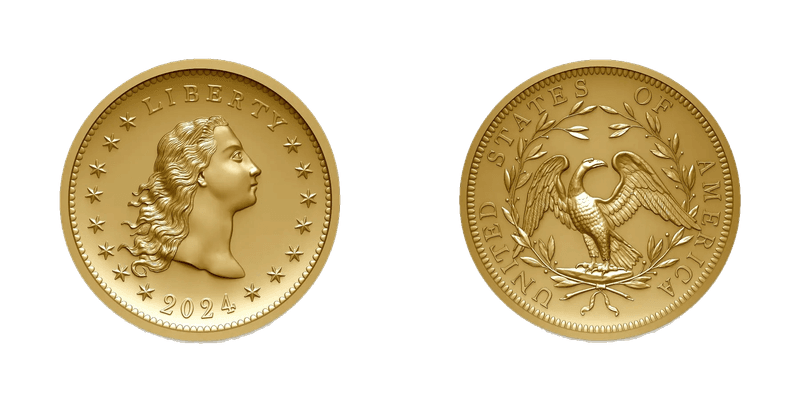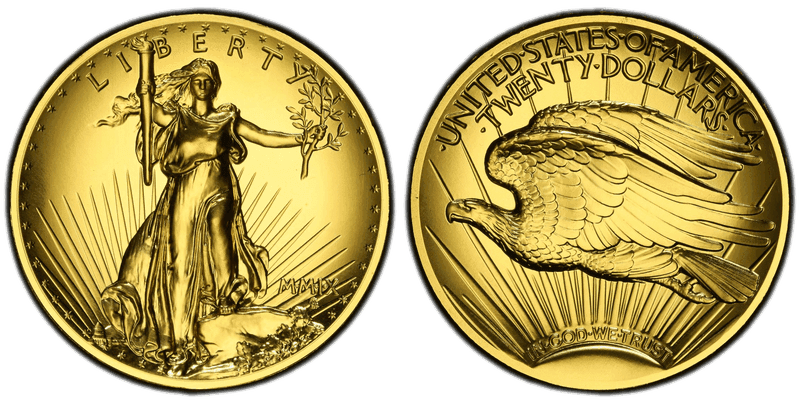
In 1907 Augustus Saint-Gaudens's new double eagle was first cut in a relief so deep that each piece needed several strikes on a medal press, and only about two dozen of these Ultra High Relief patterns were made before the design was flattened for production. More than a century later the Mint revived that first version. It scanned Saint-Gaudens's original plaster models, rebuilt the design digitally and sold it for one year only as the 2009 Ultra High Relief Double Eagle, a collector coin.
The coin went on sale on January 22, 2009, priced weekly by the gold market, with a limit of one per household at first because gold blanks were in short supply. The Mint raised the limit to ten in July and dropped it on September 21. Sales stopped at 3 p.m. Eastern on December 31, 2009. Unlike bullion coins, it was sold by the Mint directly, in a mahogany box with a book on how the coin was made.