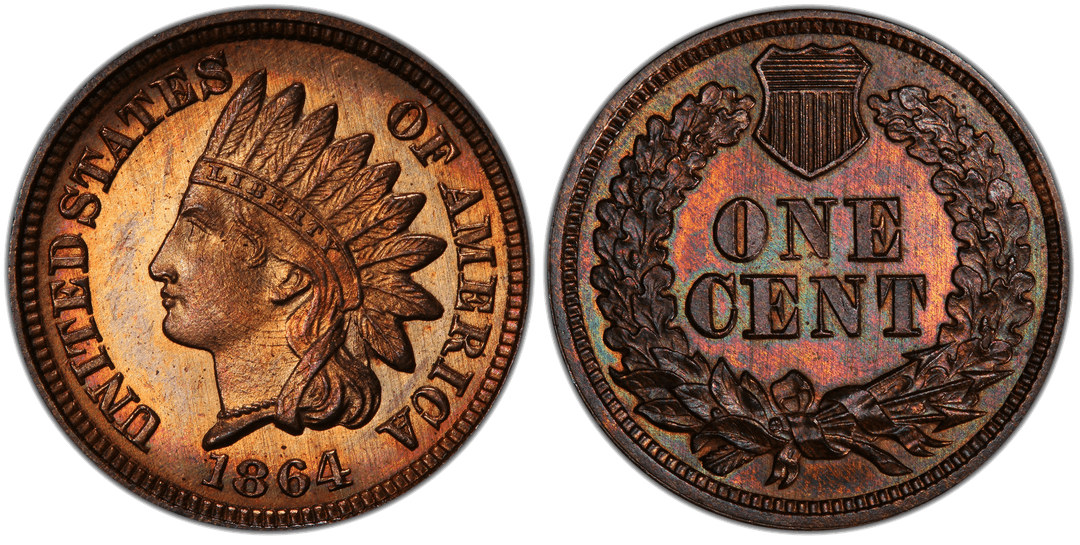
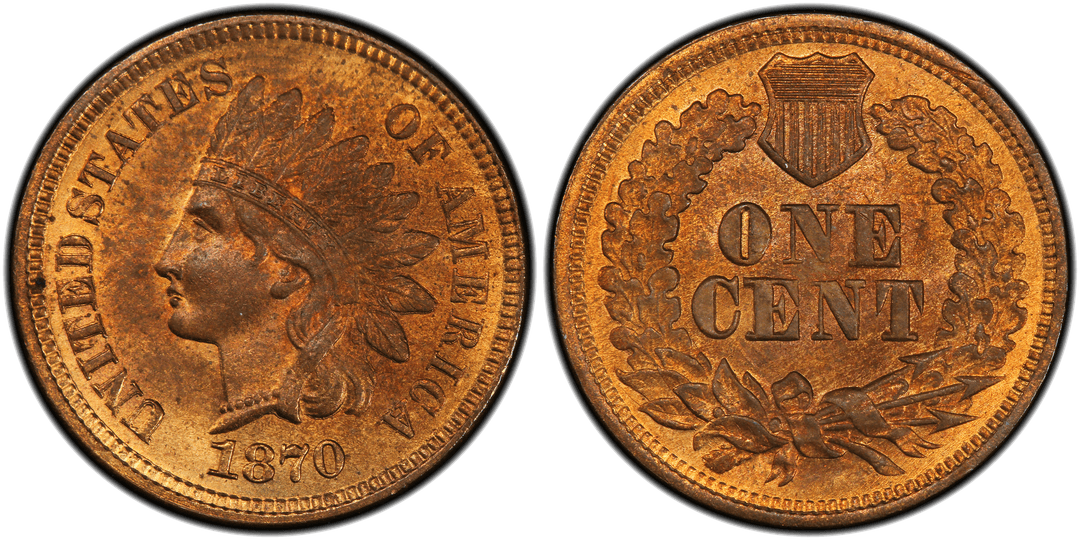
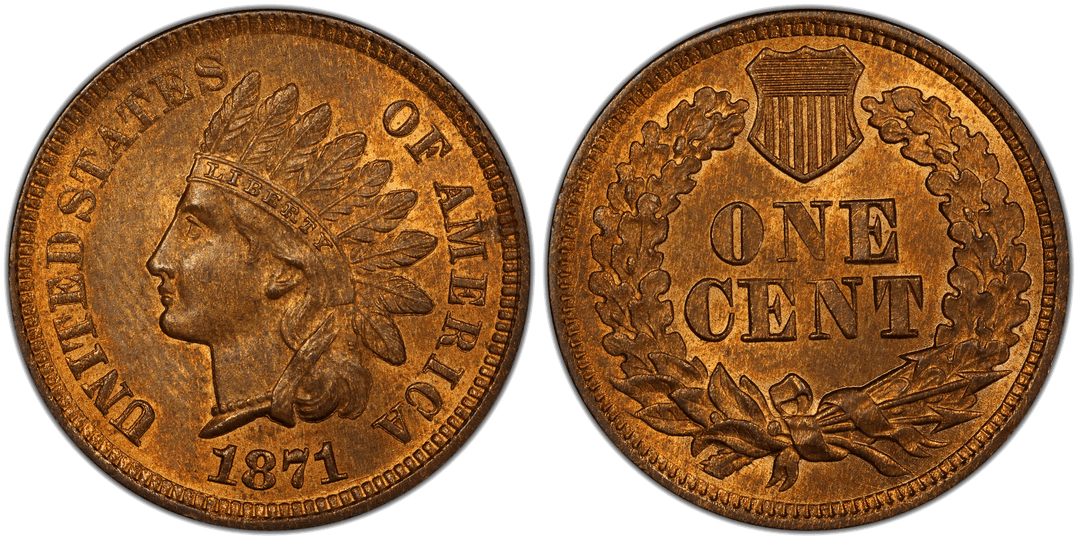
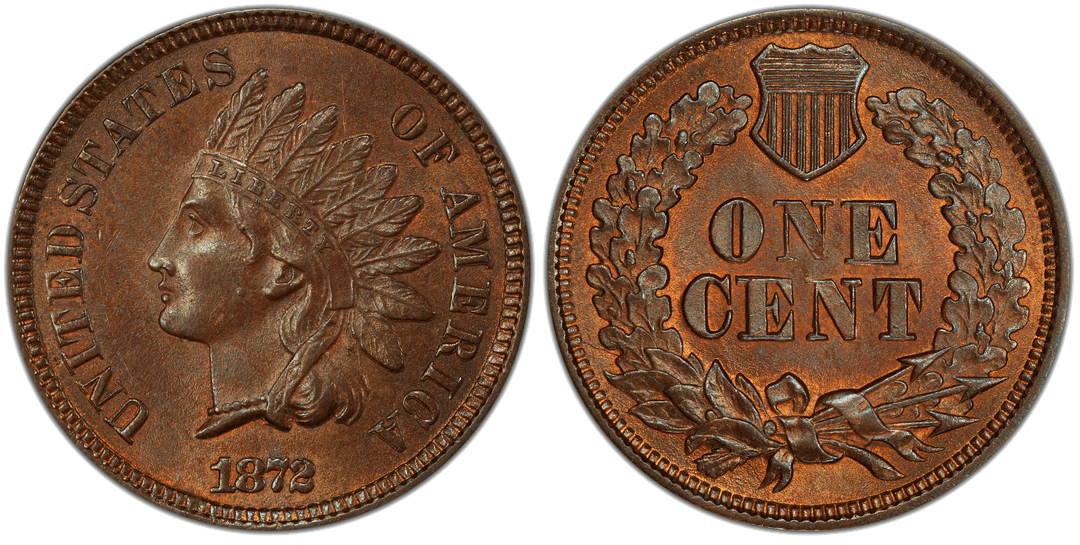
Unidentified Fascinating Oddity (UFO)
An Unidentified Fascinating Oddity is a die variety that defies classification into established error categories. These are anomalous features on the die surface — raised bumps, unexplained marks, unusual impressions, or atypical design elements — that reproduce consistently on every coin struck from that die, confirming they are genuine die varieties rather than post-strike damage. The UFO designation acknowledges that the origin of the feature is unknown or debated, and that no standard error classification adequately describes it. The term serves as an honest catch-all for die anomalies that remain unexplained.
How Does It Happen?
Because UFO varieties are by definition unclassified, their origins span a range of potential causes. The common thread is that the feature exists on the die itself (not the individual coin) and was created during some stage of die manufacturing, die maintenance, or die use. Several documented mechanisms produce features that end up classified as UFOs:
Contamination During Hubbing
During the hubbing process, foreign material — a metal fragment, a piece of polishing compound, or debris from the manufacturing environment — becomes trapped between the hub and the die. The immense hubbing pressure (hundreds of tons) drives this material into the die surface, creating an impression that does not correspond to any design element. The resulting feature appears as a raised anomaly on every coin struck from that die.
Incomplete Die Polishing Artifacts
When the Mint polishes dies to remove clash marks, die cracks, or surface imperfections, the polishing process sometimes creates its own artifacts. Aggressive polishing can gouge the die surface, and partial polishing can leave residual features from previous die events in unusual configurations. These artifacts reproduce on struck coins but do not fit neatly into categories like "die gouge" or "die polish" because their shapes or locations are atypical.
Die Contact Events
Working dies occasionally contact objects other than planchets or opposing dies during their service life. A die that strikes a collar fragment, a broken feed finger, or a piece of machinery sustains an impression that transfers to subsequent coins. If the contact event produces a feature that does not match the profile of a known error type, it receives the UFO designation.
Hubbing Anomalies
Irregularities in the hubbing process — such as partial contact, uneven pressure distribution, or metallurgical inconsistencies in the die steel — can produce features that are not doubled dies, not trail dies, and not any other recognized hubbing variety. These anomalies are legitimate die varieties with consistent reproduction, but their exact mechanism of formation is not determinable from the finished product.
Multi-Cause Features
Some UFO varieties result from a combination of events. A die that was clashed, then polished, then re-hubbed, and finally cracked can exhibit compound features where the individual contributions are impossible to separate. The interaction of multiple die events creates an anomaly that transcends any single classification.
How to Identify a UFO Variety
The identification of a UFO variety involves confirming that the feature is a genuine die variety and then determining that it does not fit any established category:
- Die consistency: The feature appears in the same location, with the same shape and size, on every coin struck from that die. This is the fundamental test that separates a die variety from random post-strike damage. Comparing multiple coins from the same die pair confirms consistency.
- Raised or incuse profile: UFO features can be raised (from an incuse impression on the die) or incuse (from a raised feature on the die). Examine the feature's three-dimensional profile under magnification to understand its relationship to the die surface.
- Location relative to design: UFO features can appear anywhere on the coin — in the fields, on design elements, across lettering, or near the rim. Their position does not follow the patterns typical of known error types.
- Exclusion of known types: Before designating a variety as a UFO, rule out all standard classifications. Is it a die chip? A die gouge? A clash mark? A trail? A doubled element? If the feature does not fit any of these categories after careful analysis, the UFO designation is appropriate.
- Die markers: Document the die markers (minor scratches, polish lines, die chips) associated with the UFO die. These markers allow other collectors to confirm they have a coin from the same die and authenticate the variety.
UFO vs. Post-Strike Damage
| Feature | UFO Variety | Post-Strike Damage |
|---|---|---|
| Consistency | Identical on all coins from that die | Unique to the individual coin |
| Surface character | Integrated with die surface texture | Disrupts original surface |
| Flow lines | Metal flow lines incorporate the feature | Flow lines are interrupted or absent |
| Die markers | Same die markers on all examples | No consistent die association |
Notable Examples
Lincoln Cent UFOs
The Lincoln cent series, with its massive production volumes and active collector base, has produced the largest catalog of documented UFO varieties. Examples include unexplained raised dots in the fields, irregular impressions near Lincoln's bust, and marks on the reverse that do not correspond to clash patterns or die deterioration. The CudsOnCoins.com and VarietyVista.com references catalog numerous Lincoln cent UFOs with photographs and die stage documentation.
Jefferson Nickel UFOs
Jefferson nickels from the 1950s through 1970s exhibit several documented UFO varieties. The relatively soft die steel used for nickel production was susceptible to contact damage and contamination events, producing a higher rate of unclassifiable die anomalies than harder-alloy denominations.
State Quarter UFOs
The 50 State Quarters Program (1999-2008) generated widespread public interest in error coins, and the program's high production volume produced numerous UFO varieties. The 2004-D Wisconsin quarter "extra leaf" varieties — showing additional leaf-like features on the reverse corn ear — were initially classified as UFOs before analysis determined they resulted from die gouges. This reclassification illustrates how the UFO designation serves as a temporary holding category until the mechanism is understood.
Morgan Dollar UFOs
Morgan dollars (1878-1921) have documented UFO varieties cataloged within the VAM system. Some VAM numbers describe die features that do not fit standard categories — unusual marks, unexplained impressions, or anomalous die states that resist classification. These are recorded in the VAM reference with descriptive notes rather than mechanistic explanations.
Collecting Tips
- Documentation is essential: Because UFO varieties lack a standard classification, thorough photographic documentation is critical. High-resolution images showing the feature under multiple lighting angles, alongside die markers, establish the variety's legitimacy and enable other collectors to identify additional examples.
- Multiple specimens strengthen attribution: A single coin with an unusual feature could be post-strike damage. Two or more coins showing the identical feature in the same location, with the same die markers, confirm a genuine die variety. Seek additional specimens from the same die pair.
- Evolving classifications: Today's UFO designation can become tomorrow's recognized category. As numismatic research advances and more examples surface, some UFOs are reclassified into standard categories. Collecting UFOs is participating in active numismatic research.
- Affordable specialty: UFO varieties carry modest premiums compared to established error types like doubled dies or major die breaks. The category attracts collectors who enjoy the investigative aspect of numismatics — analyzing features, debating causes, and contributing to the body of knowledge.
- Online communities: Forums and social media groups dedicated to die varieties are the primary venues for UFO variety discussion and attribution. Sharing images and analysis with experienced collectors produces better identifications than working in isolation.
- Certification considerations: PCGS and NGC will encapsulate coins with UFO features but do not always attribute them on the label. For significant UFO varieties with strong die documentation, submitting with a detailed letter describing the feature and providing die comparison images improves the chances of attribution.
Related Error Types
- Die Gouge (DGO) -- A defined category of die damage; some UFOs are reclassified as die gouges upon further study
- Die Chip (DIC) -- Small pieces of die steel breaking away; UFOs with raised dot features are sometimes reassessed as die chips
- Strike Through (STT) -- Foreign material between die and planchet during striking, producing a single-coin impression distinct from a UFO die variety
- Trail Die Obverse (TDO) -- Some UFOs with directional features are reclassified as trail dies
- Trail Die Reverse (TDR) -- Same reclassification potential on the reverse
- Die Abrasion (DAB) -- Wear-related die features that share visual characteristics with some UFOs