
1963 Doubled Die Reverse WDDR-002
Error
Description
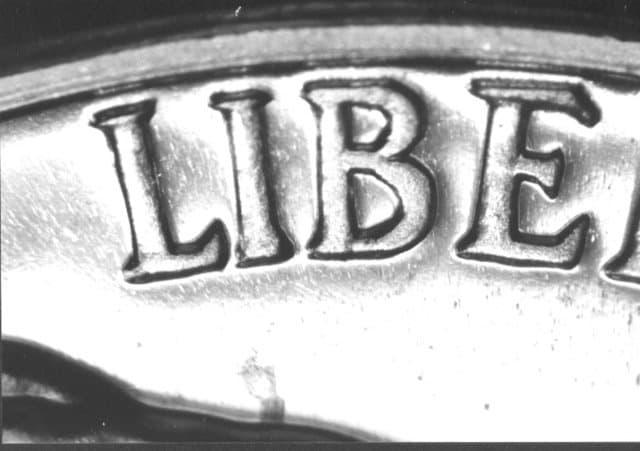
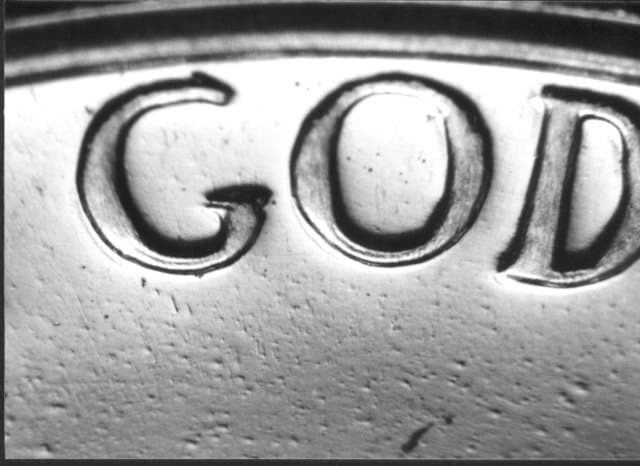
Exhibiting Class II (Distorted Hub) doubling that increases in magnitude from left to right across E PLURIBUS UNUM, the 1963 Jefferson nickel WDDR-002 presents a textbook example of rotational hub displacement where the degree of doubling varies with distance from the pivot axis. Class II doubling in the Wexler system results from a rotational movement of the working hub between impressions, causing elements closer to the axis of rotation to show minimal displacement while elements farther away exhibit progressively greater doubling — the "increasing from left to right" progression on E PLURIBUS UNUM perfectly illustrates this graduated effect, with the E showing the least doubling and the M of UNUM showing the most (or vice versa, depending on the pivot location). Reverse die markers provide essential secondary diagnostics: a curvy die gouge positioned above the right arch of Monticello's portico, plus die gouges on both sides of the O in OF. These three distinct die marks — the curvy gouge and the paired O gouges — create a reliable identification constellation unique to this working die. No significant obverse die markers were noted. Philadelphia struck approximately 178.9 million nickels in 1963, the year before the Mint would suspend mintmarks and produce an unprecedented volume of coinage to combat the nationwide shortage. Felix Schlag's Monticello reverse positions E PLURIBUS UNUM in a curved arc above the building, and the graduated doubling effect across these twelve letters provides a diagnostic that is both scientifically informative and visually educational, demonstrating the rotational mechanism in a way that a uniform-spread variety cannot. Collectors should examine the motto under 15-20x magnification, comparing the relative doubling magnitude at each end to confirm the graduated pattern, then verify the curvy gouge above the right arch and the paired O gouges for die confirmation.
Die Markers
- Obverse: None noted.
- Reverse: Curvy die gouge above right arch; die gouges on both sides of O of OF.
External References
Community & Reference
Related Errors


More Doubled Die Reverse Errors
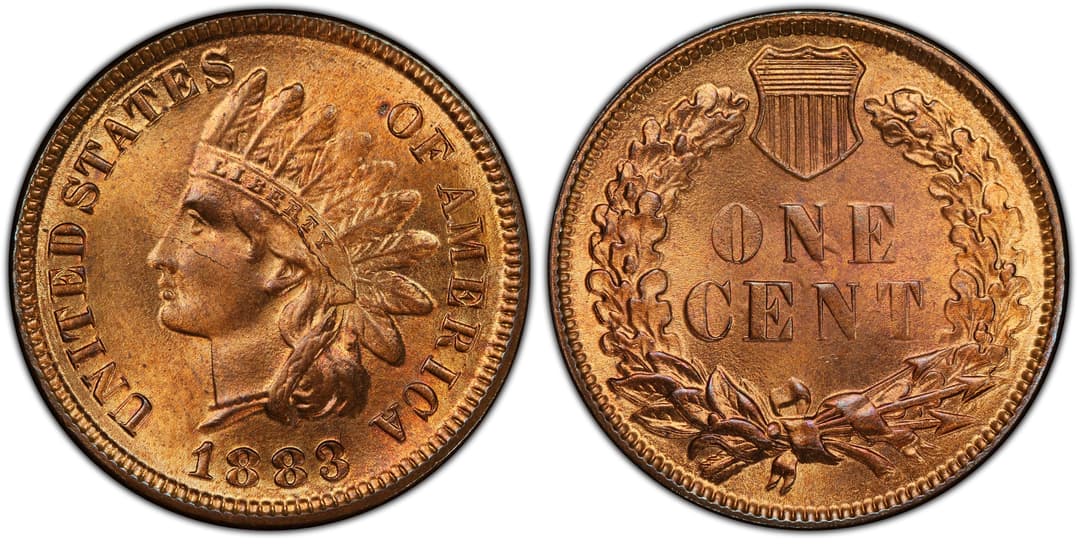
1883 Doubled Die Reverse WDDR-001
Doubled Die Reverse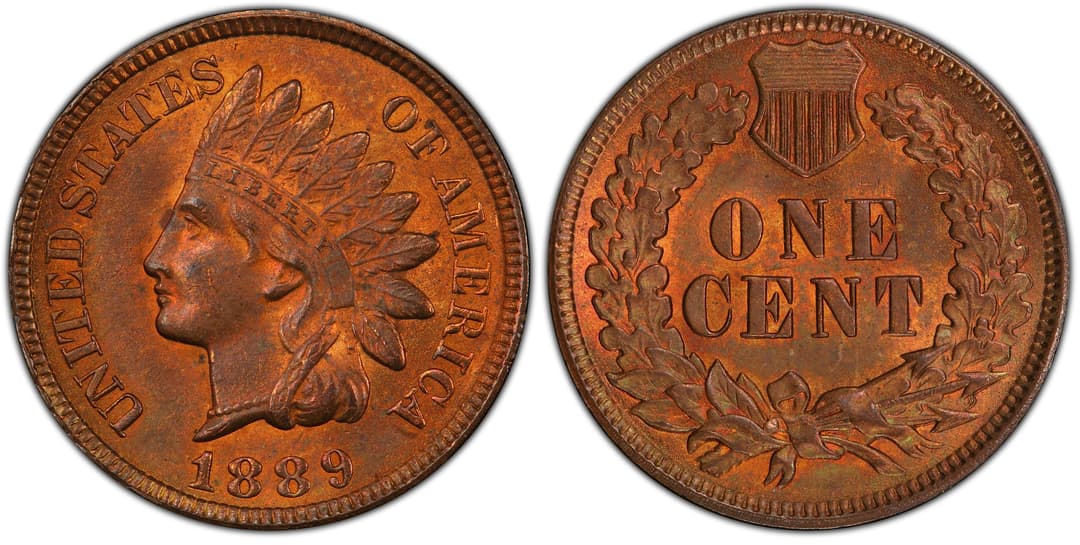
1889 Doubled Die Reverse WDDR-001
Doubled Die Reverse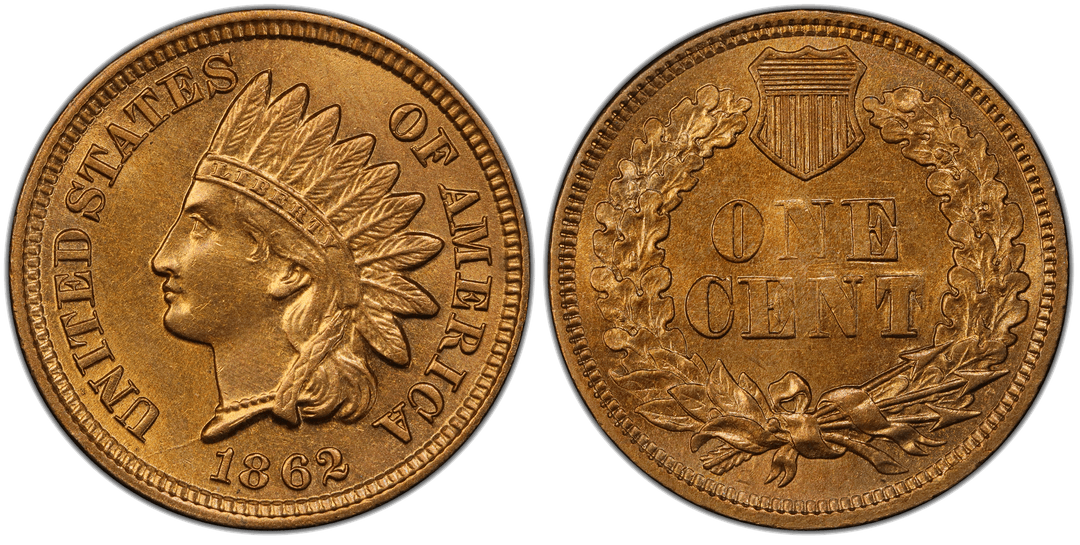
1862 Indian Head Cent Doubled Die Reverse FS-801 Snow-5
Doubled Die Reverse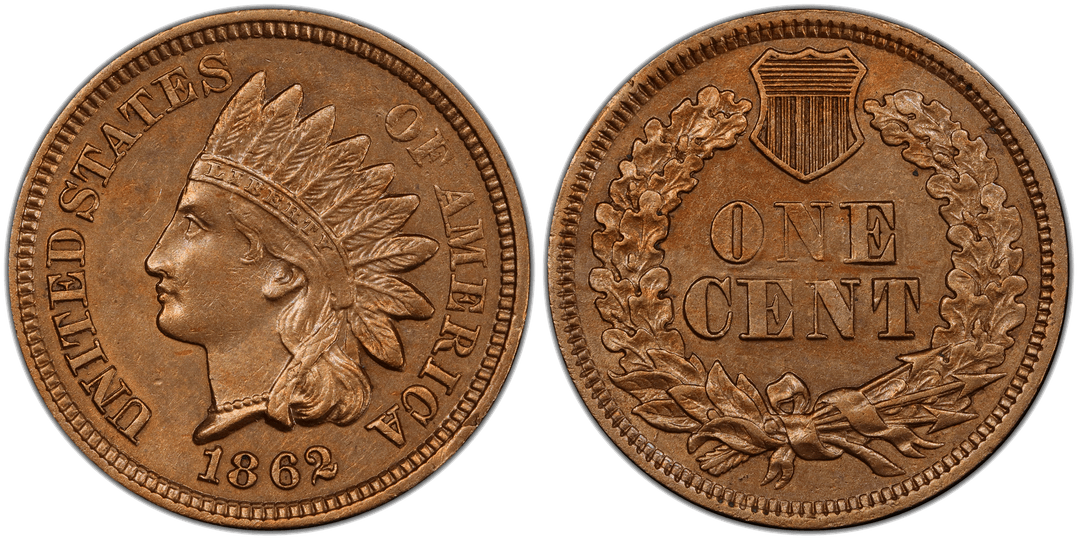
1862 Indian Head Cent Doubled Die Reverse FS-802 Snow-6
Doubled Die Reverse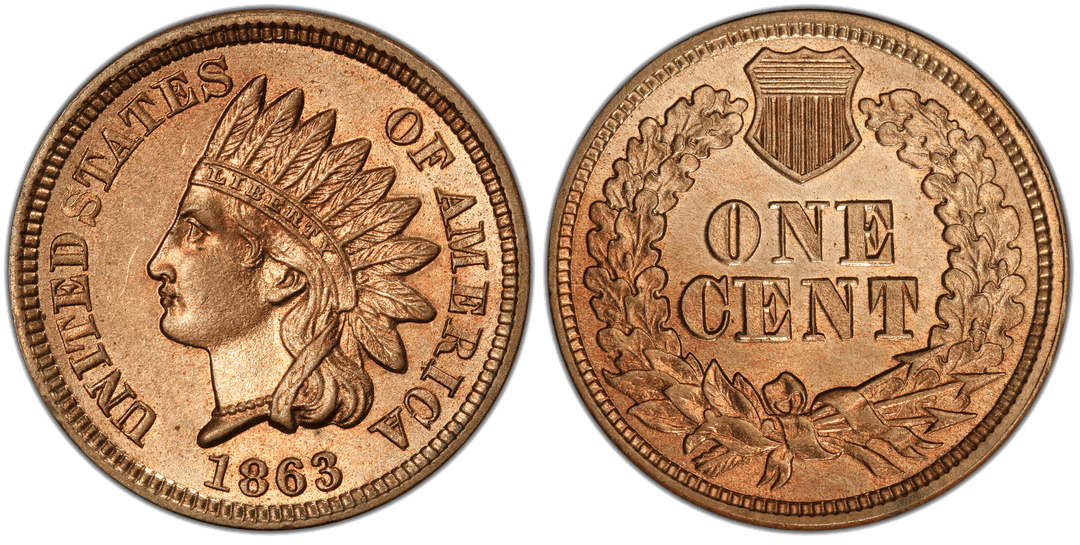
1863 Indian Head Cent Doubled Die Reverse FS-801 Snow-10
Doubled Die ReverseCollector Essentials
Tools for examining and preserving error coins and die varieties.
10x-20x Jeweler's Loupe
Essential for examining die varieties, doubled dies, and RPMs
Cherry Picker's Guide
The definitive reference for U.S. error coins and die varieties
2x2 Coin Flips & Holders
Protect and organize your finds with archival-quality holders
USB Digital Microscope
Capture detailed images for documentation and community submissions
As an Amazon Associate, NumisDex earns from qualifying purchases.