
RCD-1c-1934D-03R Retained Cud
Error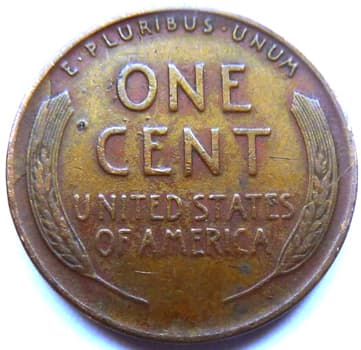
Description
Third retained cud cataloged for the 1934-D Lincoln wheat cent reverse by the Cuds on Coins attribution service, RCD-1c-1934D-03R documents a die rim failure on this Depression-era Denver Mint issue. Denver struck approximately 28.45 million cents in 1934, a production level that reflected the gradually recovering economy following the depths of the Great Depression. Three documented retained cuds for the 1934-D reverse represents a modest but noteworthy cluster of die rim failures, providing evidence that Denver's die pairs experienced the normal range of rim stress and eventual fracturing during the production year. The "R" suffix confirms this retained cud appears on Victor David Brenner's wheat ears reverse, and the "03" indicates it is the third distinct reverse retained cud identified for this date and mint, occupying a different rim position than RCD-1c-1934D-01R and RCD-1c-1934D-02R. Retained cuds develop when the die rim cracks and the fractured section sinks slightly below the adjacent surface while remaining physically connected — a progressive failure mechanism driven by the cumulative fatigue of repeated striking. On the wheat cent reverse, the twin wheat stalks approach the rim at their tips, and the peripheral inscription curves close to the rim edge, creating a continuous ring of design-to-rim transitions that serve as potential crack initiation points. The standard 95% copper, 5% tin and zinc composition used for 1934-D cents matched the specification that had been in continuous use since 1864, and the dies operated under standard production parameters for the Denver facility. Collectors examining specimens for this variety should survey the reverse rim under at least 10x magnification, looking for a raised area with partially softened design detail that distinguishes the retained cud from normal rim contact wear or post-strike damage. The third-in-sequence designation means the rim location must be verified against attribution documentation to distinguish it from the first and second retained cuds for this date.
Attribution History
- Discovered by Allan White
- Expert attribution by Cuds on Coins
External References
Community & Reference
Related Errors

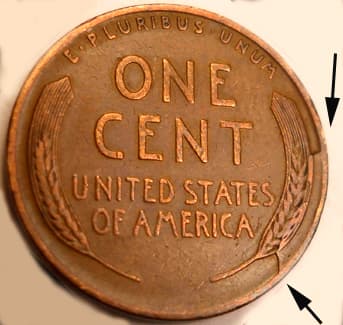
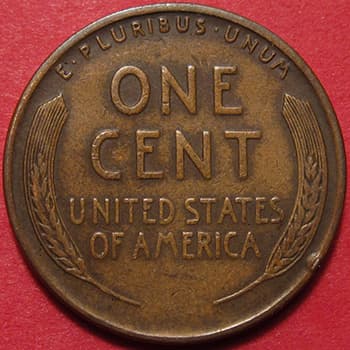


More Retained Cud Errors
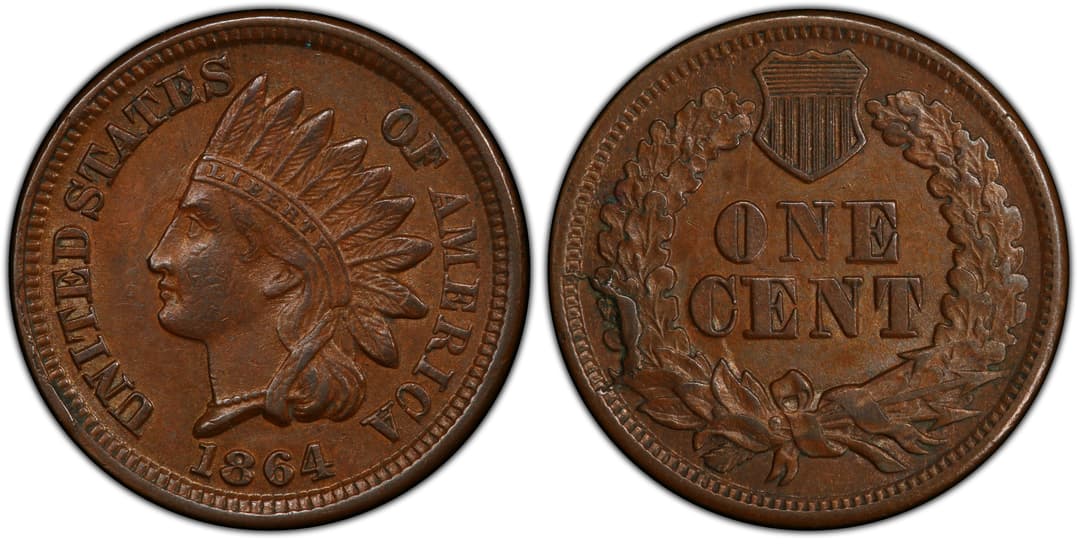
Collector Essentials
Tools for examining and preserving error coins and die varieties.
10x-20x Jeweler's Loupe
Essential for examining die varieties, doubled dies, and RPMs
Cherry Picker's Guide
The definitive reference for U.S. error coins and die varieties
2x2 Coin Flips & Holders
Protect and organize your finds with archival-quality holders
USB Digital Microscope
Capture detailed images for documentation and community submissions
As an Amazon Associate, NumisDex earns from qualifying purchases.