
PC-1c-1887-09R Pre-Cud
Error
Description
Ninth pre-cud cataloged on the reverse of the 1887 Indian Head cent by the Cuds on Coins attribution service, PC-1c-1887-09R documents one instance within what appears to be a particularly well-studied population of rim fractures for this date. The designation follows standard format: PC for pre-cud, 1c for the one-cent denomination, 1887 for the date, and 09R indicating the ninth reverse pre-cud identified. The fact that nine reverse pre-cuds have been documented for a single date suggests either intensive die usage that produced numerous rim fractures or thorough researcher attention to this particular issue — likely both. James B. Longacre's Indian Head cent had transitioned to the bronze composition (95% copper, 5% tin and zinc) in 1864, and by 1887 the design was in its twenty-ninth year of production with well-established die manufacturing procedures. Philadelphia struck approximately 45.23 million cents in 1887, a substantial output that required numerous working dies and generated the production conditions under which rim fractures naturally develop through cumulative striking stress. Pre-cuds represent incipient die failure — the die steel has cracked at the rim but the fragment has not yet separated, producing a raised line or ridge on struck coins that follows the crack path while preserving the underlying design detail. Unlike full cuds, which present as flat, featureless raised areas where the separated die fragment no longer impresses the design, pre-cuds retain complete design information within the affected zone, making them more subtle to detect but equally significant as documentation of die condition. No additional cross-references are noted for this variety. Collectors should examine the reverse rim under 10-15x magnification, looking for a hairline raised ridge following the crack path where the die steel began fracturing but did not yet separate.
Attribution History
- Discovered by Chuck Newman
- Expert attribution by Cuds on Coins
External References
Community & Reference
Related Errors

1887 Indian Head Cent Die Clash and Spiked Head
Die Clash, Spiked Head
1887 Indian Head Cent Die Clash (Obverse and Reverse — Full Portrait)
Die Clash
1887 Indian Head Cent Die Clash (Obverse and Reverse — Extensive)
Die Clash
1887 Indian Head Cent Die Clash (Obverse — C and Wreath)
Die Clash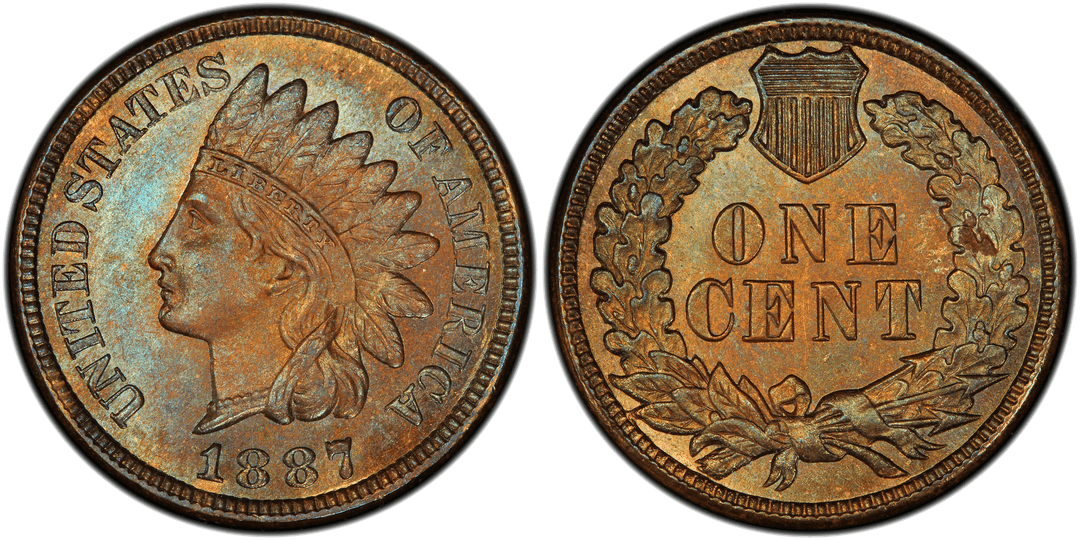
1887 Indian Head Cent Doubled Die Obverse FS-101 Snow-1
Doubled Die ObverseMore Pre-Cud Errors
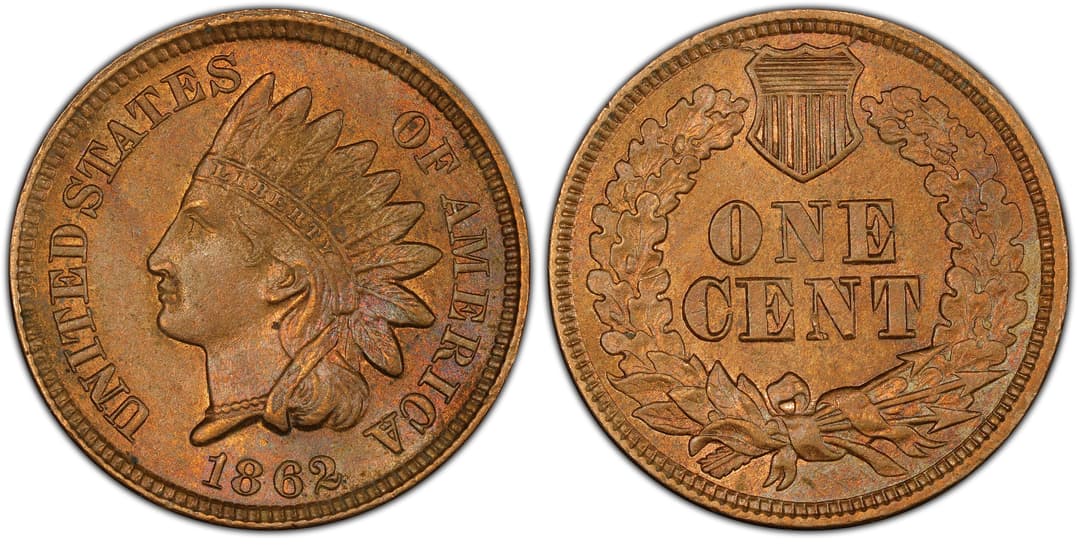
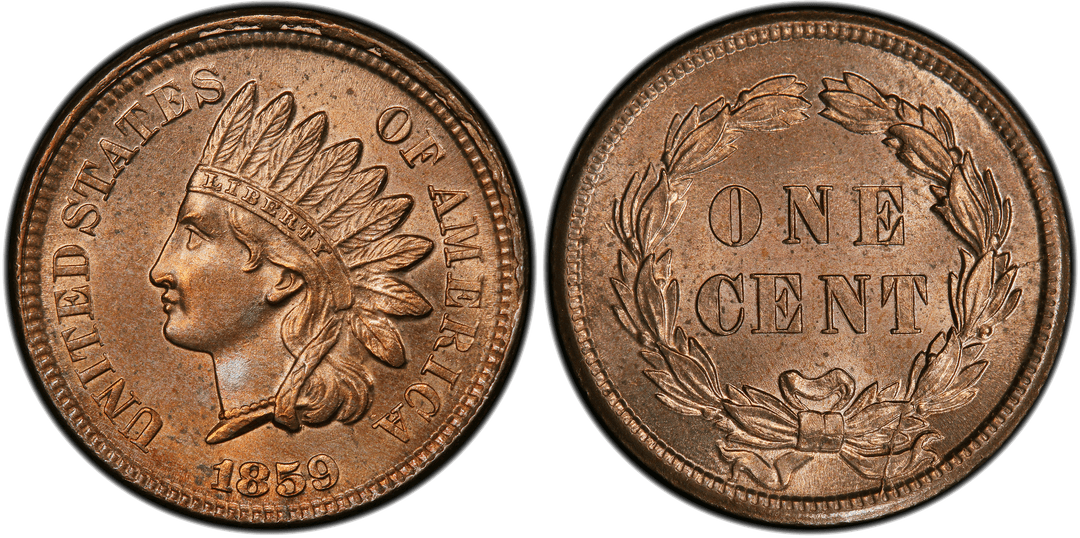
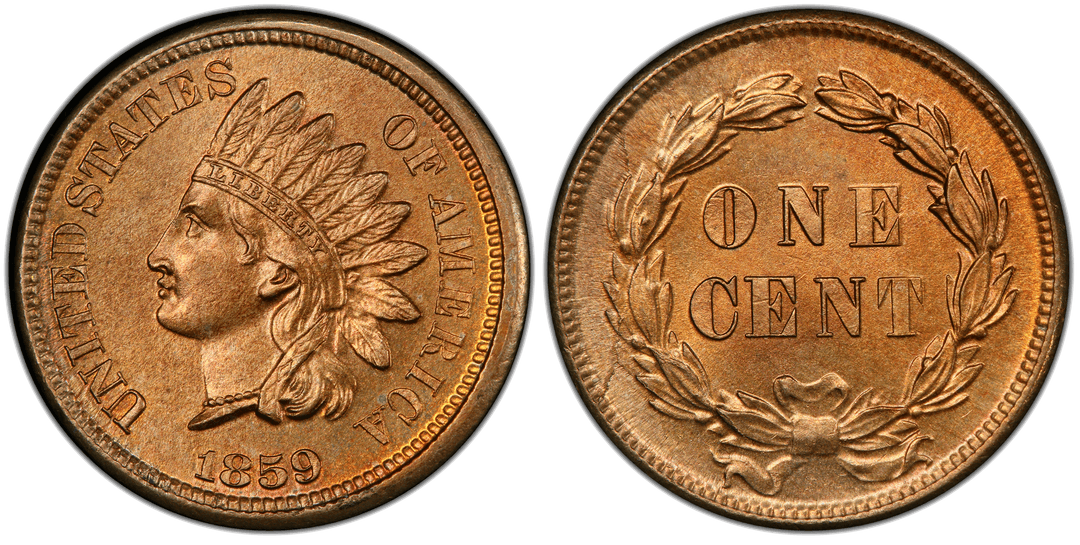
Collector Essentials
Tools for examining and preserving error coins and die varieties.
10x-20x Jeweler's Loupe
Essential for examining die varieties, doubled dies, and RPMs
Cherry Picker's Guide
The definitive reference for U.S. error coins and die varieties
2x2 Coin Flips & Holders
Protect and organize your finds with archival-quality holders
USB Digital Microscope
Capture detailed images for documentation and community submissions
As an Amazon Associate, NumisDex earns from qualifying purchases.