
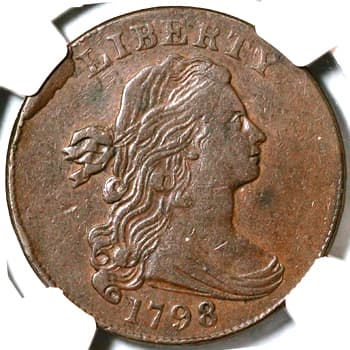
CU-1C-1798-01R Cud
Error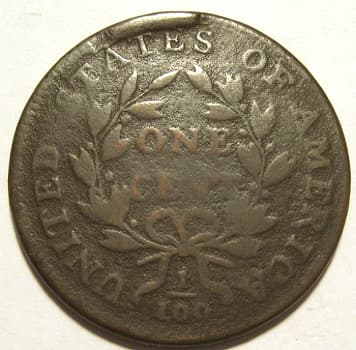
Description
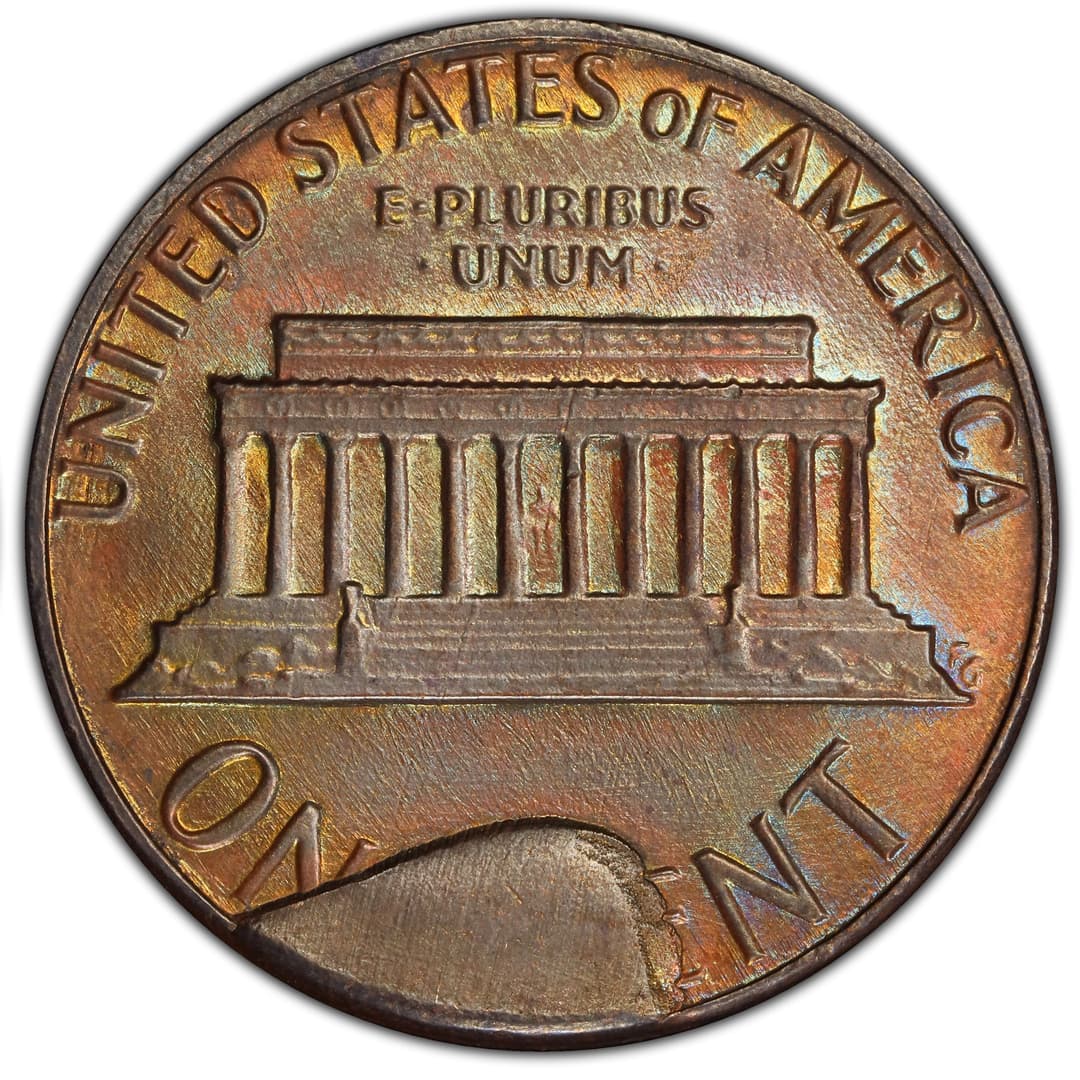
Hosting this reverse cud is one of early American numismatics' most fascinating varieties: the 1798 Draped Bust Cent with the 1798/7 overdate, where the final digit was re-engraved over a 7 to repurpose the die for the new year. Overdates were a common cost-saving measure at the early Philadelphia Mint, where hand-engraved dies represented significant labor investment and reusing a prior year's die was more efficient than cutting a new one. Robert Scot's Draped Bust design was struck on large copper planchets using hand-operated screw presses. A cud forms when a die rim section fractures and separates entirely, leaving a cavity that fills with metal during striking to produce a raised featureless mass at the coin's edge. The R suffix identifies this as a reverse cud, placing the failure on the wreath side rather than the portrait. Any specimen combining the 1798/7 overdate with a documented cud represents a convergence of two distinct phenomena — manual date correction and mechanical rim failure — on a single coin from the earliest years of federal coinage. Cataloged by Cuds on Coins.
Attribution History
- Discovered by jcocoin on eBay
- CU-1C-1798-01R; none.
- Expert attribution by Cuds on Coins
External References
Community & Reference
Related Errors
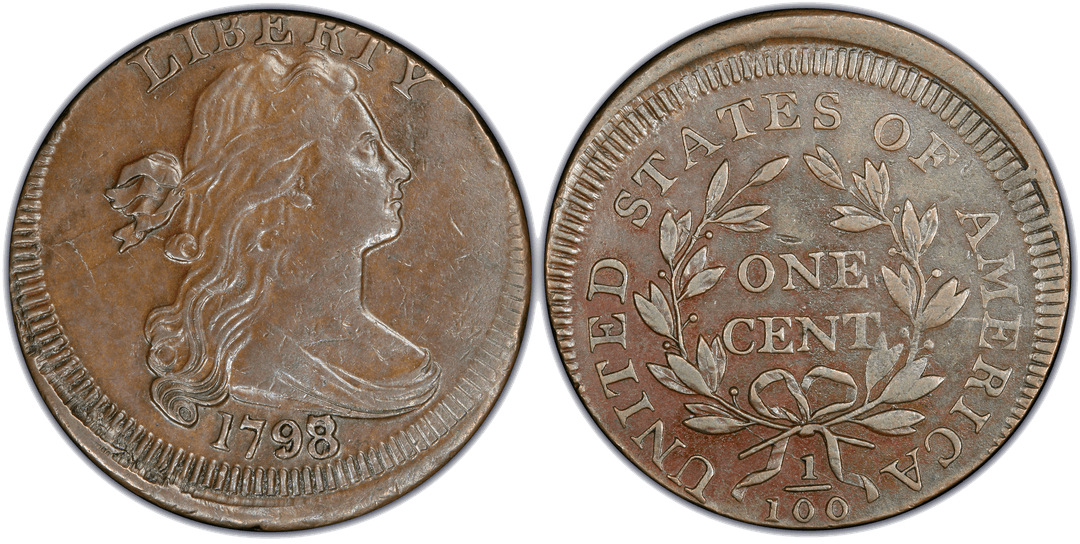

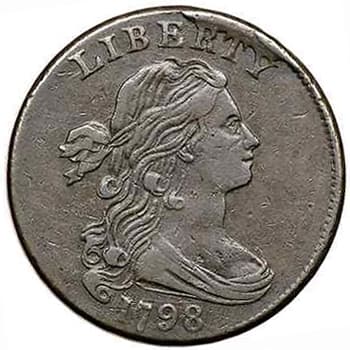
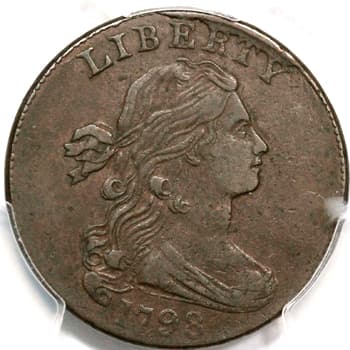
More Cud Errors
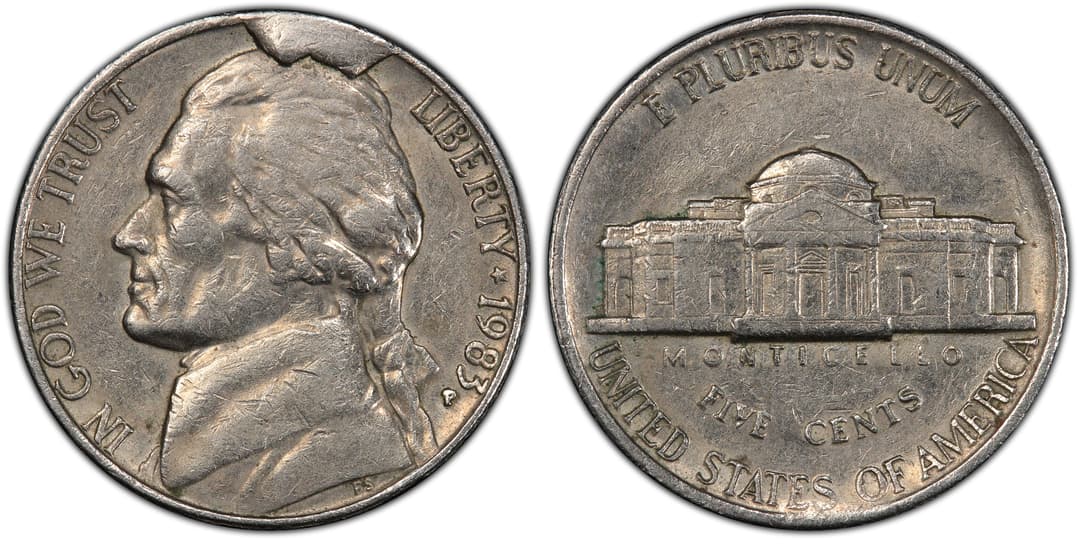
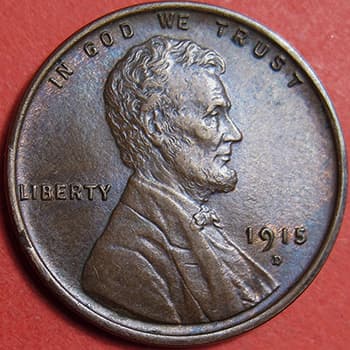
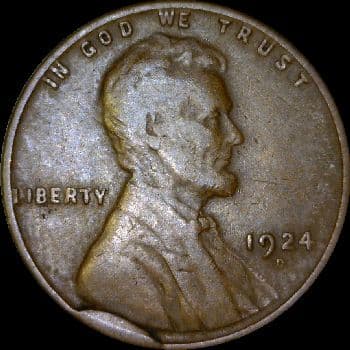
Collector Essentials
Tools for examining and preserving error coins and die varieties.
10x-20x Jeweler's Loupe
Essential for examining die varieties, doubled dies, and RPMs
Cherry Picker's Guide
The definitive reference for U.S. error coins and die varieties
2x2 Coin Flips & Holders
Protect and organize your finds with archival-quality holders
USB Digital Microscope
Capture detailed images for documentation and community submissions
As an Amazon Associate, NumisDex earns from qualifying purchases.