
What Is a Mule Error? The 2000 Sacagawea/Quarter Mule Explained
Mule Errors: When the Mint Uses the Wrong Dies Together
A mule error occurs when a coin is struck using two dies that were never intended to be paired together. Unlike wrong planchet errors (correct dies, wrong blank) or off-center strikes (correct dies and planchet, wrong alignment), a mule uses the wrong combination of dies entirely.
Mule errors are among the rarest and most valuable mint errors because they require two separate mistakes: the wrong die must be installed in the press, AND the error must go undetected long enough for coins to be struck and released.
The Famous 2000 Sacagawea/State Quarter Mule
The most famous modern mule error is the 2000-P Sacagawea dollar obverse paired with a State Quarter reverse. This coin has the Sacagawea portrait on the front and a State Quarter eagle on the back — two designs from completely different denominations.
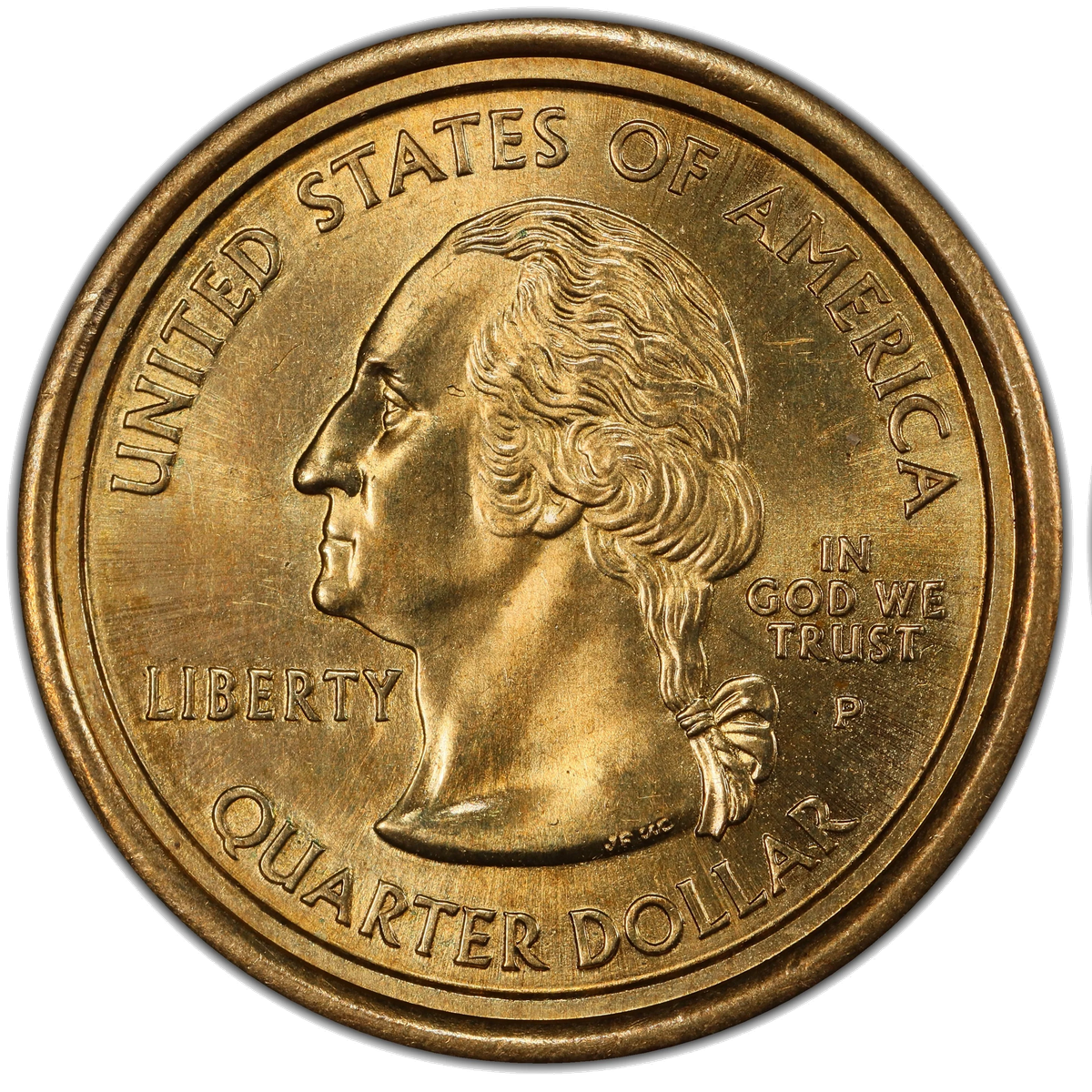
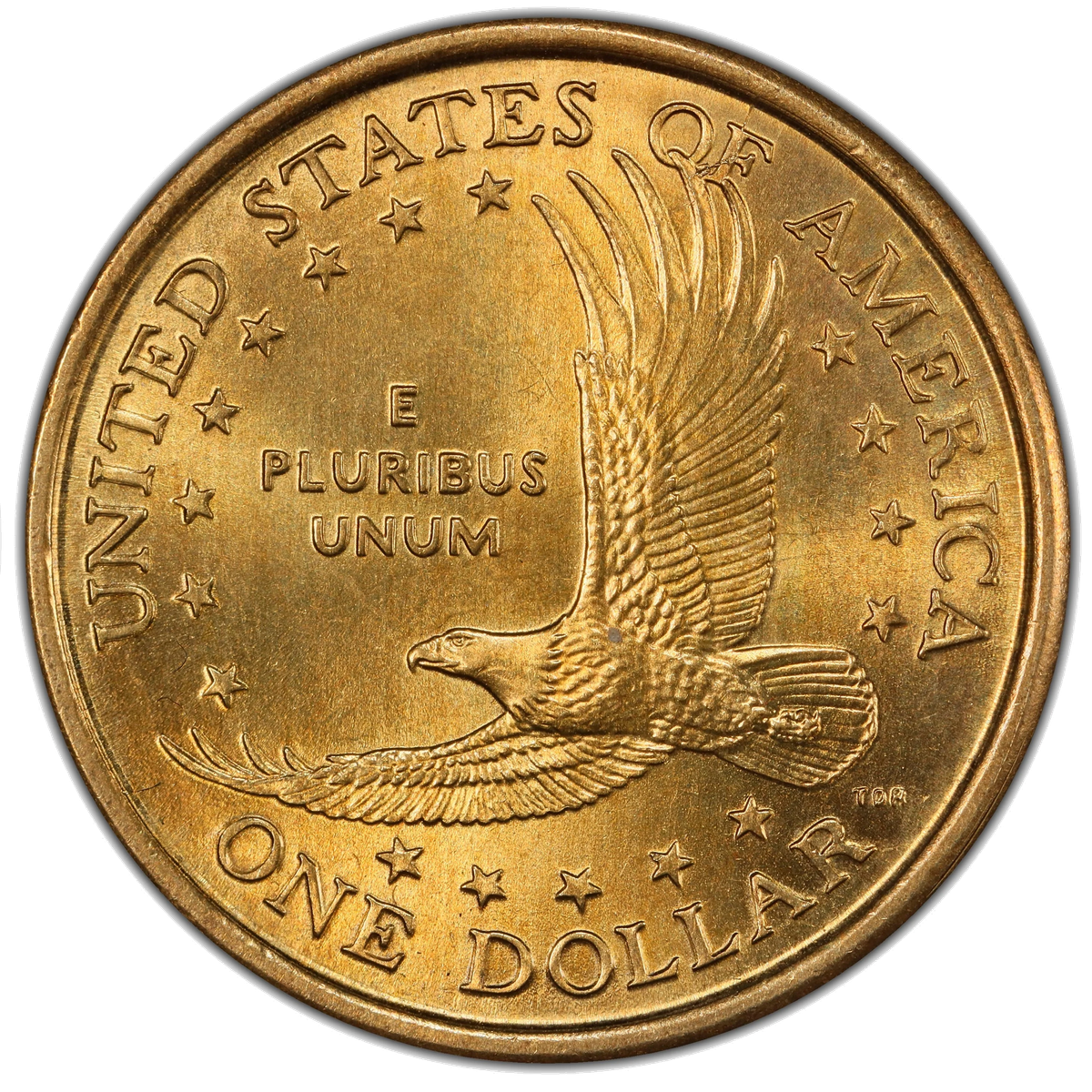
This error was possible because the Sacagawea dollar and the State Quarter were produced in the same facility, and their dies were physically interchangeable (same diameter collar). Two distinct die pairings have been identified, and all known examples command six-figure values.
How Would You Recognize a Mule?
A mule error is identified by the mismatch between obverse and reverse:
- One side belongs to a different denomination, year, or design series than the other
- The coin is struck on the correct planchet for whichever die fits the collar
- Both sides are fully struck — this isn't a double-strike or overstrike
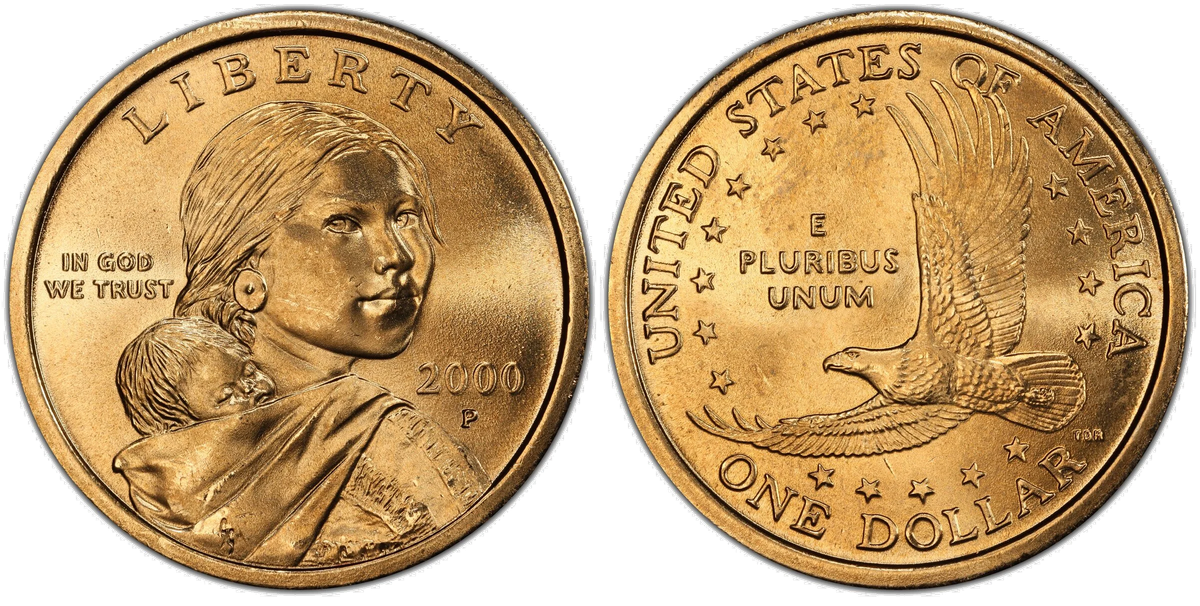
For comparison, here is what a normal Sacagawea dollar looks like:
Why Mules Are So Rare
The U.S. Mint has multiple safeguards against mule errors:
- Dies are stored and distributed separately by denomination
- Press operators are trained to verify die pairs
- Quality control checks catch most errors before coins leave the facility
- Different denominations often use different die sizes, making physical mismatch impossible
Mules can only occur when two denominations share the same die diameter — which is why the Sacagawea dollar / State Quarter mule was possible (both use the same collar size).
If you believe you have a mule error, professional authentication through PCGS or NGC is essential. The rarity and value of genuine mules also makes them targets for counterfeiting.
0 Replies
Related Threads
- 50c-1976-D-reverse RIDB?0 replies · 1w ago
- Vending Machine, Counting Machine, and Crimper Damage on Coins2 replies · 3w ago
- PMD Vocabulary: Scratches, Gouges, and Damage Every Collector Should Recognize0 replies · 3mo ago
- My Coin Looks Melted or Blobby — Die Error or Acid Damage?0 replies · 3mo ago
- Tall Rim or Thick Edge on Your Coin: Mint Error or Post-Mint Damage?0 replies · 3mo ago