
My Coin Looks Melted or Blobby — Die Error or Acid Damage?
When a Coin Looks "Melted"
"My coin looks like it melted" is one of the most common descriptions posted by new collectors encountering unusual-looking coins. The features are soft, blobby, or indistinct — and the first instinct is that something dramatic happened. In reality, there are three main explanations, and only one of them is a mint error.
1. Die Deterioration (Mint-Related)
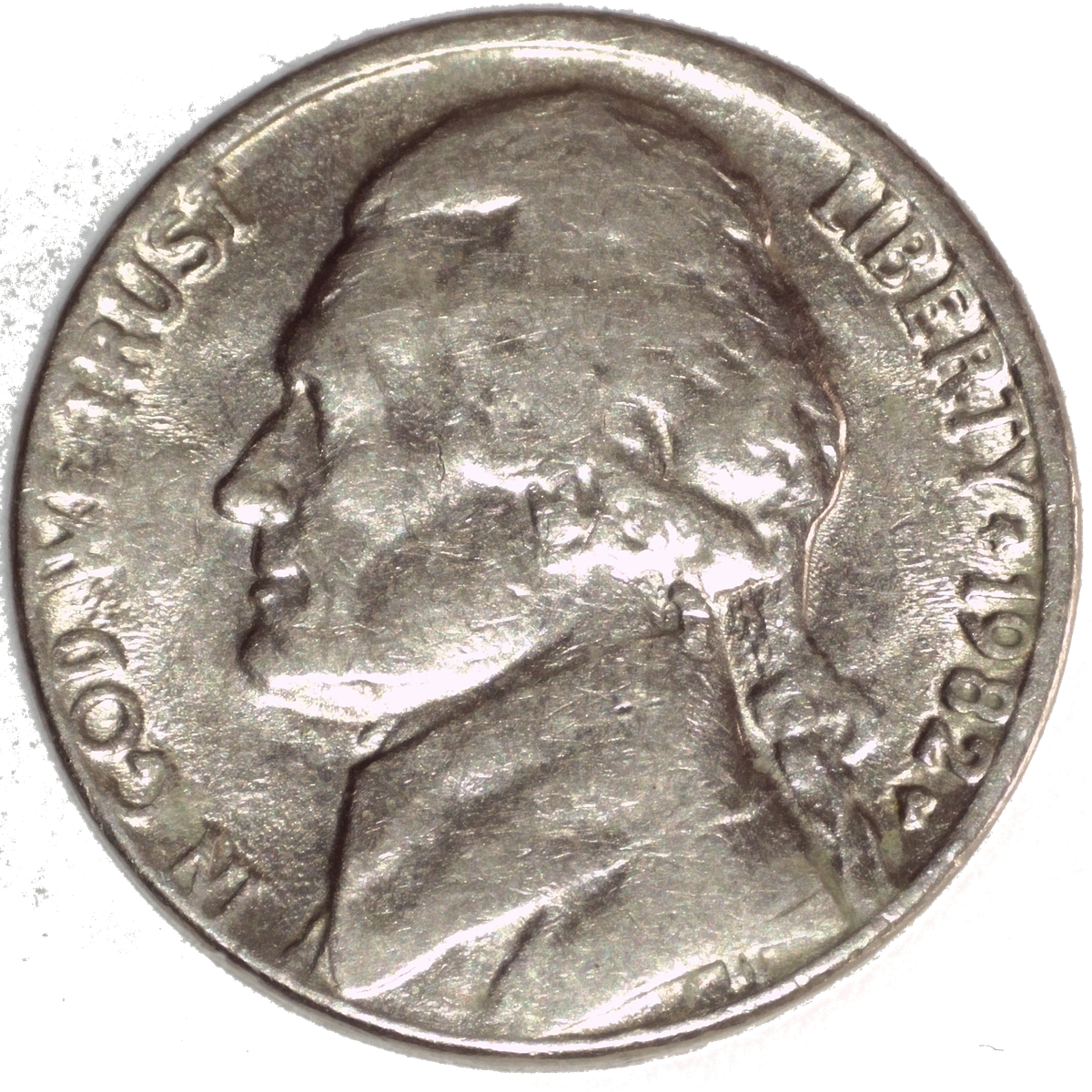
As a die strikes thousands of coins, it wears down. The fine details in the design become progressively softer, and the fields may develop a rough or pebbled texture. Severely deteriorated dies produce coins with a "blobby" or "mushy" appearance — letters may run together, fine details disappear, and the overall design looks soft.
Die deterioration is technically a mint-produced phenomenon (it happens at the Mint), but it carries minimal collector premium because it's extremely common. Every die eventually wears out, and the Mint produced millions of coins from deteriorated dies. Unless the deterioration is unusually dramatic, these are face-value coins.
2. Grease-Filled Die (Mint Error)
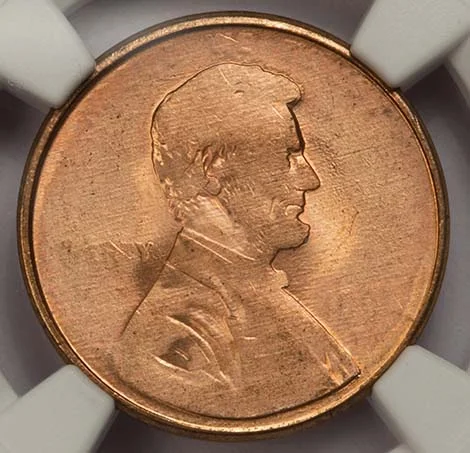
Grease, oil, and other lubricants used in the Mint's press operations can fill the recessed areas of a die. When the die strikes a coin with grease in the recesses, the design elements that should be raised on the coin are instead missing or shallow. The affected areas appear smooth and featureless rather than blobby.
The key diagnostic: grease-filled die errors produce smooth, flat areas where design should be, while die deterioration produces soft, mushy design elements that are still partially present. Grease-filled die errors are collectible, especially when they affect prominent design elements like dates, mint marks, or key legends (the "In God We Rust" Kansas quarter is a famous example).
3. Acid or Chemical Damage (Post-Mint)
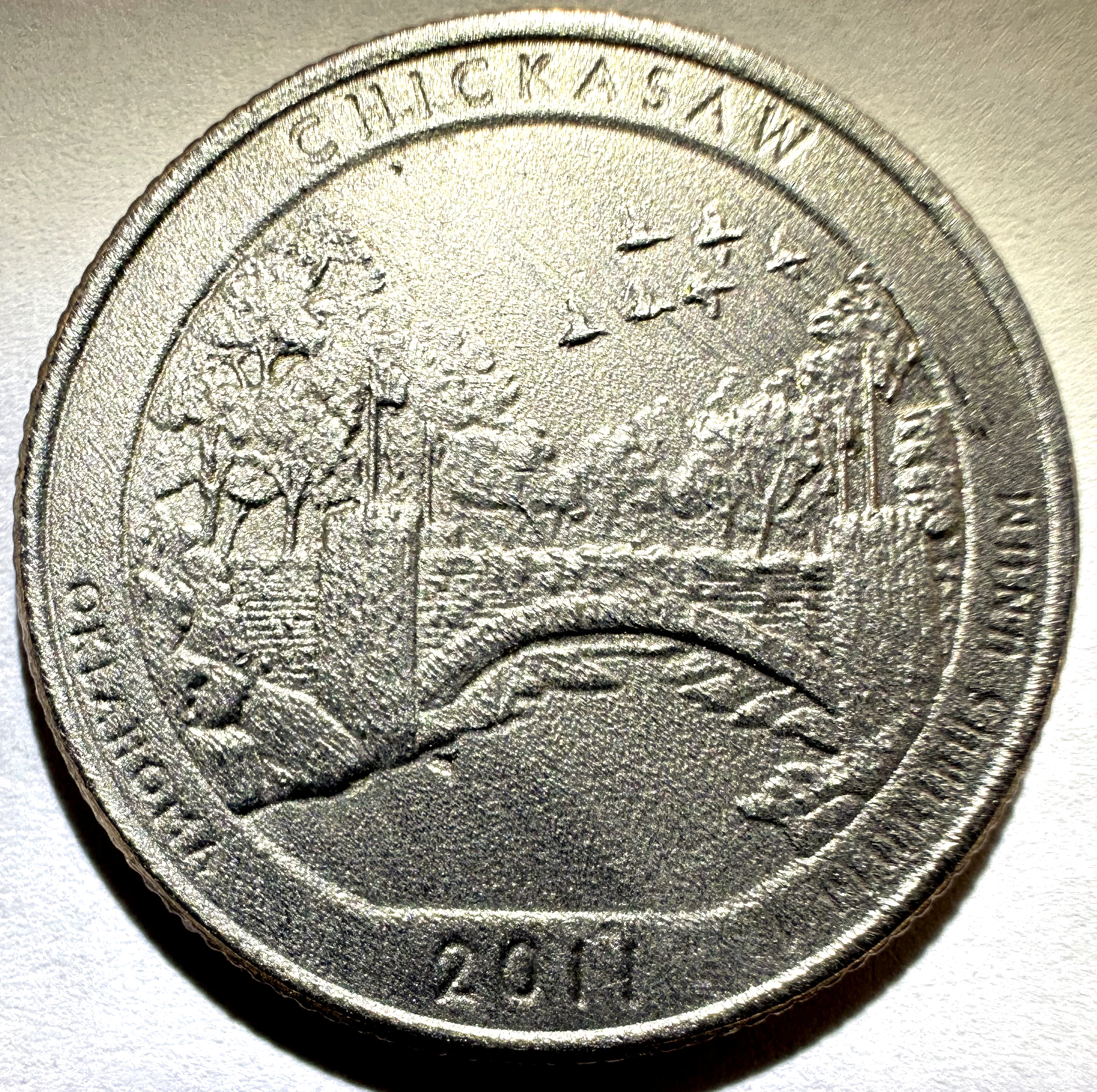
Coins exposed to acids, harsh chemicals, or extreme environmental conditions can develop a "melted" appearance. Acid etches the metal surface, creating pitting, roughness, and loss of detail that can look similar to die deterioration at first glance.
How to tell acid damage from die deterioration:
- Surface texture — Acid damage creates a pitted, rough, or crystalline surface texture. Die deterioration produces a smoother, more uniform softening.
- Rim and edge — Acid damage often affects the rim and edge as well as the design. Die deterioration only affects the struck surfaces.
- Color changes — Acid-damaged coins often show unusual coloring — greenish, whitish, or unnatural surface colors from chemical reactions with the metal.
- Localization — Acid damage can be localized (if the coin was partially submerged) or affect the entire coin. Die deterioration from a worn die is consistent across the entire struck surface.
Other Causes of "Melted" Appearance
- Dryer coins — Coins that went through a clothes dryer tumble at high heat with abrasive fabrics. The result can look similar to acid damage.
- Fire damage — Coins exposed to fire can show genuine melting, discoloration, and surface disruption. The appearance is usually obvious (warped, discolored metal).
- Soil burial — Coins buried in soil for extended periods can show corrosion and surface deterioration, especially copper coins.
0 Replies
Related Threads
- 50c-1976-D-reverse RIDB?0 replies · 1w ago
- Vending Machine, Counting Machine, and Crimper Damage on Coins2 replies · 3w ago
- PMD Vocabulary: Scratches, Gouges, and Damage Every Collector Should Recognize0 replies · 3mo ago
- Tall Rim or Thick Edge on Your Coin: Mint Error or Post-Mint Damage?0 replies · 3mo ago
- Mint Error vs. Post-Mint Damage: 5 Questions to Ask Before You Get Excited0 replies · 3mo ago