
Mint Error vs. Post-Mint Damage: 5 Questions to Ask Before You Get Excited
Is It a Mint Error or Just Damage?
You found something unusual on a coin. Maybe the lettering looks doubled, the rim is oddly shaped, or part of the design seems missing. Before you start calculating how much it's worth, you need to answer one fundamental question: did this happen at the Mint, or after the coin left?
Mint errors are manufacturing defects that occurred during the striking process at the U.S. Mint. Post-mint damage (PMD) is anything that happened to the coin afterward — from rattling around in a cash register to being scraped along a sidewalk. Mint errors can be worth hundreds or thousands of dollars. PMD is worth face value.
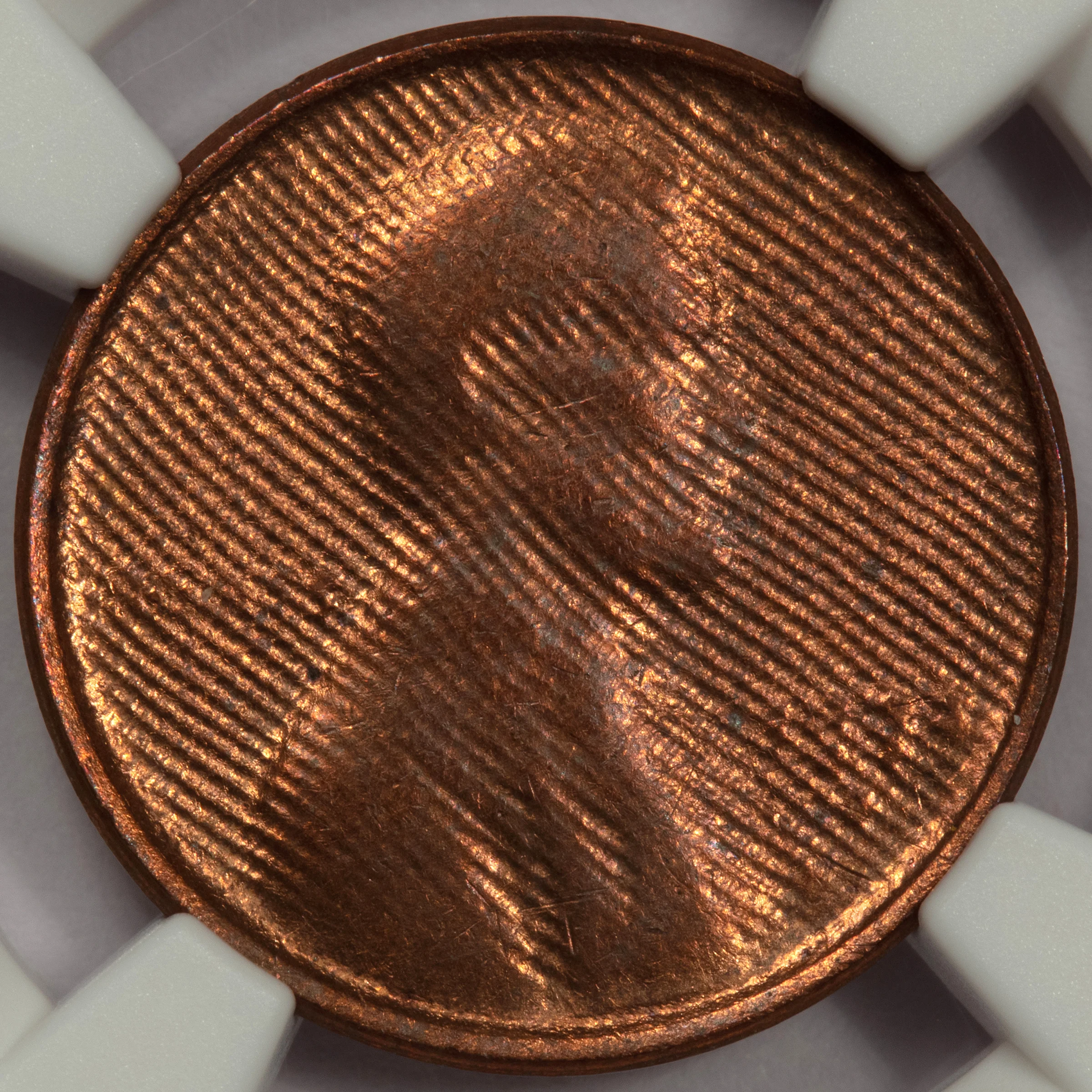
Genuine mint error — raised, uniform features created during the striking process
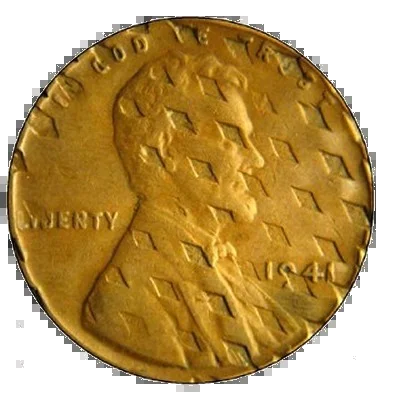
Post-mint damage (PMD) — incuse, irregular marks that occurred after the coin left the Mint
The 5 Questions
1. Is the anomaly raised or incuse?
Most mint errors produce raised features on the coin's surface. Die cracks, die chips, cuds, and doubled dies all create raised metal because the defect is in the die itself (recessed in the die = raised on the coin). Post-mint damage almost always produces incuse (pressed-in) marks — scratches, gouges, and dents push metal down or displace it. If the feature is sunken into the surface, it's almost certainly PMD.
2. Does it affect the coin's shape uniformly?
Striking errors like broadstrikes, off-center strikes, and partial collar errors produce uniform, symmetrical distortions. A broadstrike expands the coin evenly. An off-center strike shifts the entire design consistently. PMD is typically localized and asymmetrical — a dent on one side, a gouge on the rim, a scratch across the field. If the distortion is only in one small area and doesn't follow the coin's overall geometry, suspect PMD.
3. Is the coin's rim intact and normal?
The rim is one of the best diagnostic areas. A genuine broadstrike has a missing or flattened rim all the way around because the coin was struck outside the collar. A genuine off-center strike has no rim on the off-center side and a normal rim on the opposite side. If the rim is damaged in just one spot, that's almost always PMD — something hit the edge after the coin was struck.
4. Is the feature consistent with known error types?
Every mint error type has well-documented characteristics. Doubled dies show specific classes of doubling in specific locations. Struck-through errors leave specific impressions. Die cracks follow recognizable patterns. If your coin's anomaly doesn't match any known error type, it's more likely PMD. Browse the NumisDex catalog to compare your coin against thousands of documented errors.
5. Does the luster match?
Original mint luster is a subtle but powerful diagnostic. Mint errors are struck into the coin — the original luster flows around and over the error because the error is part of the striking process. PMD disrupts the luster — scratches cut through it, dents flatten it, and environmental damage corrodes it. Under magnification, look at how light reflects across the anomaly. If the luster is broken or missing in that area, it happened after the coin was struck.
When In Doubt
If you can't determine whether your coin is an error or PMD, the best approach is to post clear photos in the Error Identification Help forum — the community includes experienced error collectors who can help you evaluate your find.
0 Replies
Related Threads
- 50c-1976-D-reverse RIDB?0 replies · 1w ago
- Vending Machine, Counting Machine, and Crimper Damage on Coins2 replies · 3w ago
- PMD Vocabulary: Scratches, Gouges, and Damage Every Collector Should Recognize0 replies · 3mo ago
- My Coin Looks Melted or Blobby — Die Error or Acid Damage?0 replies · 3mo ago
- Tall Rim or Thick Edge on Your Coin: Mint Error or Post-Mint Damage?0 replies · 3mo ago