
PMD Vocabulary: Scratches, Gouges, and Damage Every Collector Should Recognize
Understanding Post-Mint Damage (PMD)
Post-mint damage is any alteration to a coin that happened after it left the Mint. Learning to recognize common types of PMD is essential because it's the most frequent cause of false "error" identifications. Knowing the vocabulary also helps you communicate clearly when asking for help identifying your coins.
Contact Marks (Bag Marks)
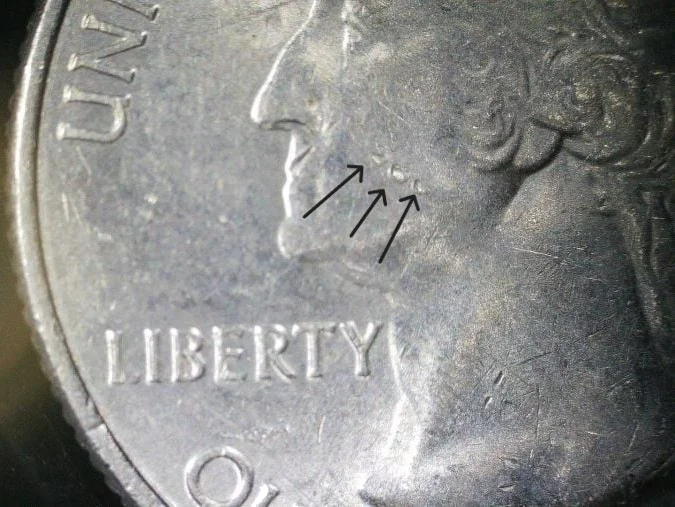
Contact marks — scattered nicks and dings from coins banging against each other
Contact marks are nicks, dings, and small impacts that occur when coins bang against each other. They're sometimes called "bag marks" because they commonly happen when coins are stored in bulk bags at the Mint or in bank vaults. Contact marks are a normal part of a coin's life and are factored into the grading process — they're one of the main reasons most uncirculated coins don't grade MS-70.
- Small, scattered marks across the surface
- Usually shallow and rounded
- Random in distribution — no pattern
- Present on virtually all coins that have been handled or stored with other coins
Scratches
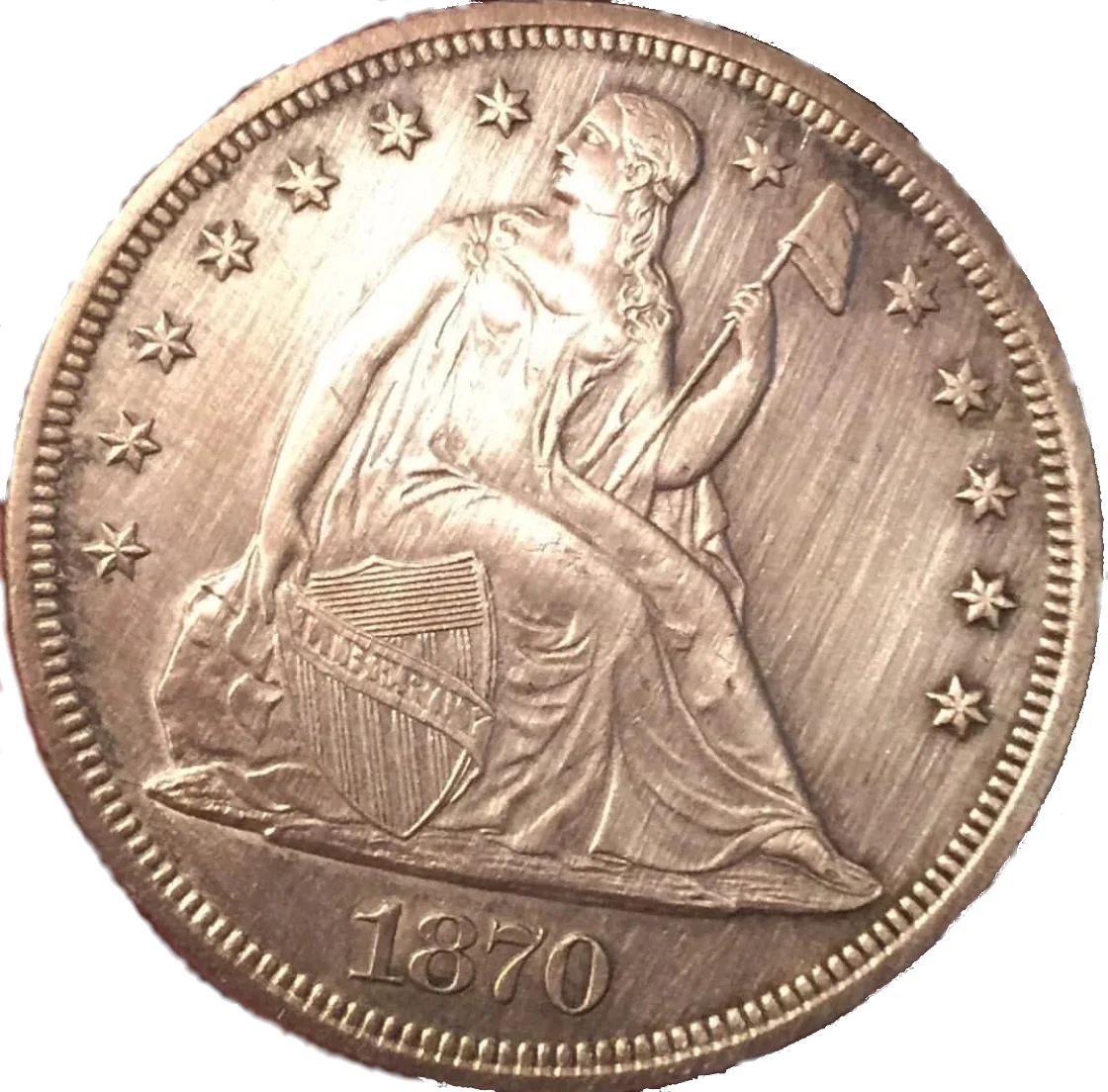
Scratches — incuse linear marks from a hard object dragged across the surface
Scratches are linear marks caused by a hard object being dragged across the coin's surface. They range from fine hairlines (often from cleaning) to deep gouges. Unlike die polish lines (which are raised and created during the die-making process), post-mint scratches are incuse — they're cut into the surface.
- Straight or slightly curved lines
- Incuse (pressed into the surface)
- May show displaced metal along the edges of the scratch
- Often deeper at one end (where the scratching object first contacted)
Rim Dings and Edge Damage
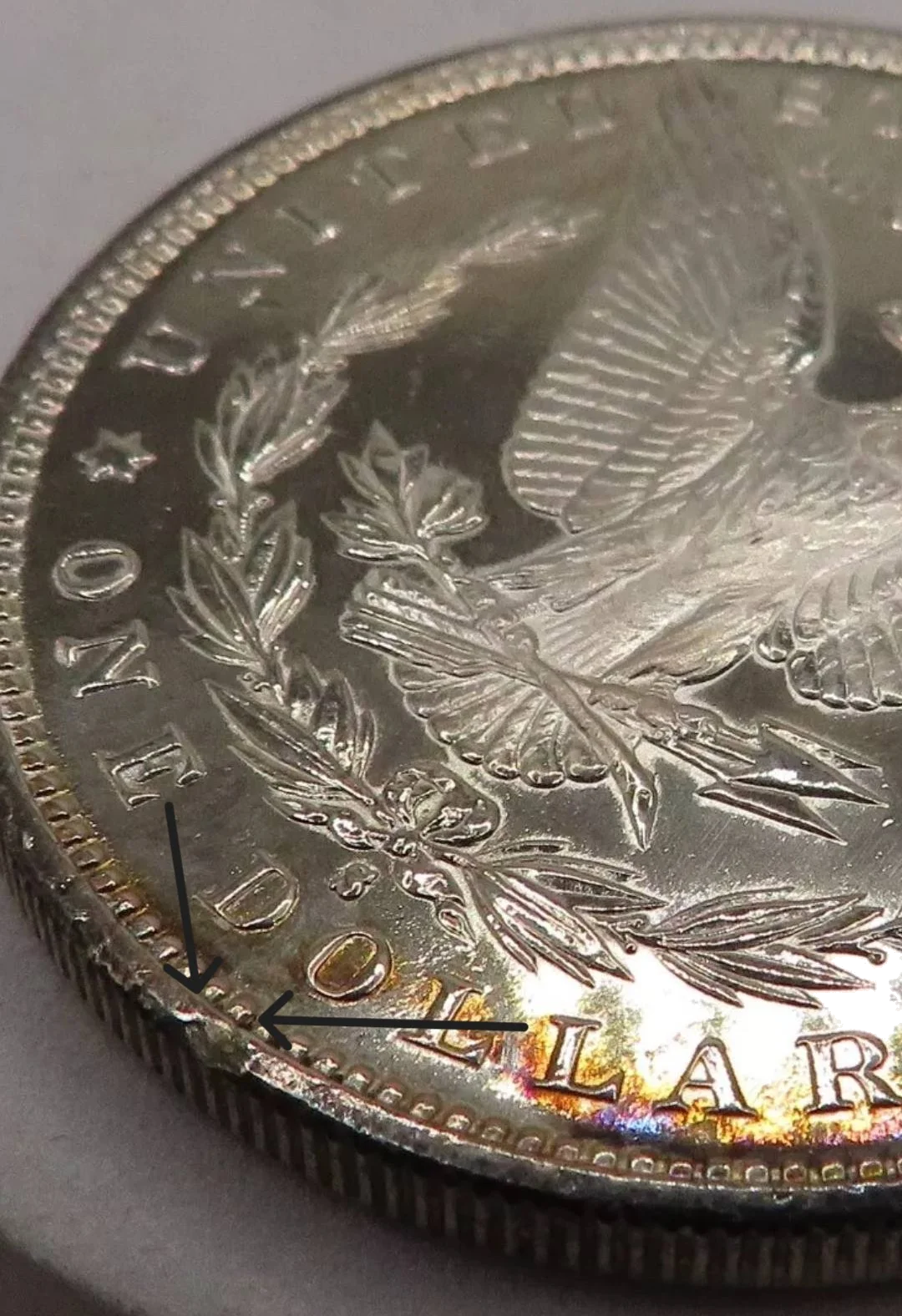
Rim ding — localized damage to one spot on the rim (not a collar error)
Rim damage is among the most common forms of PMD. Coins dropped on hard surfaces or struck against other objects develop dents, flat spots, or gouges on the rim. These are frequently misidentified as collar errors, but the distinction is straightforward: collar errors are symmetrical and affect a large portion of the rim, while PMD rim dings are localized to one spot.
Environmental Damage
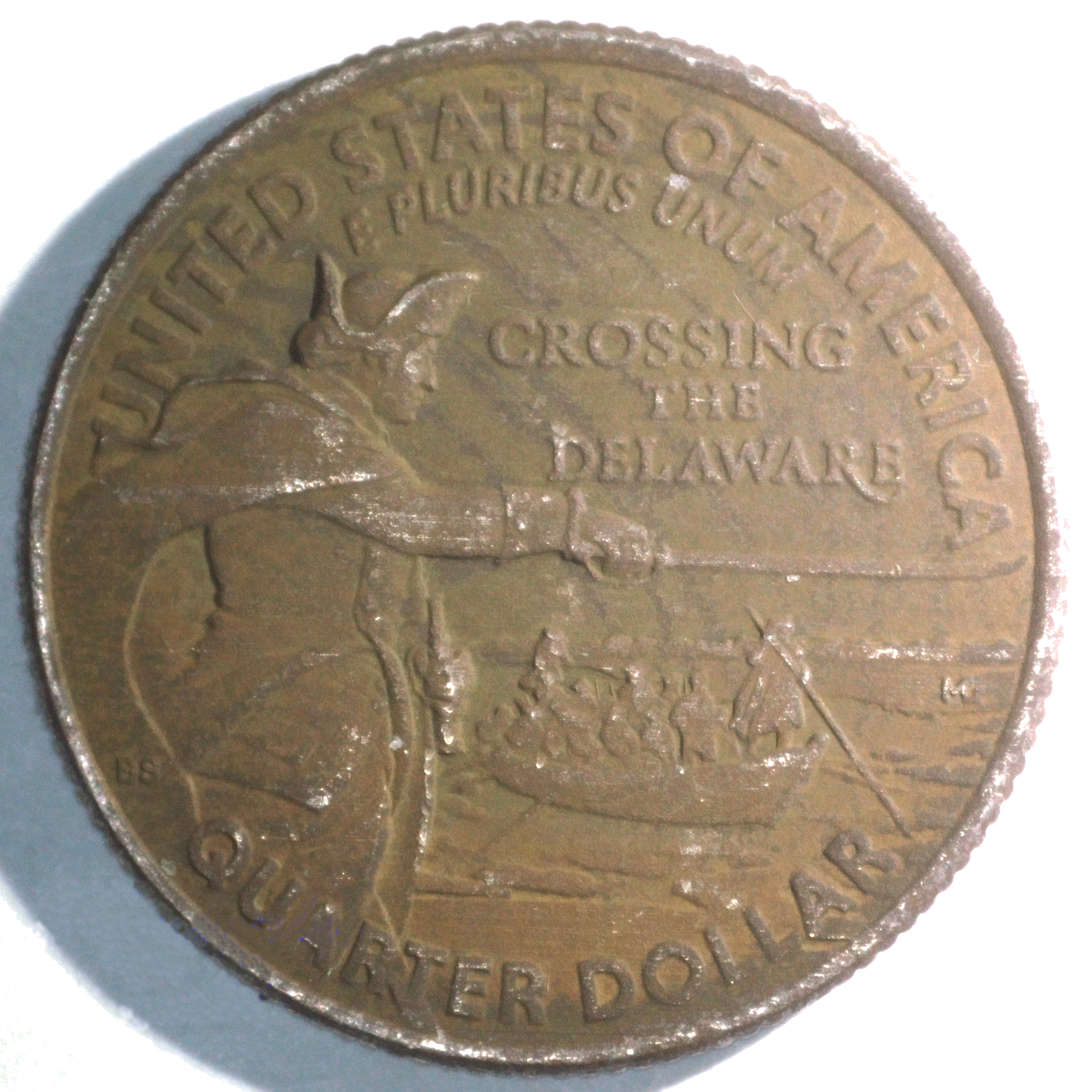
Environmental damage — verdigris (green deposits) and surface corrosion from moisture exposure
Environmental damage encompasses a range of problems caused by a coin's storage conditions:
- Verdigris — Green deposits on copper and bronze coins, caused by a reaction between the metal and moisture/acids. Active verdigris can continue to damage the coin if not treated professionally.
- Corrosion — Surface pitting and metal loss from prolonged exposure to moisture, chemicals, or contaminated storage materials.
- PVC damage — A greenish, oily film caused by polyvinyl chloride (PVC) in certain coin flips and holders breaking down. The plasticizers in soft PVC flips leach out over time and react with the coin. PVC damage can sometimes be reversed with professional conservation (acetone treatment).
- Fingerprints — The oils and acids in skin can etch permanent marks into a coin's surface over time, especially on copper coins. This is why serious collectors handle coins by the edges only.
Other Common PMD Types
- Staining — Discolored spots from contact with reactive materials (tape residue, rubber bands, contaminated holders)
- Whizzing — A type of fraudulent alteration where a coin's surface is abraded with a wire brush to simulate mint luster. The resulting surface has an unnatural sheen and fine parallel lines visible under magnification.
- Tooling — Deliberate alteration of a coin's surface using tools to add, remove, or modify design elements. Common on counterfeit coins and altered-date fakes.
Explore in the NumisDex Catalog
Related varieties and errors from the NumisDex database:
0 Replies
Related Threads
- 50c-1976-D-reverse RIDB?0 replies · 1w ago
- Vending Machine, Counting Machine, and Crimper Damage on Coins2 replies · 3w ago
- My Coin Looks Melted or Blobby — Die Error or Acid Damage?0 replies · 3mo ago
- Tall Rim or Thick Edge on Your Coin: Mint Error or Post-Mint Damage?0 replies · 3mo ago
- Mint Error vs. Post-Mint Damage: 5 Questions to Ask Before You Get Excited0 replies · 3mo ago