
Struck-Through Errors: How to Tell a Grease Fill from Damage
STTStruck-Through Errors: Grease, Foreign Objects, and How to Tell
A struck-through error occurs when something gets between the die and the planchet during striking. The foreign material prevents part of the design from being fully impressed into the coin, creating a distinctive area of missing or weakened detail. Grease-filled die strikes are the most common type, but struck-throughs can involve cloth, wire, metal fragments, and other debris.
Grease-Filled Die Strikes
The most common struck-through error is a grease-filled die. Lubricant used in the minting process can fill the recessed areas of a die, preventing the design from fully striking into the planchet. The result is a smooth, depressed area where design detail is partially or completely absent.
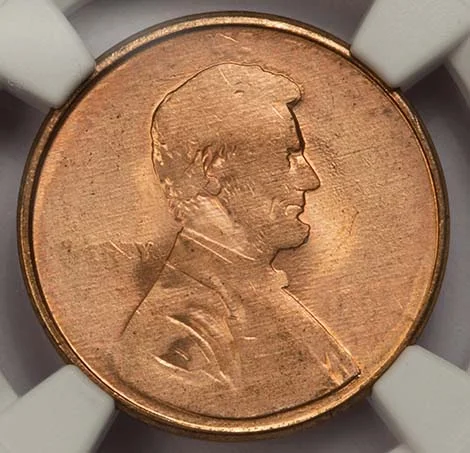
Key characteristics of grease fills:
- Smooth, depressed areas where design detail is missing
- The affected area has a consistent, uniform appearance
- Edges of the affected area blend gradually into the normal design
- Most commonly affects inscriptions and fine design details
- The famous 2005 Kansas "In God We Rust" quarter is a grease-filled die error — the T in TRUST was filled with grease
Foreign Object Struck-Throughs
When something other than grease gets between the die and planchet, the results can be dramatic. Common foreign objects include cloth fibers, wire, staples, and metal fragments from other coins or machinery.
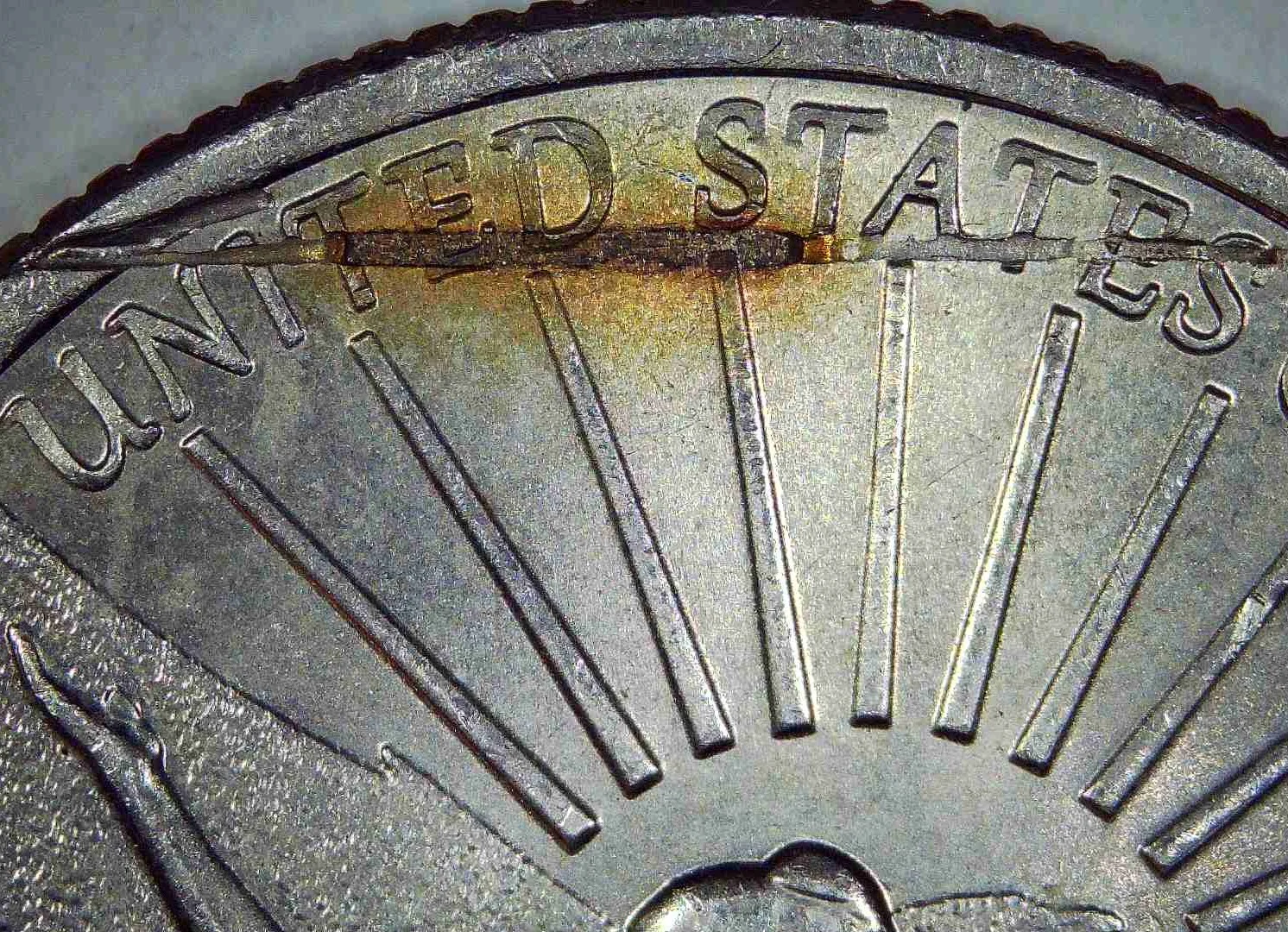
Foreign object struck-throughs often leave an impression of the object itself — you may see the texture of cloth, the outline of a wire, or the impression of another coin's design element.
How to Distinguish from Post-Mint Damage
This is the critical skill. Post-mint damage (PMD) can create areas of missing detail that look superficially similar to struck-through errors. Here's how to tell them apart:
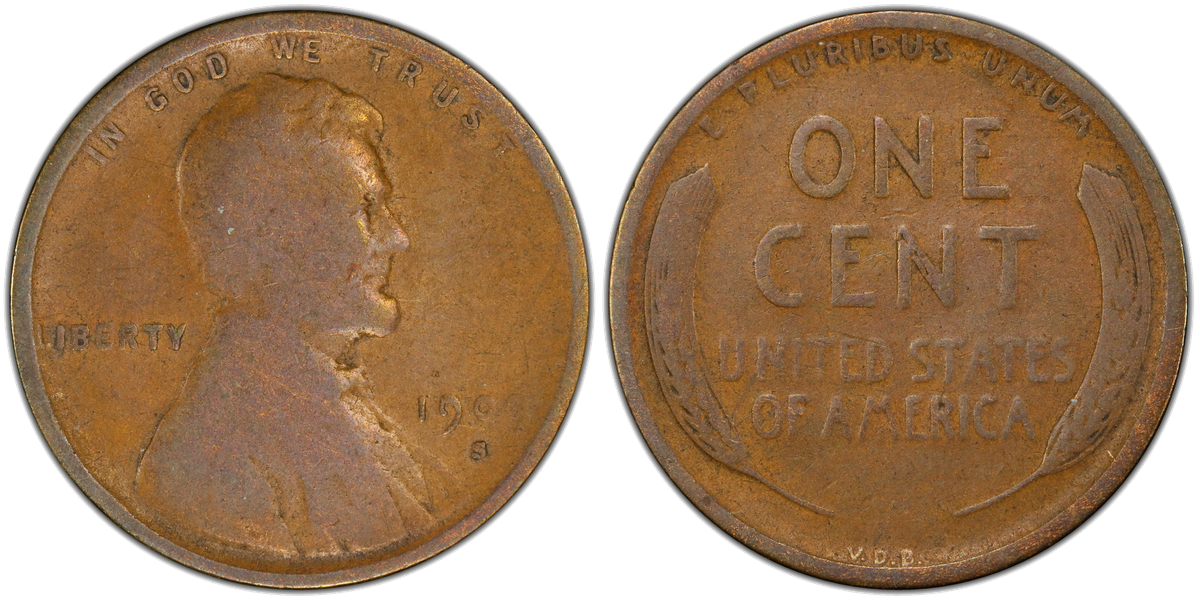
Genuine struck-through (valuable):
- The affected area is depressed below the normal surface
- Surrounding design elements are undisturbed — they flow normally up to the edge of the affected area
- The surface within the affected area is smooth (grease) or shows the texture of the foreign object
- No scratches, tool marks, or displaced metal around the edges
Post-mint damage (no premium):
- Evidence of displaced metal — pushed, scraped, or scratched material at the edges
- Scratches or tool marks visible in or around the affected area
- The surrounding design elements show disturbance or damage
- Often accompanied by other signs of damage elsewhere on the coin
Explore struck-through varieties in the NumisDex catalog.
0 Replies
Related Threads
- 50c-1976-D-reverse RIDB?0 replies · 1w ago
- Vending Machine, Counting Machine, and Crimper Damage on Coins2 replies · 3w ago
- PMD Vocabulary: Scratches, Gouges, and Damage Every Collector Should Recognize0 replies · 3mo ago
- My Coin Looks Melted or Blobby — Die Error or Acid Damage?0 replies · 3mo ago
- Tall Rim or Thick Edge on Your Coin: Mint Error or Post-Mint Damage?0 replies · 3mo ago