
In the catalog: Morgan Dollars 1878-1921, Peace Dollars 1921-1935, 1904 Morgan Dollar, 1921 Morgan Dollar, 1921 Peace Dollar, 1928 Peace Dollar and 1934 Peace Dollar
The Pittman Act: The Meltdown That Gave Us the Peace Dollar
In 1918, the United States melted roughly 270 million of its own silver dollars on purpose. It sounds like vandalism. It was actually a wartime rescue — and it is the reason the Peace dollar exists.
Why America Melted Its Silver Dollars
By 1918, World War I had put silver under enormous strain. In India, where British paper currency was meant to be redeemable in silver, Germany spread rumors that Britain did not have the silver to redeem it. The rumors — plus hoarding — drove silver prices up and threatened Britain's financial footing and its war effort.
The United States stepped in. On April 23, 1918, the Pittman Act became law. It authorized the Treasury to "melt or break up and to sell as bullion not in excess of three hundred and fifty million standard silver dollars," at a price "not less than $1 per ounce of silver." Most of the silver went to Britain.
270 Million Morgan Dollars
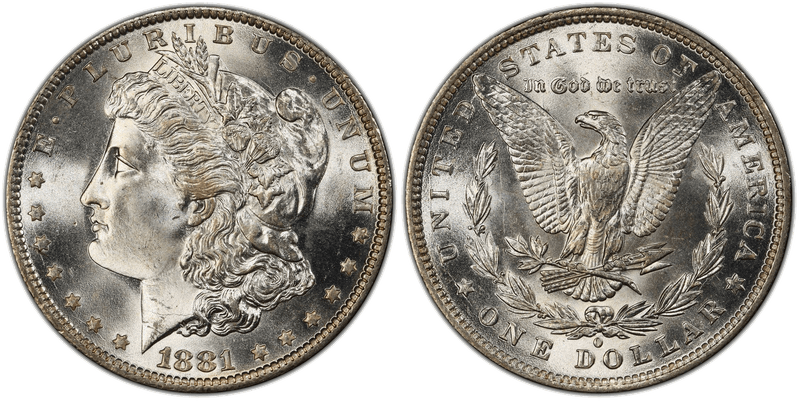
The 350 million figure was a ceiling, not the total. In 1918 and 1919, about 270 million silver dollars (270,232,722) were actually melted — overwhelmingly Morgan dollars, the silver dollar of the era. Of those, 259,121,554 were sold to Britain as bullion and the rest went into subsidiary silver coinage.
The Catch: Every Dollar Had to Be Replaced
Here is the part most people miss. The Pittman Act did not just authorize melting — it required re-coinage. The Mint had to "coin an aggregate number of standard silver dollars equal to the aggregate number...melted." Every silver dollar destroyed had to be struck again.
1921: The Morgan Returns, Then the Peace Dollar
The Morgan dollar had not been struck since 1904. The re-coinage requirement brought it back in 1921, after a 17-year gap.
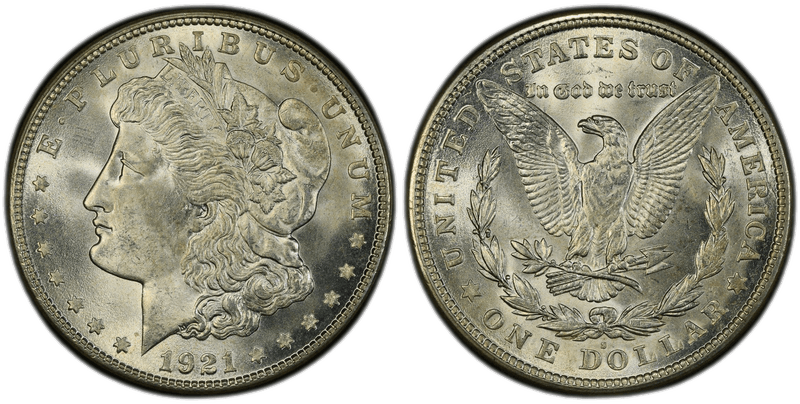
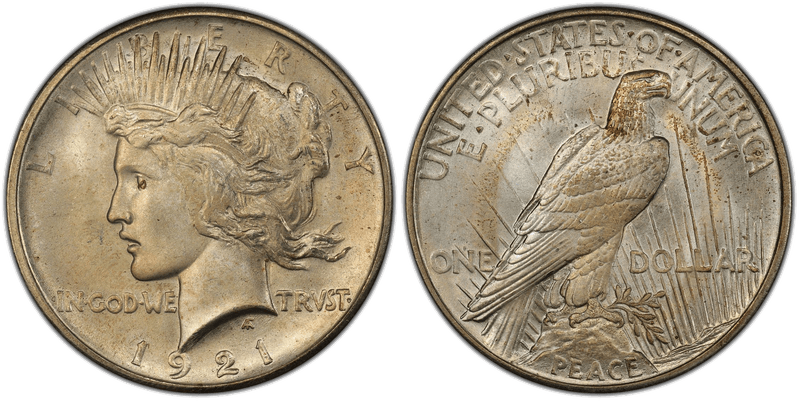
But the moment also opened a door. Later in 1921, a brand-new design — the Peace dollar, created to mark peace after the war — replaced the Morgan. The remaining re-coinage was carried out in the new design, running through 1928.
The Takeaway
A wartime decision to destroy 270 million silver dollars is, paradoxically, why we have the Peace dollar at all. The Act's re-coinage mandate revived the Morgan for one last year and then handed the stage to a design made to mark the end of a war.
Browse the complete Morgan dollar and Peace dollar series on NumisDex.
Primary source: the Pittman Act of 1918 (U.S. Statutes at Large, Ch. 63).
0 Replies
Related Threads
- The $2.50 Coin Is Coming Back: What Collectors Need to Know About HR 56160 replies · 4mo ago
- The End of the Penny: What HR 4459 (MINT Act) Means for Collectors0 replies · 4mo ago
- What Is the CCAC? How America's Coin Designs Get Chosen0 replies · 4mo ago
- The Last Penny: US Mint Ends 232 Years of Cent Production on November 12, 20250 replies · 4mo ago