
1972 Doubled Die Obverse WDDO-003
Error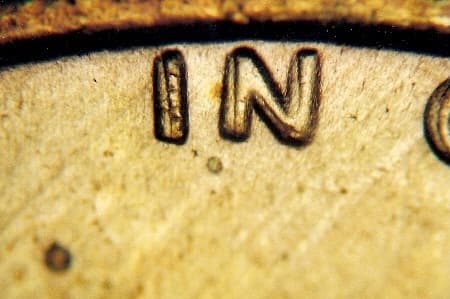
Description
Holding the extraordinary distinction of being documented across seven obverse die stages (A through G) and seven reverse die stages (A through G), WDDO-003 represents the most extensively documented die life record among all 1972 Philadelphia doubled dies — and one of the most thoroughly mapped die progressions in all of American numismatics. A nice Class I clockwise (CW) spread shows on the letters of LIBERTY, IN GOD WE TRUST, the front of the bust, and the date. Originally thought to be as many as three different working dies when early specimens showed dramatically different die marker profiles, patient attribution work by the Wexler team eventually connected all known specimens into a single die's progressive deterioration history as more specimens were found and intermediate die states filled in the gaps between what had appeared to be separate varieties. This remarkable unification demonstrates a fundamental principle of die variety research: what appears at first to be multiple dies may prove to be a single die documented at widely separated points in its production life, with the intervening states unknown until bridging specimens surface. Obverse Stage A represents the die's earliest known state, with the sharpest and most clearly defined doubling and minimal die deterioration — the premium state for collectors seeking the variety at its visual best. Obverse Stage B shows the first signs of wear progression, with doubling still strong but die markers beginning to evolve as the metal surface responds to millions of striking impacts. Obverse Stage C marks the transition into mid-life deterioration, where some original markers from Stages A and B have weakened or disappeared while new features — die scratches from polishing attempts, incipient cracks, flow-line changes — begin to appear. Obverse Stage D shows further progression into the die's declining period, with doubling that has begun to take on a mushier quality as the die surface itself deteriorates and the sharp edges of the doubled images erode under continued use. Obverse Stage E through Stage G document the die's final production phases, with progressively degraded doubling visibility, accumulated die cracks, advanced surface deterioration, and the eventual exhaustion that prompted retirement from service. Each reverse stage (A through G) similarly records the companion reverse die's parallel journey from its fresh initial state through progressive deterioration to final exhaustion. The seven obverse stages paired with seven reverse stages create a theoretical matrix of forty-nine possible stage combinations — though in practice, certain obverse/reverse pairings may never have occurred if die swaps happened at specific intervals during production. Collectors pursuing comprehensive WDDO-003 documentation seek specimens representing as many confirmed stage combinations as possible, building a visual timeline of how this specific die pair evolved through its working life. Early-stage specimens (Obverse A/Reverse A) command the strongest premiums due to the sharpest doubling and cleanest die surfaces, while mid-range stages offer the most attainable examples for collectors entering the variety at moderate price points. Late-stage specimens (Obverse F-G/Reverse F-G), while showing the weakest doubling, provide their own fascination as records of a die at the very end of its usable life — coins struck in the final hours before the die was pulled from service. Cross-referenced as CONECA 3-O-I, Cherrypickers' Guide FS-01-1972-103 (033.53), Crawford CDDO-003, and Coppercoins 1972P-1DO-003. The WDDO-003 story illustrates why die variety attribution is both science and detective work: what began as a confusing collection of seemingly different dies resolved into one of the most complete die life histories ever assembled, demonstrating that persistence in die study can transform apparent complexity into elegant understanding of a single die's complete production biography. A die gouge protrudes from the bottom of the bust just below the B in the designer’s initials. A short die gouge protrudes from the rim just below the front point of the bust. Obverse Stage B: Two parallel die scratches run east to west between the lower E of WE and the 1st T of TRUST. A long die scratch runs east to west below the letters of LIBERTY. Several die scratches run east to west in the field behind Lincoln’s head and in the field to the right of his forehead. A die clash mark can be found north of the 9 in the date. The two parallel die scratches running east to west between the lower E of WE and the 1st T of TRUST are very weak. A strong die scratch runs north to south just to the right of Lincoln’s head and left of his ear. Obverse Stage G: The obverse die has been heavily abraded as the result of another die clash. A die clash mark can be seen connecting the upper 9 and 7 in the date. Reverse Stage A: A small die gouge can be found to the right of the top of the G in the designer’s initials. A small die gouge appears below the right end of the Memorial. A small die gouge is centered between the bottoms of the E of ONE and the C of CENT. Several die scratches run east to west above the right end of the roof of the Memorial. A die clash mark can be seen above the right roof of the Memorial.
Attribution History
- Discovered by John A. Wexler Cross References: CONECA: 3-O-I, Cherrypickers: FS-01-1972-103 (033.53), Crawford: CDDO-003, Coppercoins: 1972P-1DO-003 Comments: When the 1972 Lincoln cent doubled dies were first being reported and listed, the various stages of this variety were thought to be as many as three different working dies. As more specimens were found, the
- CONECA: 3-O-I, Cherrypickers: FS-01-1972-103 (033.53), Crawford: CDDO-003, Coppercoins: 1972P-1DO-003 Comments: When the 1972 Lincoln cent doubled dies were first being reported and listed, the various stages of this variety were thought to be as many as three different working dies. As more specimens were found, the; Wexler Variety ID: 1972 1¢ WDDO-003
- Expert attribution by Wexler Team
External References
Community & Reference
Related Errors

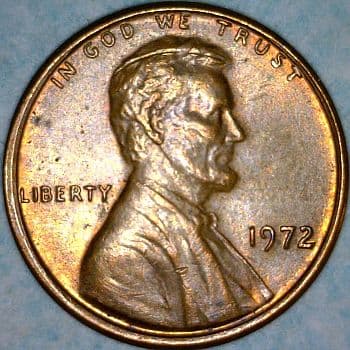
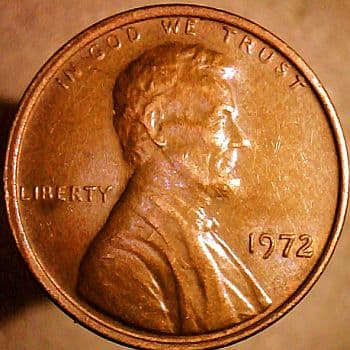

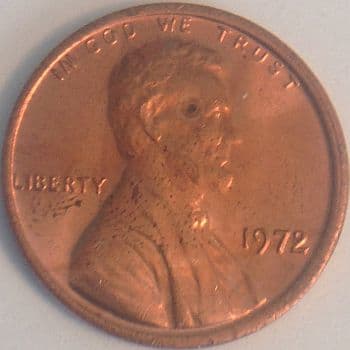
More Doubled Die Obverse Errors
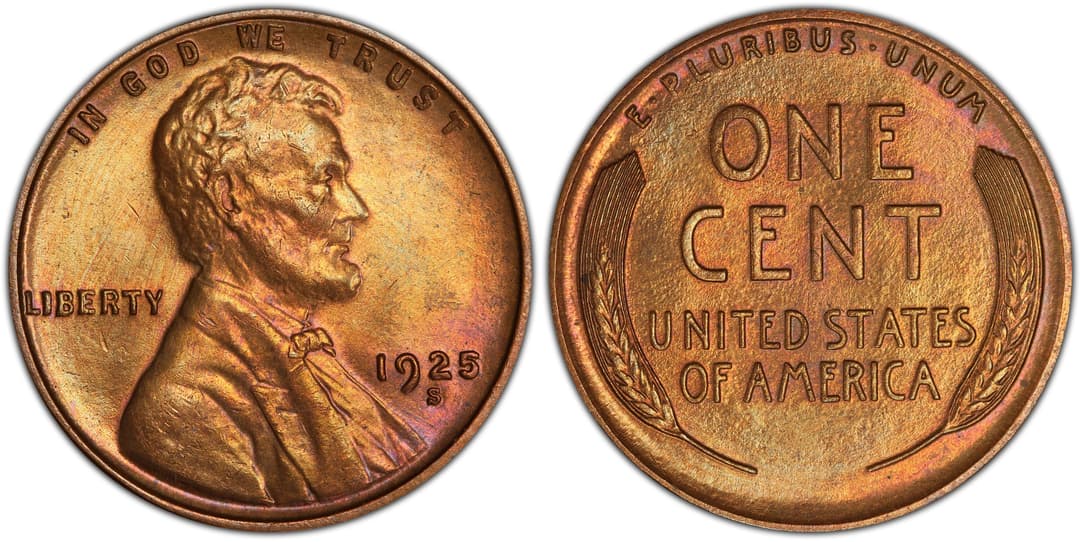
1925-S Doubled Die Obverse DDO-001
Doubled Die Obverse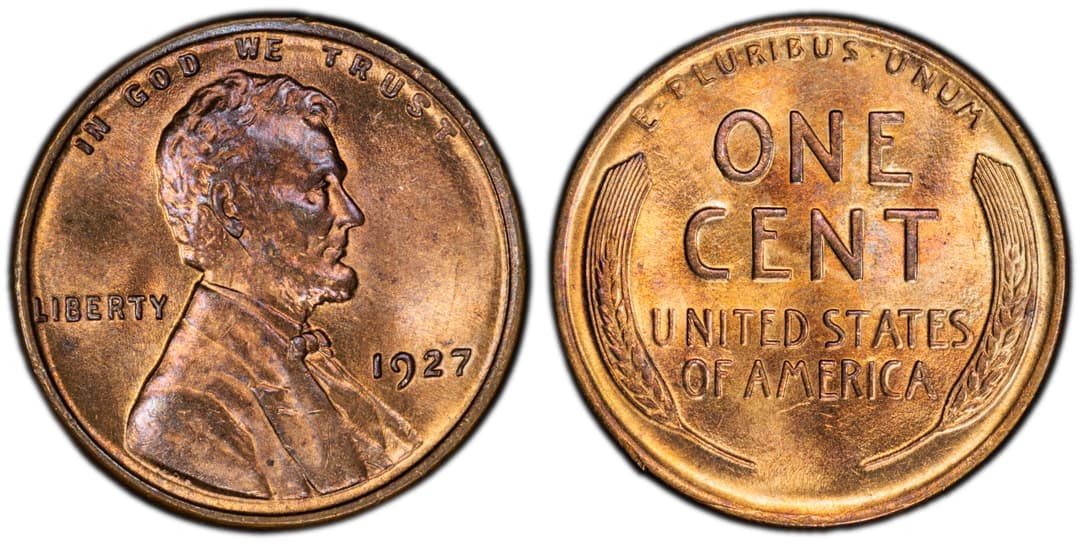
1927 Doubled Die Obverse DDO-001
Doubled Die Obverse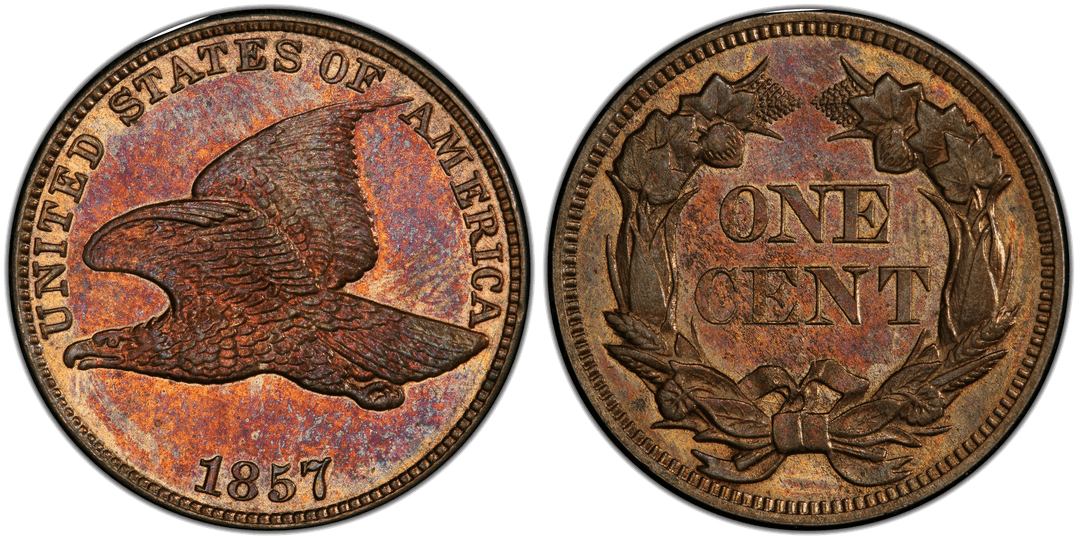
1857 Proof Flying Eagle Cent Doubled Die Obverse FS-401 Snow-5
Doubled Die Obverse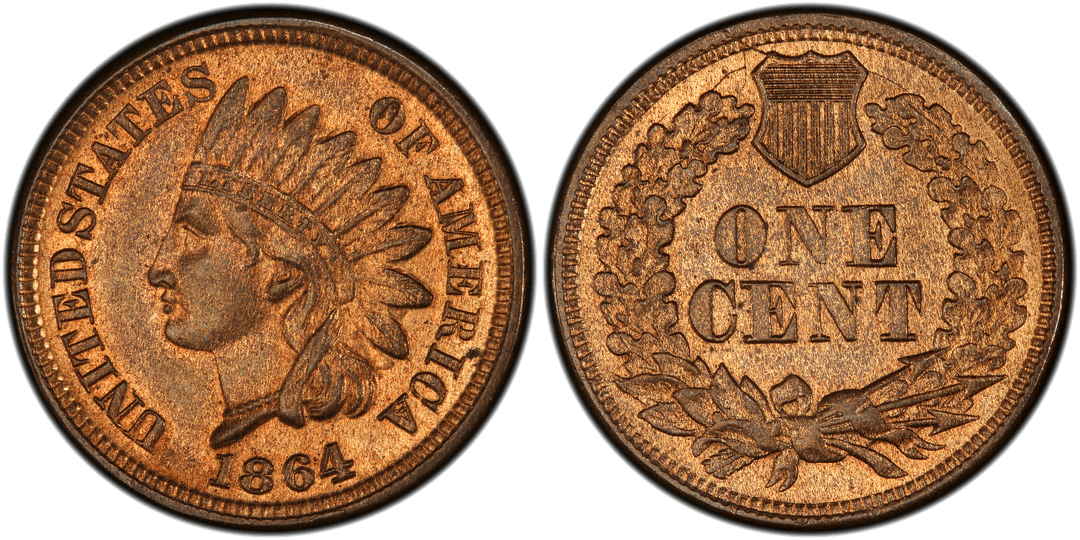
1864 Indian Head Cent (Bronze No L) Doubled Die Obverse FS-1101 Snow-4
Doubled Die Obverse
1866 Indian Head Cent Doubled Die Obverse FS-101 Snow-1
Doubled Die ObverseCollector Essentials
Tools for examining and preserving error coins and die varieties.
10x-20x Jeweler's Loupe
Essential for examining die varieties, doubled dies, and RPMs
Cherry Picker's Guide
The definitive reference for U.S. error coins and die varieties
2x2 Coin Flips & Holders
Protect and organize your finds with archival-quality holders
USB Digital Microscope
Capture detailed images for documentation and community submissions
As an Amazon Associate, NumisDex earns from qualifying purchases.