
1921 (S) Lincoln Wheat Cent - IAM 001
Error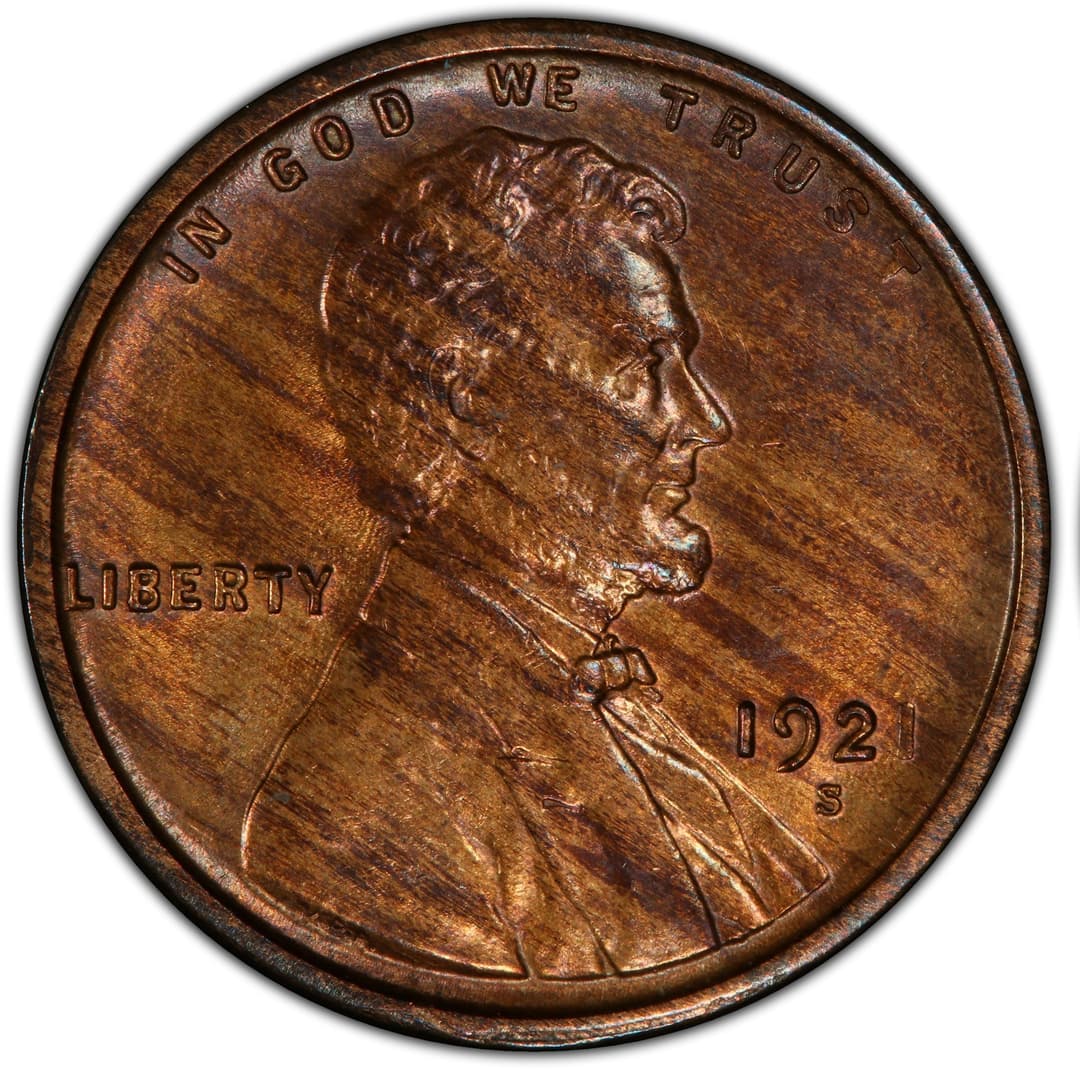
Community Voting
This listing needs 10.0 weighted votes to advance to community review.
Description
First documented improper alloy mix variety for the 1921 San Francisco Lincoln wheat cent, IAM 001 records an anomalous metallic composition in the planchet used to strike this coin — a manufacturing defect that occurs before the striking process when planchet stock of incorrect or inconsistent chemical composition enters the coining supply chain. Improper alloy mix varieties differ fundamentally from die varieties: while doubled dies, repunched mintmarks, and die breaks originate from defects in the striking dies, alloy mix errors arise from inconsistencies in the raw metal preparation that precedes blanking, annealing, and striking. The standard Lincoln wheat cent composition during this period was 95% copper and 5% tin and zinc (bronze), and an improper alloy mix would manifest as a coin with visually or chemically distinguishable deviation from this standard — potentially appearing as an unusual color, altered surface luster, or different weight compared to normal specimens. San Francisco struck approximately 39.16 million cents in 1921, with Victor David Brenner's Lincoln portrait on the obverse and the wheat ear reverse that would continue through 1958. The IAM designation within the error taxonomy identifies this as a planchet-origin defect rather than a die-origin variety, placing it in a category alongside wrong planchet errors, off-center strikes, and other pre-strike or striking anomalies. Improper alloy mix errors are among the more challenging varieties to authenticate because the compositional variation may be subtle and requires comparison against known normal specimens — in some cases, XRF (X-ray fluorescence) analysis provides definitive compositional data that confirms the alloy deviation. Collectors should look for unusual coloration, weight variance, or surface characteristics inconsistent with standard bronze composition.
Community & Reference
Related Errors
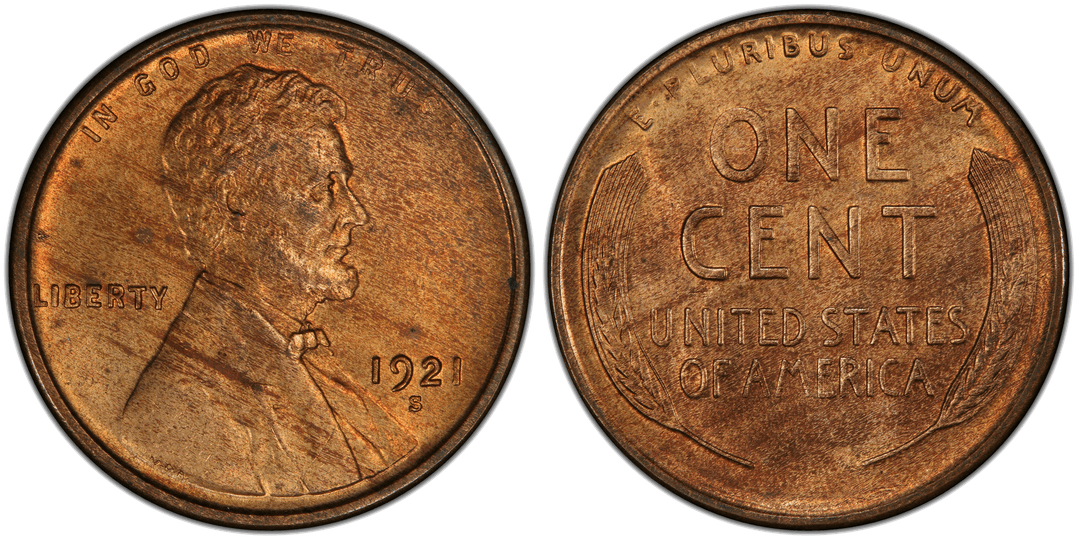

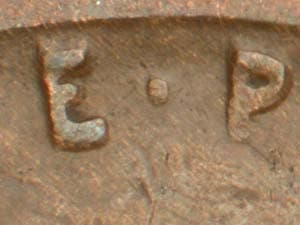
More Improper Alloy Mix Errors
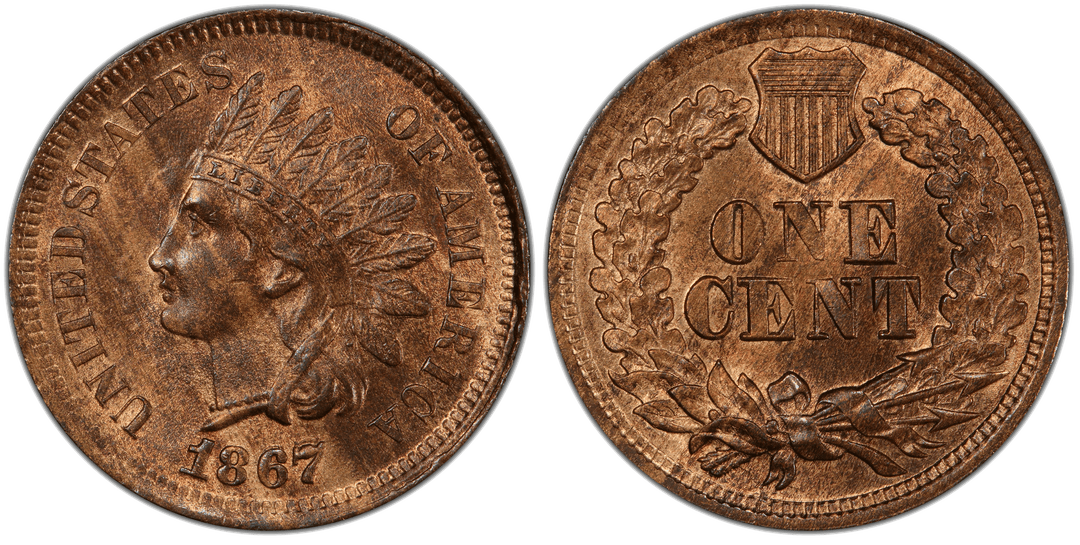
1867/67 Indian Head Cent Improper Alloy Mix (Woodgrain)
Improper Alloy Mix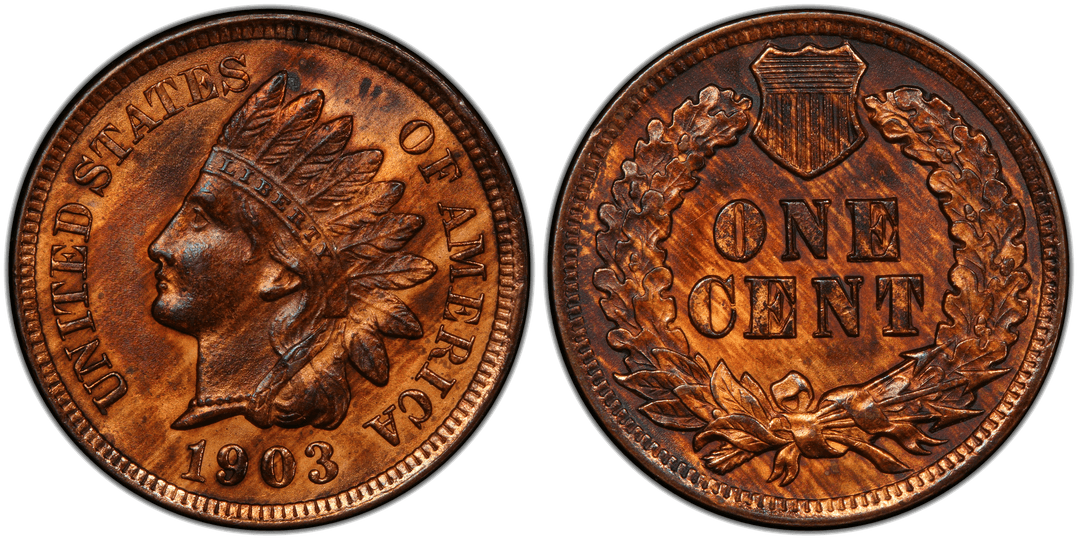
1903 Indian Head Cent Improper Alloy Mix
Improper Alloy Mix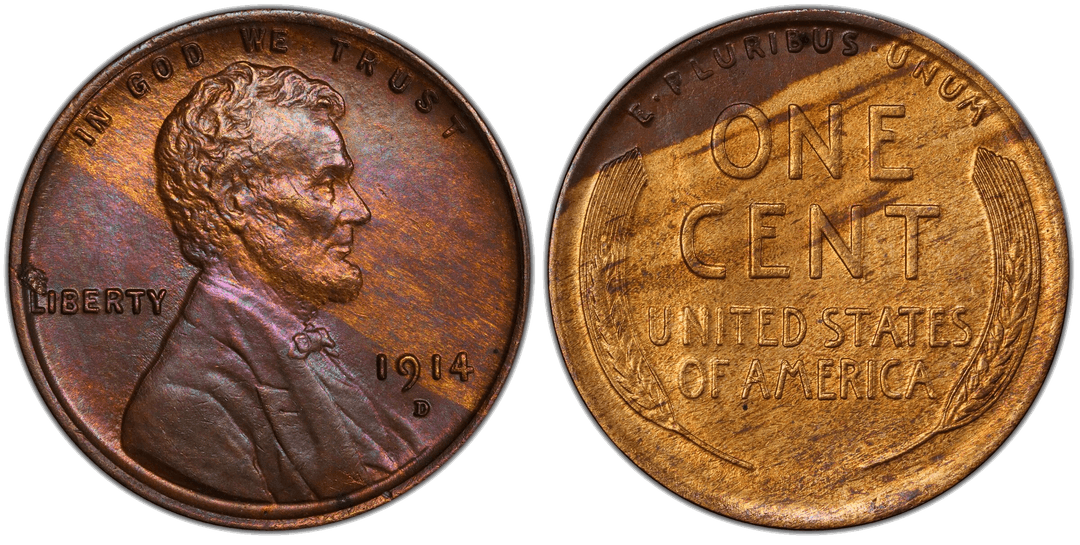
1914 (D) Lincoln Wheat Cent Improper Alloy Mix
Improper Alloy Mix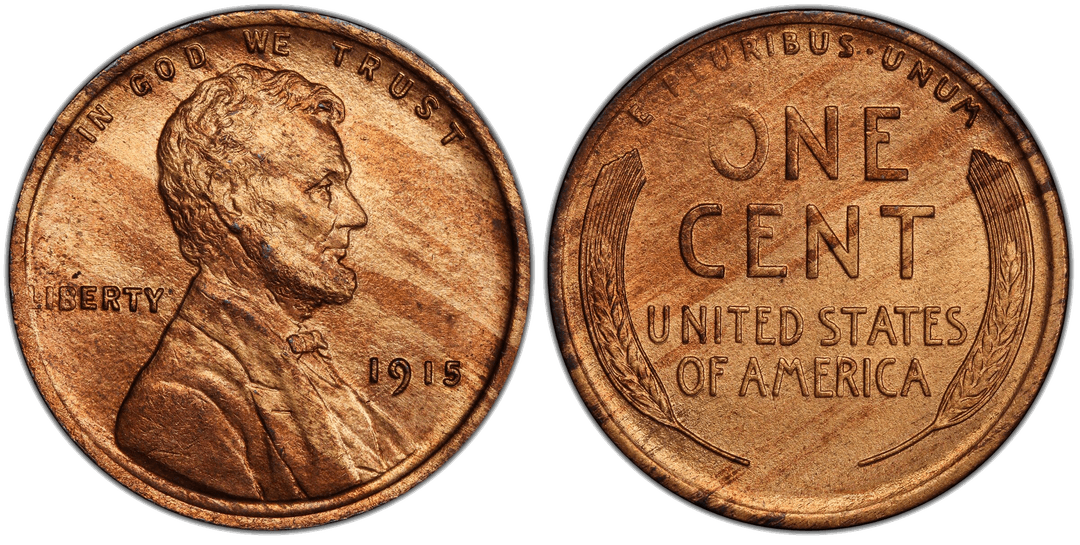
1915 Lincoln Wheat Cent Improper Alloy Mix
Improper Alloy Mix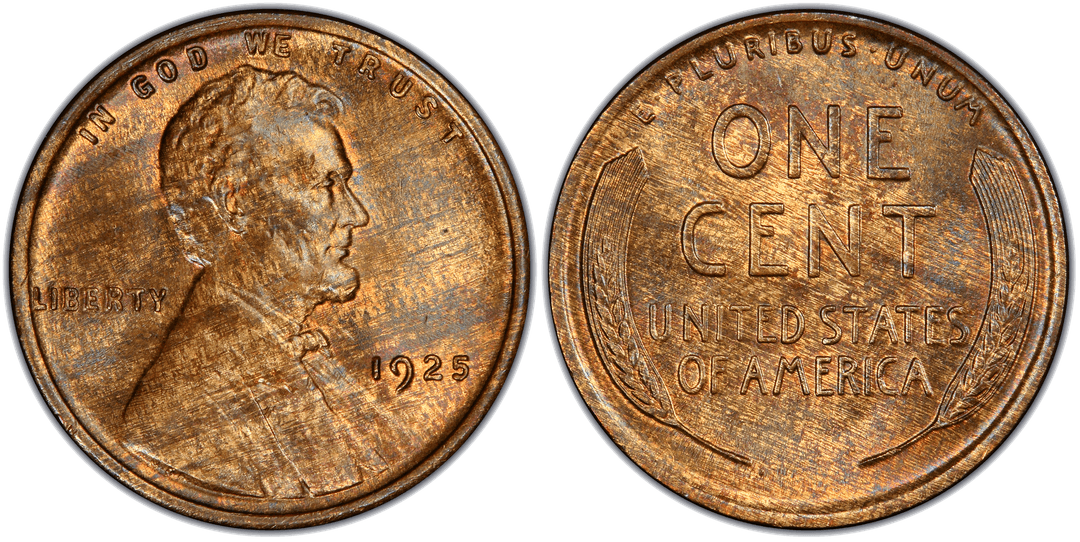
1925 Lincoln Wheat Cent Improper Alloy Mix
Improper Alloy MixCollector Essentials
Tools for examining and preserving error coins and die varieties.
10x-20x Jeweler's Loupe
Essential for examining die varieties, doubled dies, and RPMs
Cherry Picker's Guide
The definitive reference for U.S. error coins and die varieties
2x2 Coin Flips & Holders
Protect and organize your finds with archival-quality holders
USB Digital Microscope
Capture detailed images for documentation and community submissions
As an Amazon Associate, NumisDex earns from qualifying purchases.