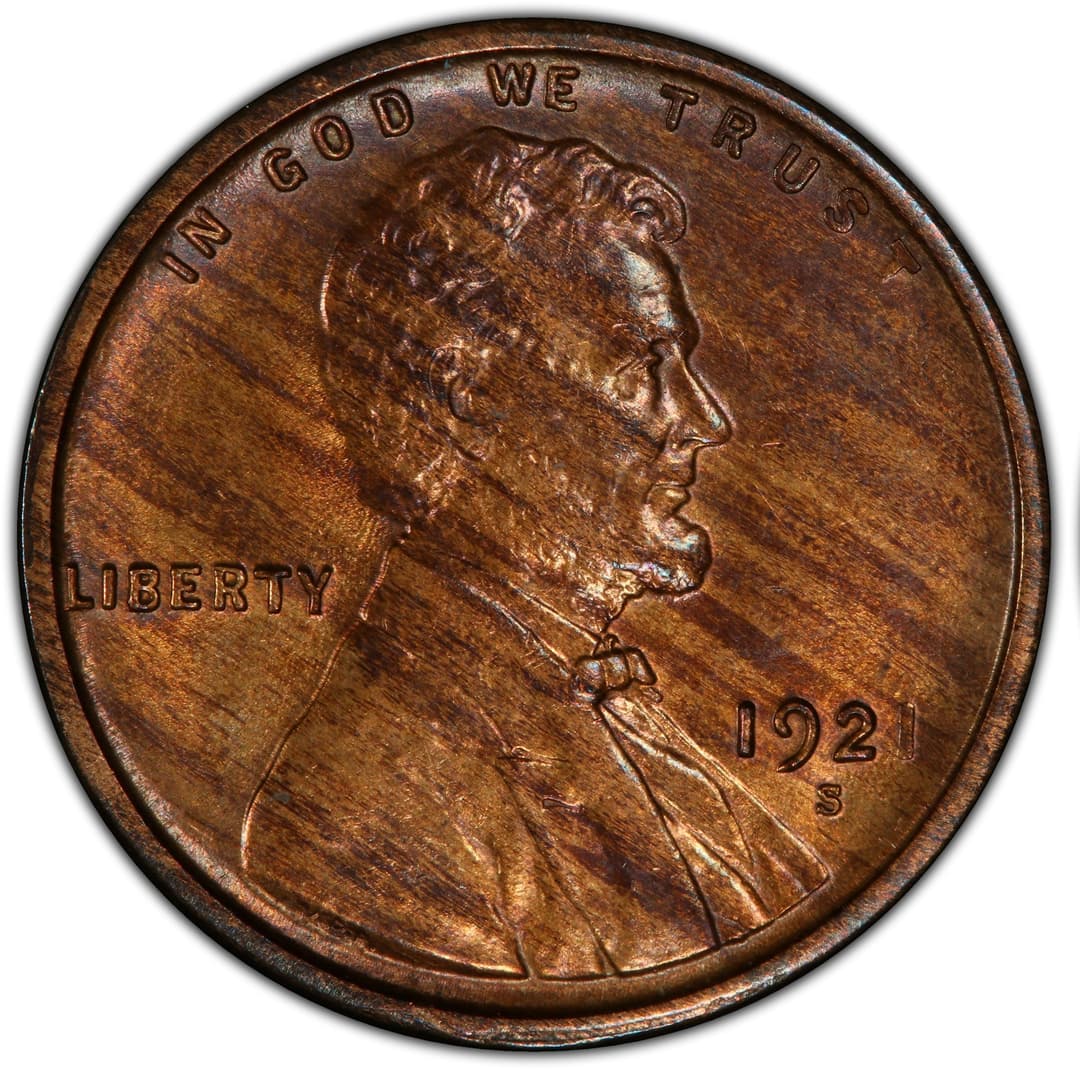
Improper Alloy Mix (IAM)
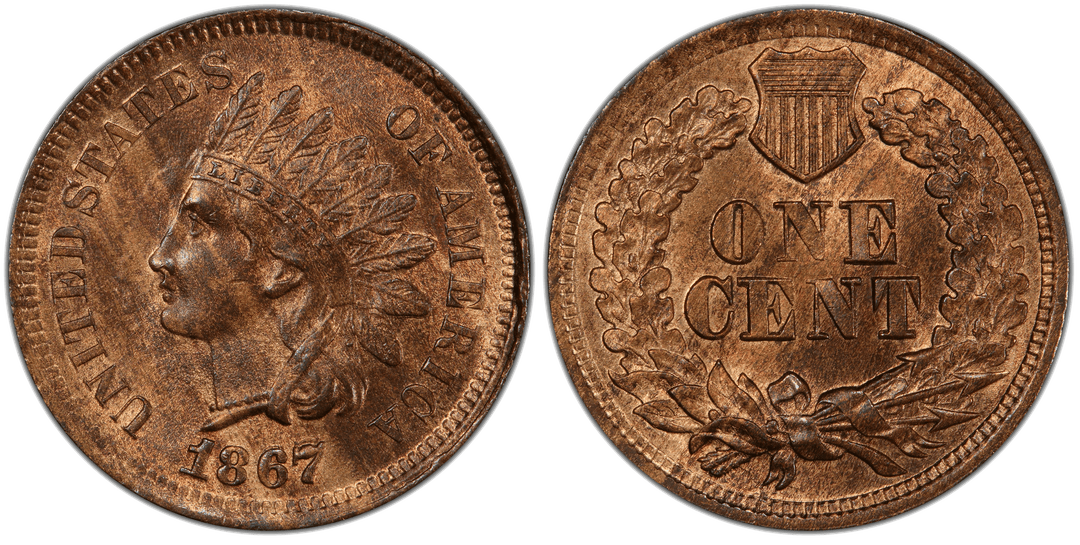
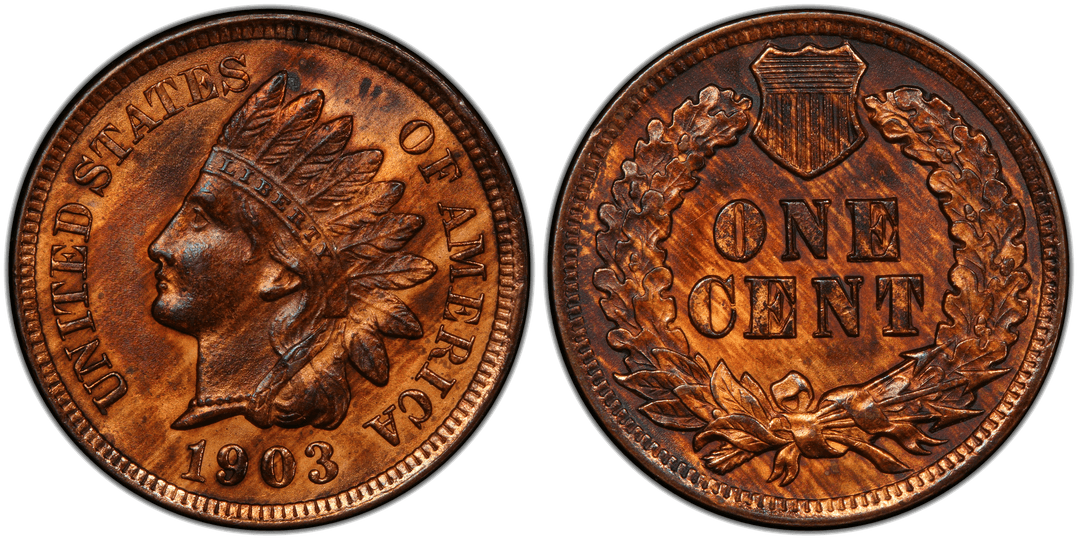
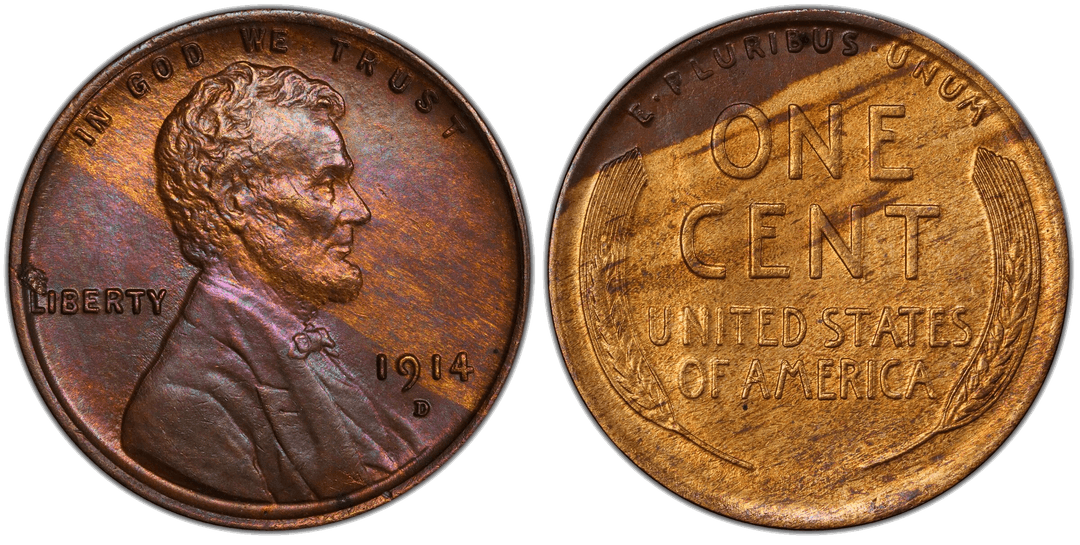
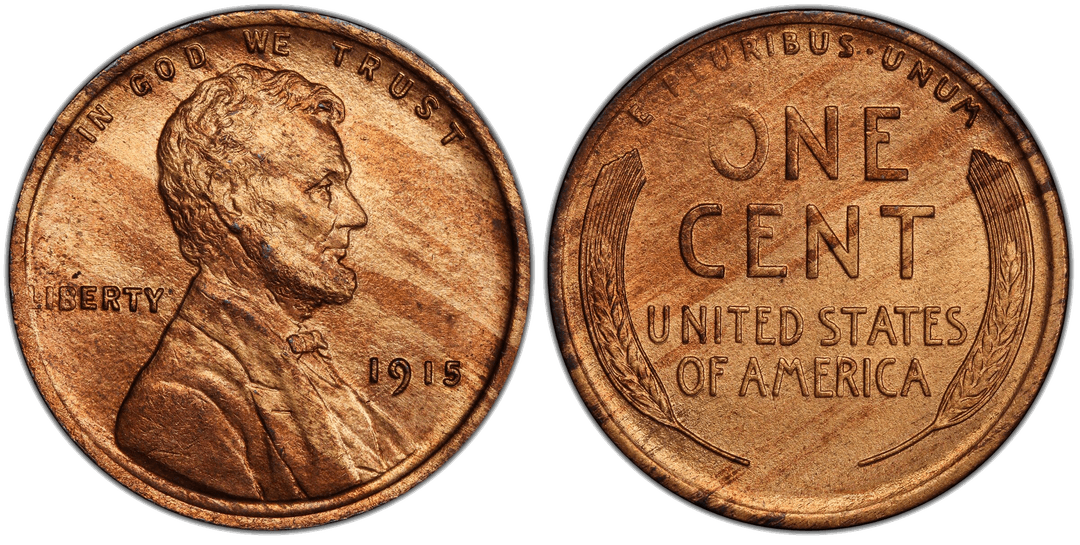
An Improper Alloy Mix error occurs when the metal composition of a coin's planchet deviates from the intended specification. The alloy components were not properly blended during the melting and casting process, resulting in a heterogeneous distribution of metals within the planchet. These coins display unusual coloration, visible streaking, and uneven toning patterns that differ from normal examples. Collectors commonly call these coins "woodies" because the alternating light and dark streaks from unevenly mixed metals create a distinctive wood-grain pattern on the coin's surface. The anomaly runs through the full thickness of the metal, distinguishing it from surface-level environmental effects.
How Does It Happen?
U.S. coin production begins long before the striking process. The Mint purchases metal strip from commercial suppliers (and historically produced its own strip in-house). Creating coin strip involves melting the component metals together, casting the molten alloy into ingots, and rolling those ingots into strip of the correct thickness.
Each denomination has a precise alloy specification. For example, modern Lincoln cents use copper-plated zinc (97.5% zinc, 2.5% copper), while pre-1982 cents were 95% copper and 5% zinc. Jefferson nickels are 75% copper and 25% nickel. These ratios must be exact for the coins to meet weight, color, and striking specifications.
Improper alloy mix errors arise at several points in this metallurgical chain:
- Incorrect proportions: The component metals are weighed and added to the melt in the wrong ratio. Too much of one element changes the alloy's color, hardness, and striking characteristics.
- Incomplete mixing: Even with the correct proportions, the molten metal must be thoroughly stirred and homogenized. If the melt is poured before complete mixing, the resulting ingot contains pockets of concentrated metal -- copper-rich zones and copper-poor zones distributed unevenly through the material.
- Contamination: Foreign metal enters the melt from equipment residue, misidentified stock, or scrap metal that contains unexpected elements. Even small percentages of a contaminant can alter the alloy's properties.
- Improper temperature control: Alloy components have different melting points and densities. If the melt temperature is not maintained correctly during the blending process, heavier elements can settle and lighter elements can rise, creating stratification in the ingot.
When the improperly mixed ingot is rolled into strip and punched into blanks, the resulting planchets carry the alloy inconsistency through every step of the process. The error is baked into the metal itself.
How to Identify an Improper Alloy Mix
Improper alloy mix coins have characteristics that distinguish them from other color anomalies:
- "Woody" or "woodgrain" streaking: The signature presentation is alternating light and dark streaks running across the coin's surface, following the direction the metal was rolled during strip production. The lighter bands are enriched in zinc or tin, while the darker bands are copper-rich. This wood-grain pattern is the hallmark of improper alloy mix errors and gives the coins their "woody" nickname.
- Unusual base color: The overall color of the coin differs from normal examples. A copper coin with too much zinc appears paler or more yellowish (brassy). A nickel-clad coin with excess copper shows a warmer, slightly pinkish tone.
- Through-the-metal consistency: The color anomaly is not superficial. If the coin has any wear, the same unusual coloration is visible at every depth. This is the critical distinction from environmental toning, which affects only the surface.
- Weight within tolerance: Despite the color difference, improperly mixed coins typically weigh within the normal tolerance range because the total amount of metal is correct -- only the proportions are wrong.
- Normal design detail: The design is struck normally. The alloy mix does not affect die-to-planchet transfer unless the mix is so far off specification that it changes the metal's hardness (in which case, improper annealing symptoms may also appear).
Improper Alloy Mix vs. Environmental Damage
The most common misattribution is confusing environmental toning or chemical exposure with a genuine alloy error. Here is how to distinguish them:
| Feature | Improper Alloy Mix | Environmental Damage |
|---|---|---|
| Depth of color | Through the full metal thickness | Surface only -- wears off with abrasion |
| Pattern | Streaks following rolling direction | Random splotches, fingerprints, halos |
| Consistency | Same anomaly on both sides | Often affects only one side or localized areas |
| Edge examination | Edge color matches surface anomaly | Edge shows normal alloy color beneath toning |
| Acetone test | No change (color is in the metal) | Toning or residue is sometimes removed |
Notable Examples
Copper-Zinc Streaked Lincoln Cents
Pre-1982 Lincoln cents (95% copper, 5% zinc) are the most common denomination to show improper alloy mix errors. Streaked cents with visible bands of copper-rich and zinc-rich metal appear regularly in mint sets and uncirculated rolls. The streaking follows the strip rolling direction and is immediately visible to the unaided eye.
"Woodgrain" Toned Cents
A subset of improper alloy mix cents develops a distinctive wood-grain pattern when the heterogeneous metals tone at different rates. The copper-rich and zinc-rich bands oxidize differently, creating alternating stripes of brown and gold that intensify over time. Collectors specifically seek these "woodgrain" specimens for their visual appeal.
War Nickel Alloy Variations (1942-1945)
During World War II, the Mint struck Jefferson nickels in a 56% copper, 35% silver, 9% manganese alloy to conserve nickel for the war effort. The wartime alloy was more difficult to mix consistently than the standard copper-nickel composition, and alloy mix variations from this period are well documented. Some war nickels show distinctly uneven coloration attributable to inconsistent silver distribution.
Sacagawea Dollar Color Variations
The manganese-brass cladding of Sacagawea and Native American dollars (77% copper, 12% zinc, 7% manganese, 4% nickel) has produced notable alloy mix variations. Some specimens show significantly different golden hues -- from pale straw yellow to deep amber -- that go beyond normal die-state variation and indicate inconsistent alloy composition in the strip.
Collecting Tips
- Eye appeal is paramount: Unlike most error types where the dramatic severity drives value, improper alloy mix coins are valued primarily on visual impact. A coin with bold, attractive streaking is worth more than one with subtle, hard-to-see variation.
- Certification establishes authenticity: Because alloy mix errors can resemble environmental damage, third-party grading from PCGS or NGC adds significant credibility. A certified coin labeled "Improper Alloy Mix" carries more market confidence than a raw coin with the same characteristic.
- Copper coins are the entry point: Lincoln cents with alloy streaking are affordable and readily available, making them an excellent starting point. Look through uncirculated rolls and mint sets for specimens with visible color banding.
- Higher denominations carry premiums: Alloy mix errors on nickels, dimes, quarters, and dollars are progressively scarcer and more valuable because the Mint's alloy quality control is more stringent for these denominations.
- Combine with other diagnostics: If a coin shows unusual color, examine the edge. A genuine alloy mix error shows the same color variation on the edge cross-section. Surface-only discoloration is environmental, not an alloy error.
- Preserve the surfaces: Do not clean improper alloy mix coins. The natural toning that develops on heterogeneous alloys often enhances the visual contrast between different metal concentrations, increasing eye appeal over time.
Related Error Types
- Improper Annealing (IAN) -- Heat treatment error that also affects surface appearance and metal behavior
- Lamination (LAM) -- Impurities in the metal causing layer separation, sometimes originating from the same alloy production issues
- Missing Cladding (MCL) -- Cladding layer absent, exposing different metal underneath -- a bonding failure rather than a mixing failure
- Wrong Planchet (WPL) -- Coin struck on an entirely different denomination's planchet, which also shows "wrong" metal but from a different cause
- Clipped Planchet (CLP) -- Another planchet-stage error, but mechanical rather than metallurgical