
1944 Steel Cent: Real Transitional Error or Plated 1943?
The 1944 Steel Cent: The Reverse of the 1943 Copper
Just as leftover bronze planchets were accidentally struck with 1943 dies, leftover zinc-coated steel planchets from 1943 production were accidentally struck with 1944-dated dies. The 1944 steel cent is the mirror image of the 1943 copper cent — and it's similarly rare and valuable.
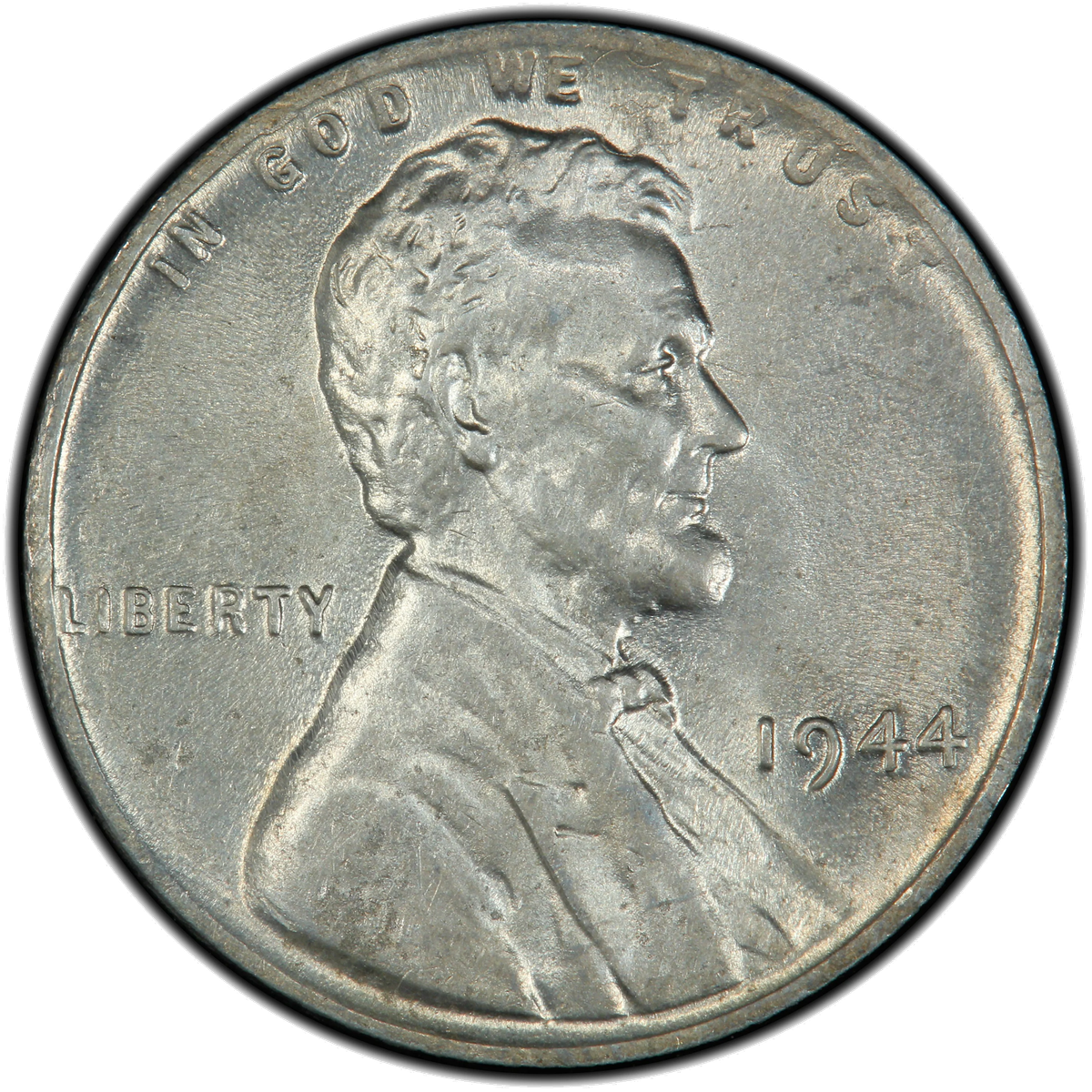
Genuine 1944 steel cent — zinc-coated steel planchet accidentally used with 1944 dies
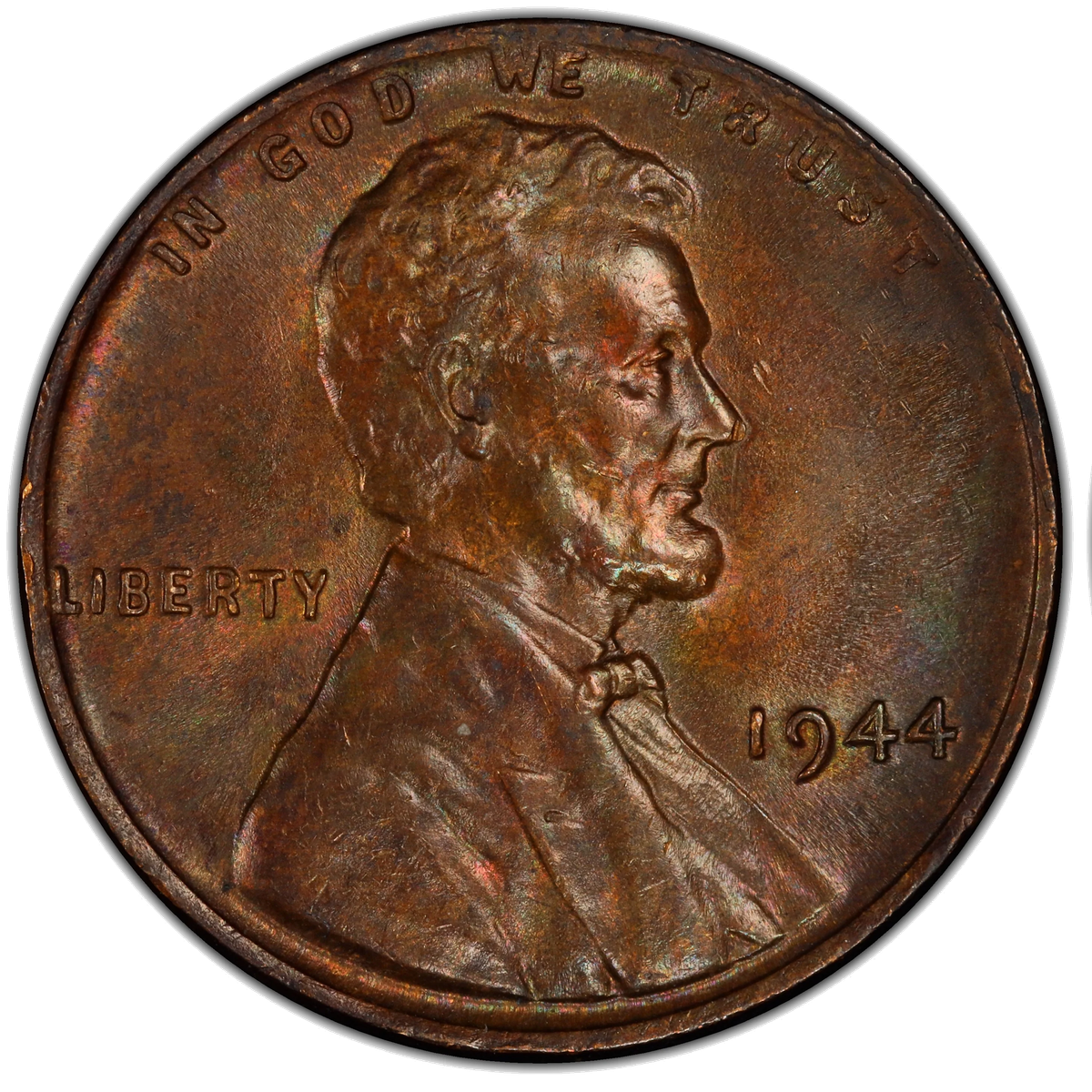
Normal 1944 bronze cent — standard copper-alloy composition for comparison
How to Identify a Potential 1944 Steel Cent
The Magnet Test (in reverse)
For 1944 cents, the magnet test works in the opposite direction from 1943:
- If your 1944 cent sticks to a magnet → it MIGHT be a genuine 1944 steel cent. Normal 1944 cents are bronze and are not magnetic. A magnetic 1944 cent is either a genuine transitional error or an altered 1943 steel cent with the date changed.
- If it does NOT stick to a magnet → it's a normal 1944 bronze cent. Worth one cent to a few dollars depending on condition.
How to Rule Out an Altered 1943
The most common fake is a 1943 steel cent with the last digit altered from 3 to 4. Look for:
- Date examination — Under magnification, check whether the "4" shows signs of tooling, engraving, or added metal. A genuine 1944 has a cleanly struck "4" with no evidence of alteration.
- Die characteristics — The 1943 and 1944 dies had different characteristics. Professional authenticators compare the coin's features against known 1944 die pairings.
- Weight — Both a genuine 1943 steel cent and a genuine 1944 steel cent weigh approximately 2.7 grams, so weight alone cannot distinguish an altered 1943 from a genuine 1944 steel error. Die diagnostics and professional authentication are required.
Rarity and Value
The 1944 steel cent is extremely rare — only a few dozen authenticated examples are known across all three mints, with the 1944-S being the rarest (only two confirmed). Values typically exceed $75,000 for authenticated examples. As with the 1943 copper, professional authentication through PCGS or NGC is absolutely essential. Do not buy or sell ungraded examples for significant money.
0 Replies
Related Threads
- Mirror-Clone Grading Websites: The Newest Counterfeit Scam Targeting Coin Collectors0 replies · 3mo ago
- The Rise of Chinese Counterfeit Coins: What Collectors Need to Know About the Scale of the Problem0 replies · 3mo ago
- Counterfeit Coin Slabs Are Getting Dangerously Good — How to Spot Fake PCGS and NGC Holders in 20260 replies · 3mo ago
- How to Read PCGS and NGC Holders — and Spot a Counterfeit Slab0 replies · 3mo ago
- 1804 Dollar and Other "Too Good to Be True" Coins: How to Recognize Replicas0 replies · 3mo ago