
1804 Dollar and Other "Too Good to Be True" Coins: How to Recognize Replicas
When a Coin Seems Too Valuable to Be Real
Every collector has a fantasy find: discovering a coin worth millions in a junk box or inherited collection. The reality is that certain coins are so rare and so well-documented that finding a genuine example outside of major auction houses or established collections is essentially impossible. Understanding which coins fall into this category — and how to recognize the replicas — protects you from expensive mistakes and disappointment.
The 1804 Dollar: The "King of American Coins"
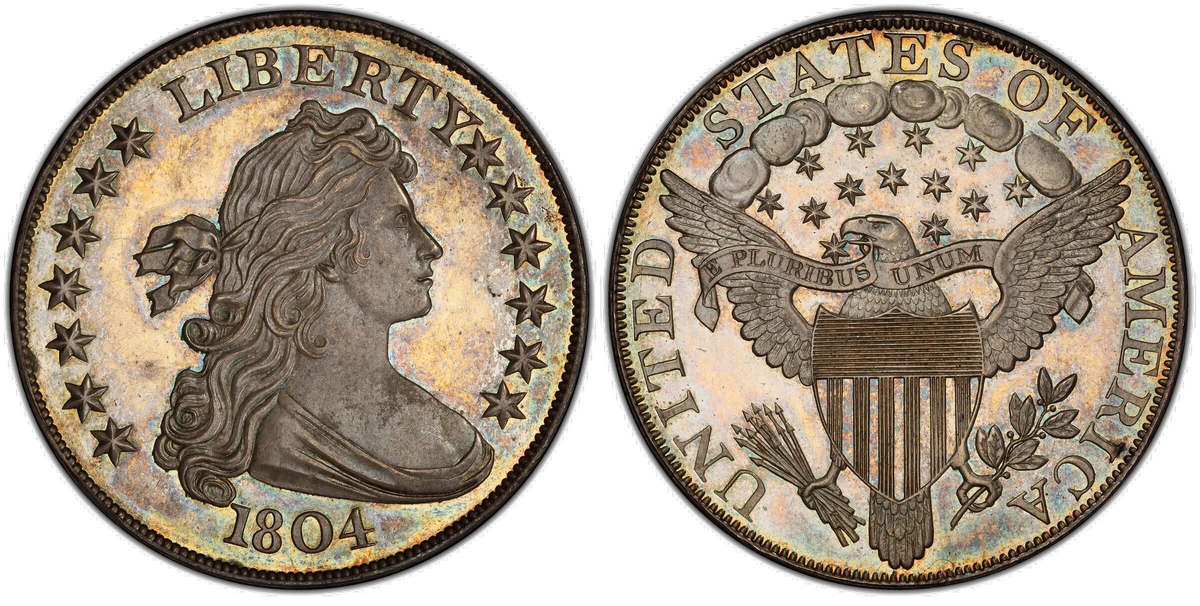
The 1804 Draped Bust dollar is often called the most famous coin in American numismatics. Only 15 genuine examples are known to exist, and every one is accounted for in institutional or private collections. The last public sale brought over $3.8 million.
Despite being dated 1804, these coins were actually struck in the 1830s and 1850s as diplomatic gifts and collector pieces. No silver dollars were actually struck for circulation in 1804 — the Mint used existing dies dated 1803 for the final regular-issue Draped Bust dollars.
If you encounter an 1804 dollar outside of a PCGS or NGC holder with a verifiable certification number, it is a replica or counterfeit. There are no undiscovered genuine examples.
Legitimate Replicas and the COPY Stamp
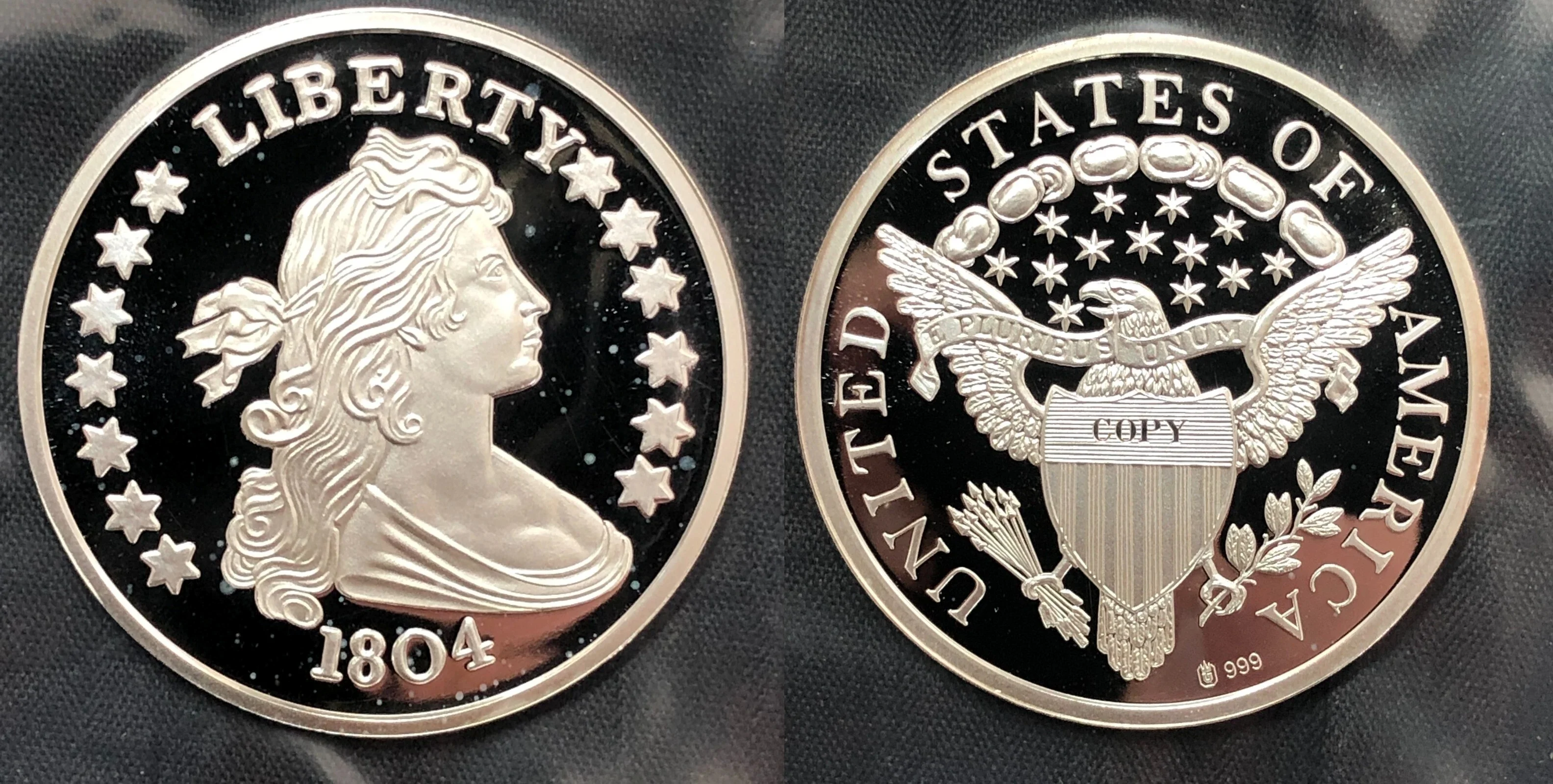
Federal law (the Hobby Protection Act of 1973) requires that reproductions of U.S. coins be marked with the word COPY in a conspicuous location. Many legitimate replicas of famous coins are sold as educational or display pieces. Check both sides and the edge for this marking. If a coin purporting to be a rare issue does not have a COPY stamp and is not in an authenticated holder, treat it with extreme suspicion.
Other "Too Good to Be True" Coins
Several other U.S. coins are so rare that any unslabbed example should be presumed fake:
- 1913 Liberty Head nickel — Only 5 known. All are pedigreed and accounted for. Worth $3-5 million each.
- 1849 Double Eagle (gold $20) — Only one known, held by the Smithsonian Institution.
- 1870-S Half Dime — One known (in the San Francisco Mint cornerstone).
- 1933 Saint-Gaudens Double Eagle — Legally, only one can be privately owned (the Farouk specimen, sold for $18.9 million in 2021). All others are considered government property.
How to Protect Yourself
- Know the rarity hierarchy — Before getting excited, research how many genuine examples exist and where they are
- Check for COPY stamps — Legitimate replicas are marked
- Verify certified coins — If a coin is in a PCGS or NGC holder, look up the certification number on the grading service's website. If the number doesn't match, the holder is counterfeit.
- Be skeptical of estate finds — "Found in grandma's attic" stories are how most counterfeit rare coins are sold. Extraordinary claims require extraordinary evidence.
0 Replies
Related Threads
- Mirror-Clone Grading Websites: The Newest Counterfeit Scam Targeting Coin Collectors0 replies · 3mo ago
- The Rise of Chinese Counterfeit Coins: What Collectors Need to Know About the Scale of the Problem0 replies · 3mo ago
- Counterfeit Coin Slabs Are Getting Dangerously Good — How to Spot Fake PCGS and NGC Holders in 20260 replies · 3mo ago
- How to Read PCGS and NGC Holders — and Spot a Counterfeit Slab0 replies · 3mo ago
- 1877 Indian Head Cent: How to Spot a Fake0 replies · 3mo ago