
1943 Copper Cent: How to Test Yours (and Why 99.99% Are Plated Steel)
The 1943 Copper Cent: The Most Famous U.S. Coin Error
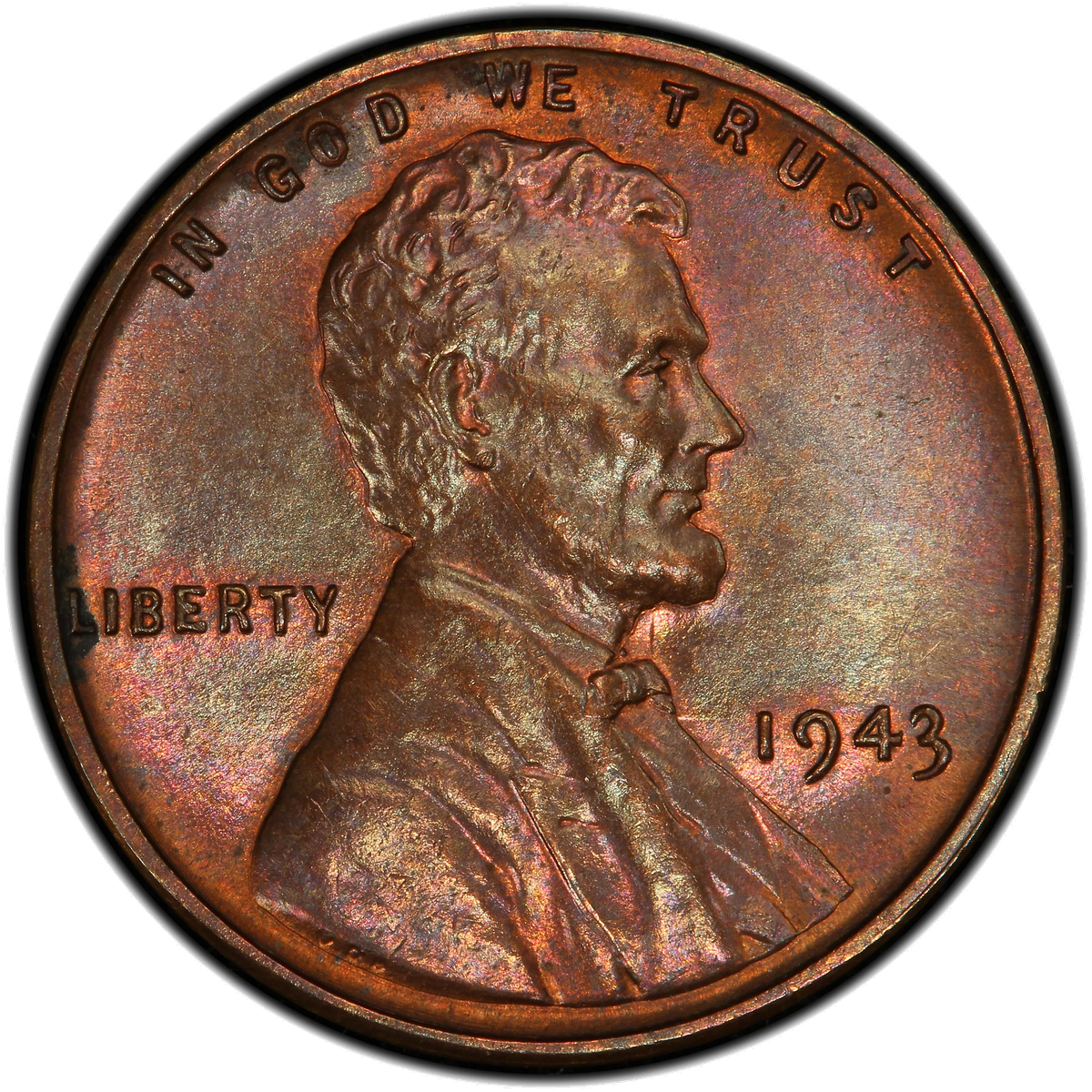
In 1943, the U.S. Mint switched from bronze to zinc-coated steel planchets for Lincoln cents to conserve copper for the war effort. However, a small number of bronze (copper) planchets from 1942 production remained in the striking chambers and were struck with 1943-dated dies. These 1943 bronze cents — only a few dozen are known across all three mints, including a unique 1943-D — are among the most valuable U.S. coins, with values exceeding $100,000.
The result is that millions of people believe they own one. In virtually every case, they don't.
What You Almost Certainly Have
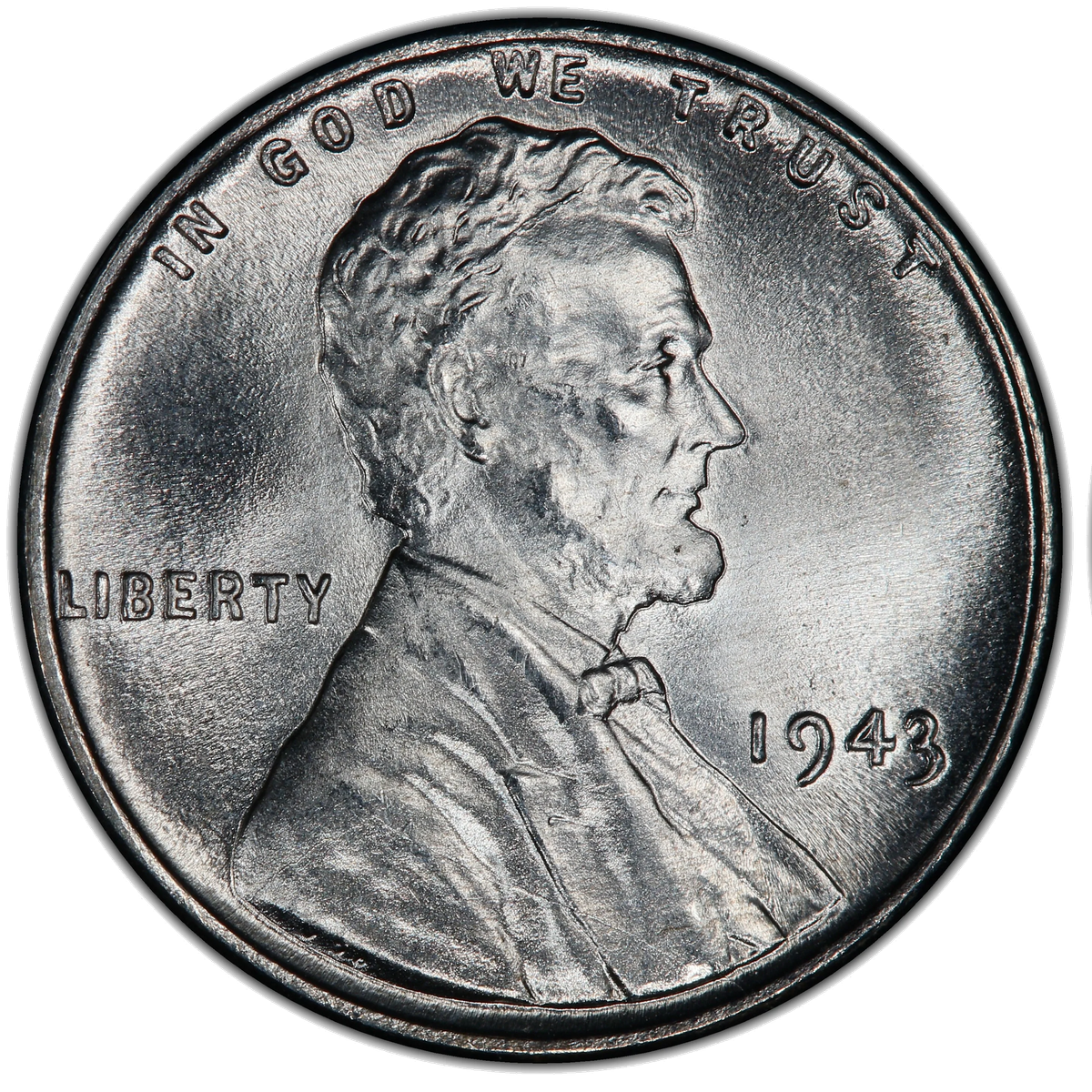
A normal 1943 steel cent is silver-gray in color (from the zinc coating) and is attracted to a magnet. Over time, the zinc coating may darken or develop a coppery appearance due to environmental exposure, making the coin look copper when it's actually steel underneath.
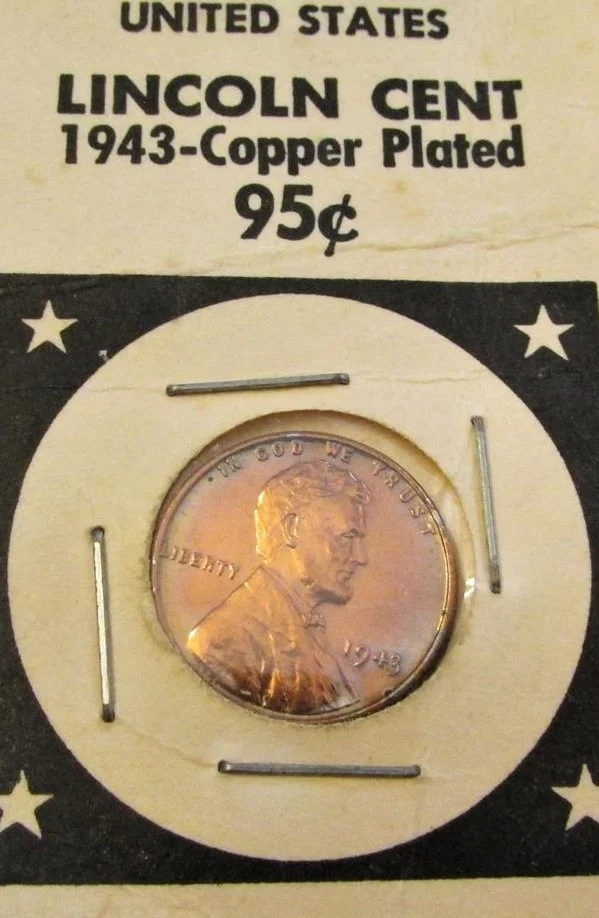
Even more common: 1943 steel cents that were deliberately copper-plated as novelty items, science class projects, or attempts at fraud. These are extremely common and completely worthless as errors.
The Magnet Test
The simplest and most definitive first test:
- If the coin sticks to a magnet → it's steel. A copper-plated steel cent is still steel underneath. Copper is not magnetic. The test is conclusive and immediate.
- If the coin does NOT stick to a magnet → it MIGHT be genuine. But you're not done — it could also be a struck counterfeit on a copper planchet or an altered coin. Further authentication is required.
If It Passes the Magnet Test
If your 1943 cent is not attracted to a magnet, additional tests include:
- Weight — A genuine 1943 bronze cent should weigh approximately 3.1 grams. A 1943 steel cent weighs approximately 2.7 grams. Use a digital scale accurate to 0.1g.
- Visual inspection — A genuine 1943 bronze cent has the visual characteristics of a normal bronze cent — copper color, proper luster, and the distinctive look of struck bronze. It should not look like a plated coin (no bubbles, flaking, or uneven color).
- Professional authentication — If the coin passes both the magnet test and the weight test, submit it to PCGS or NGC immediately. Do not clean it, do not handle it excessively, and do not advertise it publicly until it has been authenticated.
The History
The story of the 1943 bronze cent captured public imagination when examples began surfacing in the 1940s and 1950s. The U.S. Secret Service initially investigated, suspecting counterfeiting. Henry Ford reportedly offered a new car to anyone who brought him a 1943 copper cent — a promotion that spawned a cottage industry of copper-plated steel cents.
Today, all known genuine examples have been authenticated and are accounted for. The chance of finding a new one in circulation is extraordinarily small — but not zero, which is what keeps the dream alive.
0 Replies
Related Threads
- Mirror-Clone Grading Websites: The Newest Counterfeit Scam Targeting Coin Collectors0 replies · 3mo ago
- The Rise of Chinese Counterfeit Coins: What Collectors Need to Know About the Scale of the Problem0 replies · 3mo ago
- Counterfeit Coin Slabs Are Getting Dangerously Good — How to Spot Fake PCGS and NGC Holders in 20260 replies · 3mo ago
- How to Read PCGS and NGC Holders — and Spot a Counterfeit Slab0 replies · 3mo ago
- 1804 Dollar and Other "Too Good to Be True" Coins: How to Recognize Replicas0 replies · 3mo ago