
1916-D Mercury Dime: How to Authenticate the Mint Mark
The 1916-D Mercury Dime: Mint Mark Is Everything
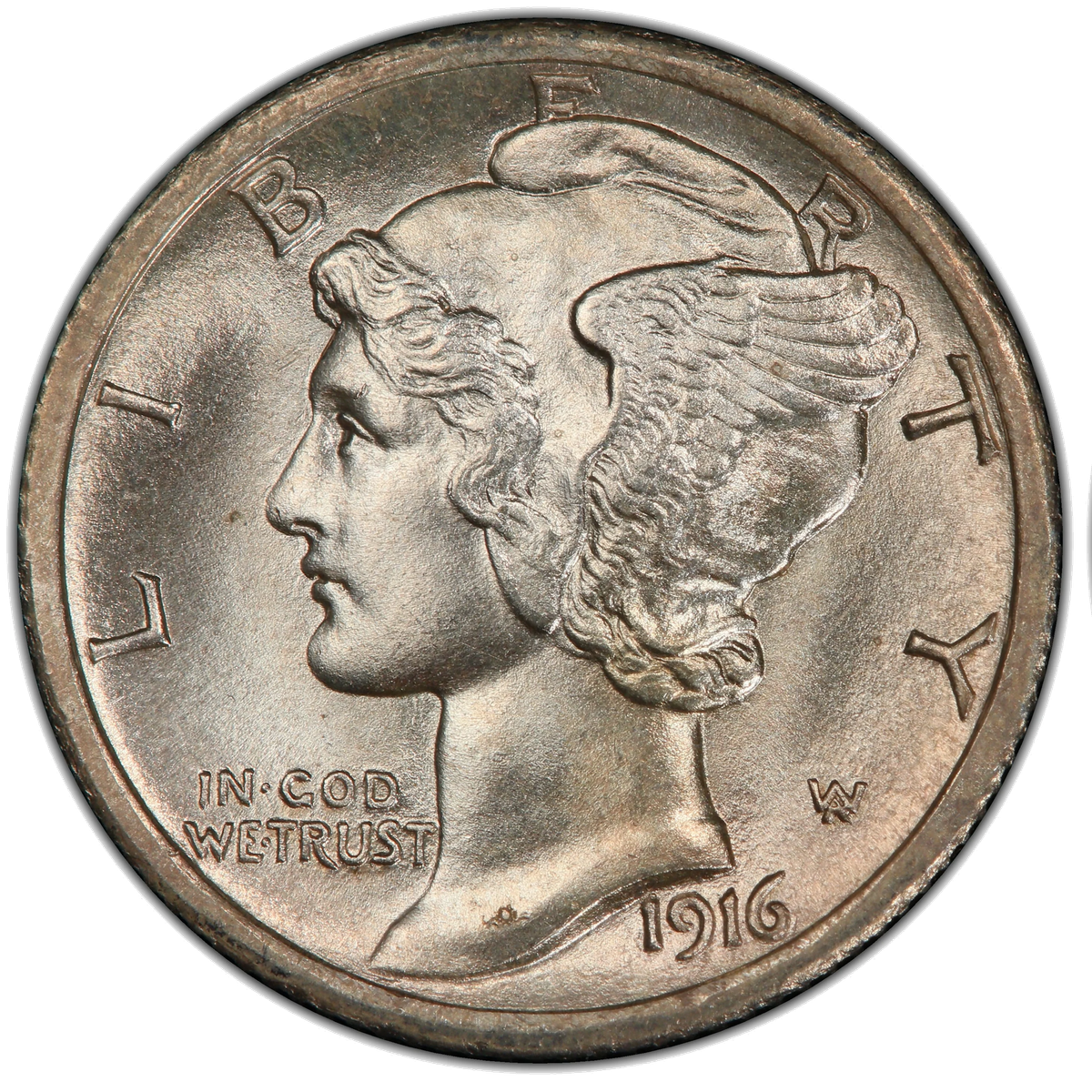
The 1916-D Mercury dime is the key date of the Mercury dime series, with a mintage of only 264,000 coins. Values range from around $1,000 in Good condition to over $50,000 in gem Mint State. The 1916 Philadelphia issue (no mint mark), by contrast, is common and worth a fraction of the price. This enormous value difference makes the 1916-D a prime target for added mint mark fakes.
Where to Look
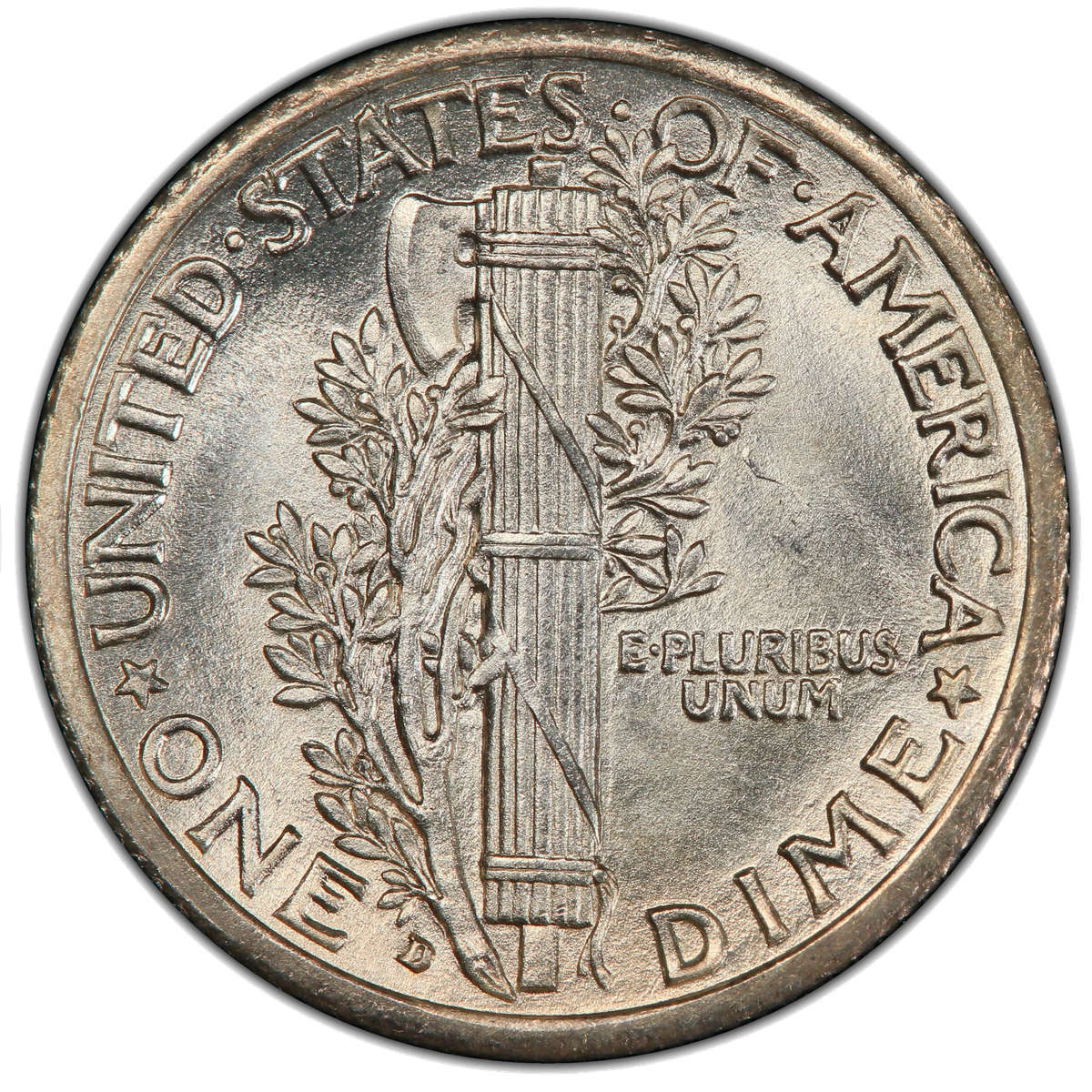
The mint mark on Mercury dimes is located on the reverse, to the left of the fasces (the bundle of rods), near the bottom. On a genuine 1916-D, the D is a specific size, shape, and position relative to the fasces and the rim.
Spotting an Added Mint Mark
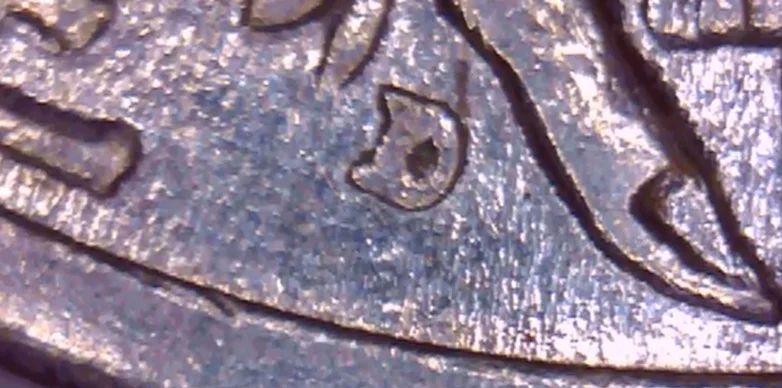
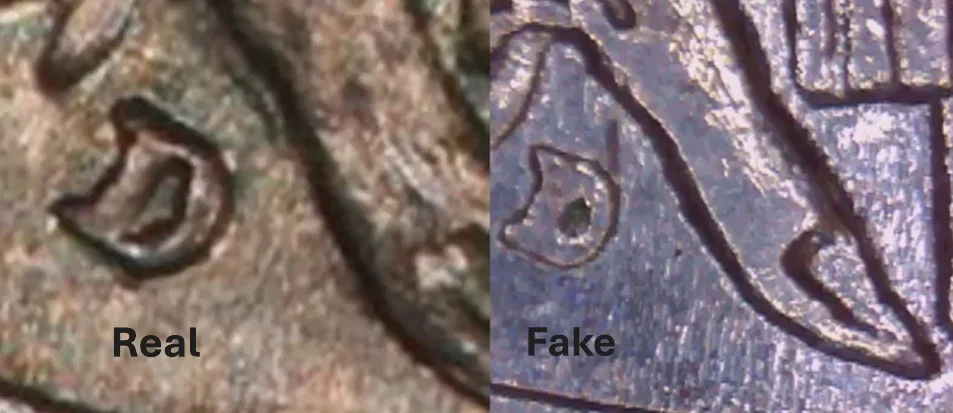
Counterfeiters add a D mint mark to a common 1916 (Philadelphia) dime by engraving, soldering, or gluing a small D onto the reverse. Under magnification, look for:
- Surface disturbance — The field around an added mint mark typically shows tooling marks, polishing, or unusual surface texture. A genuine mint mark is struck into the die and transfers to the coin during striking — the surrounding field should show normal, undisturbed luster.
- Mint mark style — The genuine 1916-D uses a specific D punch. Added mint marks often come from a different source (a D punched from another coin, cast from a mold, or hand-engraved) and don't match the correct typeface.
- Mint mark height — A genuine struck mint mark is part of the coin's surface and sits at the same level as the surrounding design elements. An added mint mark (especially one that was soldered or glued) may sit slightly higher than the surrounding surface.
- Flow lines — On a genuine coin, the metal flow lines from the striking process flow around and under the mint mark. On a coin with an added mint mark, the flow lines are interrupted or absent around the mint mark area.
The 1916 vs. 1916-D Die Differences
Beyond the mint mark itself, the 1916 and 1916-D were struck from different dies with different characteristics. Professional authenticators examine the overall die characteristics — specific positions of design elements, die polish lines, and minor die imperfections — to verify that the coin was actually struck from a known 1916-D die pair.
As with all high-value key dates, only buy this coin certified by PCGS or NGC. The authentication fee is a small price for certainty.
0 Replies
Related Threads
- Mirror-Clone Grading Websites: The Newest Counterfeit Scam Targeting Coin Collectors0 replies · 3mo ago
- The Rise of Chinese Counterfeit Coins: What Collectors Need to Know About the Scale of the Problem0 replies · 3mo ago
- Counterfeit Coin Slabs Are Getting Dangerously Good — How to Spot Fake PCGS and NGC Holders in 20260 replies · 3mo ago
- How to Read PCGS and NGC Holders — and Spot a Counterfeit Slab0 replies · 3mo ago
- 1804 Dollar and Other "Too Good to Be True" Coins: How to Recognize Replicas0 replies · 3mo ago