
1909-S VDB Lincoln Cent: How to Spot a Fake
Authenticating the 1909-S VDB
The 1909-S VDB Lincoln cent is one of the most iconic and sought-after coins in American numismatics. With a mintage of only 484,000 and values ranging from $800 in Good condition to over $100,000 in gem Mint State, it's no surprise that fakes are everywhere. Learning to spot them is essential before buying — or before getting too excited about a find.
What Makes This Coin Special
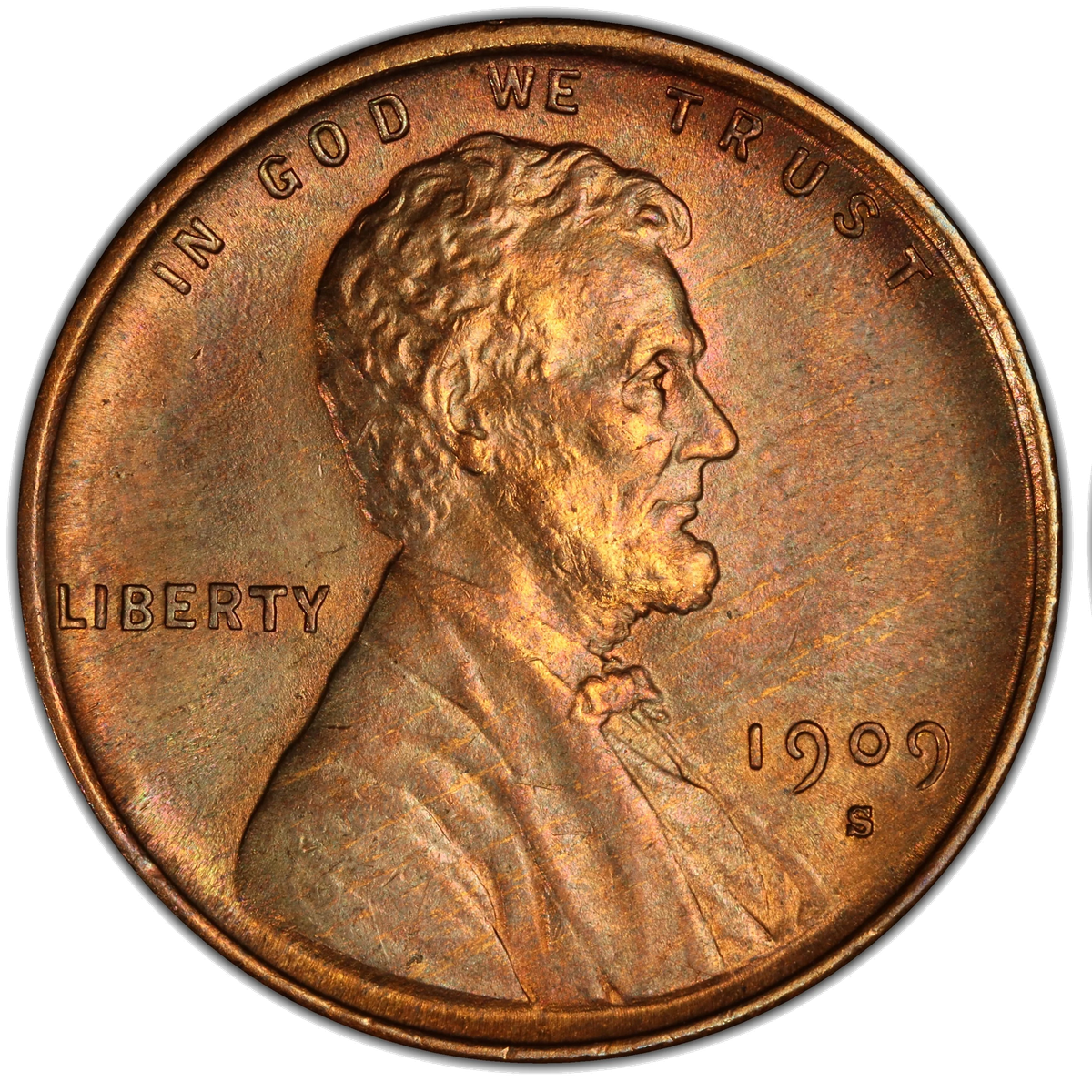
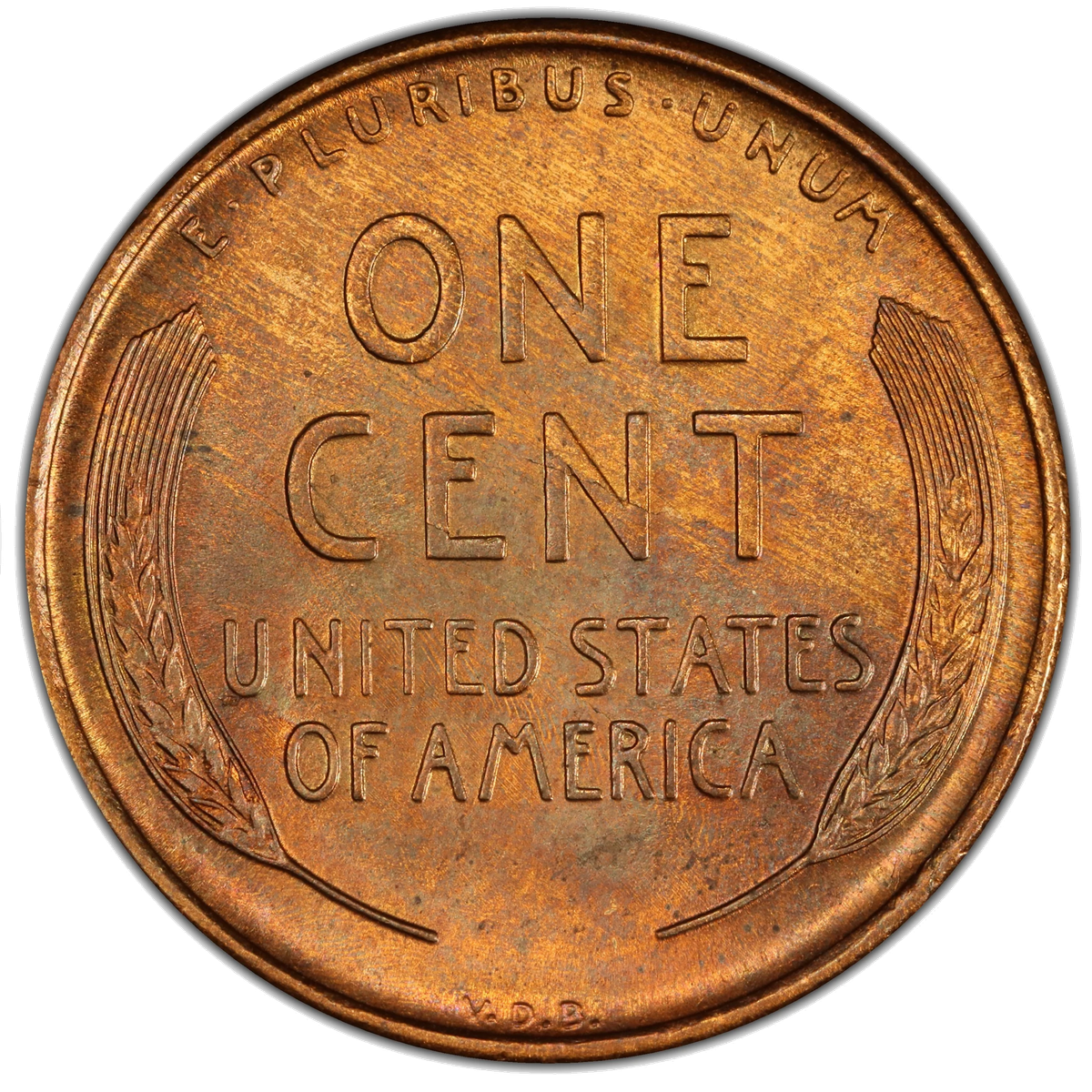
The 1909-S VDB was the first year of the Lincoln cent design, struck at the San Francisco Mint. Victor David Brenner's initials (V.D.B.) appear on the reverse at the bottom, between the wheat ears. Public backlash over the "prominent" initials led the Mint to remove them after just a few days of production — making the 1909-S VDB a short-run rarity.
The Two Main Types of Fakes
1. Added Mint Mark
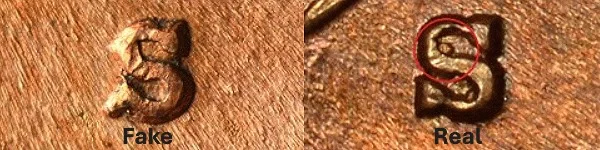
The most common fake is a genuine 1909 VDB (Philadelphia, no mint mark) with an S mint mark added to the obverse. The Philadelphia version is worth $10-20 in circulated grades, so adding an S is enormously profitable for counterfeiters.
How to spot an added mint mark:
- Check the S under magnification — A genuine S has a specific shape, size, and position relative to the date. Added mint marks often have the wrong font, are slightly too large or small, or are positioned incorrectly.
- Look for tooling around the mint mark — Adding a mint mark requires disturbing the surrounding field. Under magnification, look for unusual surface texture, polishing marks, or displaced metal around the S.
- Check the field luster — The field around an added mint mark often has different luster characteristics than the rest of the coin because the surface was altered.
2. Altered VDB Initials
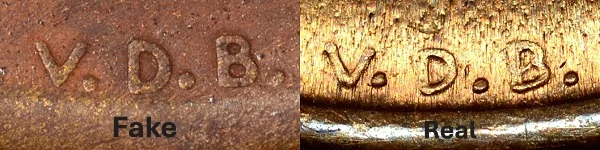
Less common but still encountered: a 1909-S (no VDB) with VDB initials added to the reverse. The 1909-S without VDB has a mintage of 1.8 million and is worth much less.
How to spot fake VDB initials:
- Letter style and spacing — Genuine VDB initials have a specific typeface and spacing. Fake initials are often too large, too small, or in the wrong font.
- Surface around initials — Look for evidence of engraving, tooling marks, or disturbed metal around the letters.
- Reverse die characteristics — The 1909-S VDB was struck from different reverse dies than the 1909-S no VDB. Authentication services check known die markers to confirm which dies were used.
When to Seek Professional Authentication
For any coin of this value, professional authentication through PCGS or NGC is essential before purchase. The cost of certification is trivial compared to the coin's value, and a certified example eliminates any doubt. Never buy a raw 1909-S VDB for significant money without having it authenticated first.
Browse authenticated 1909-S VDB listings in the NumisDex catalog.
0 Replies
Related Threads
- Mirror-Clone Grading Websites: The Newest Counterfeit Scam Targeting Coin Collectors0 replies · 3mo ago
- The Rise of Chinese Counterfeit Coins: What Collectors Need to Know About the Scale of the Problem0 replies · 3mo ago
- Counterfeit Coin Slabs Are Getting Dangerously Good — How to Spot Fake PCGS and NGC Holders in 20260 replies · 3mo ago
- How to Read PCGS and NGC Holders — and Spot a Counterfeit Slab0 replies · 3mo ago
- 1804 Dollar and Other "Too Good to Be True" Coins: How to Recognize Replicas0 replies · 3mo ago