
1893-S Morgan Dollar: How to Spot the Common Counterfeits
The King of Morgan Dollars
The 1893-S Morgan dollar is the most valuable business-strike Morgan dollar, with a mintage of only 100,000. Values range from approximately $5,000 in Good condition to hundreds of thousands in gem Mint State. This extreme value makes it one of the most heavily counterfeited U.S. coins.
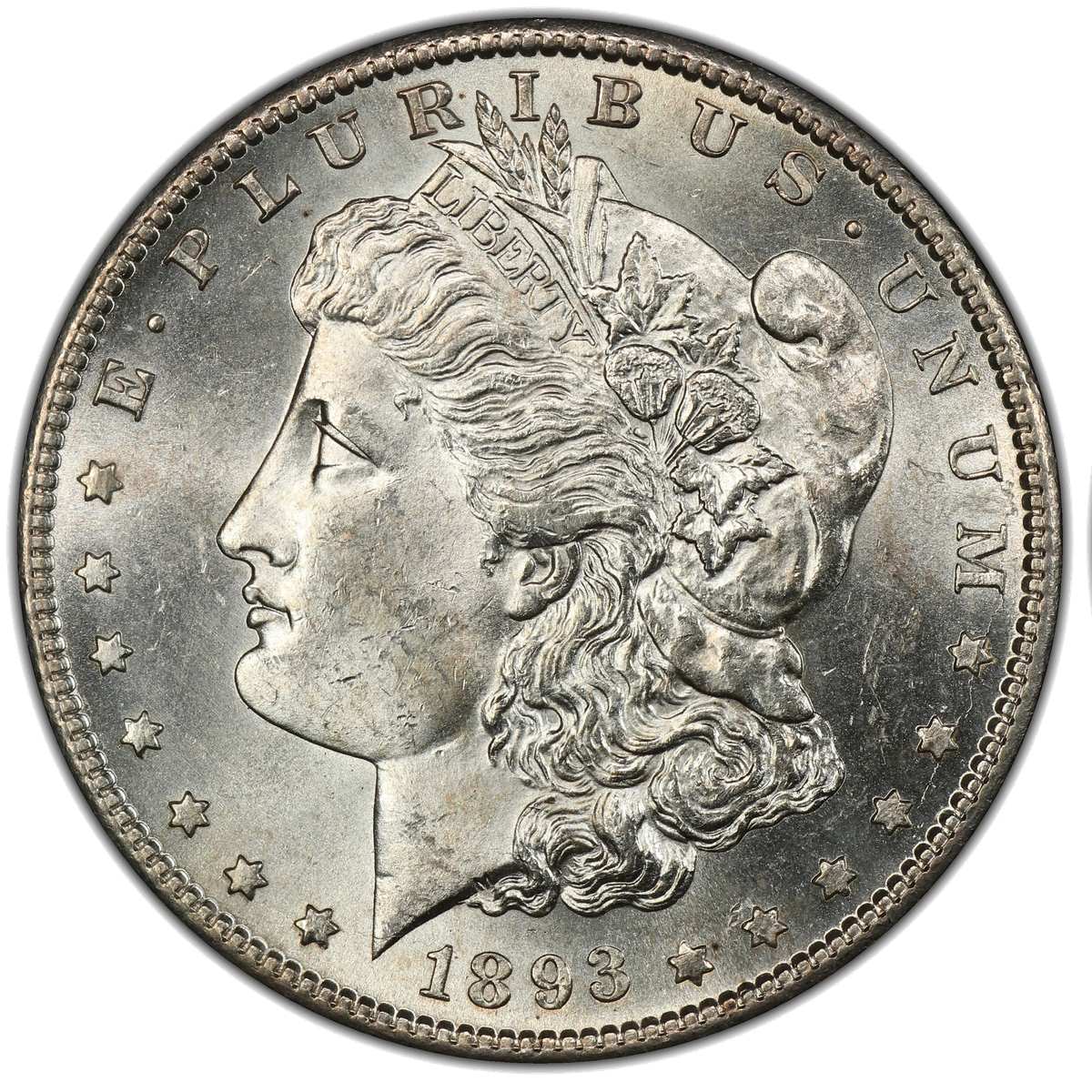
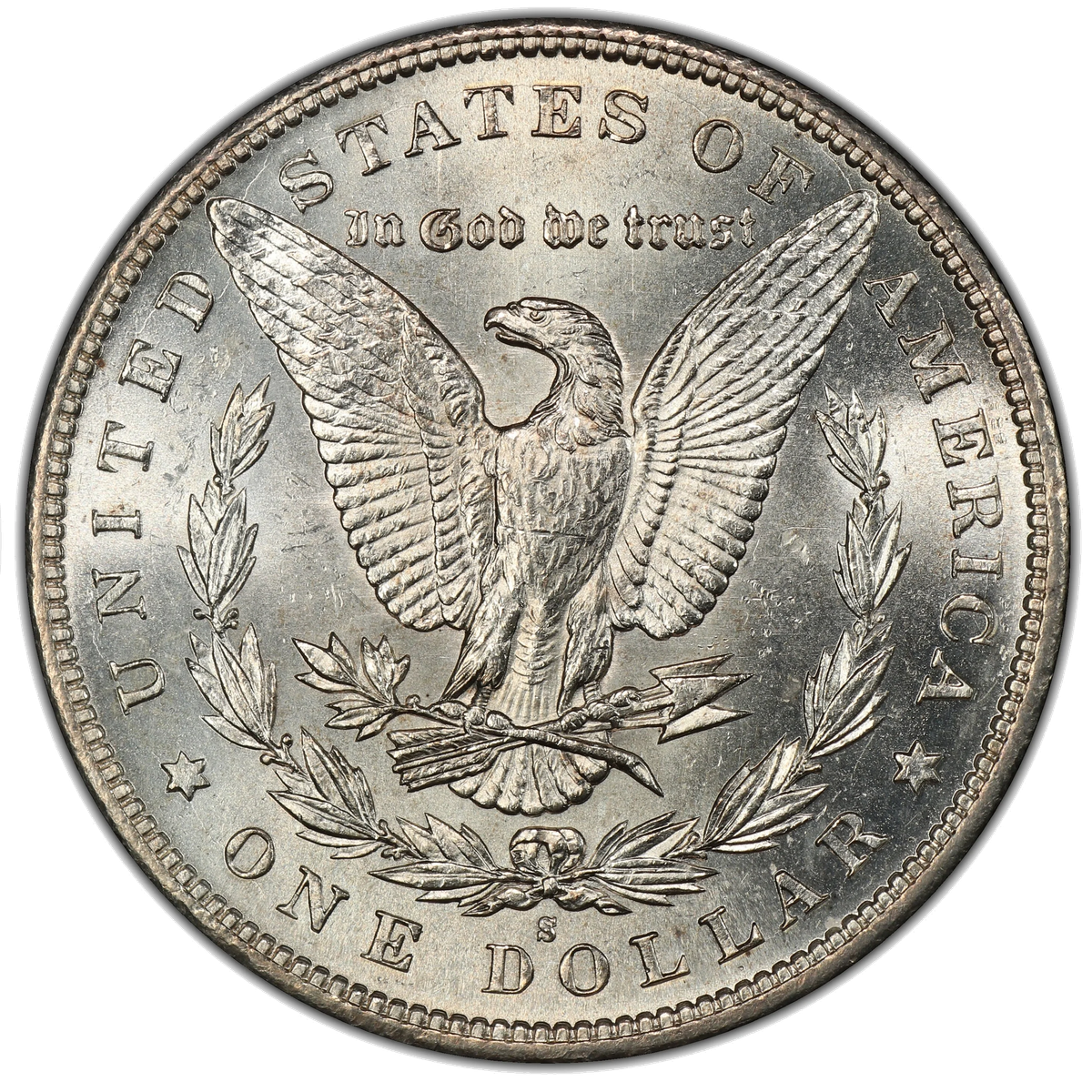
Types of Counterfeits
1. Added Mint Mark
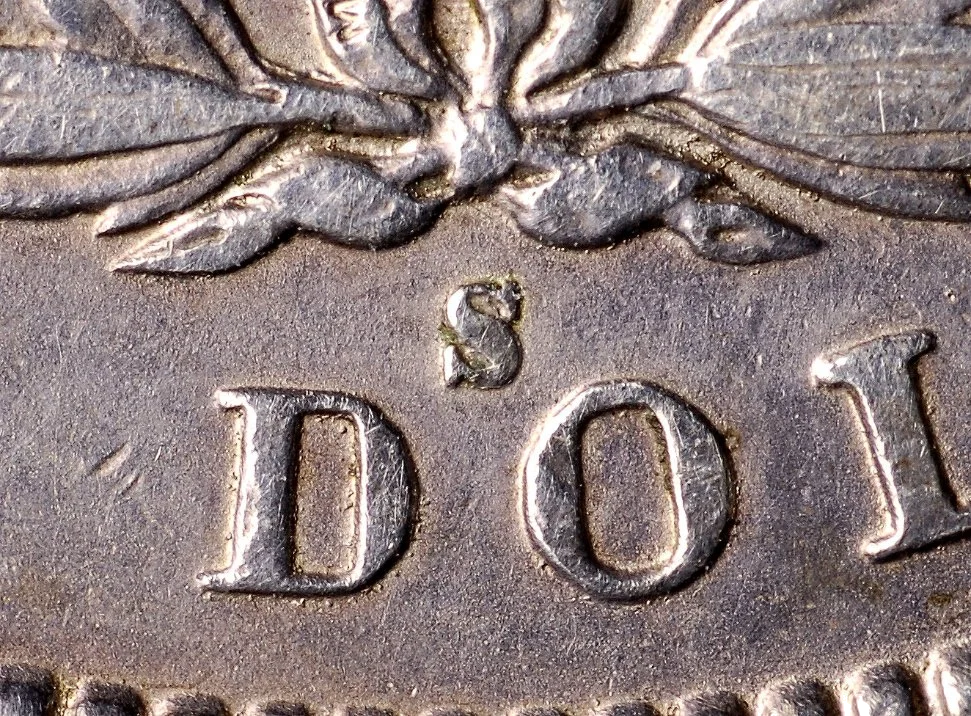
The most common fake is a common-date Morgan dollar (1881-S, 1882-S, etc.) with the date or mint mark area altered to read 1893-S. On some, a genuine S mint mark is retained while the date is altered; on others, an S is added to a different-date Philadelphia coin. Under magnification, look for tooling marks, disturbed fields, and incorrect die characteristics around the date and mint mark areas.
2. Struck Counterfeits
More sophisticated fakes are struck from counterfeit dies. These can be harder to detect because the overall design may look correct at first glance. However, struck counterfeits typically exhibit:
- Wrong weight — Genuine Morgan dollars weigh 26.73 grams. Many counterfeits are slightly off.
- Mushy details — Counterfeit dies (often cast from genuine coins) produce slightly softer details than the original Mint dies.
- Wrong surface texture — The luster on struck counterfeits often has a different quality than genuine Mint luster — sometimes too brilliant, sometimes too matte.
- Incorrect edge reeding — The number and spacing of edge reeds may differ from genuine Morgan dollars.
Key Authentication Points
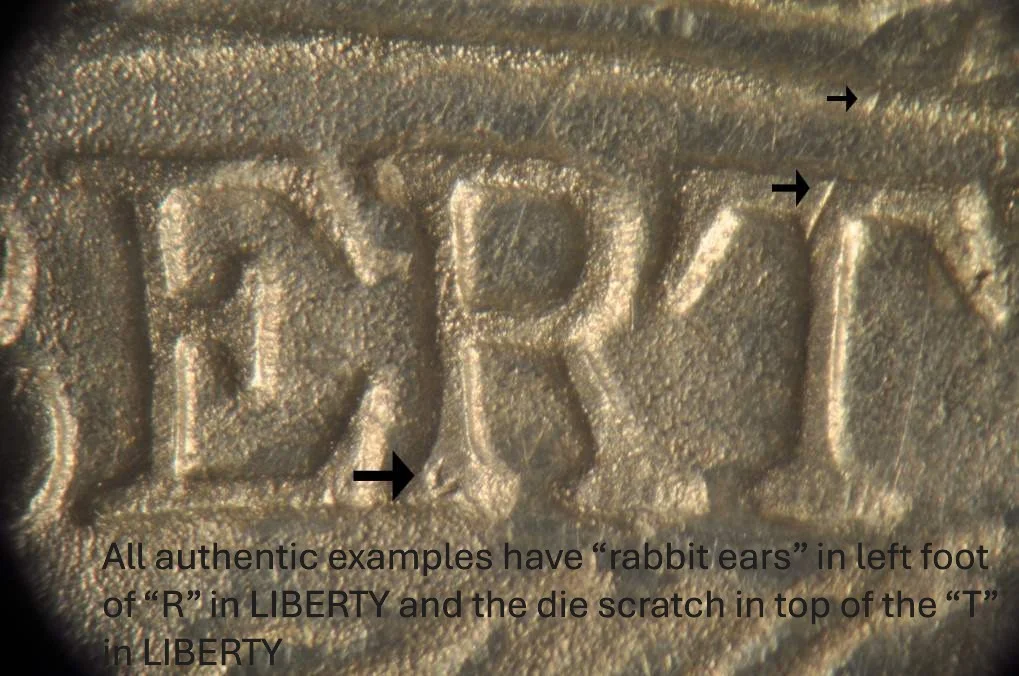
All genuine 1893-S Morgan dollars share specific die markers from the small number of dies used. Two well-known diagnostics:
- "Rabbit ears" — On genuine examples, the left foot of the "R" in LIBERTY shows a distinctive die feature that resembles small rabbit ears
- Die scratch in the "T" — A known die scratch appears at the top of the "T" in LIBERTY
These die markers are not present on counterfeits and are difficult to replicate convincingly.
Buying Advice
Never purchase a raw 1893-S Morgan dollar. Only buy examples certified by PCGS or NGC, and verify the certification number against the grading service's online database. Even with certified coins, be cautious about counterfeit holders (see our post on spotting fake slabs).
0 Replies
Related Threads
- Mirror-Clone Grading Websites: The Newest Counterfeit Scam Targeting Coin Collectors0 replies · 3mo ago
- The Rise of Chinese Counterfeit Coins: What Collectors Need to Know About the Scale of the Problem0 replies · 3mo ago
- Counterfeit Coin Slabs Are Getting Dangerously Good — How to Spot Fake PCGS and NGC Holders in 20260 replies · 3mo ago
- How to Read PCGS and NGC Holders — and Spot a Counterfeit Slab0 replies · 3mo ago
- 1804 Dollar and Other "Too Good to Be True" Coins: How to Recognize Replicas0 replies · 3mo ago