
The History of U.S. Mint Errors
The History of U.S. Mint Errors
For as long as the United States Mint has been producing coins — since 1792 — errors have been part of the process. From hand-punched dies in the earliest years to modern high-speed presses, every era of U.S. coinage has produced its share of varieties and mistakes. Understanding the historical context of mint errors helps explain why certain types exist and how the minting process has evolved.
The Early Years (1792-1836): Hand-Made Coinage
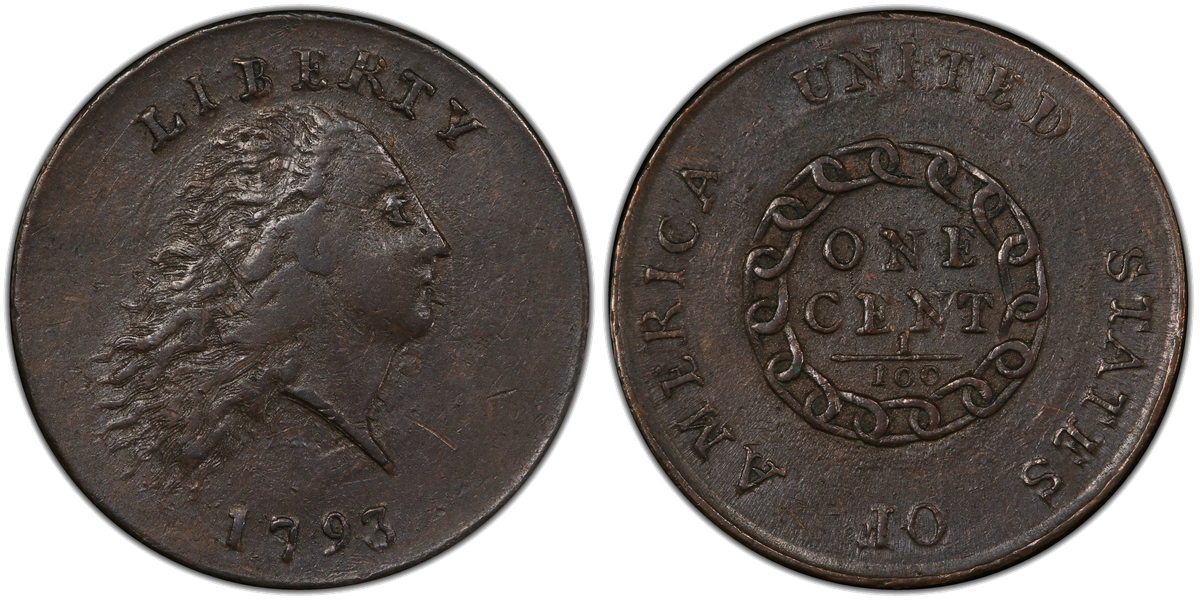
An early U.S. coin showing the hand-engraved die characteristics typical of the Mint's first decades — each die was individually made, producing countless collectible varieties
In the Mint's first decades, virtually everything was done by hand. Dies were individually engraved, punches were manually positioned, and coins were struck one at a time on screw presses.
- Overdates were common because dies were expensive. Rather than discard a die with last year's date, the Mint would punch a new date over the old one. The 1800/79 Draped Bust Cent is a famous example.
- Die varieties proliferated because each die was individually made. Sheldon cataloged hundreds of Large Cent die marriages from this era.
- Off-center strikes and broadstrikes occurred because planchet placement was manual.
- Quality control was minimal — the small staff couldn't catch every error, and economic pressure meant even imperfect coins entered circulation.
The Industrial Era (1836-1900): Steam Power and Standardization
The introduction of steam-powered presses and the hub-and-die system brought greater consistency but introduced new error types:
- Hub doubling became possible as dies were made by hubbing rather than hand engraving. The hub-to-die transfer process could produce misalignment, creating what we now call doubled dies.
- Repunched dates and mint marks were common because these elements were still added to dies by hand with individual punches. Misalignment between punches created the RPD and RPM varieties that collectors prize today.
- Die clashes occurred when the dies struck each other without a planchet, transferring design elements. Morgan Dollar die clashes are among the most dramatic and collectible.
- Multiple mint facilities after 1838 meant mint marks were hand-punched into dies, creating opportunities for OMMs (Over Mint Marks) when the wrong punch was initially used.
The Modern Era (1900-1965): Mass Production
The 20th century brought higher production volumes and new minting technologies, but errors persisted:
- The 1937-D 3-Legged Buffalo Nickel resulted from excessive die polishing that removed one of the buffalo's legs — a dramatic example of how quality control failures create collectible varieties.
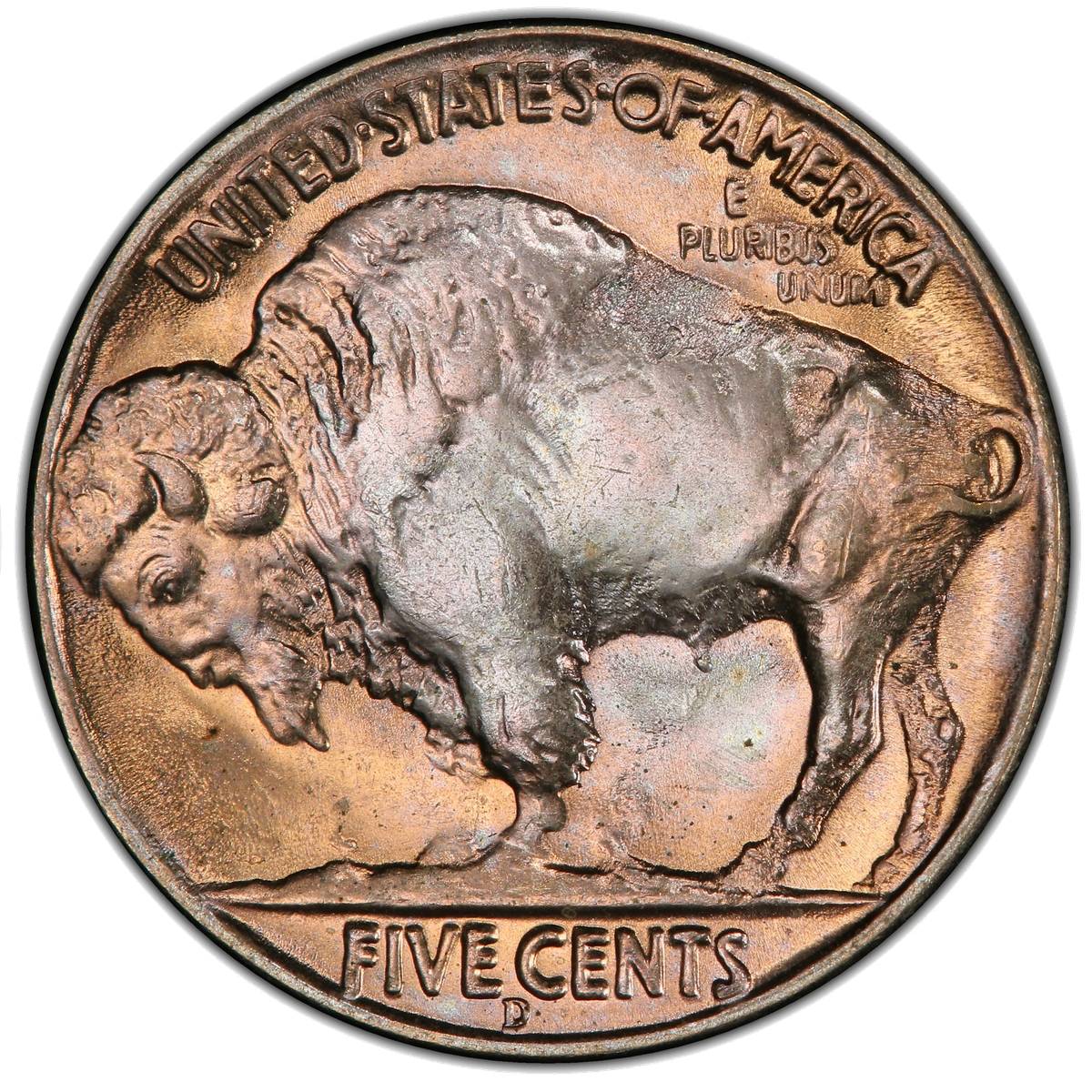
The 1937-D 3-Legged Buffalo Nickel — excessive die polishing removed the buffalo's front right leg, creating one of the most iconic and sought-after U.S. coin varieties
- The 1955 Doubled Die Lincoln Cent is perhaps the most famous U.S. mint error. An estimated 20,000-24,000 examples entered circulation, creating an instant collectible that continues to drive interest in error collecting today. See our visual identification guide.
- The 1943 bronze cents and 1944 steel cents — wrong-planchet errors during the wartime metal transition — are among the most valuable U.S. coins and have become cultural touchstones. See our guides: test your 1943 and authenticate your 1944.
- Proof production errors became a recognized category as the Mint expanded its proof coin program for collectors.
The Transition Era (1965-1990): Composition Changes
The mid-1960s brought major changes to U.S. coinage that created unique error opportunities:
- 1964-1965 transition errors — The switch from silver to clad composition produced transitional errors: coins struck on the wrong-composition planchet for their date.
- SMS (Special Mint Set) coins replaced proof sets from 1965-1967, creating a separate category of collectibles with their own varieties.
- Mint mark removal and restoration — Mint marks were removed from coins 1965-1967, then restored in 1968. The 1968-S proof coins were the first to bear the San Francisco mint mark in years.
- Doubled dies continued — The 1969-S and 1972 Doubled Die Lincoln Cents proved that hub doubling errors were still possible with modern equipment.
The Computer Age (1990-Present): New Challenges
Modern minting technology has eliminated some traditional error types while creating new ones:
- CNC die production eliminated hand-punched mint marks and dates starting in 1990, making RPM and RPD varieties a closed set. All known RPMs and RPDs are from 1989 or earlier. Read more about what RPMs are and how to find them.
- Multi-design programs (State Quarters 1999-2008, ATB Quarters 2010-2021, American Women Quarters 2022-2025) created more die varieties per year than ever before, including mule errors and wrong-design combinations.
- Modern doubled dies still occur despite advanced technology. The 1995 DDO, 1998 Wide AM, and 1999 Wide AM cents are all modern discoveries.
- WDDO and WDDR (Working Die Doubling) varieties continue to be discovered on modern coins, cataloged by Wexler, CONECA, and other attribution services.
Error Collecting Today
The hobby of error and variety collecting has never been more accessible. Online resources like NumisDex allow collectors to research, attribute, and share discoveries instantly. Our catalog includes over 72,000 listings across 43 error types, documenting varieties from the earliest U.S. coinage through the latest modern issues.
Whether you're drawn to the historical significance of early die varieties, the drama of major mint errors, or the thrill of discovering new varieties in modern change, understanding the history of mint errors enriches every aspect of the hobby.
Explore in the NumisDex Catalog
Related varieties and errors from the NumisDex database:
0 Replies
Related Threads
- Rosa Parks Commemorative Coins: HR 916 Would Honor a Civil Rights Icon0 replies · 2mo ago
- Olympic Coins for LA 2028 and Salt Lake City 2034: S. 2265 Explained0 replies · 2mo ago
- The End of the Penny: What HR 4459 (MINT Act) Means for Collectors0 replies · 2mo ago
- The $2.50 Coin Is Coming Back: What Collectors Need to Know About HR 56160 replies · 2mo ago
- U.S. Mint Releasing 250,000 Special "July 4th" Privy Mark Declaration of Independence Quarters0 replies · 2mo ago