
Building a Coin Collection on a Budget
Building a Coin Collection on a Budget
You don't need deep pockets to build a meaningful coin collection. Some of the most rewarding aspects of numismatics — the hunt, the discovery, the knowledge — are available to collectors at every budget level. Here's how to get started and grow your collection without breaking the bank.
Start with Circulation Finds
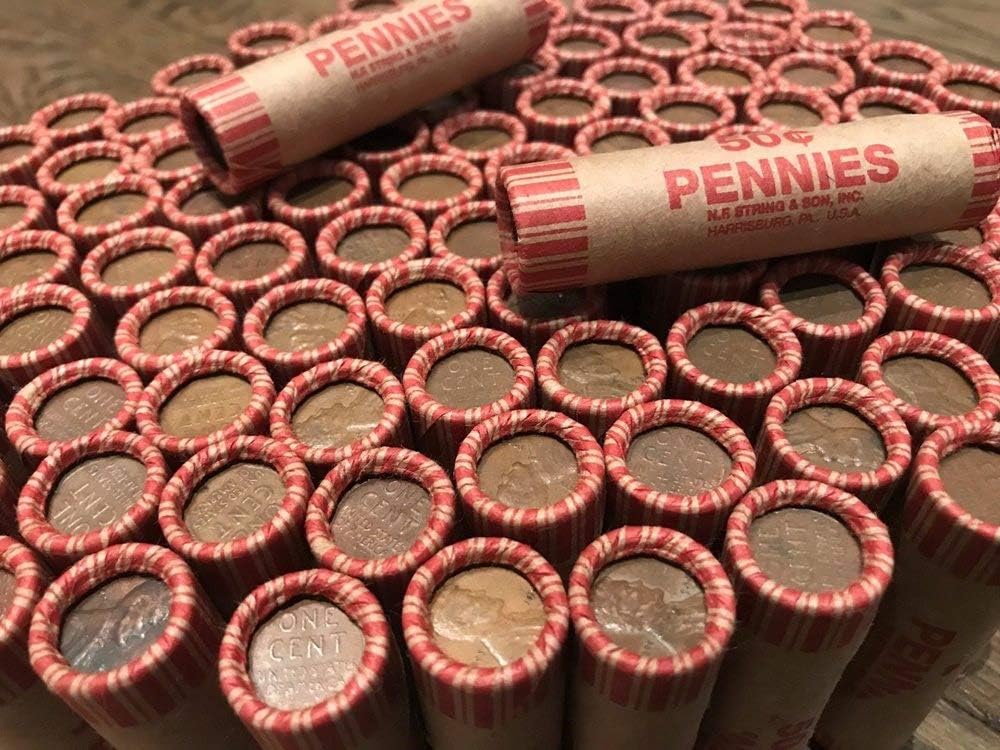
Bank-wrapped coin rolls — coin roll hunting is the most budget-friendly way to start collecting, with your only cost being time
The most budget-friendly way to collect is to search the coins in your everyday transactions:
- Coin roll hunting (CRH) — Buy rolls of coins from your bank, search through them for varieties and errors, and return the ones you don't keep. Your only cost is time and gas.
- Pocket change — Keep an eye on your change. Modern errors and varieties still enter circulation. The 1995 DDO Lincoln Cent was found in pocket change by many collectors.
- Key things to look for in change — Doubled dies, repunched mint marks, off-center strikes, wrong planchet errors, die cracks, and cuds. Use a loupe to examine interesting coins.
Affordable Series to Collect
Some series offer deep, fascinating collecting at low cost:
- Lincoln Cents (1959-present) — Memorial and Shield reverse cents are inexpensive even in uncirculated grades. Complete date/mint sets can be assembled from pocket change and bank rolls.
- Jefferson Nickels — The entire series from 1938 to present can be collected in circulated grades for modest cost. Only a handful of dates carry significant premiums.
- State Quarters (1999-2008) and ATB Quarters (2010-2021) — 56 designs each, widely available from circulation. Error hunting in these series can yield valuable finds.
- Modern dollar coins — Presidential, Sacagawea, and Innovation dollars are available at face value from banks and often have interesting errors.
Error and Variety Collecting on a Budget
Many error and variety coins are surprisingly affordable:
- Minor die cracks and die chips — Common and inexpensive but educational for learning about die life and progression.
- Machine doubled coins — While not true hub doubling, these are free from circulation and help train your eye.
- Minor RPMs and RPDs — Repunched mint marks and dates on pre-1990 coins can be found for $5-$20.
- BIE cents — A class of die break on Lincoln Cents where a small break between the B and E of LIBERTY creates what looks like a letter "I". These are collectible and generally inexpensive.
Smart Buying Strategies
- Buy the book before the coin — Knowledge is your best investment. Learn about your series of interest before spending money on coins.
- Focus on one series — Building depth in a single series is more rewarding (and often more affordable) than trying to collect everything.
- Buy raw coins for lower values — Professional grading fees ($20-$40+ per coin) don't make sense for coins worth less than the fee. Buy raw coins under the grading threshold and learn to evaluate them yourself.
- Attend coin shows — Dealers at shows often have bargain bins, junk boxes, and bulk lots where knowledgeable collectors can find underappreciated pieces.
- Join a coin club — Local clubs offer education, mentorship, and often have member trading at below-market prices.
- Set a budget and stick to it — Decide what you can comfortably spend each month and don't exceed it. Collecting should be enjoyable, not stressful.
Free Resources
- NumisDex catalog — Browse our 72,000+ listings to research varieties and errors before you buy.
- NumisDex forum — Ask questions, share finds, and learn from experienced collectors.
- Library books — Many public libraries carry numismatic reference books.
- ANA educational resources — The American Numismatic Association offers free online courses.
The best coin collection isn't the most expensive one — it's the one that brings you joy and knowledge. Start where you are, learn as you go, and let your collection grow with your expertise.
Explore in the NumisDex Catalog
Related varieties and errors from the NumisDex database:
0 Replies
Related Threads
- Rosa Parks Commemorative Coins: HR 916 Would Honor a Civil Rights Icon0 replies · 2mo ago
- Olympic Coins for LA 2028 and Salt Lake City 2034: S. 2265 Explained0 replies · 2mo ago
- The End of the Penny: What HR 4459 (MINT Act) Means for Collectors0 replies · 2mo ago
- The $2.50 Coin Is Coming Back: What Collectors Need to Know About HR 56160 replies · 2mo ago
- U.S. Mint Releasing 250,000 Special "July 4th" Privy Mark Declaration of Independence Quarters0 replies · 2mo ago