
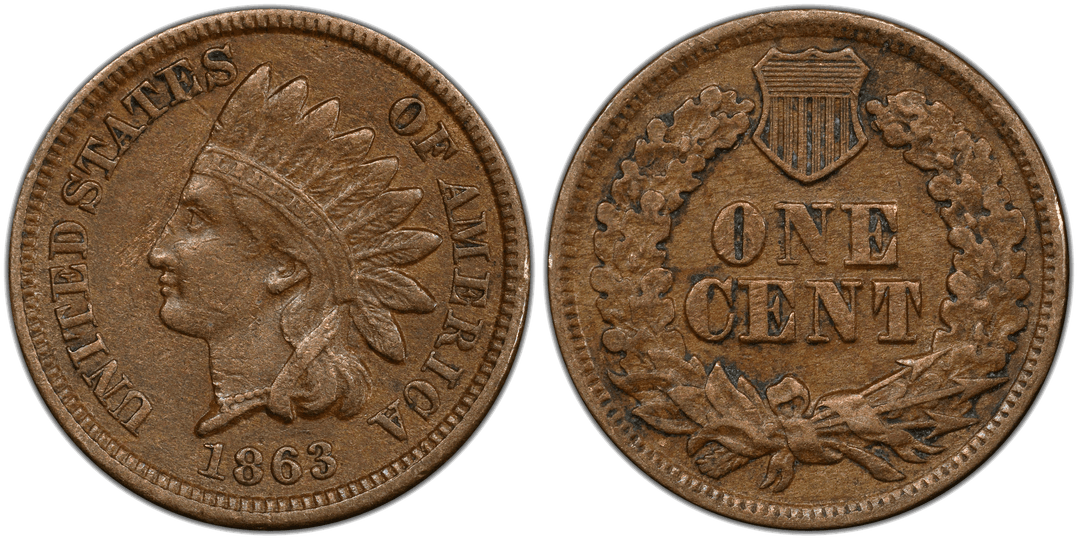
CU-1c-1863-03R & 04R Cuds
Error
Description
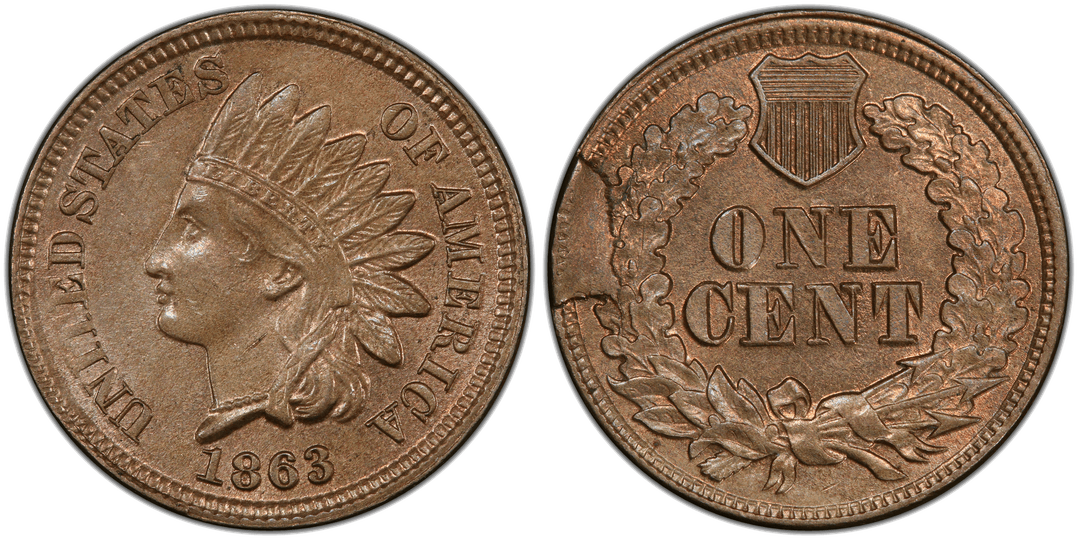
Struck during the third year of the Civil War, this 1863 Indian Head Cent carries an uncommon distinction: two separate rim cuds on the same die, cataloged as CU-1c-1863-03R and CU-1c-1863-04R. A rim cud forms when a fragment of the die rim breaks away, leaving an unstruck area that fills with metal flowing into the void left by the missing die steel. Finding two such breaks on a single die is unusual, as each represents an independent structural failure, and the die must survive long enough after the first fracture to develop a second. The 1863 cent was struck on copper-nickel planchets (88% copper, 12% nickel), a composition adopted in 1857 when the Mint abandoned the large copper cent. James B. Longacre's Indian Head design, introduced in 1859, was in its fifth year of production. Wartime demand for coinage was intense in 1863 — the year of the battles of Gettysburg and Vicksburg — and Philadelphia operated under pressure that may have contributed to die failures like these dual rim breaks. The copper-nickel composition was itself a wartime casualty, replaced by bronze in 1864 due to nickel shortages.
External References
Community & Reference
Related Errors
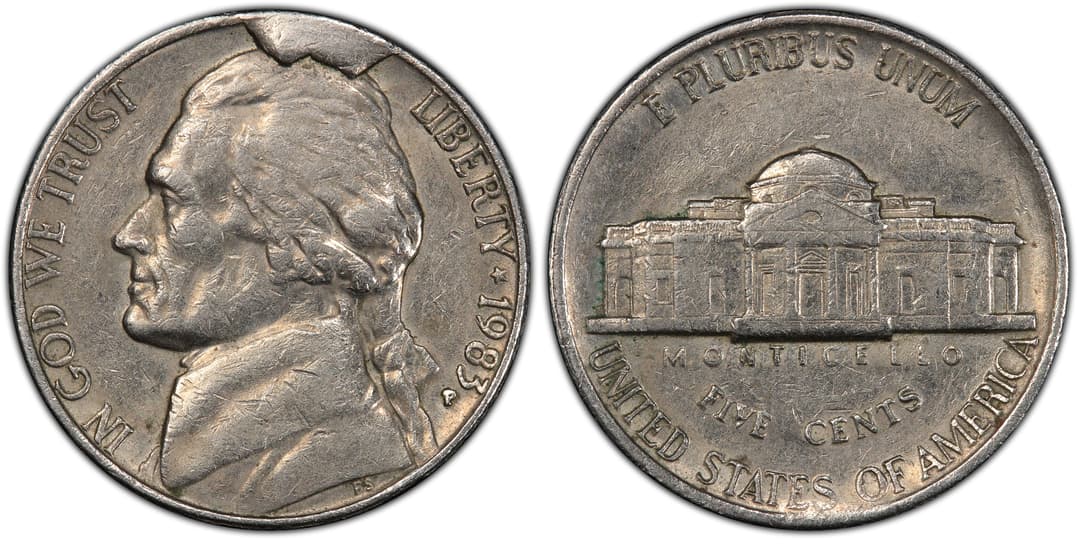
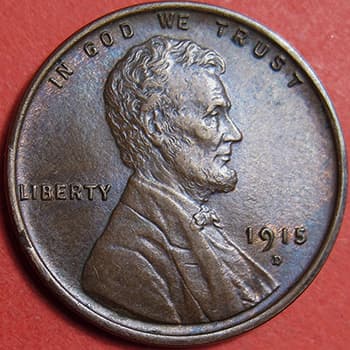
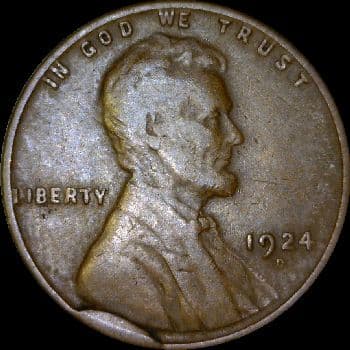
More Cud Errors
Collector Essentials
Tools for examining and preserving error coins and die varieties.
10x-20x Jeweler's Loupe
Essential for examining die varieties, doubled dies, and RPMs
Cherry Picker's Guide
The definitive reference for U.S. error coins and die varieties
2x2 Coin Flips & Holders
Protect and organize your finds with archival-quality holders
USB Digital Microscope
Capture detailed images for documentation and community submissions
As an Amazon Associate, NumisDex earns from qualifying purchases.