
CU-1C-1990-06 Cud
Error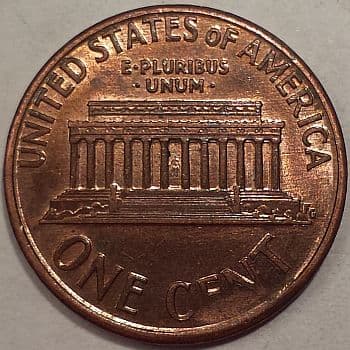
Description
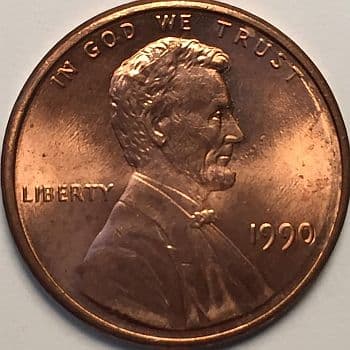
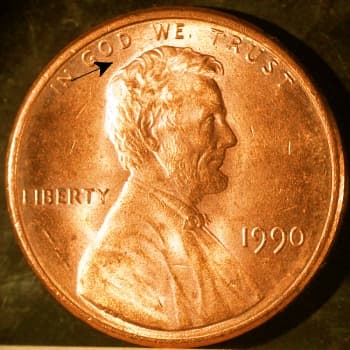
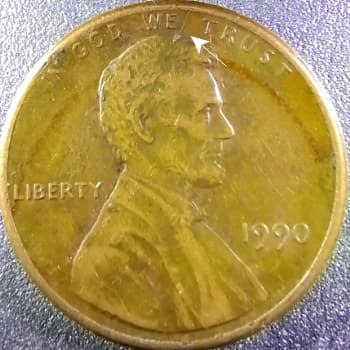
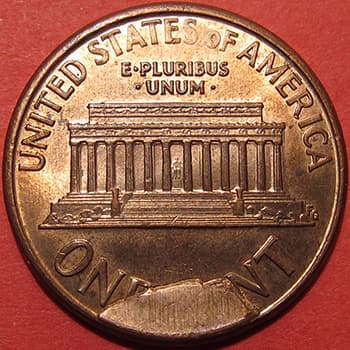
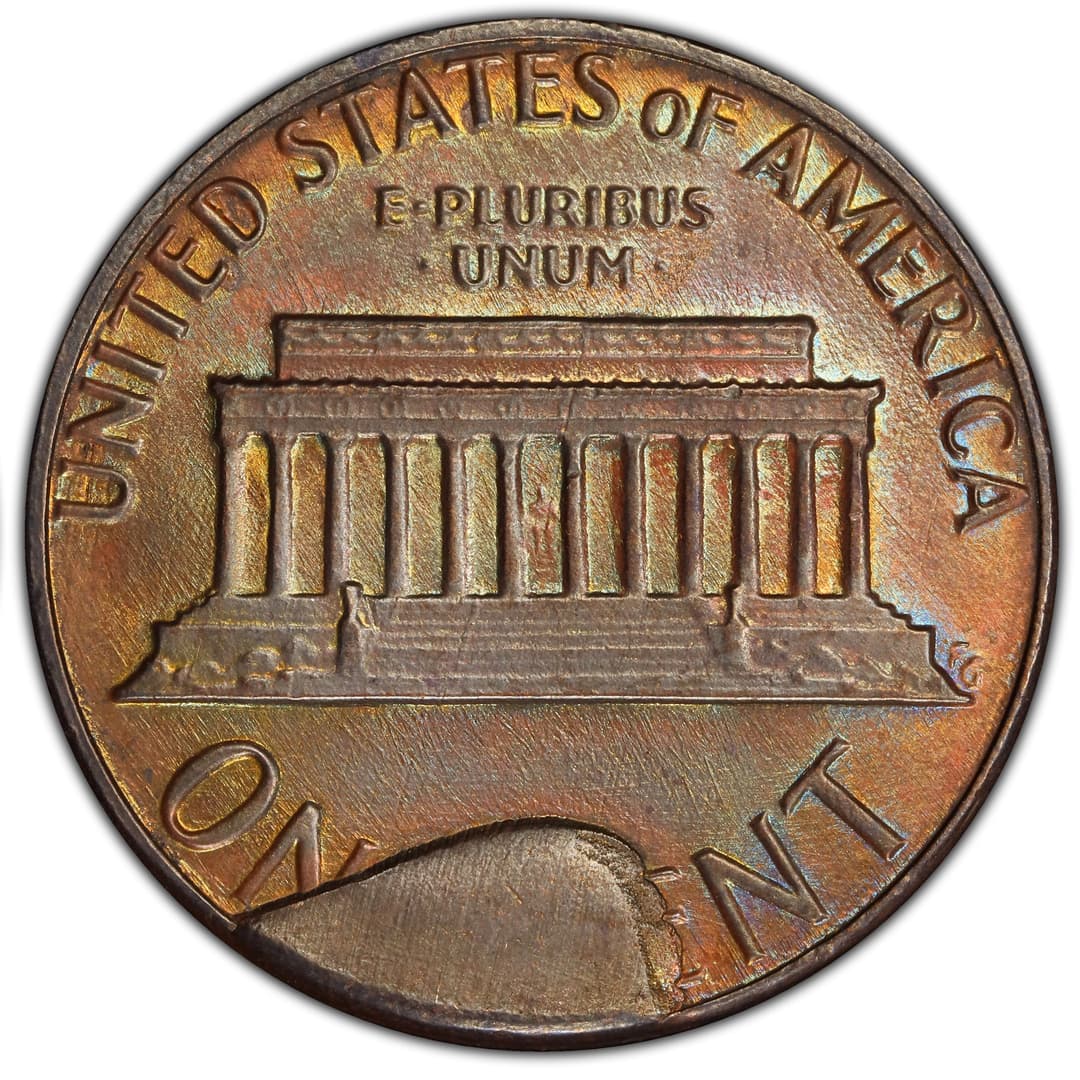
Continuing the obverse cud documentation for 1990 Philadelphia, CU-1C-1990-06 on the Lincoln Memorial cent captures another instance of die rim fracture from a production year that consumed an extraordinary number of obverse dies. The metallurgy of 1990-era coining dies involved hardened tool steel — typically a chromium-molybdenum alloy heat-treated to achieve Rockwell C hardness in the range of 58-62 — engineered to withstand the repetitive impact of striking copper-plated zinc planchets at production speeds exceeding 600 coins per minute on high-speed presses. Despite this metallurgical engineering, every die contains microscopic inclusions, grain boundaries, and surface imperfections that serve as fatigue crack initiation sites. Under cyclic loading, cracks nucleate at these sites and propagate incrementally with each strike until reaching a critical length where rapid fracture occurs — the sudden separation of die material that creates a cud. The location of crack initiation is influenced by the die's specific inclusion population, making each die's failure pattern unique even when operating under identical striking conditions. Struck on copper-plated zinc planchets composed of 97.5% zinc and 2.5% copper, weighing 2.5 grams and measuring 19mm.
Attribution History
- Discovered by Ryan Engelberth
- CU-1C-1990-06
- Expert attribution by Cuds on Coins
External References
Community & Reference
Related Errors

More Cud Errors
Collector Essentials
Tools for examining and preserving error coins and die varieties.
10x-20x Jeweler's Loupe
Essential for examining die varieties, doubled dies, and RPMs
Cherry Picker's Guide
The definitive reference for U.S. error coins and die varieties
2x2 Coin Flips & Holders
Protect and organize your finds with archival-quality holders
USB Digital Microscope
Capture detailed images for documentation and community submissions
As an Amazon Associate, NumisDex earns from qualifying purchases.