
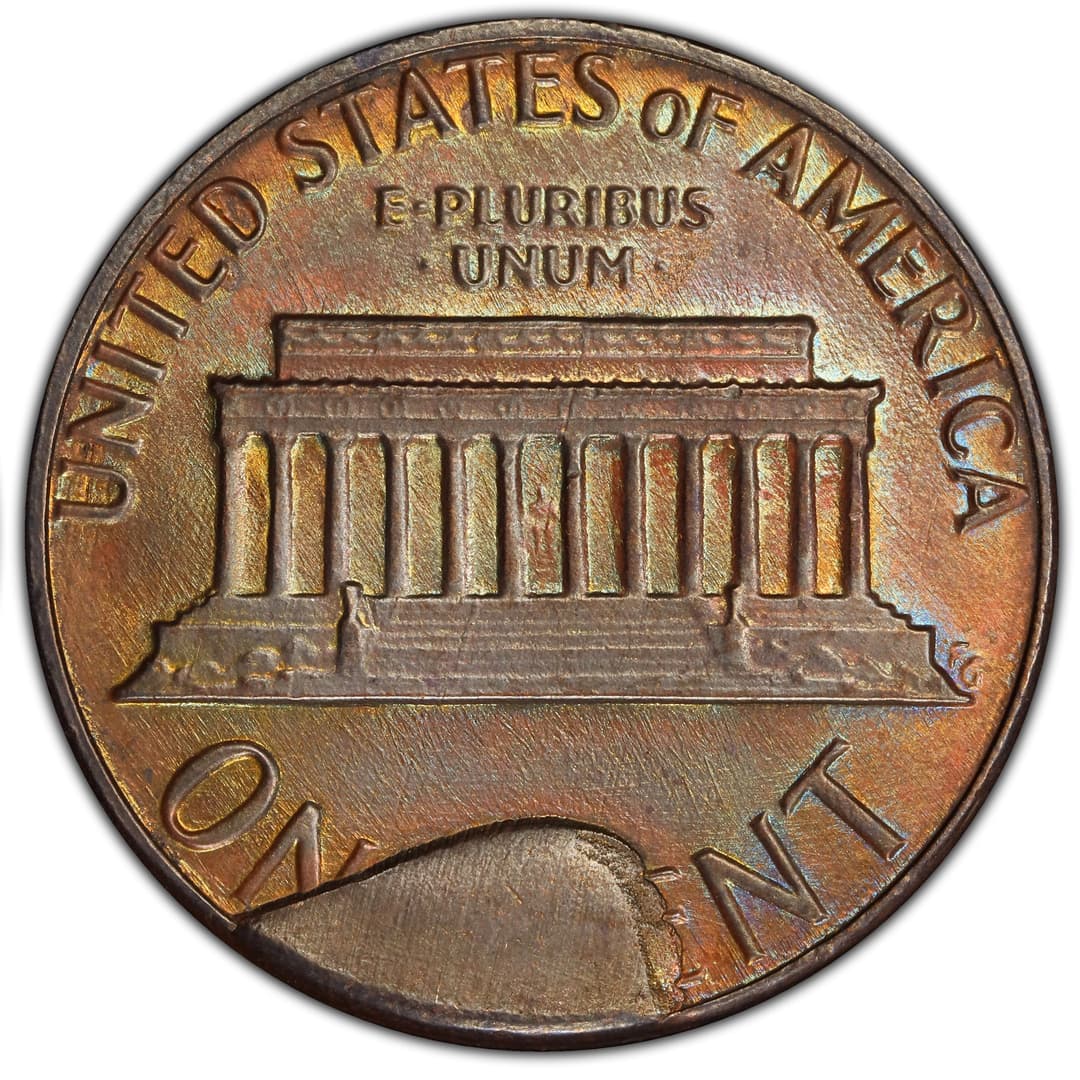
1985 (P) Lincoln Memorial Cent - CU-1C-1985-15 Cud
Error
Attribution
Discovered by
Chuck Newman
Verified by
Cuds on Coins
Original Research
Description
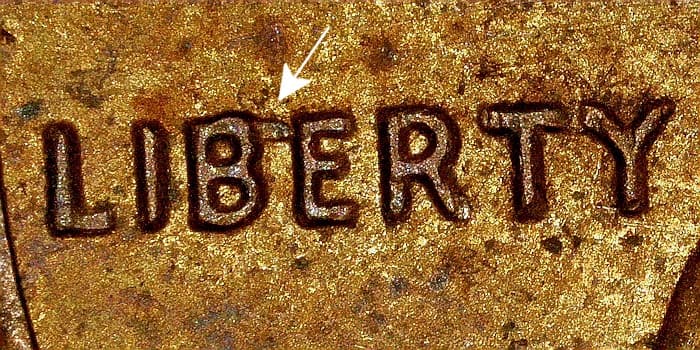
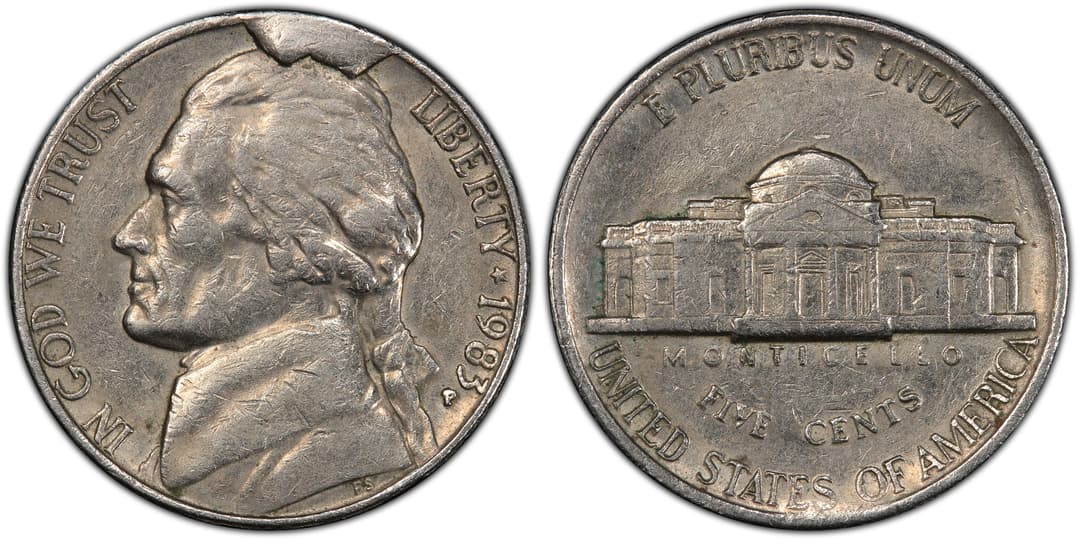
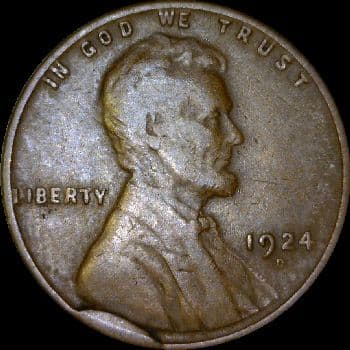
The size of a cud directly determines its visual impact on the coin's design, and CU-1C-1985-15 on the 1985 Philadelphia Lincoln Memorial cent occupies its own position along the spectrum from barely perceptible rim nicks to dramatic breaks spanning multiple design elements. Cuds are measured by their extent along the rim arc (angular coverage) and their depth of intrusion into the coin's field (radial penetration). A small cud might cover only a few degrees of arc and penetrate just past the rim into the denticle area, while a large cud can span thirty degrees or more and extend deep enough to obliterate portions of inscriptions or the portrait. The most extreme cuds — sometimes called retained broken dies — involve sections that have cracked but remain partially attached, creating a stepped or displaced effect rather than a clean void. The relationship between cud size and collectibility is generally positive: larger cuds command greater premiums because they are more visually dramatic and affect more of the coin's design. However, exceptionally small cuds documented early in a die's fracture sequence can also attract specialist interest as evidence of incipient die failure.
Cross References
- CU-1C-1985-15
External References
Community & Reference
Related Errors


More Cud Errors

Collector Essentials
Tools for examining and preserving error coins and die varieties.
10x-20x Jeweler's Loupe
Essential for examining die varieties, doubled dies, and RPMs
Cherry Picker's Guide
The definitive reference for U.S. error coins and die varieties
2x2 Coin Flips & Holders
Protect and organize your finds with archival-quality holders
USB Digital Microscope
Capture detailed images for documentation and community submissions
As an Amazon Associate, NumisDex earns from qualifying purchases.