
1976 Blank Patterns
Base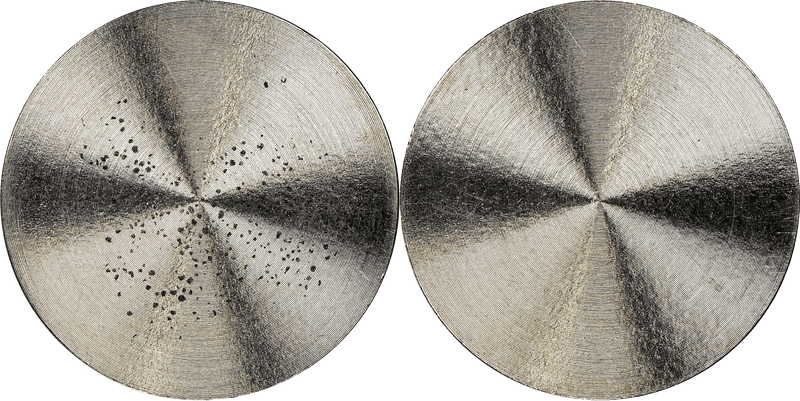
About This Coin
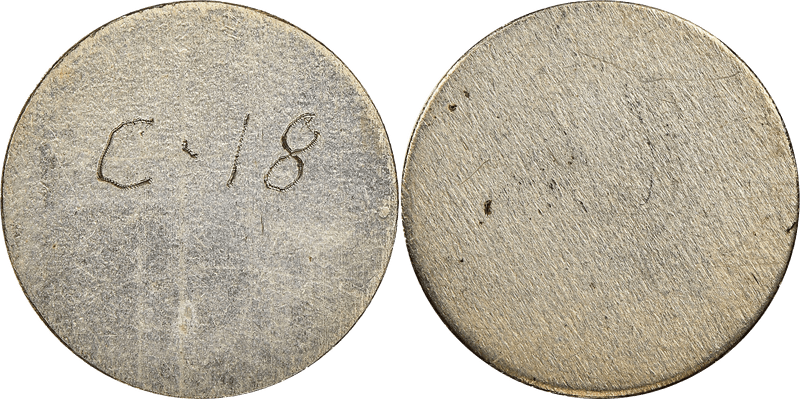
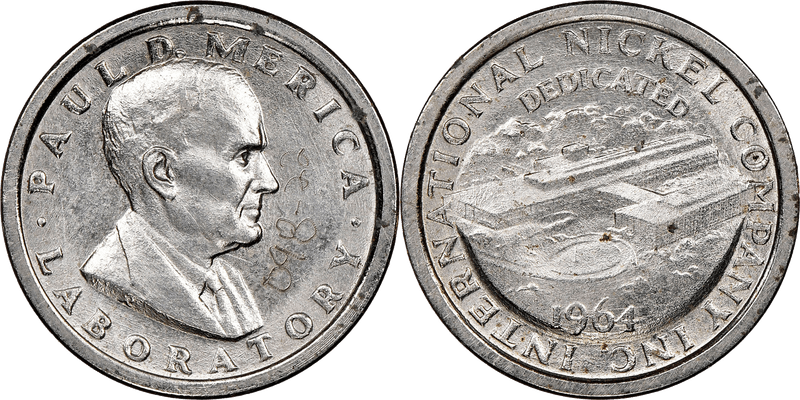
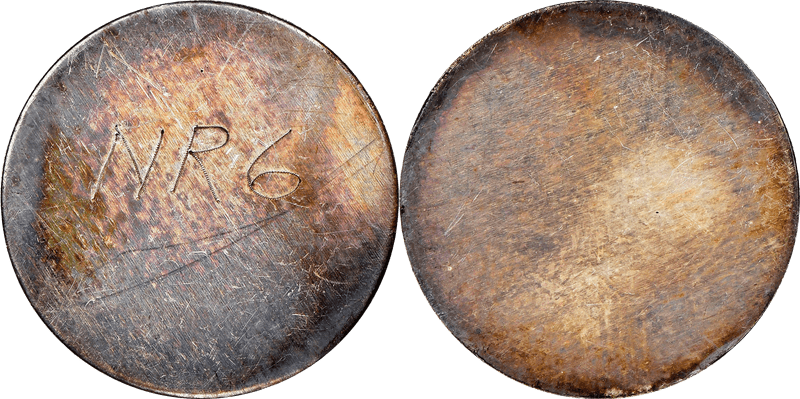
Produced during the American Bicentennial year within the Modern Patterns series, these 1976 blank patterns tested experimental planchet compositions during significant coinage technology changes. Blank patterns — unstruck planchets in experimental compositions — served the practical function of testing how alternative alloys responded to annealing, blanking, and upsetting processes preceding coin striking. The transition from silver to clad coinage, completed under the 1965 Coinage Act, had demonstrated that composition changes required extensive pre-production testing, and these blanks represent continued metallurgical research. The Bicentennial context adds historical significance: 1976 prompted the first dual-dated coins in American history (1776-1976), and the Mint's pattern production focused on evaluating materials and manufacturing processes. These patterns document adaptation to modern production methods and record-breaking mintages characterizing the 1970s, when annual cent production alone exceeded ten billion coins. The Bicentennial celebration connects the mundane work of metals testing to the celebratory atmosphere of the nation's 200th birthday and its special commemorative designs.
Specifications
Strike Types & Varieties(4)
(1976) Blank Pattern - RB-2000, GOULD
(1976) Blank Pattern - RB-2010, GOULD

(1976) Blank Pattern - RB-2100, GOULD
(1976) Blank Pattern - RB-2200, GOULD
Other Base Coins in This Series
Collector Essentials
Tools and references for building and protecting your coin collection.
10x-20x Jeweler's Loupe
A must-have for examining coin details, mint marks, and surface quality
Red Book — Guide to U.S. Coins
The essential annual reference for U.S. coin values, history, and mintages
Coin Albums & Storage
Archival-quality albums and holders to protect and display your collection
USB Digital Microscope
Capture detailed images for documentation and community submissions
As an Amazon Associate, NumisDex earns from qualifying purchases.