
1849 Double Eagle Patterns
BaseAbout This Coin
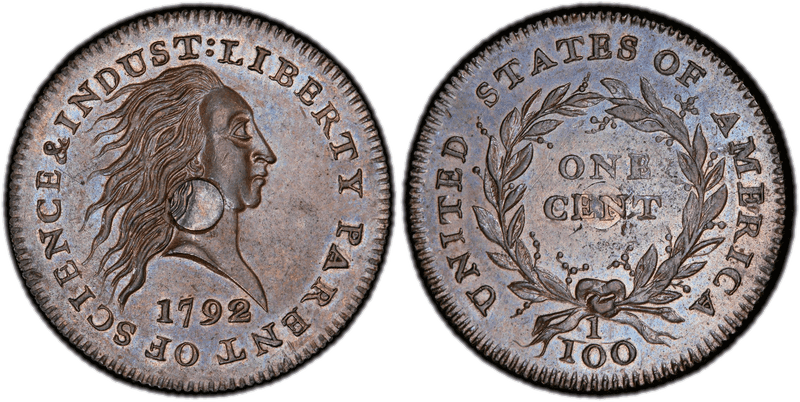
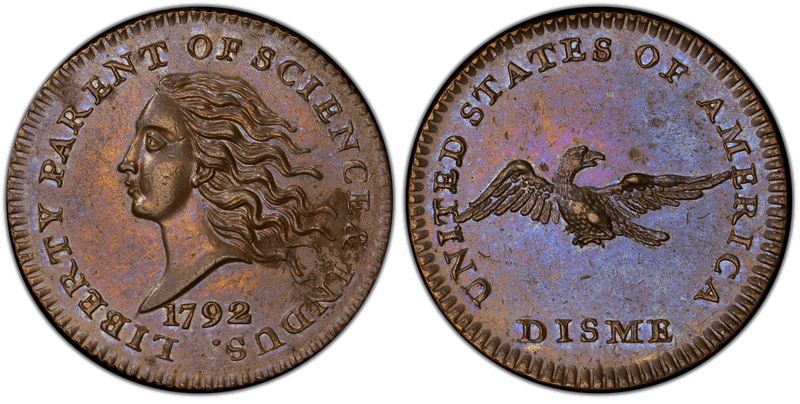
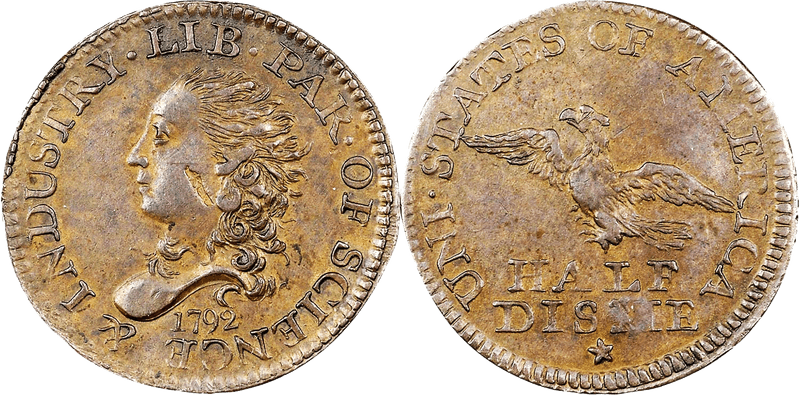
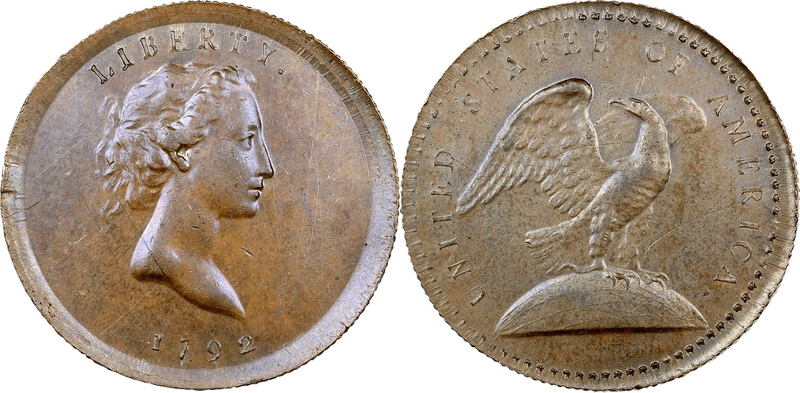
Produced at the Philadelphia Mint in the year California gold transformed the American economy, the 1849 Double Eagle Patterns represent experimental designs for what would become the largest regular-issue gold denomination in U.S. coinage history. The $20 gold piece was authorized by the Act of March 3, 1849, specifically in response to enormous gold quantities flowing from California's Sierra Nevada deposits, necessitating a high-denomination coin for large transactions. Various Mint engravers and outside artists created experimental obverse and reverse compositions. The most famous 1849 double eagle pattern is the unique specimen at the Smithsonian Institution — never offered for public sale and considered one of the most valuable numismatic objects in existence. These patterns capture the moment when American coinage was fundamentally reshaped by the Gold Rush, with the double eagle representing the most significant structural change since the original denominations were established by the 1792 Coinage Act. They document the design competition preceding James B. Longacre's Liberty Head adoption.
Specifications
Strike Types & Varieties(1)
Other Base Coins in This Series
Collector Essentials
Tools and references for building and protecting your coin collection.
10x-20x Jeweler's Loupe
A must-have for examining coin details, mint marks, and surface quality
Red Book — Guide to U.S. Coins
The essential annual reference for U.S. coin values, history, and mintages
Coin Albums & Storage
Archival-quality albums and holders to protect and display your collection
USB Digital Microscope
Capture detailed images for documentation and community submissions
As an Amazon Associate, NumisDex earns from qualifying purchases.